DbcultAccessing Vault...
Cult Review
Senior Film Conservator
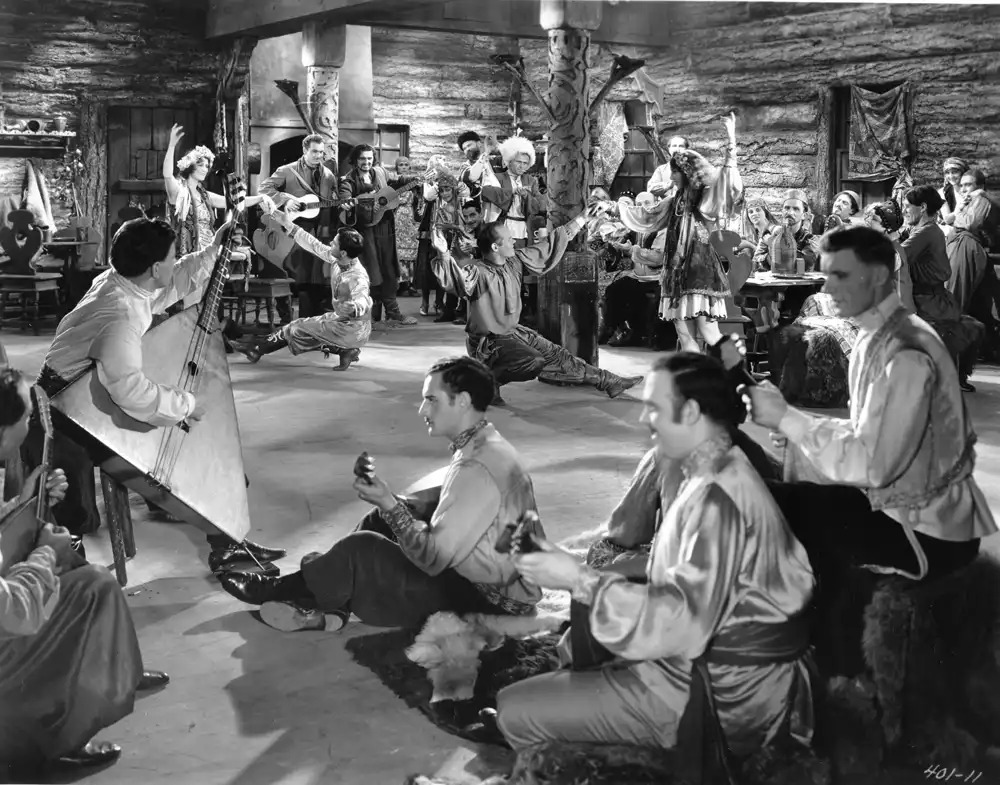
The Cossack's Bride... boy, that title alone screams a certain kind of movie, doesn't it? If you're someone who loves digging into the dusty corners of cinema history, or you have a real soft spot for silent-era melodrama, then yeah, this one's probably for you.
Anyone else, especially if you get antsy with slow burns and acting styles that feel a bit... much by today's standards, you might find yourself checking your watch. 🕰️ It's a curiosity, more than a crowd-pleaser for a general Friday night.
The pacing is... something. You know, these old films, they really took their time with things.
Every gesture feels magnified, like, really magnified. Lucille Powers, her expressions are a masterclass in emote big; you can almost feel the director saying, "More! Give me more agony!" 😩
There's a scene, early on, where Christian J. Frank's character — our lead Cossack, I suppose — rides into frame. It's supposed to be dramatic, but the horse looks genuinely confused by the whole affair.
Just kind of ambles, honestly. Made me chuckle a bit, not sure that was the intention.
And the costumes! So much embroidery. You just know someone spent ages on those, even if the film quality makes it all a bit murky sometimes.
Gregory Gaye plays this sort of brooding antagonist, and his hat, man, it's a character all its own. So tall!
The crowd scenes have this interesting energy. Like everyone was told to look very, very serious, but some folks in the background clearly didn't get the memo and are just... staring.
Or maybe they're just extras who wandered onto the wrong set, who knows.
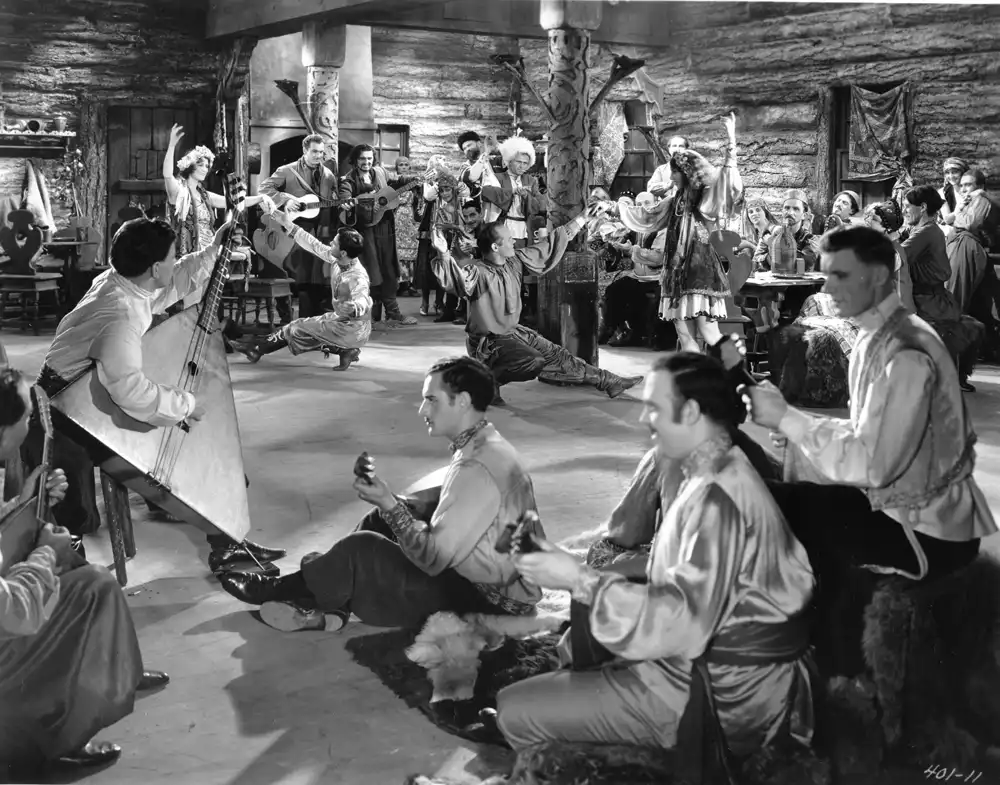
Joseph Marievsky, bless him, he has this one particular way of looking at Lucille Powers. It's intense. Almost unsettling, really.
Like he's trying to convey three pages of dialogue with just his eyebrows. He does a pretty good job, honestly.
The camera work... it's static, mostly. But then there's this one tracking shot, maybe five minutes in, following a cart.
It feels so out of place, almost modern for its time. A little jolt of "oh, they could do that."
It doesn't try to be anything it's not. It’s a story told simply, with the tools they had.
No deep philosophical questions here, just people in period clothes dealing with love and loyalty.
It gets a little repetitive, especially near the middle. You can almost feel the movie trying to stretch its runtime.
The ending is... expected. But satisfying in its own old-fashioned way.
No real surprises. You won't walk away pondering the meaning of life, but you might appreciate the sheer effort.
For an afternoon when you just want to see how movies used to be made, it’s a decent enough ride. Just be ready for the ride. 🐎
IMDb 1.6
1917
Community
Log in to comment.