DbcultAccessing Vault...
5.9/10
Senior Film Conservator
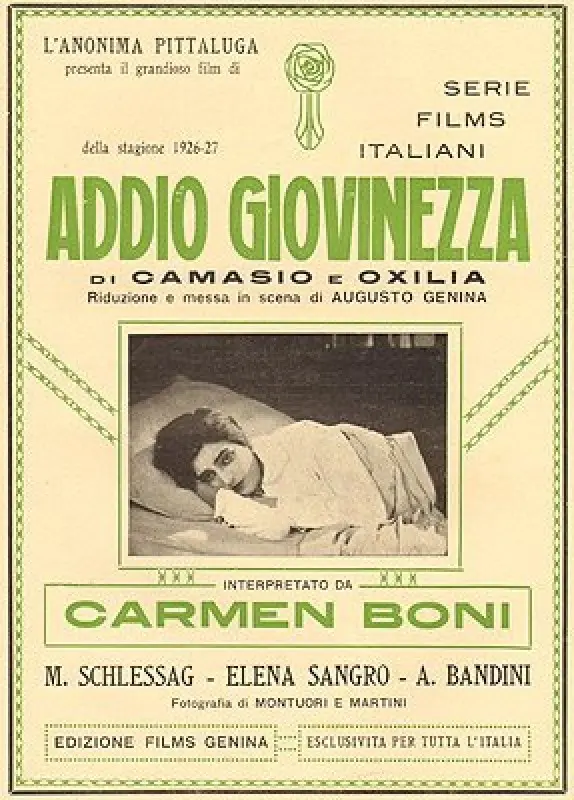
A definitive 5.9/10 rating for a film that redefined the boundaries of cult cinema. Addio giovinezza! remains a cornerstone of transgressive art.
Is Addio giovinezza! (1927) worth watching today? Short answer: yes, but with significant caveats. This silent Italian romance, directed by Augusto Genina, offers a fascinating, if sometimes frustrating, window into early 20th-century filmmaking and societal sensibilities. It’s a film that will resonate deeply with cinephiles, historians, and those with a genuine appreciation for the nuanced storytelling of the silent era, particularly its melodramatic flair and expressive performances. However, it is decidedly not for viewers accustomed to modern pacing, explicit dialogue, or intricate narrative twists.
The film, based on a popular play, navigates a familiar arc of youthful innocence, temptation, and fidelity, presenting it with a visual poetry that was characteristic of the period. While its narrative simplicity might feel quaint to contemporary audiences, its emotional core remains surprisingly potent, carried largely by the evocative performances of its lead actors.
For those who appreciate the historical context and artistic conventions of silent cinema, Addio giovinezza! is absolutely worth seeking out. It’s a compelling example of how universal themes of love and betrayal were communicated without spoken words, relying instead on gesture, facial expression, and visual metaphor. The film serves as a valuable document of early Italian filmmaking, showcasing directorial techniques and acting styles that paved the way for future generations.
However, if your cinematic palate leans towards action, fast-paced dialogue, or complex character psychology, this film will likely test your patience. Its deliberate pacing, reliance on intertitles, and the often exaggerated acting style of the era can be off-putting for those unfamiliar with silent film conventions. It demands a particular kind of engagement, one that rewards patience and an open mind.
Augusto Genina, a prolific director of the silent and early sound eras, brings a steady hand to Addio giovinezza!. His direction, while not groundbreaking for its time, is competent and often quite charming. He understands the power of the close-up, frequently isolating his actors' faces to capture subtle shifts in emotion, a crucial technique in silent cinema. Consider the scene where Maria (Carmen Boni) first observes Mario (Mario Dale) studying; Genina frames her face, half-hidden, a mixture of curiosity and dawning affection playing across her features. It’s a moment of quiet revelation.
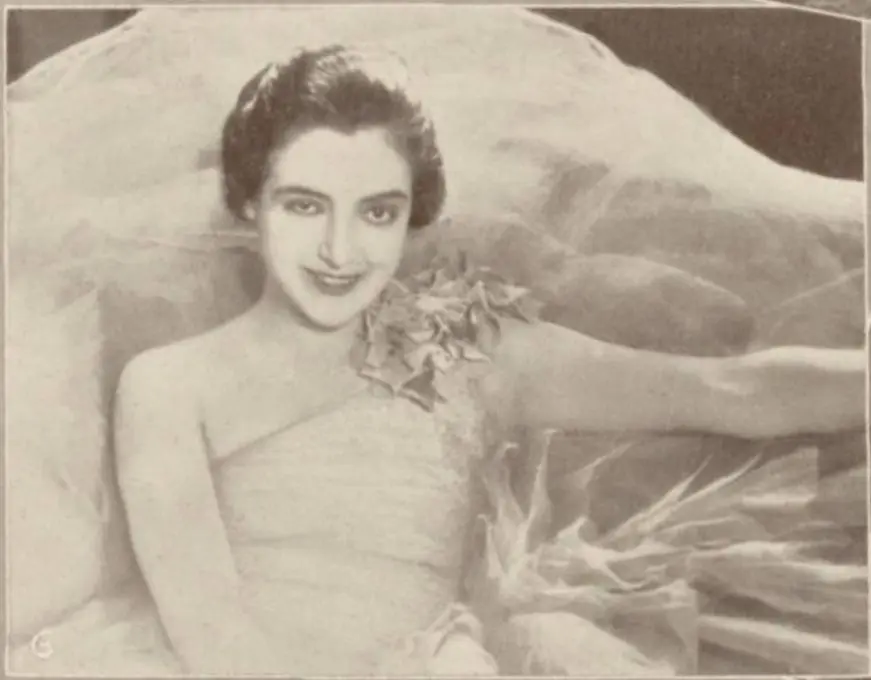
The cinematography, though uncredited, showcases a clear understanding of light and shadow, particularly in the interior scenes. The apartments, with their simple furnishings, are often bathed in soft, naturalistic light, creating an intimate atmosphere that contrasts sharply with the more brightly lit, bustling university scenes. This visual distinction subtly reinforces the dichotomy between the domestic haven Maria offers and the wider, more tempting world Mario is exploring.
One striking visual motif is the recurring use of windows and doorways. They often serve as frames for observation, for characters looking in or out, symbolizing their perspectives and limitations. When Elena (Lya Christy), the 'brazen damsel,' first appears, she is often framed in grander, more open spaces, or descending elaborate staircases, emphasizing her worldly confidence against Maria's more confined, domestic presence. It’s a simple but effective visual shorthand for character.
The film’s pacing is deliberate, a common characteristic of silent films, allowing the audience time to absorb the visual information and the emotions conveyed by the actors. While this can feel slow by today's standards, it also allows for a certain meditative quality, inviting viewers to linger on the beauty of the compositions and the nuance of the performances. Genina doesn't rush the emotional beats; he lets them unfold naturally.
The heart of Addio giovinezza! lies in its performances, especially that of Carmen Boni as Maria. Boni embodies the archetype of the innocent, devoted sweetheart with remarkable grace. Her gestures are restrained yet expressive, her eyes conveying a wealth of unspoken emotion—hope, concern, heartbreak, and ultimately, steadfast love. She manages to avoid the trap of over-the-top melodrama that sometimes plagued silent acting, delivering a performance that feels genuinely heartfelt and relatable, even across a century.
Mario Dale as the student, Mario, perfectly captures youthful earnestness and susceptibility. His initial infatuation with Maria is conveyed through shy glances and hesitant smiles, while his subsequent fascination with Elena is marked by a more confident, almost swaggering demeanor. Dale effectively portrays the internal conflict of a young man torn between two very different women, his expressions shifting from innocent joy to confused guilt with convincing clarity. His performance, while less subtle than Boni's, perfectly articulates the character's journey of self-discovery.
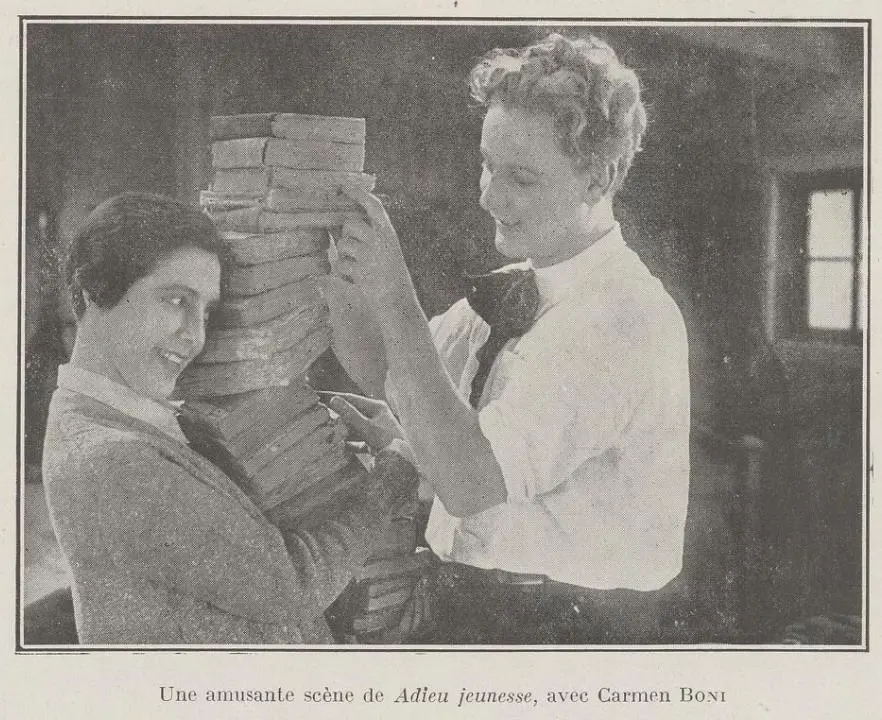
Lya Christy, as the sophisticated Elena, plays the 'other woman' with an air of knowing worldliness. Her performance is less about overt villainy and more about a confident, almost entitled charm. She moves with a languid grace, her smiles hinting at hidden depths and intentions. While her character is underwritten, Christy makes the most of it, creating a compelling, if brief, counterpoint to Maria's purity. Her portrayal of a woman who knows what she wants, and isn't afraid to pursue it, is a refreshing deviation from typical silent film portrayals of female 'vamps', even if it ultimately serves a familiar narrative function.
One might argue that the film's greatest strength is its ability to communicate complex emotional states through the sheer artistry of its actors, proving that dialogue is often secondary to genuine human expression.
The narrative of Addio giovinezza!, while straightforward, is structured to maximize emotional impact. The initial scenes establish the burgeoning romance between Mario and Maria with a tender, almost idyllic simplicity. This early sense of peace and domestic bliss is crucial, as it provides a strong foundation against which the subsequent intrusion of temptation can be measured. The audience is invited to invest in their pure, innocent love before it is threatened.
The introduction of Elena acts as a slow-burning fuse. Her presence is felt subtly at first, through glances and overheard conversations, before her direct intervention. This gradual build-up allows the audience to feel the growing tension and Mario's internal struggle. The shift in his demeanor, from attentive to distracted, is well-paced, showing the insidious nature of his infatuation.
The climax of the love triangle, the confrontation between Maria and Elena, is handled with a commendable lack of histrionics. Instead of a shouting match, it's a battle of quiet dignity versus worldly experience, conveyed through intense close-ups and subtle gestures. Maria's quiet resolve and Elena's eventual, almost weary, concession speak volumes. It's a remarkably mature depiction of rivalry for a film of this era, eschewing sensationalism for emotional authenticity.
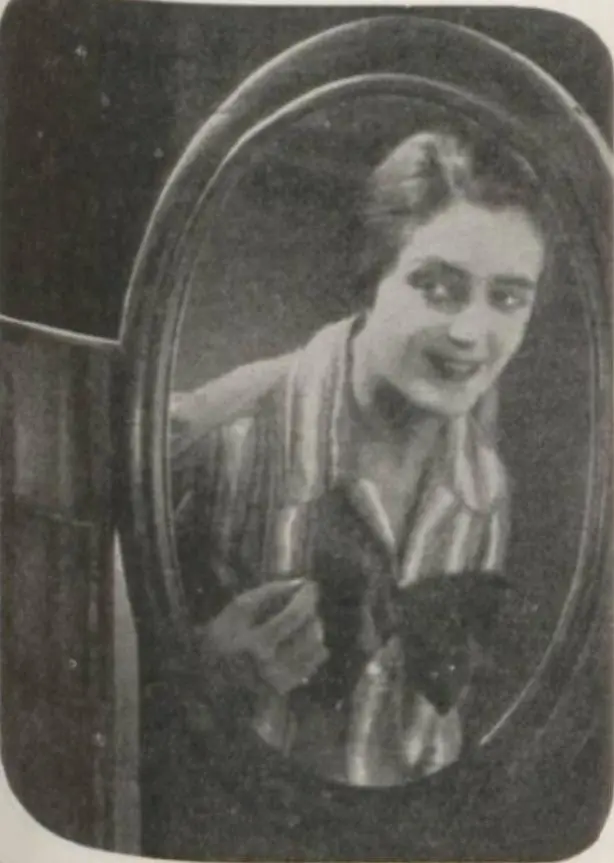
The resolution, with Mario's return to Maria, feels earned precisely because of the emotional journey depicted. It's not a sudden, convenient plot point, but the culmination of his growth and his realization of what truly matters. The film’s emotional resonance, therefore, stems from its commitment to depicting the inner lives of its characters, even within the confines of a simple plot.
At its core, Addio giovinezza! explores universal themes that transcend its silent film origins. The most prominent is the age-old conflict between innocent, steadfast love and fleeting, seductive temptation. Mario's journey is a classic coming-of-age narrative, where he must navigate the complexities of desire and commitment. This theme resonates strongly, as it speaks to the challenges of youth and the choices that shape our character.
The film also touches upon societal expectations and gender roles of the early 20th century. Maria represents the ideal of the devoted, domestic woman, while Elena embodies a more modern, independent, and perhaps unsettling femininity. The resolution, while seemingly traditional, can also be interpreted as a commentary on the enduring value of true affection over superficial allure. It’s a conservative message, perhaps, but delivered with genuine warmth.
Comparing it to other romantic dramas of the era, such as Infatuation (1918), Addio giovinezza! stands out for its earnestness. While many silent films leaned heavily into melodrama for sensationalism, Genina’s approach feels more grounded, seeking to evoke genuine sentiment rather than shock. This makes it a gentler, more contemplative experience, less about grand gestures and more about the quiet power of fidelity.
The film's title, 'Farewell Youth!', itself suggests a bittersweet reflection on the passage of time and the lessons learned in early adulthood. It’s a recognition that the innocence of youth, once lost, can never be fully reclaimed, but the experiences gained can lead to deeper understanding and stronger bonds. It works. But it’s flawed.
Addio giovinezza! (1927) is a charming, if not revolutionary, piece of early Italian cinema. It’s a film that asks for your patience but rewards it with a tender, emotionally sincere story of youthful love and the bittersweet lessons of growing up. While its narrative simplicity and deliberate pacing might not appeal to everyone, its strengths lie in its evocative visual storytelling and, most notably, Carmen Boni’s captivating performance. This isn't a film that will redefine your understanding of cinema, but it offers a delightful, nostalgic journey into a bygone era of filmmaking.
For those willing to embrace its unique charms and historical context, Addio giovinezza! stands as a testament to the enduring power of silent film to convey universal human emotions. It's a quiet whisper from the past, reminding us that some stories, no matter how old, continue to resonate. Seek it out if you're prepared to slow down and appreciate the artistry of a different cinematic age.
IMDb 6.7
1925
Community
Log in to comment.