DbcultAccessing Vault...
Cult Review
Senior Film Conservator
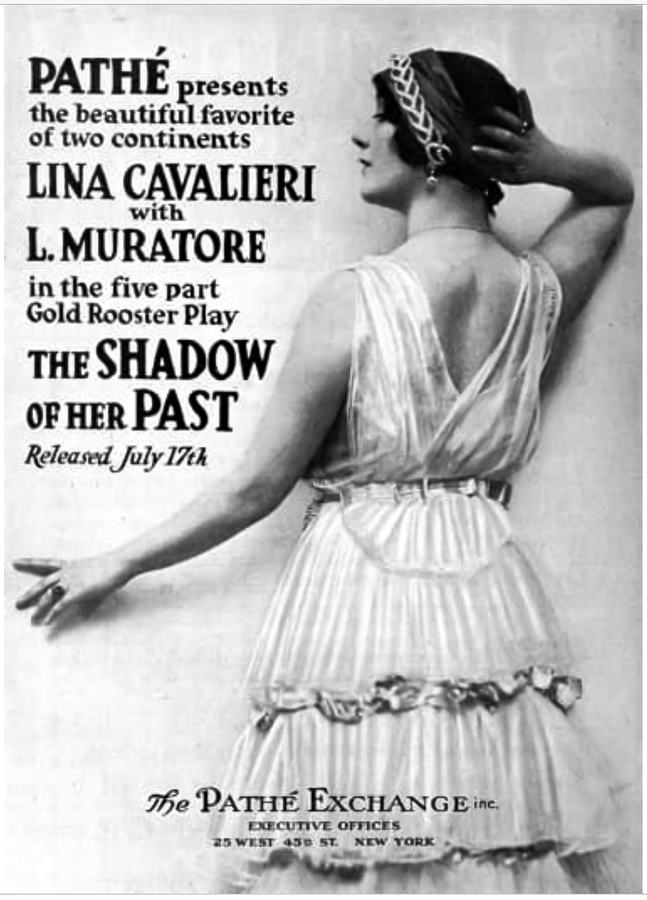
The annals of early cinema are replete with tales of grand romance, moral quandaries, and often, the triumphant resolution of love conquering all. Yet, every so often, a film emerges from the silent era that dares to deviate, to challenge the saccharine expectations of its time. Such is the case with The Shadow of Her Past, a cinematic artifact that, despite its seemingly conventional setup, delivers an ending of striking, almost brutal, realism. It’s a narrative that, upon reflection, resonates with a profound understanding of human frailty and the indelible scars left by betrayal.
From the outset, the film introduces us to Elayne Chalmers, a young woman brimming with ambition and talent, who ventures to Italy to refine her musical prowess. Italy, with its sun-drenched landscapes and artistic heritage, serves as a quintessential backdrop for burgeoning romance. Here, Elayne encounters Peter Marsant, an artist whose creative spirit and passionate nature quickly captivate her. Their love story unfolds with the tender earnestness characteristic of early romantic dramas: shared glances, whispered promises, and the quiet blossoming of affection between two souls seemingly destined for one another. The initial chapters of their romance are painted with broad, idealistic strokes, setting the stage for what many viewers of the period would anticipate as a straightforward journey to wedded bliss.
However, the narrative takes an intriguing turn when Elayne finds herself embraced by the glittering, aristocratic circles of Italian society. The effervescent charm, the lavish attention, and the intoxicating promise of a life far grander than she had ever imagined begin to twist her perception. This sudden exposure to opulence acts as a powerful siren song, luring her away from the earnest, albeit less glamorous, love she shares with Peter. It’s a classic tale of ambition eclipsing affection, a testament to the seductive power of social elevation. Elayne, caught in the intoxicating current of newfound status, makes a series of choices that are both understandable in their human weakness and devastating in their consequences.
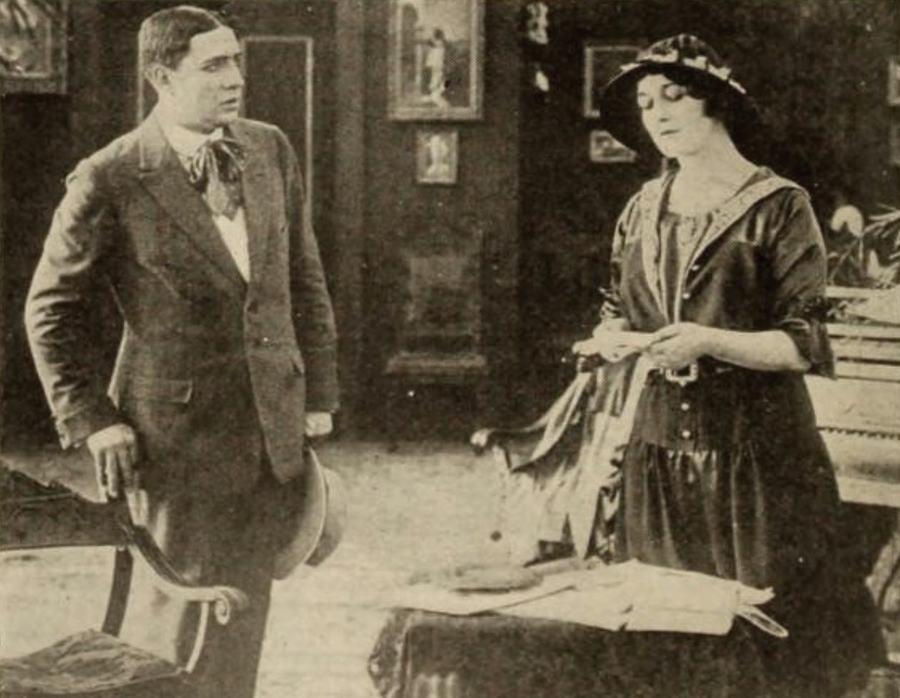
Her flirtation with a charismatic duke initially seems harmless, a mere indulgence in the attention she craves. Yet, this dalliance quickly escalates, culminating in Elayne’s misguided belief that this superficial liaison could lead to a more advantageous union. In a moment of profound misjudgment, she casts Peter aside with a casual cruelty that belies the depth of their earlier connection. Her proposal to the duke, delivered with an air of hopeful expectation, is met not with acceptance, but with a derisive laugh, a stark and humiliating rejection that shatters her illusions of grandeur. This pivotal scene, rendered with powerful visual cues typical of silent film, underscores the duke’s cynical view of their affair, exposing the chasm between Elayne’s romanticized aspirations and the harsh reality of his intentions.
The ensuing duel between Peter and the duke is a dramatic crescendo, a visceral manifestation of wounded pride and fractured hearts. Peter, his love scorned and his honor impugned, confronts the duke in a clash that, while adhering to the melodramatic conventions of the era, also serves as a catalyst for Elayne’s agonizing self-reckoning. The visual spectacle of the duel, with its heightened tension and inevitable violence, would have captivated audiences. When Peter falls, gravely wounded, the true gravity of Elayne’s actions finally descends upon her. It is in this moment of crisis, witnessing the tangible suffering of the man she discarded, that her superficial desires recede, and the profound depth of her original affection for Peter resurfaces with overwhelming force.
Her subsequent act of nursing Peter back to health is a classic trope of redemption, a period of quiet devotion and selfless care that allows her to atone for her earlier thoughtlessness. In the hushed confines of his sickroom, away from the glittering distractions of society, their bond is rekindled, forged anew in the crucible of vulnerability and shared pain. The audience, at this juncture, would undoubtedly anticipate the conventional resolution: a tearful reconciliation, a reaffirmation of their love, and the promise of a future together, perhaps even a wedding. Indeed, most films of the period, from the fervent patriotism of The Heart of Maryland to the moral complexities of The Scarlet Sin, tended to steer their protagonists towards a clear, often joyous, conclusion after such trials.
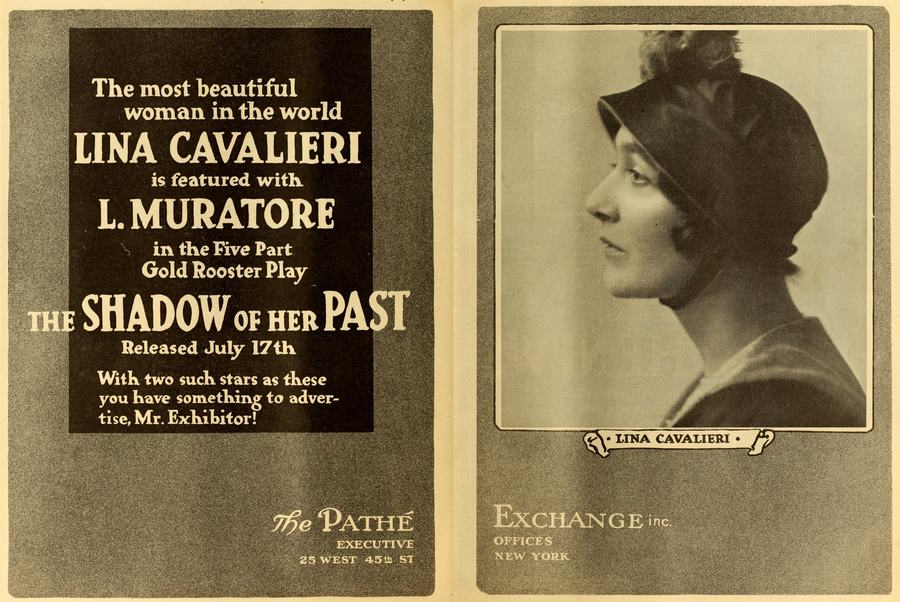
However, The Shadow of Her Past bravely diverges from this well-trodden path. It is here that the film truly distinguishes itself, elevating its narrative beyond mere melodrama to something more profound and, for its time, remarkably realistic. Peter and Elayne do not, as the plot summary so poignantly states, “marry and live happily ever after.” Instead, they are “sundered by a sentiment forcibly and artistically depicted.” This is where the film’s genius lies, in its refusal to offer a facile resolution to deeply etched emotional wounds.
What is this sentiment that keeps them apart? It is not an external force, nor a societal barrier, but an internal chasm, an irreparable breach of trust and emotional integrity. Elayne's betrayal, her casual discarding of Peter for a fleeting social climb, has left an indelible mark. While Peter may forgive her in the literal sense, the memory of her infidelity, the knowledge of his second-place status, lingers like a ghost between them. It’s the realization that some bonds, once shattered, cannot be fully reassembled, even with the strongest glue of renewed affection. The film suggests that love, while powerful, is not always sufficient to erase the pain of profound hurt. This sophisticated understanding of human psychology, especially in an era often characterized by simpler narratives, is truly commendable.
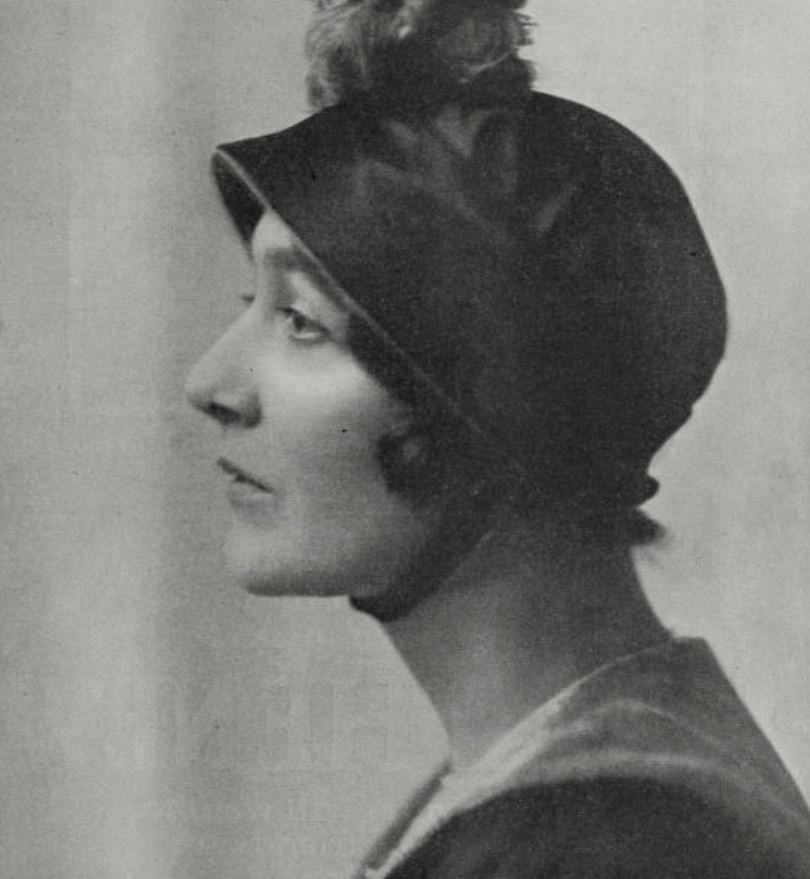
In a silent film, the burden of conveying such complex internal states falls heavily on the actors and the visual storytelling. Lina Cavalieri, renowned for her beauty and operatic background, portrays Elayne with a nuanced grace that transcends mere pantomime. Her expressions, her gestures, and her very posture must communicate the arc of Elayne’s journey: from wide-eyed ingenue to vain socialite, and finally, to a woman burdened by the weight of her own choices. Cavalieri’s ability to project both superficial charm and genuine remorse without uttering a single word is a testament to her skill and the expressive power of early cinema. The film’s success in depicting the “sentiment” that sunders them relies heavily on her capacity to show the internal conflict and the lingering sorrow, even after Peter’s physical recovery.
Lucien Muratore, both as writer and actor (Peter Marsant), crafts a character who embodies the earnest artist, whose vulnerability after the duel is palpable. His performance, paired with Cavalieri’s, creates a dynamic tension that makes the final separation all the more poignant. The film doesn't need verbose explanations; the emotional distance is palpable in their glances, their hesitations, the unspoken words that hang heavy in the air. This artistic depiction of an emotional chasm, rather than a physical one, is a bold narrative choice, foreshadowing a more mature approach to storytelling that would become prevalent in later decades.
While many silent films, particularly melodramas, aimed for emotional catharsis through clear-cut endings, The Shadow of Her Past opts for a more unsettling, yet ultimately more honest, conclusion. It’s a realism not of gritty street scenes, but of psychological truth. This film stands in stark contrast to contemporaries that often favored a morally simplistic worldview where good was rewarded and evil punished, and love, once declared, was eternal. Consider films like The Loyal Rebel or The Banker's Daughter, which, while exploring dramatic conflicts, often reinforced conventional societal norms and romantic outcomes. The Shadow of Her Past, however, suggests that some actions carry irreversible consequences, and that even heartfelt repentance cannot always mend what has been truly broken.
The film's exploration of vanity and its repercussions is particularly resonant. Elayne’s initial attraction to the duke is not born of genuine affection but of a desire for status and affirmation. This superficiality is ultimately her undoing, not just in the duke’s rejection, but in the irreparable damage it inflicts upon her most meaningful relationship. It serves as a cautionary tale, subtly delivered through the emotional landscape of its characters rather than through overt moralizing. The film doesn't condemn Elayne outright but presents the full, complex arc of her misjudgment and its lasting cost.
In an era where cinema was still finding its voice, experimenting with narrative forms and visual language, The Shadow of Her Past represents a significant, if perhaps understated, step towards greater psychological depth. It challenges the viewer to confront the uncomfortable truth that not all love stories have storybook endings, and that human nature, with its inherent flaws and capacity for both great love and great betrayal, is far more complex than simple narratives often allow. Its ending is not tragic in the sense of a grand, dramatic death, but tragic in its quiet, profound acknowledgment of emotional severance. It’s a testament to the fact that sometimes, the most painful wounds are those that heal superficially, leaving deep, unbridgeable scars beneath the surface.
The film’s lasting message is one of introspection. It invites us to ponder the true cost of our choices, the fragility of trust, and the enduring power of emotional consequences. While it may not feature the grand spectacles of a The Great Circus Catastrophe or the raw intensity of a Colorado, its strength lies in its intimate portrayal of human psychology. It’s a film that, despite its age, feels surprisingly modern in its emotional intelligence. The final scene, which we can only imagine as a quiet, lingering moment of two people looking at each other across an invisible divide, would have left audiences with a powerful, unresolved feeling—a stark contrast to the comforting closure typically offered. This refusal to tie up loose ends neatly is what cements The Shadow of Her Past as a compelling, thought-provoking piece of silent cinema, deserving of a place in discussions about early film realism and the nuanced portrayal of human relationships.
IMDb 5.5
1927
Community
Log in to comment.