DbcultAccessing Vault...
5.7/10
Senior Film Conservator
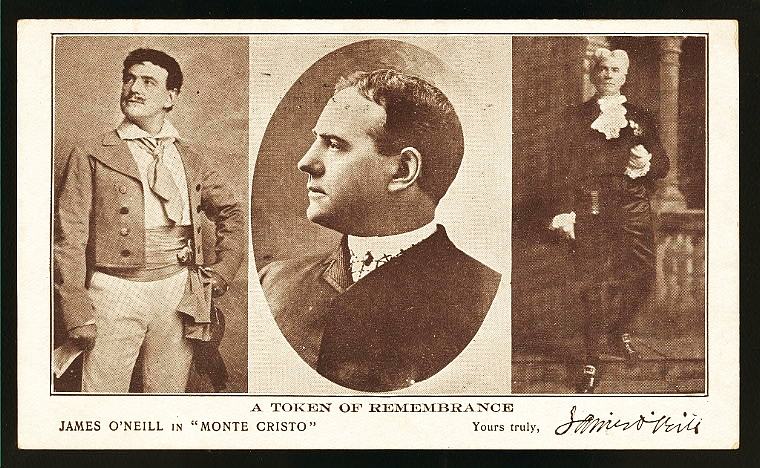
A definitive 5.7/10 rating for a film that redefined the boundaries of cult cinema. The Count of Monte Cristo remains a cornerstone of transgressive art.
Revenge, insists this 1913 phantasmagoria, is not a dish best served cold but a nitrate strip left too close to the bulb—curling, blistering, finally exploding into sparks that tattoo the retina long after the projector sighs into darkness.
There are films you watch and films that watch you; the Edison–Kinetoscope collation of The Count of Monte Cristo belongs to the latter caste, a celluloid revenant that stalks the viewer with the same measured patience its eponymous aristocrat reserves for his quarry. Shot when feature-length was still an anarchic proposition, the picture compresses Dumas’ sprawling cosmos into a breathless hour yet retains the heft of a leather-bound folio.
Director Edwin S. Porter and his uncredited co-conspirators render each Marseille dawn in chiaroscuro so tactile you can taste the brine on the lens. Consider the jailbreak: no thunderstorm, no hackneyed rope of sheets—just a gull-winged silhouette slithering along a parapet while the aperture narrows until the frame itself seems to squeeze the hero out of stone intestines into the moonlit void.
James O’Neill—father of the dramatist, perennial tragedian of the American stage—brings a thespian thunder that silent film rarely dared. His Dantès is first a sun-beaten Everyman, shoulders squared to the horizon; later, beneath the Count’s powdered mask, the eyes acquire a glacial sheen, the calm of a man who has taught himself to breathe underwater. The camera dotes on those eyes in proto-close-up, as if begging us to spot the precise instant when innocence is surgically removed without anesthesia.
Nance O’Neil, marketed as “the electric woman” for her stage tempests, embodies Mercédès with an ambivalence that flickers like a failing candle: she loves the memory of Dantès yet fears the stranger who wears his bones. Their reunion—played in a single, unbroken medium shot—unspools with the fatalistic grace of Les Misérables’ spectral confrontations, only here the barricade is time itself.
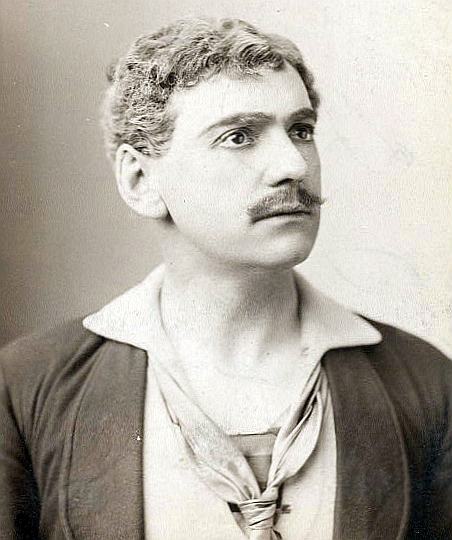
Murdock MacQuarrie’s Fernand Mondego slinks through ballrooms with the predatory languor of a man who has already pawned his soul and merely waits to collect the interest. One frame catches his reflection superimposed over a gilt mirror, a double exposure that quietly predicts the moral fissure about to split him in two.
Porter, fresh from experimenting with spatial continuity in Oliver Twist one-reelers, constructs the narrative like a nesting of Chinese boxes: each betrayal opens onto a larger vista of institutional rot. The Château d’If—conjured through painted flats and a matte cliff—looms larger than its physical footprint; it becomes a metaphysical waiting room where calendars hemorrhage and identity is sanded down to a number stitched on a sleeve.
Yet the film’s true coup de cinéma arrives when the Count introduces himself at the Parisian soirée. Porter withholds the reveal, letting rumor precede the man the way thunder walks ahead of lightning. When the silhouette finally steps into the gaslight, the camera executes what amounts to an early dolly—sliding forward until the frame seems to bow, as though cinema itself were paying court to the myth.
Note the costuming: the Count’s cloak is midnight indigo, a color Technicolor would not codify for another quarter century, achieved here through tinting so sumptuous it appears wet. Each fold drinks the light, turning the wearer into a walking interrogation mark.
Intertitles, spare and aphoristic, arrive like telegrams from Fate’s own office: “Hope is the bread of the condemned.” The scarcity of text amplifies every gesture; when the Count uncorks the vial of poison intended for a traitor, the cork’s pop—visible though inaudible—feels seismic. Contemporary exhibitors were encouraged to accompany the scene with a single timpani hit, a flourish that anticipates the stinger in later Hitchcock thrillers.
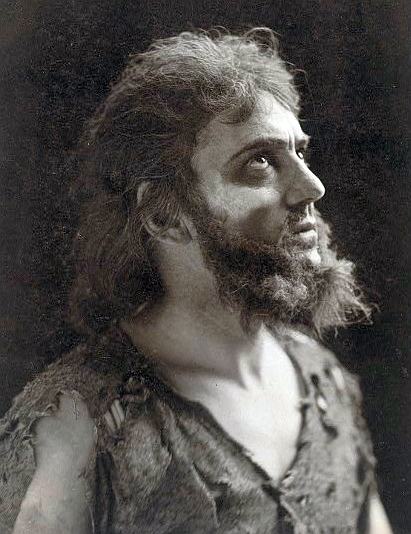
Compare this sonic austerity to the opulent orchestrations that padded Parsifal or Trilby of the same epoch; the silence becomes an accomplice, a negative space that invites the viewer to graft private angers onto the Count’s crusade.
History itself plays supporting actor. Shot only two years before Europe would immolate itself in the trenches, the film vibrates with a premonition of mass incarceration—Dantès’ arbitrary arrest rhymes with the bureaucratic carnage about to unfold across the continent. Viewed through this lens, the Count’s meticulous vendetta feels less like personal vendetta and more like a rehearsal for the reparations nations would soon demand from one another.
Curiously, the adaptation also anticipates the moral exhaustion of post-war cinema: note the final tableau where the Count stands aboard a departing schooner, sunrise bleeding across the celluloid. He has punished, he has rewarded, yet the expression reads not as triumph but as the hollow recognition that revenge, fully realized, leaves the avenger unemployed—an existential predicament later mined by film noir and the spaghetti western.
Place this print beside The Three Musketeers of 1914 and you witness Dumas’ bifurcated soul: swashbuckling camaraderie on one reel, hermetic vengeance on the other. Together they form a diptych of human appetites—community and reprisal—announcing that spectacle need not preclude psychology.
Or juxtapose it with Porter’s own The Great Circus Catastrophe: both hinge on the instant when festivity flips into carnage, reminding viewers that joy is merely terror wearing brighter clothing.
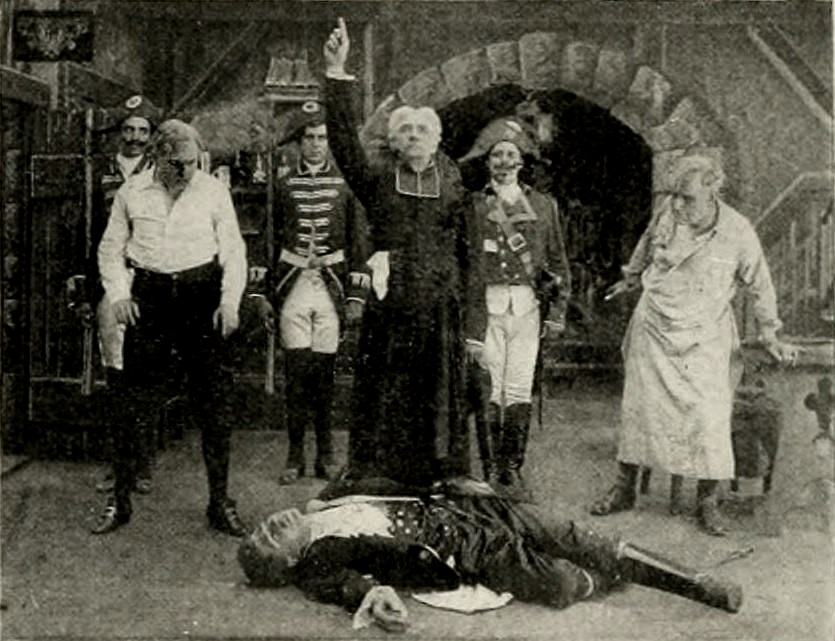
Recent 4K restorations by the Cinémathèque franco-américaine have reinstated the amber-and-teal tinting schemes indicated in the original distribution notes. Under these hues, night scenes exhale a cyan chill, while interiors pulse with topaz warmth, accentuating the moral thermometer of each space. The restoration also recovered 42 feet of missing footage—among it, a shot of the Count testing the balance of a stiletto on his gloved finger, a moment of lethal ballet that prefigures the kinetic swagger of Fantômas.
Is the film flawless? Hardly. The courtroom exposition stumbles over theatrical stasis, and the Marseilles street revels feel crammed onto sets the size of parlor rugs. Yet such blemishes amplify the artifact’s heartbeat, reminding us that even Olympus was once a construction site.
What endures is the film’s conviction that memory is a warden more ruthless than stone, that escape is never longitudinal but spiral: we tunnel outward only to circle back to the self we hoped to entomb. In an age when algorithms curate revenge in 280-character doses, the Count’s slow-burn retribution feels almost chivalric—a reminder that wrath ages like Bordeaux, and that some vintages should never be uncorked in haste.
So, reader, should you queue this century-old gauntlet on your watchlist? If you crave the narcotic immediacy of CGI flares, scroll onward. But if you hunger for that rarer narcotic—time compressed into nitrate, injustice crystallized into icon—then dim the lamps, let the projector clatter, and feel the chill of a dungeon seep through the pixels. You may surface convinced, as I did, that the greatest special effect in cinema has always been the human face left alone with its own unfinished business.
— 35 mm shadows, forever unspooling
IMDb 5.4
1927
Community
Log in to comment.