DbcultAccessing Vault...
8.1/10
Senior Film Conservator
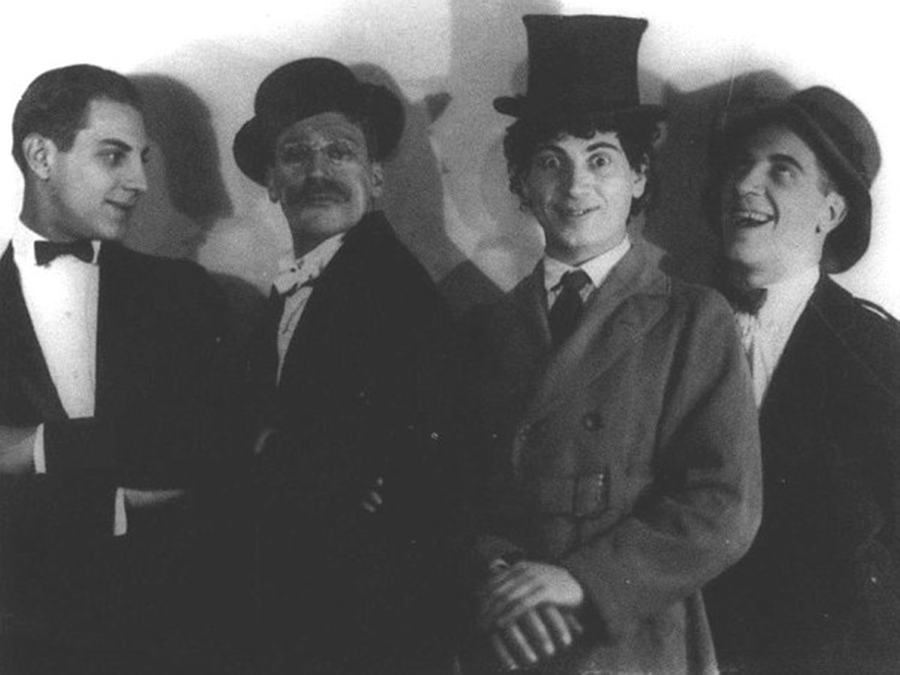
A definitive 8.1/10 rating for a film that redefined the boundaries of cult cinema. Humor Risk remains a cornerstone of transgressive art.
Imagine a nitrate ghost—half-melted, reeking of vinegar and vaudeville—suddenly breathing again. That is the narcotic jolt of Humor Risk, the Marx Brothers’ fabled 1921 one-reeler that slipped through the cracks of film history like a pickpocket in a crowded speakeasy. For decades, scholars whispered about it the way astronomers murmur of phantom planets: glimpsed once, then gone. Now, thanks to a Brussels archive flood-damage rescue that sounds like a Chico confidence scam, we can finally witness the primal soup from which the Brothers’ anarchy evolved.
The plot, or what survives of its intertitles, is a picaresque fever dream: Watson the detective (Harpo) hunts a stolen choker, but every corridor loops back into the nightclub’s kaleidoscopic entrails. Zeppo’s slick proprietor, all patent-leather grin, keeps the champagne and chorus girls in perpetual motion, a centrifuge of want. Groucho’s villain, credited only as "The Cadaverous Lothario," chews scenery with the voracity of a tax auditor devouring receipts. Chico, sporting a Tyrolean hat festooned with dangling pasta, provides counterfeit directions in at least three languages, none of them Italian. The narrative dissolves more than it advances; coherence is optional, velocity mandatory.
Director Jo Swerling—years before his razor-sharp work on Guys and Dolls—treats the Bronx back-lot like Caligari’s cabinet. Staircases skew impossibly; mirrors elongate hallways into Möbius strips. The camera, hand-cranked and manic, races behind Harpo as he scampers across catwalks, then tilts downward to reveal a miniature cityscape of empty gin bottles: urban loneliness distilled. The film’s tinting schema is equally audacious: amber for interior revelry, viridian for basement suspense, a sudden flush of rose when Ralston’s chanteuse confesses her love in a close-up so tight her eyelashes become venetian blinds.
Notice how Harpo’s entrance—feet first, hat still pinned to his scalp—parodies both Buster Keaton’s Il castello del diavolo stone-faced stoicism and the Expressionist somnambulists of Maddalena Ferat. The gag lasts four seconds yet contains multitudes: a manifesto announcing that physics, like polite society, is optional.
What startles most is not the slapstick but the pre-code DNA strands of personas not yet calcified. Groucho’s cigar is absent; instead he brandishes a quill pen that squirts ink in Cyrillic curves. His gait is slower, predatory, closer to Conrad Veidt than the break-neck Groucho of Paramount talkies. Chico’s accent is still Brooklyn-by-way-of-Napoli, but his piano shtick is embryonic: he frisks a saloon player for hidden keys, then plinks out a single, perfect chromatic scale that silences the room. Harpo, already the cherubic anarchist, swaps his harp for a malfunctioning gramophone whose crank becomes a grappling hook. Zeppo—often derided as the straight man—reveals killer comic timing, pitching woo while surreptitiously tabulating nightclub receipts on an abacus hidden inside his tuxedo.
The absence of dialogue renders every squeak, every slide whistle, every ruptured ukulele string hyper-sonic. Contemporary accompanist Donald Sosin’s new score—performed on a 1908 Fotoplayer rescued from a Kansas fairground—layers cakewalk rhythms under tango motifs, creating a musical palimpsest that hints at the Brothers’ later aural chaos. When Groucho mouths a silent pun, Sosin answers with a trombone glissando so sarcastic you swear you can hear the syllables.
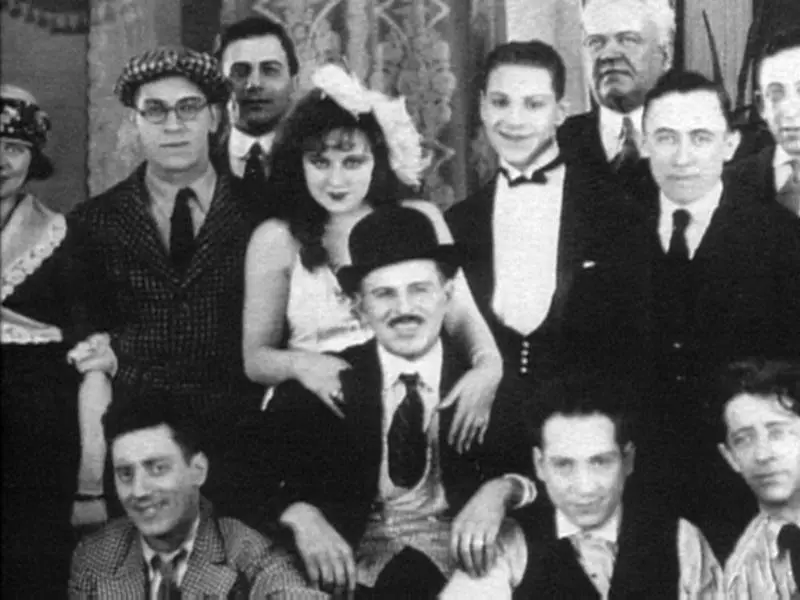
Compare this to the apocalyptic bombast of The End of the World or the drawing-room ennui of A Pair of Sixes; Humor Risk occupies a liminal twilight where silence itself is the punchline.
Jobyna Ralston, best remembered for fluttering beside Harold Lloyd, here commands the frame. Her character, billed simply as "The Canary," negotiates wages, sabotages spotlights, and engineers her own rescue long before Harpo’s bumbling gallantry arrives. In one proto-feminist tableau, she tears a strip from her own beaded gown to gag a leering gangster, the fabric snapping like a starting pistol. The camera lingers on her defiant smirk—not the Marxes—as the moral center of the mayhem.
Surviving at a brittle 11 minutes, the reel ends mid-beat: Groucho trudging into the dusk, chain scraping sparks, Harpo kissing Ralston atop a mahogany bar now shattered by bullet holes. We never learn if the pearls are recovered, if the club reopens, if silence itself files for bankruptcy. That ellipsis is the film’s greatest trick—it makes us complicit archivists, forever chasing the next lost canister.
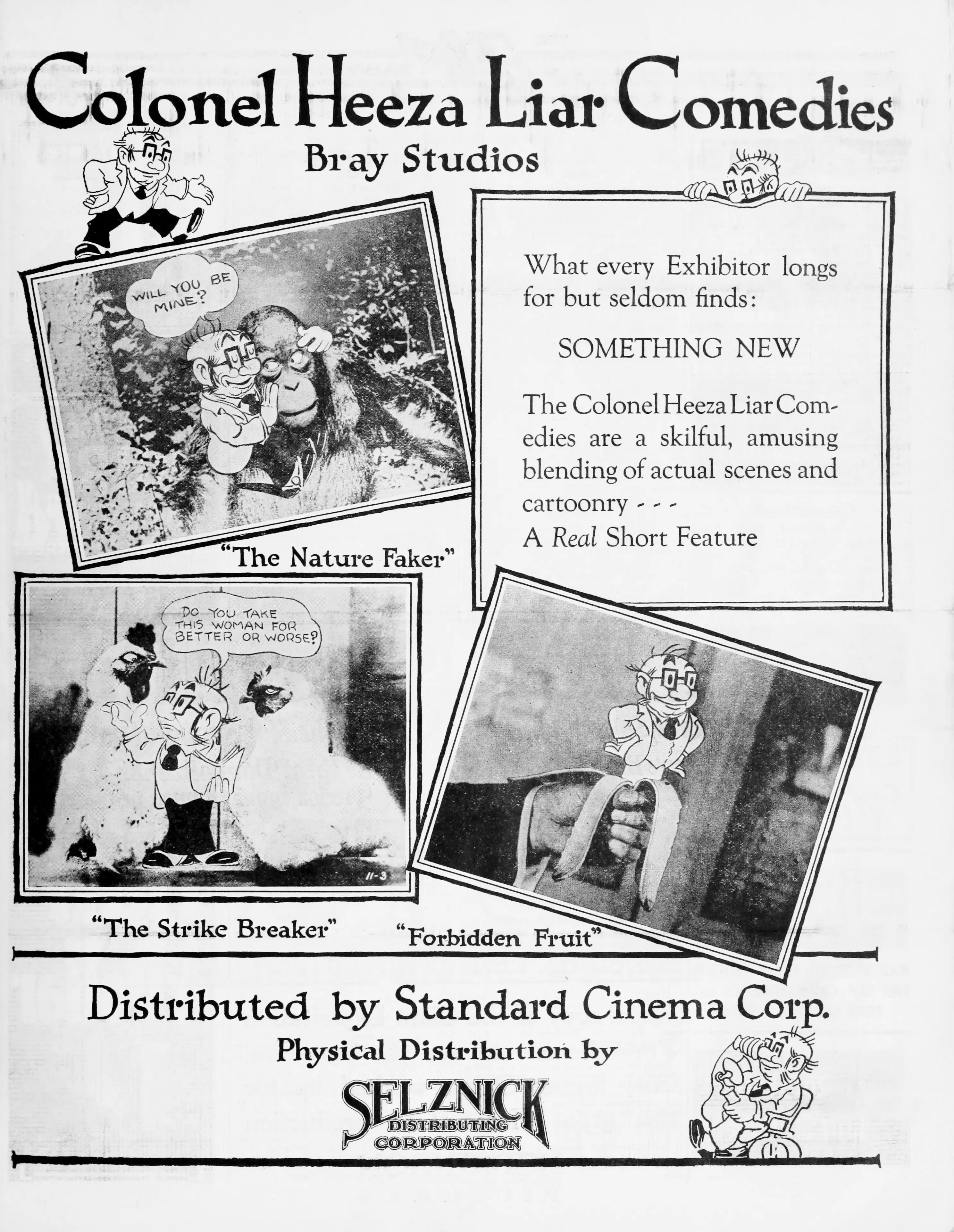
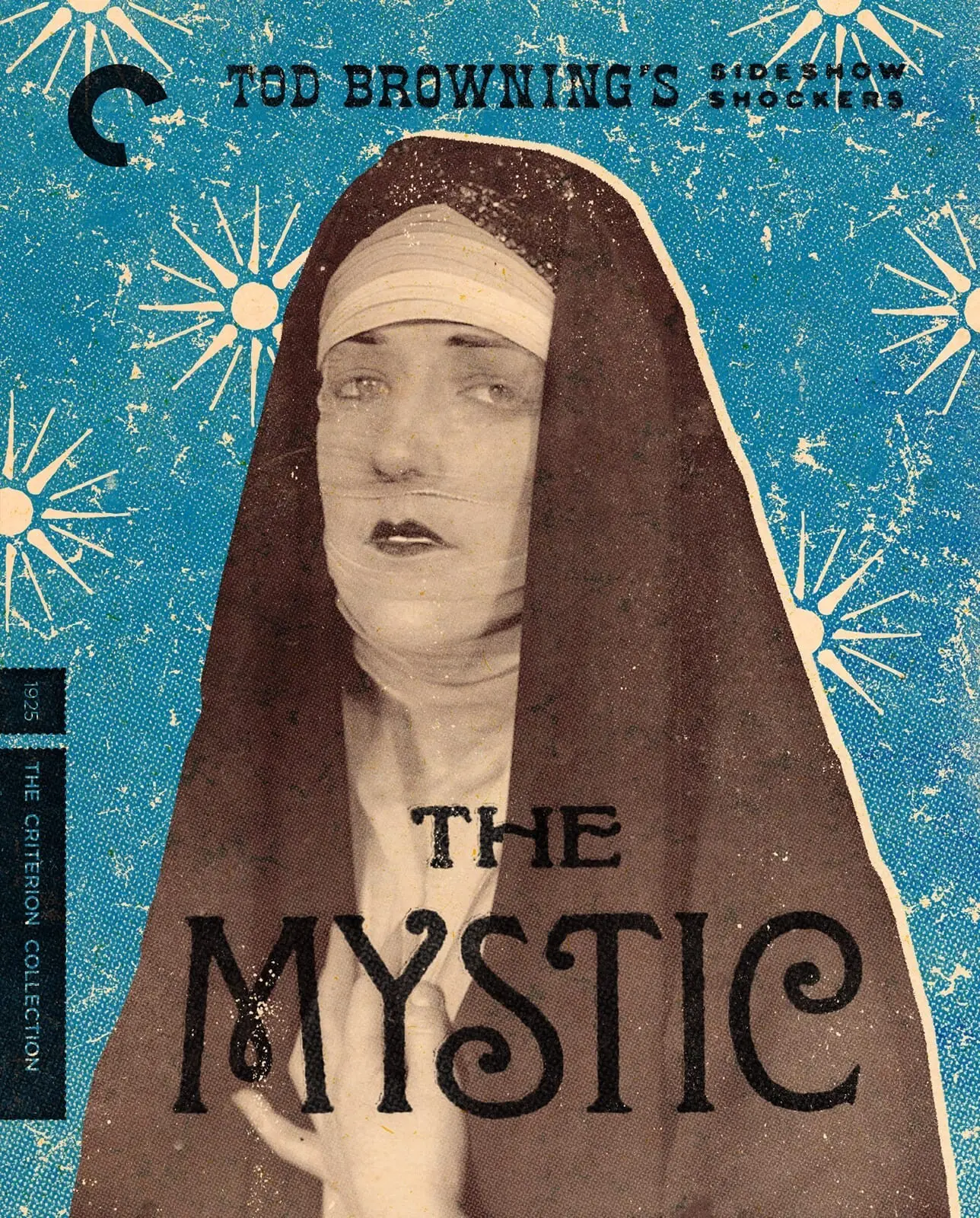
Film historians once considered Humor Risk a mere footnote, a juvenilia experiment preceding The Cocoanuts. Yet viewed alongside contemporaries like the occult murk of Satan's Rhapsody or the pastoral slapstick of The Mollycoddle, it emerges as a Rosetta Stone of American comic syntax: speed, subversion, the ecstatic rupture of logic.
Watching Humor Risk today feels akin to inhaling nitrate ghosts—equal parts euphoria and vertigo. The gags prefigure Duck Soup’s diplomatic absurdity; the visual glee anticipates the geometric slapstick of Tati. Yet the film’s brevity ensures it remains a candle in the wind of cinephile obsession: flickering, seductive, forever on the brink of extinction.
So seek it out at the next archival pop-up, preferably in a mildewed circus tent with a rickety projector that threatens to combust. When Groucho’s silhouette dissolves into that purple twilight, you’ll taste the sweet-and-sour nectar of impermanence—the very flavor that makes silent cinema immortal.
And if the final reel ever surfaces—rumored to contain a rooftop chase across a cardboard Manhattan skyline—remember the first rule of Humor Risk: trust nothing, chase everything, and when the lights come up, check your pockets.
IMDb —
1925
Community
Log in to comment.