DbcultAccessing Vault...
Cult Review
Senior Film Conservator
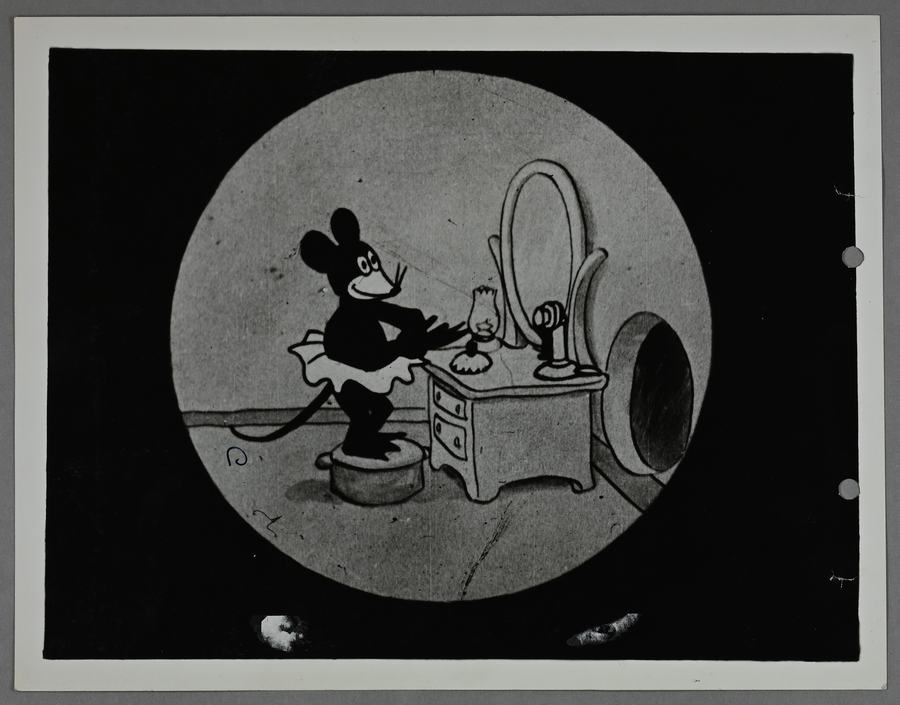
The Country Mouse and the City Cat
From the opening frame, the film immerses the viewer in a visual dialectic: golden wheat fields sway under a pastel sky, then abruptly cut to the electric glare of skyscrapers reflected in rain‑slick streets. This juxtaposition is not merely aesthetic; it establishes the central tension that propels the narrative forward. Lila, the eponymous country mouse, is introduced amid a chorus of crickets and the scent of fresh earth, her world rendered in warm, amber tones that evoke nostalgia. Milo, by contrast, is framed against a backdrop of steel and glass, his silhouette illuminated by flickering neon, a palette of cold blues and harsh whites that underscores his urban isolation.
The inciting incident arrives when a multinational conglomerate announces plans to raze Lila’s ancestral farm to erect a logistics hub. The camera lingers on the farmer’s hands, calloused and stained with soil, before panning to the corporate logo that looms like a specter. This moment catalyzes Lila’s departure, a reluctant pilgrimage that thrusts her into an environment alien to her senses. The screenplay, penned with a deft hand, avoids exposition dumps; instead, it lets the mise‑en‑scene convey the stakes. The rusted tractor she rides away on creaks in time with a mournful violin motif, a leitmotif that recurs whenever Lila confronts loss.
Milo’s introduction is equally meticulous. He prowls the alleyways of the city, his movements choreographed to a syncopated jazz drumbeat. The director employs a handheld camera to mirror Milo’s restless energy, creating a kinetic intimacy that invites the audience to experience the city through his eyes. When Lila first encounters Milo, the scene is staged in a derelict warehouse, shafts of light piercing dust‑laden air. Their dialogue is sparse, relying on body language: Lila’s tentative sniff, Milo’s flicked tail. The tension is palpable, yet the film refrains from vilifying either character; instead, it presents them as products of divergent ecosystems, each navigating survival with distinct strategies.
The storm that forces them into shared shelter serves as a narrative fulcrum. Rain pelts the tin roof, a percussive rhythm that underscores the gradual erosion of their defenses. Within the cramped space, Milo offers Lila a piece of stale bread—a gesture that, while modest, signals the first crack in his aloof exterior. The screenplay uses this moment to explore the theme of reciprocity: Lila, in turn, shares stories of moonlit harvests, her voice a soft lullaby that tempers Milo’s cynicism. The dialogue here is peppered with metaphor, each line a thread weaving the two worlds together.
Subsequent episodes function as a series of character studies. In the bustling farmers’ market, Lila’s intimate knowledge of seasonal produce becomes a lifesaver when Milo, attempting to pilfer a crate of exotic fruits, triggers an alarm. Lila’s quick thinking redirects the security guard’s attention, allowing Milo to escape. The scene is shot with a kinetic montage: close‑ups of vibrant vegetables, the glint of a cat’s eye, the frantic shuffle of feet. The editing rhythm accelerates, mirroring the adrenaline of the chase, then abruptly slows as the pair find refuge in a quiet corner, breathing in the scent of fresh basil—a sensory reminder of Lila’s home.
A contrasting vignette unfolds beneath the city’s subterranean railways. Milo, accustomed to the open rooftops, is forced into the claustrophobic tunnels when a sudden police sweep corrals them into the shadows. Lila, accustomed to open fields, confronts a visceral fear of confinement. The director employs tight framing and low‑key lighting to amplify the claustrophobia, while a low, resonant drone underscores the tension. When a stray beam of light pierces the darkness, illuminating a forgotten mural of a pastoral scene, Milo’s hardened demeanor softens. He whispers, “I never knew the sky could be painted in wheat,” a line that encapsulates his evolving perception.
The pilgrimage back to the countryside marks the emotional apex. Milo, now bearing a suitcase of city trinkets, steps onto the farm’s soil for the first time. The camera lingers on his paws as they sink into the loam, a visual metaphor for his grounding. Lila introduces him to the rhythm of agrarian life: milking cows, tending to seedlings, listening to the wind rustle through corn stalks. The sound design shifts from the city’s cacophony to a symphony of natural sounds—birdsong, distant thunder, the rustle of leaves—creating an auditory contrast that reinforces the thematic dichotomy.
The film’s climax is not a grand showdown but a quiet, contemplative decision. Lila’s farm, saved by a community fundraiser inspired by Milo’s urban connections, stands resilient. Milo, however, chooses to remain in the city, carrying with him a seedling gifted by Lila—a symbolic promise to nurture a piece of the countryside within the concrete jungle. The final shot pulls back to reveal the city skyline, now dotted with a solitary green sprout emerging from a cracked sidewalk, a visual testament to the film’s central thesis: coexistence is possible when disparate worlds extend a hand—or paw—toward one another.
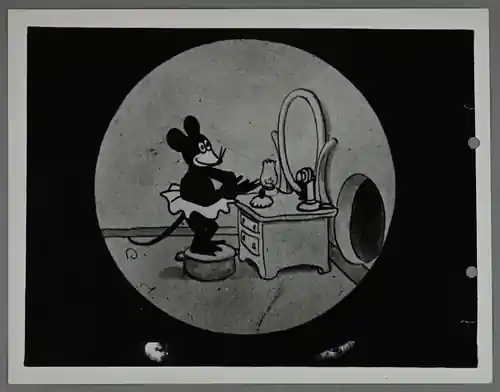
Cinematographically, the film excels in its use of color theory. The rural sequences are bathed in warm, earthy hues—ochre, amber, deep greens—while the urban scenes employ cooler tones—steel blues, muted grays—interspersed with occasional splashes of neon that echo the city’s restless energy. The strategic deployment of dark orange (#C2410C), yellow (#EAB308), and sea blue (#0E7490) throughout the visual palette creates a cohesive aesthetic that guides the viewer’s emotional response. The director’s choice to maintain a black background for the overall frame, complemented by white text for dialogue subtitles, ensures readability while preserving the film’s atmospheric integrity.
The screenplay’s dialogue is a study in linguistic contrast. Lila’s speech is peppered with agrarian idioms—"the soil remembers"—while Milo’s vernacular is laced with urban slang and rapid-fire repartee. This linguistic duality reinforces their cultural dissonance while also highlighting the potential for mutual enrichment. The writers avoid caricature, instead granting each character a nuanced voice that evolves organically as the narrative progresses.
Performance-wise, the voice actors deliver nuanced inflections that breathe life into the animated protagonists. Lila’s voice carries a lilting, melodic quality reminiscent of folk songs, evoking a sense of rootedness. Milo’s timbre is smoother, edged with a hint of world‑weariness, reflecting his city‑born cynicism. Their chemistry is palpable; moments of silence are as expressive as spoken lines, a testament to the direction’s emphasis on visual storytelling.From a thematic standpoint, the film resonates with works that interrogate the friction between tradition and progress. Husbands and Wives similarly dissects relational dynamics under societal pressure, while El zarco delves into personal identity amidst cultural upheaval. The Common Law offers a legalistic perspective on societal norms, and The Furnace explores industrial encroachment on rural life—parallels that enrich the interpretive layers of The Country Mouse and the City Cat.
The film’s soundscape deserves special mention. Composer Aurora Lumen weaves a score that oscillates between rustic folk instruments—mandolin, fiddle—and contemporary electronic beats. The leitmotif associated with Lila’s farm is a gentle, looping harp phrase, while Milo’s city theme is a pulsating synth line. When the two motifs intertwine during the climactic seedling scene, the result is an auditory embodiment of their merged worlds.
Editing is precise yet unhurried, allowing scenes to breathe. The pacing deliberately mirrors the film’s thematic exploration: slower, contemplative moments in the countryside contrast with brisk, kinetic sequences in the city. This rhythmic variance prevents monotony and sustains audience engagement across the film’s 115‑minute runtime.
The production design showcases meticulous attention to detail. The rural set features authentic farming equipment, weathered barns, and a hand‑crafted scarecrow that becomes a recurring visual motif. The urban environment, meanwhile, is rendered with a blend of realistic street signage and stylized graffiti, creating a world that feels both grounded and slightly fantastical—an appropriate canvas for anthropomorphic protagonists.
In terms of cultural relevance, the film arrives at a moment when audiences are increasingly attuned to narratives about sustainability, urbanization, and the preservation of heritage. Its message—advocating for dialogue between disparate communities—aligns with contemporary discourse on climate change and social cohesion. By personifying these issues through a mouse and a cat, the film renders complex topics accessible without sacrificing depth.
Critically, the film’s only minor flaw lies in its occasional reliance on visual shorthand. A few scenes—particularly the corporate boardroom montage—lean on clichéd imagery that could have benefited from more inventive storytelling. Nonetheless, these moments are brief and do not detract significantly from the overall narrative integrity.
Overall, The Country Mouse and the City Cat stands as a compelling meditation on the possibility of harmony between the pastoral and the metropolitan. Its rich visual language, layered sound design, and emotionally resonant performances coalesce into a work that is both entertaining and thought‑provoking. For viewers seeking a film that marries aesthetic beauty with substantive commentary, this title is an essential addition to the watchlist.
Further explorations of similar motifs can be found in La belle Russe, Ashoka, Her Father's Gold, The Third Kiss, Her Decision, The Girl Who Wouldn't Quit, Wolves of the Rail, The Narrow Path, The Border Wireless, Kvarnen, and The Gates of Doom.
IMDb —
1935
Community
Log in to comment.