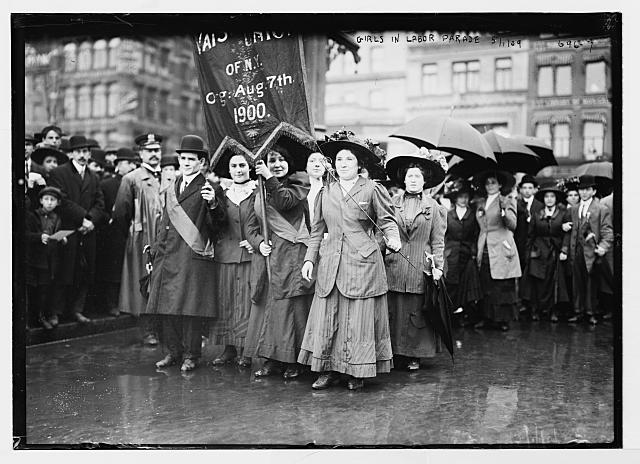
India
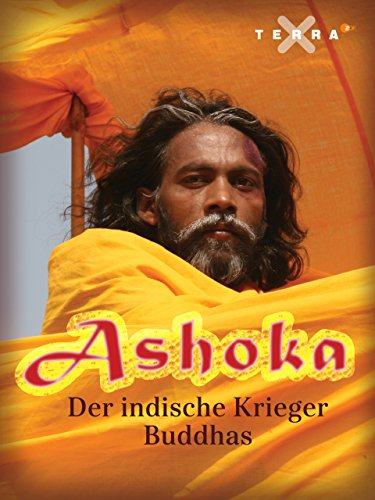
Santosh Sivan’s Ashoka does not open—it detonates. A single tracking shot slithers across a battlefield where the Ganga of gore still steams, the camera licking the copper stench before spiraling into the iris of a prince who has just discovered that victory tastes of rusted coins and carrion. From that first transgr...
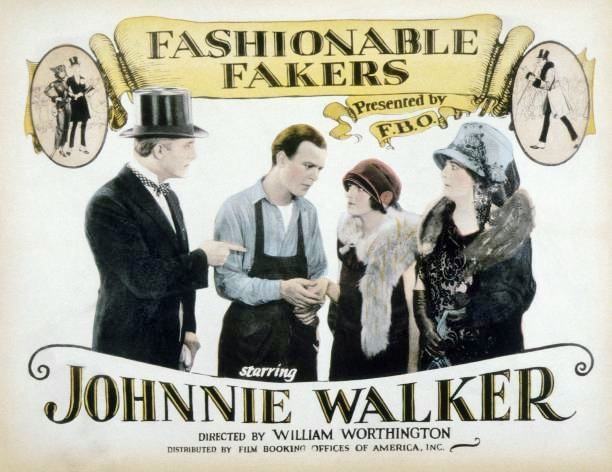

Comparing the cinematic DNA and archive impact of two defining moments in cult history.
Unknown Director

Unknown Director
Community
Log in to comment.
" Santosh Sivan’s Ashoka does not open—it detonates. A single tracking shot slithers across a battlefield where the Ganga of gore still steams, the camera licking the copper stench before spiraling into the iris of a prince who has just discovered that victory tastes of rusted coins and carrion. From that first transgressive frame, the film announces its manifesto: history will be scraped raw, licked clean of propaganda, then reassembled as a nightmare you can’t wake from. The Alchemy of Perfor..."