DbcultAccessing Vault...
Cult Review
Senior Film Conservator
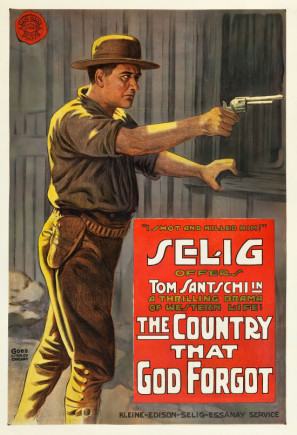
In the annals of early American cinema, certain pictures emerge not merely as historical artifacts but as enduring testaments to the power of narrative and the nascent craft of filmmaking. Marshall Neilan's The Country That God Forgot, a title that resonates with a profound sense of desolation and abandonment, is precisely such a work. It’s a compelling drama, a raw exploration of human frailty and resilience, set against a backdrop as unforgiving as the moral dilemmas faced by its protagonists. This isn't just a film; it’s a window into the soul of an era, a reflection of the struggles and aspirations that defined a generation.
The very premise of the film, penned by the visionary Marshall Neilan, is steeped in a kind of poetic justice, albeit one fraught with tragic irony. We are introduced to Steve Brant, portrayed with a rugged sincerity by Tom Santschi, a man whose life has been a relentless testament to perseverance. Years of back-breaking labor in the mines have finally yielded their bounty, a rich strike that promises to transform his humble existence. His singular ambition is not self-indulgence, but to shower his wife, Helen, played with nuanced complexity by Mary Charleson, with every conceivable luxury, to erase the memory of their shared privations. It's a noble aspiration, born of deep affection, yet it arrives at a tragically inopportune moment. Helen, weary of the relentless grind and the stark realities of their frontier life, has already begun to stray, her spirit captivated by the mysterious and dangerously charming Craig Wells, brought to life with a captivating blend of menace and charisma by Charles K. Gerrard.
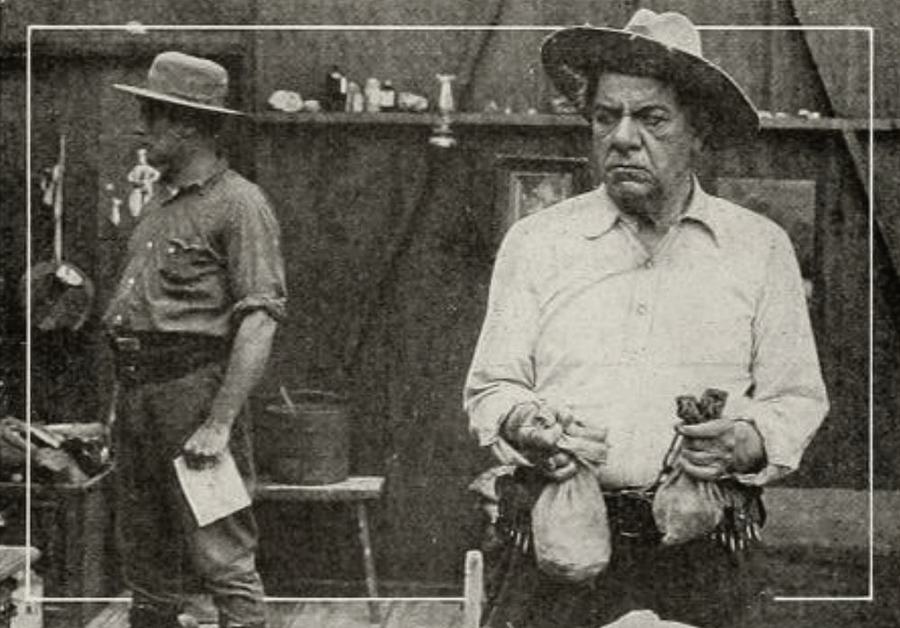
The narrative deftly navigates the treacherous waters of temptation and the bitter currents of regret. Helen's decision to elope with Wells is not merely an act of infidelity; it's a desperate reach for a different life, a yearning for escape from the 'country that God forgot'—a metaphorical and literal wilderness. Yet, the film masterfully subverts expectations when Steve, unaware of her betrayal, sends her a substantial sum of his newfound wealth. This gesture, imbued with the purest intentions, becomes a catalyst for Helen's profound awakening. It’s a moment of stark clarity, where the ephemeral thrill of Craig's charm pales against the enduring, unconditional love of her husband. Mary Charleson conveys this internal struggle with remarkable subtlety, her expressions shifting from fleeting contentment to dawning remorse, a testament to the power of silent acting.
This pivotal moment, where Helen recognizes the depth of Steve's affection and insists on turning back, sets the stage for the film's tragic escalation. Craig Wells, revealed to be a man on the run, wanted for stealing government funds, refuses to relinquish his prize. The ensuing struggle, born of desperation and conflicting desires, culminates in a horrifying accident: Helen is shot. This sequence, executed with a raw intensity, underscores the brutal consequences of impulsive choices and the inherent dangers lurking beneath superficial charm. Craig's subsequent desertion of the wounded Helen is a chilling portrayal of his true character, a man utterly devoid of compassion, prioritizing his own escape above all else. It's a stark contrast to the steadfast devotion embodied by Steve, painting a vivid picture of moral dichotomies prevalent in much of early cinema, much like the clear-cut heroes and villains often seen in films such as The Jockey of Death, where moral lines are sharply drawn.
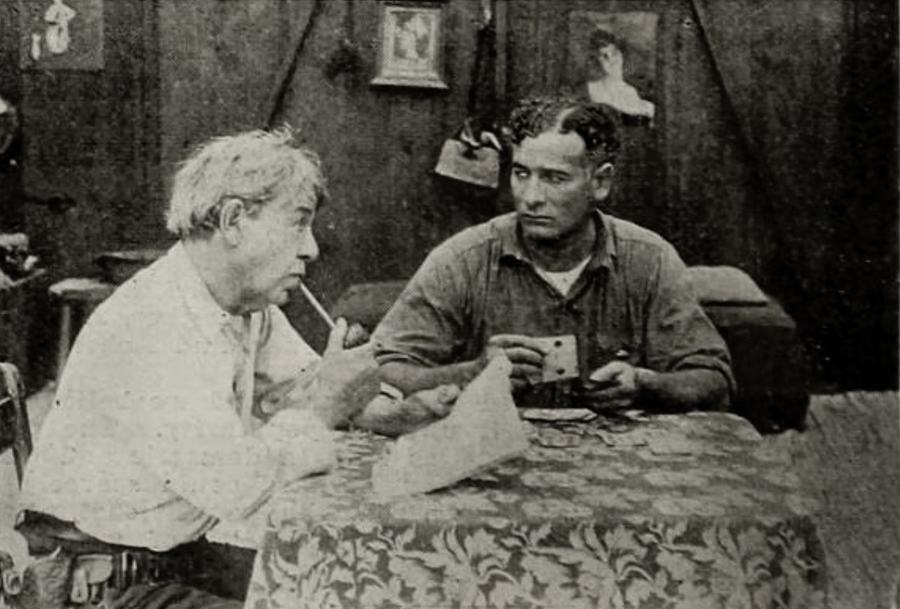
The latter half of the film pivots towards Steve's unwavering devotion and Helen's arduous path to recovery. His discovery of Helen, abandoned and gravely injured, is a moment of profound emotional resonance. Tom Santschi's portrayal here is particularly poignant, conveying a mixture of heartbreak, anger, and an unshakeable commitment to his wife's well-being. He nurses her back to health, a long and arduous process, symbolizing not just physical healing but the slow mending of a broken bond. This act of selfless care, devoid of recrimination, stands as the emotional core of the film, highlighting the redemptive power of forgiveness and enduring love. It's a narrative arc that speaks to the timeless themes of fidelity and the capacity for grace, even in the face of profound betrayal.
Meanwhile, justice, though sometimes delayed, is ultimately served. The authorities apprehend Craig Wells, bringing his criminal escapades to a definitive and grim conclusion. His hanging serves as a stark reminder of the era's often-uncompromising approach to justice, a final, public reckoning for his transgressions. The film, through this resolution, reinforces a moral framework common to its time, where virtue is ultimately rewarded and vice punished, a narrative structure found in many contemporary works like When Fate Leads Trump, where character actions directly lead to their just deserts.
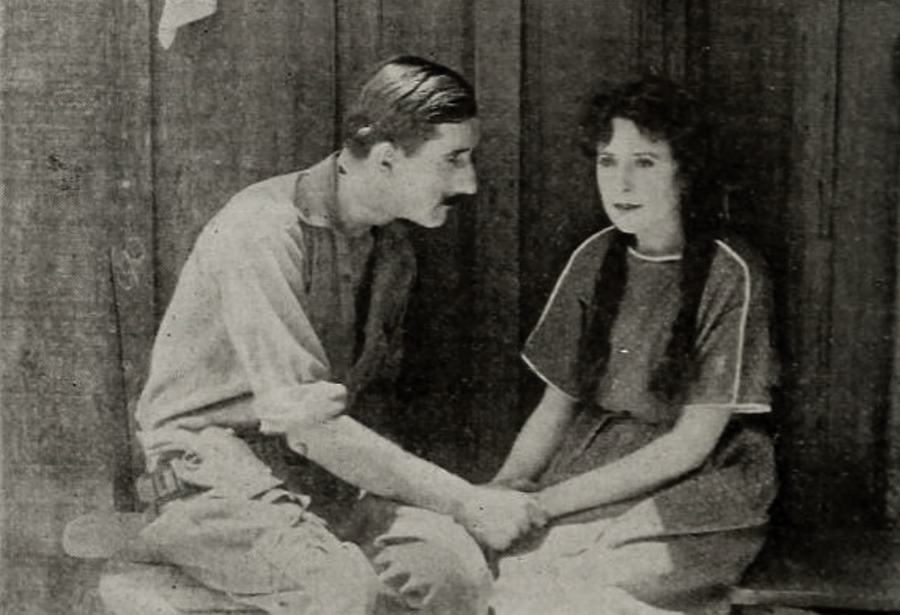
Marshall Neilan, as both writer and director, demonstrates a keen understanding of the silent film medium. The reliance on visual storytelling, exaggerated gestures, and compelling intertitles is expertly handled. The pacing, crucial for maintaining audience engagement in an era without synchronized sound, is well-judged, building tension and releasing it with effective dramatic beats. Neilan, known for his prolific output and diverse range, crafts a cohesive and emotionally resonant narrative here. His ability to elicit powerful performances from his cast is evident throughout, making this film a significant entry in his directorial oeuvre.
The ensemble cast contributes significantly to the film's impact. Mary Charleson, as Helen, carries the emotional weight of her character's journey from discontent to remorse and ultimately, redemption. Her facial expressions and body language eloquently convey her internal turmoil, a hallmark of effective silent film acting. Tom Santschi's Steve Brant is the moral anchor, his stoicism and unwavering love providing a powerful counterpoint to the volatility around him. Charles K. Gerrard's Craig Wells is suitably villainous, his charm a deceptive veneer over a ruthless core. Supporting roles by George Fawcett, Victoria Forde, Will Machin, and Charles Le Moyne further enrich the narrative fabric, each contributing to the vivid portrayal of this frontier community. Their collective efforts ensure that the emotional stakes remain high, even without the benefit of spoken dialogue. This collaborative strength of ensemble acting is something that elevated many films of the era, much like the memorable characterizations found in Beverly of Graustark, where a strong supporting cast fleshed out the world.
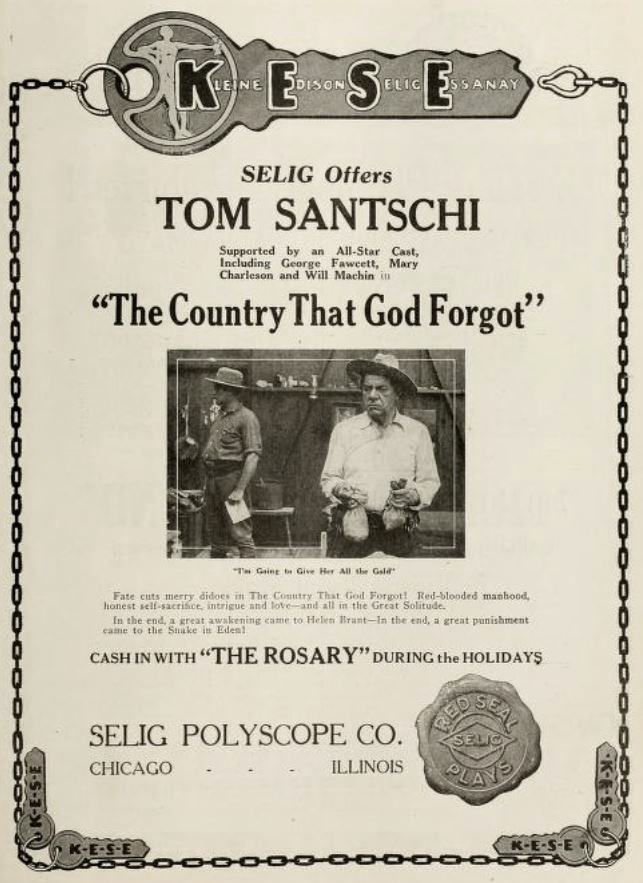
At its heart, The Country That God Forgot is a profound exploration of human relationships under duress. It delves into the nature of loyalty, questioning its limits and celebrating its enduring power. The theme of forgiveness is paramount, particularly in Steve's selfless act of nursing Helen back to health, transcending her betrayal. It's a testament to a love that is not merely romantic but deeply rooted in compassion and an understanding of human fallibility. The film also touches upon the allure of illicit passion versus the quiet strength of marital commitment, a recurring motif in cinema that resonates across different eras, from A Mother's Confession to more contemporary dramas.
Moreover, the setting itself—the titular 'country that God forgot'—is more than just a backdrop; it's a character in its own right. It symbolizes the harshness of the American frontier, where survival often came at a great cost, and where the isolation could breed both desperation and profound resilience. This geographical and psychological isolation amplifies the dramatic tension, making Helen's yearning for escape understandable, even if her chosen path is fraught with peril. The film captures a slice of early 20th-century Americana, reflecting the values, struggles, and moral compass of a society still grappling with the wildness of its own expansion.
When placed alongside other films of its period, The Country That God Forgot stands out for its emotional depth and its unflinching look at the consequences of human choices. Unlike the fantastical elements of something like The Fairylogue and Radio-Plays or the overt social commentary of The Jungle, Neilan's film grounds itself in personal drama and moral quandaries. It shares a thematic kinship with films that explore the complexities of human relationships and the resilience of the spirit, such as Sunday or The Cowardly Way, which similarly delve into character-driven conflicts and their emotional fallout. The film's portrayal of a woman caught between two men, one honorable and one treacherous, is a timeless trope, but here it is handled with a particularly raw authenticity that speaks to the anxieties and moral codes of the era. The accidental shooting, a moment of visceral horror, is a narrative device that was often employed to heighten drama, much like in films such as Under Cover, though here it carries a heavier emotional weight due to its context within a love triangle.
The resolution, with Craig's capture and hanging, while fitting for the morality plays of the time, also highlights the stark legal realities of the period. It’s a punitive justice system, unforgiving and public, serving as a deterrent and a reaffirmation of societal order. This starkness is a characteristic often found in films dealing with crime and punishment from this era, providing a clear moral compass for the audience, a far cry from the nuanced legal dramas that would emerge decades later. The film leaves us not with a sense of triumph, but with a quiet understanding of sacrifice and the enduring, often painful, path to true reconciliation.
The Country That God Forgot, though perhaps not as widely celebrated as some of its contemporaries, remains a powerful piece of silent cinema. Its strengths lie in its compelling narrative, the compelling performances from its cast—Mary Charleson, Tom Santschi, Charles K. Gerrard, George Fawcett, Victoria Forde, Will Machin, and Charles Le Moyne—and Marshall Neilan's assured direction. It speaks to universal themes of love, betrayal, regret, and redemption, all set against a vivid and evocative backdrop. For those interested in the rich tapestry of early filmmaking, this picture offers a deeply satisfying experience, proving that even without spoken dialogue, the human heart's most profound whispers can be heard across the decades.
It's a film that reminds us of the power of a simple story, well told, and the timeless appeal of human drama. The 'country that God forgot' may have been a place of hardship, but within its desolate confines, a powerful story of human endurance and the transformative power of love was forged, leaving an indelible mark on the canvas of cinematic history. This is not just a film to be watched; it is a film to be felt, to be experienced, and to be pondered for its profound insights into the human condition. Its legacy is a testament to the fact that even in an era of nascent technology, the artistry of storytelling could reach truly profound heights, echoing the narrative ambition seen in works like The Heart of Lincoln which sought to capture significant historical and emotional moments.
IMDb —
1918
Community
Log in to comment.