DbcultAccessing Vault...
7/10
Senior Film Conservator
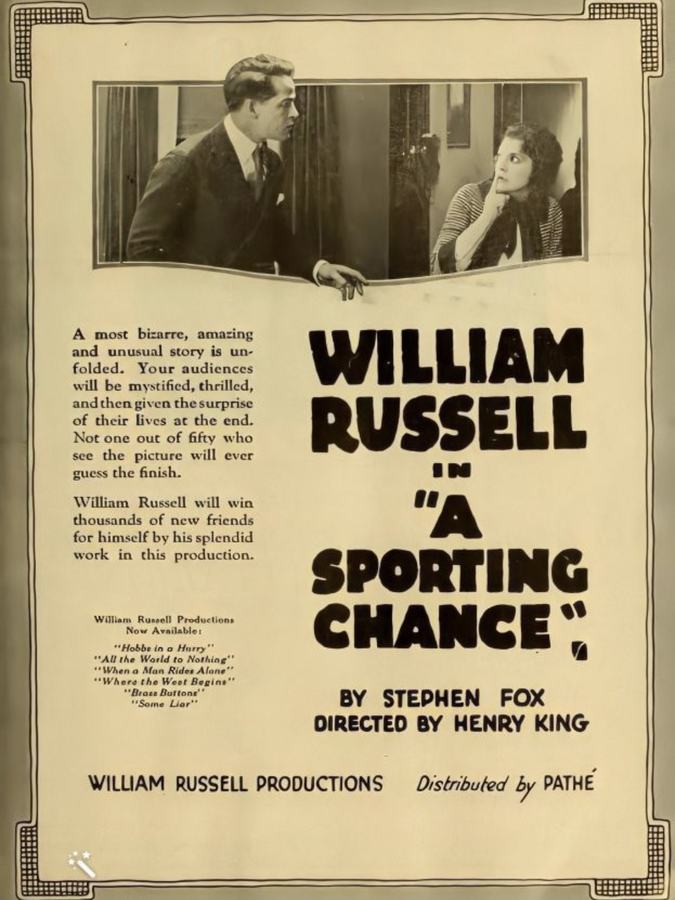
A definitive 7/10 rating for a film that redefined the boundaries of cult cinema. A Sporting Chance remains a cornerstone of transgressive art.
When the silent‑era catalog of American cinema is sifted for titles that combine melodramatic excess with a razor‑sharp commentary on class and desperation, A Sporting Chance (1925) surfaces as a surprisingly sophisticated specimen. Directed by an unnamed visionary of the period, the film weaves together a labyrinthine plot that feels more akin to a modern‑day heist narrative than a relic of the Roaring Twenties.
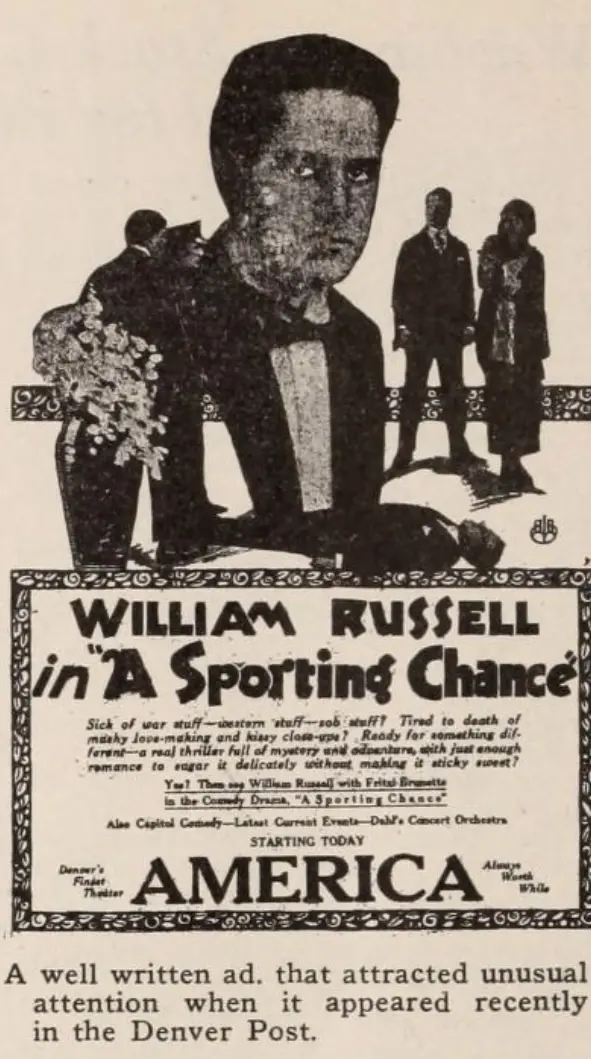
The opening tableau is set in a dimly lit hotel lobby that overlooks the chaotic heart of Times Square. Here, the clerks—portrayed with a blend of bureaucratic indifference and sly opportunism—enforce an absurd rule: no patron may occupy a room unless they first secure the approval of the eccentric millionaire John Stonehouse, played with weary gravitas by William Russell. The mise‑en‑scene is drenched in chiaroscuro; shadows creep along the polished marble, while a solitary brass chandelier sputters, casting a pallid glow that foreshadows the moral ambiguity to follow.
Stonehouse’s arc commences with a fatal misstep: he inadvertently consumes a mysterious toxin, a plot device that instantly transforms his character from aloof aristocrat to a man haunted by mortality. Jules Furthman’s screenplay, renowned for its razor‑thin dialogue even in a silent medium, uses intertitles sparingly, allowing the actor’s anguished expressions to convey the dread of impending death. This choice amplifies the audience’s empathy, positioning Stonehouse as a tragic figure whose desperation becomes the catalyst for the film’s ensuing chaos.
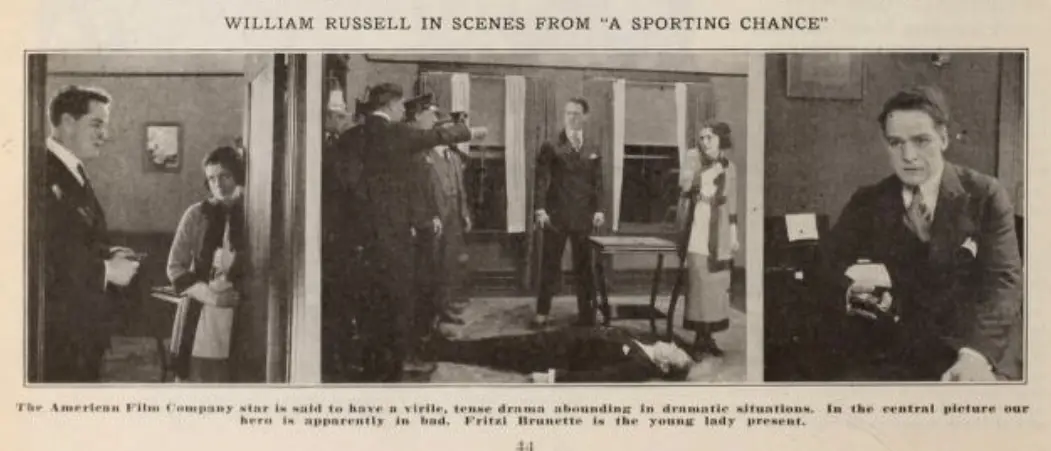
A sudden gunshot shatters the hotel’s hushed monotony, pulling Stonehouse from his self‑inflicted isolation. He discovers Gilberte Bonheur (Fritzi Brunette), a woman of striking poise, cradling the limp body of Aaron Witt (George Periolat). The scene is choreographed with a balletic precision: Gilberte’s trembling hands, the glint of a pistol, the slick sheen of blood on the carpet—all captured in a series of lingering close‑ups that linger long enough for the audience to feel the weight of each breath.
Gilberte’s claim of self‑defence—asserting that Witt attempted to assault her—introduces a classic noir motif: the femme fatale whose motives are perpetually ambiguous. Yet Brunette infuses the role with a subtle vulnerability, hinting at a past marred by blackmail and coercion, rather than the outright malevolence typical of the era’s archetypes.
Stonehouse, already resigned to his fate, offers to assume responsibility for the murder, a decision that simultaneously showcases his self‑sacrificial streak and his yearning for an exit from a life that has become a gilded cage. The audience is left to wonder whether his offer is a genuine act of altruism or a final, desperate gamble to escape his poisoned existence.
In a twist that feels almost operatic, Stonehouse absconds with an emerald—Witt’s blackmail leverage—setting the stage for a cat-and-mouse game that drives the film’s second act. The jewel itself, a vivid green against the film’s muted palette, becomes a visual metaphor for greed, power, and the fragile veneer of respectability.
The hotel’s staff, led by the cunning clerk played by J. Farrell MacDonald, morph into conspirators, each eager to profit from the chaos. Their scheming mirrors the broader societal commentary: a world where the privileged manipulate the vulnerable, and the line between victim and villain blurs beyond recognition. This thematic resonance is reminiscent of the power dynamics explored in The House of Mirth, albeit with a more kinetic energy.
Just when the audience believes the story has reached its inevitable denouement, Witt revives—an unexpected resurgence that injects a fresh surge of tension. His demand for the emerald, or its monetary equivalent, forces Stonehouse into a moral quandary: honor his promise to Gilberte or succumb to the blackmailer's coercion.
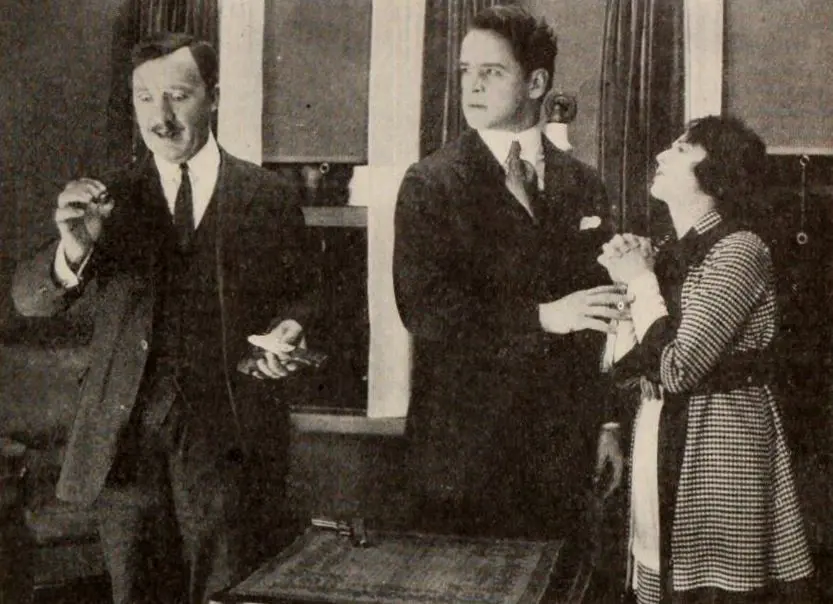
The ensuing exchange—Stonehouse writing a check, Gilberte handing him a theater ticket—functions as a visual shorthand for the transactional nature of human relationships within the film. The ticket, a simple slip of paper, becomes a symbol of redemption, an invitation to a world beyond the hotel’s suffocating walls.
Just as Stonehouse steps onto the streets, his chemist delivers an antidote, curing the poison that had threatened to end his life. This sudden reversal feels almost providential, aligning the character’s physical rebirth with his emotional awakening. He arrives at the theater just as the very drama he fled is being performed onstage—a meta‑theatrical moment that blurs the line between reality and performance.
Backstage, Gilberte confesses that the entire orchestration was a test for a skeptical critic, a daring experiment to prove that such a convoluted plot could, in fact, transpire. This revelation adds a layer of self‑reflexivity that predates the post‑modern sensibilities of later cinema, echoing the self‑aware narrative tricks seen in The Devil's Toy.
William Russell’s portrayal of John Stonehouse is a masterclass in silent‑film acting. His eyes, often narrowed in contemplation, convey a spectrum of emotions—from fatal resignation to a flicker of hope when the antidote is administered. Perry Banks, as the scheming clerk, delivers a subtle yet menacing presence, his gestures tight and calculated, embodying the bureaucratic rot that fuels the film’s conflict.
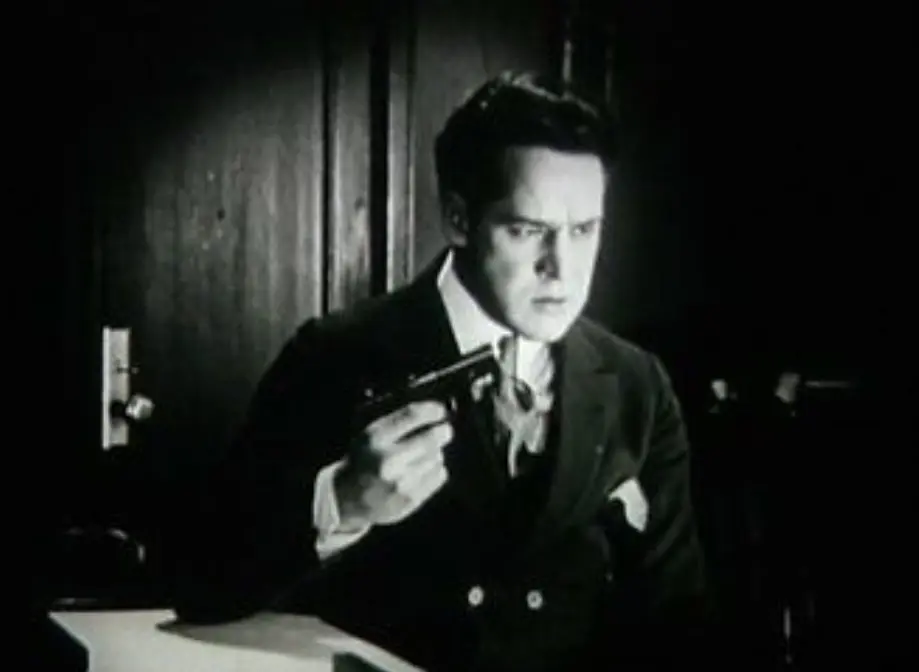
Fritzi Brunette’s Gilberte is perhaps the film’s most layered character. She oscillates between vulnerability and steely resolve, a duality captured through delicate close‑ups that reveal a single tear glistening on her cheek as she explains the ruse to Stonehouse. Her performance anticipates the complexity of later femme fatales such as those in Betrayed (1917).
The cinematographer employs a palette dominated by deep shadows, punctuated by the occasional burst of the emerald’s luminescence. The use of low‑angle shots inside the hotel corridors amplifies the sense of entrapment, while the theater’s opulent interiors are bathed in a warm, amber glow, echoing the film’s thematic transition from darkness to illumination.
The film’s set design is meticulously crafted; the hotel’s revolving door, the cracked marble floor, and the ornate theater curtains all serve as visual metaphors for cycles of deception and revelation.
Furthman’s script adheres to a three‑act structure that feels both classical and daring. The first act establishes the oppressive hierarchy of the hotel and Stonehouse’s poisoned plight. The second act spirals into a web of conspiracies, blackmail, and false confessions, while the third act resolves with a theatrical meta‑commentary that ties the narrative threads together. The pacing is deliberate; each revelation is given breathing room, allowing the audience to fully absorb the stakes before moving forward.
At its core, A Sporting Chance interrogates the illusion of agency in a world governed by wealth and manipulation. Stonehouse’s initial desire to die is subverted by a series of events that compel him to assert control—first by offering to take the blame, then by retrieving the emerald, and finally by confronting his own mortality with the antidote. The film suggests that agency is not a static attribute but a fluid state, constantly renegotiated through choices, both voluntary and coerced.
The hotel itself functions as a micro‑society, mirroring the broader capitalist machinery of 1920s New York. Its clerks, patrons, and the millionaire are all locked in a perpetual dance of power, each trying to outmaneuver the other. This motif aligns with the social critique found in The Way Back, where institutional structures dictate personal destiny.
While A Sporting Chance shares thematic DNA with contemporary works like Sanz y el secreto de su arte—particularly in its exploration of artistic authenticity versus commercial exploitation—the film distinguishes itself through its intricate plotting and its willingness to blur the boundaries between performance and lived experience.
The film’s self‑referential climax also prefigures the narrative playfulness of later titles such as Envy, where characters become aware of their own fictional status. This meta‑awareness elevates A Sporting Chance from a mere genre piece to a precursor of self‑reflexive cinema.
Though largely forgotten in mainstream retrospectives, the film’s daring structure and its commentary on the commodification of human lives resonate with contemporary audiences accustomed to morally ambiguous thrillers. Its influence can be traced in modern narratives that juxtapose crime with theatricality, such as the television series Hannibal or the film Gone Girl.
The preservation status of A Sporting Chance remains precarious; only fragments survive in the Library of Congress archives. Scholars advocate for a full restoration, arguing that its visual and narrative innovations merit a place alongside the era’s canonical works.
In sum, A Sporting Chance is a richly textured artifact that defies its silent‑film constraints to deliver a story brimming with intrigue, moral ambiguity, and a daring meta‑narrative. Its performances, especially those of Russell and Brunette, are compelling; its visual composition is striking; and its thematic concerns—agency, deception, and the performative nature of identity—remain strikingly pertinent. For cinephiles seeking a forgotten gem that bridges early 20th‑century melodrama with the psychological complexity of modern thrillers, this film offers a rewarding, if challenging, viewing experience.
IMDb —
1920
Community
Log in to comment.