DbcultAccessing Vault...
5.2/10
Senior Film Conservator
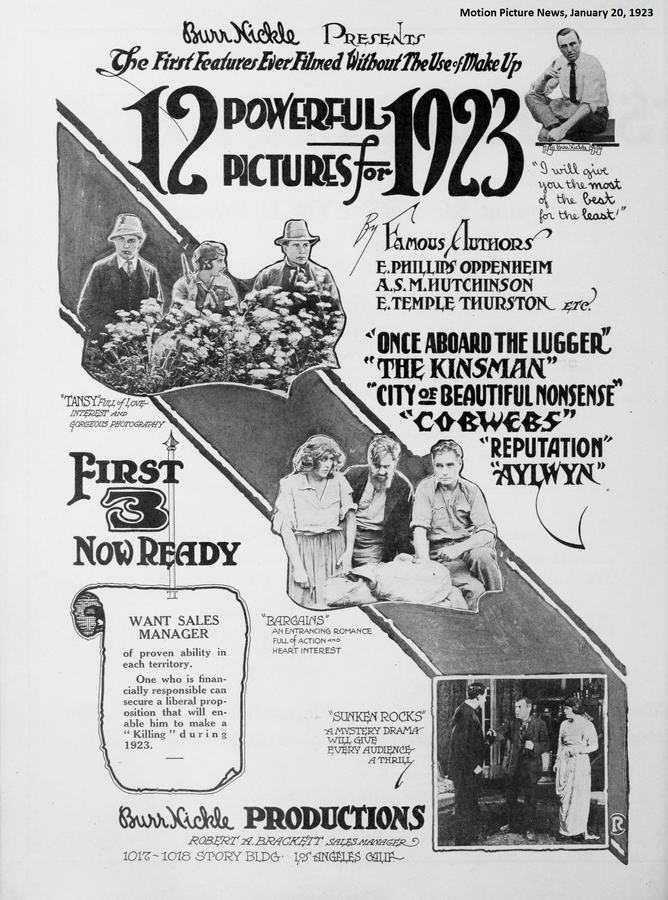
A definitive 5.2/10 rating for a film that redefined the boundaries of cult cinema. The Kinsman remains a cornerstone of transgressive art.
Ah, the silent era! A time when the power of narrative rested solely on visual storytelling, the nuanced expressions of its players, and the evocative strains of a live orchestra. It was a period ripe with experimentation, where filmmakers, unburdened by dialogue, could weave tales of profound human emotion and intricate social commentary. Among the myriad cinematic offerings of this prolific epoch, The Kinsman emerges as a compelling exemplar, a masterful exploration of identity, class, and the perilous allure of reinvention. Directed with a keen eye for dramatic tension and penned by the insightful Mrs. Alfred Sidgwick, this film offers far more than a simple plot; it presents a mirror to societal aspirations and the fragile construct of self.
At its heart, The Kinsman unfurls a narrative so deliciously convoluted, so brimming with ironic twists, that it demands our rapt attention. Imagine, if you will, a life of relentless toil and anonymity, suddenly confronted by an unimaginable escape hatch. This is precisely the predicament of our Cockney protagonist, a man whose existence is defined by the rigid boundaries of his social station. His chance discovery of a drowned gentleman, an uncanny physical double, acts as the catalyst for an audacious gamble. Here is a man, seemingly without a future, presented with the ultimate opportunity for a clean slate, a chance to shed his past like an old skin and don the garments of a privileged life. The sheer audacity of this premise sets the stage for a dramatic tapestry woven with threads of aspiration, fear, and burgeoning desire.
What follows is not merely a simple swap, but a meticulous, nerve-wracking performance. The Cockney, now inhabiting the guise of the deceased gentleman, must navigate a world entirely foreign to him. He must learn the subtle codes of conduct, the unspoken expectations, and the intricate familial relationships that come with his new identity. This is where the film truly shines, showcasing the inherent tension in maintaining a charade, especially one with such high stakes. Every interaction, every gesture, becomes a potential landmine. The film cleverly uses visual cues to highlight the internal struggle and the constant threat of exposure, a device that silent cinema excelled at. The audience is privy to the impostor’s internal machinations, his triumphs, and his near-fatal missteps, creating an immersive experience of vicarious suspense.
The true genius of Mrs. Alfred Sidgwick's screenplay, however, lies in its capacity for dramatic irony. Just as our imposter begins to settle into his stolen life, perhaps even finding genuine affection and belonging, fate delivers its cruelest jest. The 'drowned' gentleman, miraculously saved from the watery depths, returns, but not as a revenant seeking vengeance. Instead, stripped of his memory, he re-enters the narrative as a humble chauffeur, unknowingly serving the man who has usurped his entire existence. This twist elevates the story from a mere tale of impersonation to a profound exploration of identity's malleability and the arbitrary nature of social standing. The original gentleman, now a man of no name and no past, finds himself in a position of servitude, a stark contrast to the life his doppelgänger now enjoys. This juxtaposition is a powerful statement on the superficiality of class distinctions and the profound impact of circumstance.
The success of such a high-concept narrative hinges entirely on the capabilities of its cast, and The Kinsman is fortunate to boast a collection of performers who truly understood the art of silent acting. Chrissie White, a luminous presence on screen, undoubtedly carried much of the emotional weight, portraying a character caught in the gravitational pull of these two intertwined destinies. Her expressive face and subtle gestures would have conveyed volumes, allowing the audience to empathize with her predicament and her evolving affections. James Carew, likely playing one of the central figures in this identity swap, would have faced the formidable challenge of portraying two distinct personalities within one physical form, or perhaps the original gentleman's journey from privilege to amnesia. The duality required here is immense, demanding a delicate balance between outward composure and inner turmoil. Gwynne Herbert, Victor Prout, Judd Green, Bob Russell, Marie Wright, Henry Edwards, John MacAndrews, and Christine Rayner, each in their respective roles, would have contributed to the rich tapestry of supporting characters, grounding the fantastical premise in believable human interactions.
The nuances of silent film acting are often underestimated today. Without dialogue, actors had to master a language of gesture, facial expression, and physicality that could convey complex emotions and motivations. The close-up, a revolutionary technique of the era, became an indispensable tool, allowing audiences to connect intimately with the characters' inner worlds. One can only imagine the tension conveyed through a lingering gaze, a hesitant touch, or a sudden, panicked movement as the impostor navigates his new reality. The chemistry between Chrissie White and her leading man would have been paramount, driving the romantic subplot that inevitably complicates the web of deceit.
Behind this compelling narrative stands Mrs. Alfred Sidgwick, the writer whose imaginative prowess crafted such an intricate plot. Her ability to conceive of such a layered story, one that explores profound themes of class mobility, identity formation, and the unpredictable hand of fate, speaks volumes about her talent. In an era where many films relied on simpler morality tales or adventure narratives, Sidgwick’s work demonstrates a sophisticated understanding of human psychology and societal structures. Her screenplay for The Kinsman transcends mere entertainment, inviting viewers to ponder deeper questions about what truly defines a person: their birthright, their memories, or their actions. This level of thematic depth is what elevates silent films from fleeting spectacles to enduring works of art. Her contribution places The Kinsman among works that challenged audiences, much like the social commentary found in films such as As Ye Sow, which often delved into the moral dilemmas and societal issues of its time.
The core themes explored in The Kinsman—identity, class, and deception—are timeless. The film deftly illustrates the fluidity of identity, suggesting that who we are is not solely determined by our birth or our past, but also by the roles we are forced or choose to play. The Cockney's transformation is not just a superficial change of clothes; it's an internal struggle to embody a new persona, to learn a new way of being. Conversely, the original gentleman's loss of memory strips him of his former identity, reducing him to a blank slate, a testament to how profoundly our past shapes our present. This intricate dance between assumed and lost identities provides fertile ground for dramatic exploration, reminiscent of other films that play with perception and reality, such as Bond of Fear, where psychological suspense often revolves around who a character truly is.
Class conflict is another prominent thread woven throughout the narrative. The stark contrast between the Cockney's original station and the gentleman's privileged world highlights the rigid social hierarchies of the era. The film implicitly critiques these divisions by showing how easily one can cross the boundary, albeit through illicit means, and how arbitrary these distinctions can seem when stripped of memory. The impostor's initial motivations, likely driven by a desire for a better life, resonate with universal human aspirations, even if the methods are morally ambiguous. This socio-economic commentary, while visually communicated, would have struck a chord with contemporary audiences, much like the social fabric examined in films such as The Scarlet Road, which often explored the darker underbelly of society.
The enduring appeal of films like The Kinsman lies in their ability to tell a compelling story without the crutch of spoken dialogue. This forced creativity often led to more visually inventive storytelling, relying on powerful imagery, expressive performances, and intricate plotting. The film would have been accompanied by a live musical score, which, tailored to the on-screen action, would have intensified the emotional impact, guiding the audience through moments of suspense, romance, and revelation. The absence of a fixed soundtrack meant that each viewing experience could be subtly different, a unique collaboration between the film and its accompanying musicians. This dynamic element is something modern cinema, with its fixed scores, can rarely replicate.
Comparing The Kinsman to other silent films of its time reveals its particular strengths. While a film like Captain of the Gray Horse Troop might have focused on grand adventure and spectacle, or The Venus Model on romantic comedy, The Kinsman carves out its niche in the realm of psychological drama and social commentary. Its intricate plot and character-driven conflicts set it apart, demanding a more engaged and interpretive viewing experience from its audience. The film's ability to maintain suspense and emotional depth throughout its runtime, relying purely on visual cues and the power of suggestion, is a testament to the skill of its creators.
The resolution of such a tangled web of deceit would have been a fascinating spectacle. How does the truth ultimately emerge? What are the consequences for the impostor, for the unwitting chauffeur, and for those who have been unwittingly drawn into their drama? The narrative promises a climax fraught with tension, where secrets are laid bare and identities are reaffirmed or irrevocably altered. Whether the ending leans towards tragedy, poetic justice, or a more ambiguous conclusion, it would undoubtedly leave a lasting impression, forcing viewers to ponder the moral implications of the choices made by its characters. This kind of moral ambiguity and complex character development is often found in more mature silent dramas, distinguishing them from simpler fare. Films like The Grip of Jealousy, for instance, often explored the darker facets of human emotion, much like the intense personal stakes at play in The Kinsman.
In conclusion, The Kinsman stands as a powerful testament to the artistry and storytelling prowess of the silent film era. Its audacious plot, rich with dramatic irony and profound thematic undertones, would have captivated audiences of its time and continues to intrigue those who appreciate the nuances of early cinema. The film's exploration of identity, class, and the consequences of deception remains as relevant today as it was during its initial release. Through the compelling performances of Chrissie White, James Carew, and the supporting cast, guided by the insightful pen of Mrs. Alfred Sidgwick, The Kinsman offers a richly rewarding cinematic experience. It is a film that reminds us that true artistry transcends spoken words, finding its voice in the language of light, shadow, and the enduring power of the human story. For aficionados of classic cinema, especially those with an appreciation for intricate narratives and profound character studies, seeking out The Kinsman would be a truly worthwhile endeavor, offering a glimpse into a period of filmmaking that, despite its silence, spoke volumes.
IMDb —
1925
Community
Log in to comment.