DbcultAccessing Vault...
6/10
Senior Film Conservator
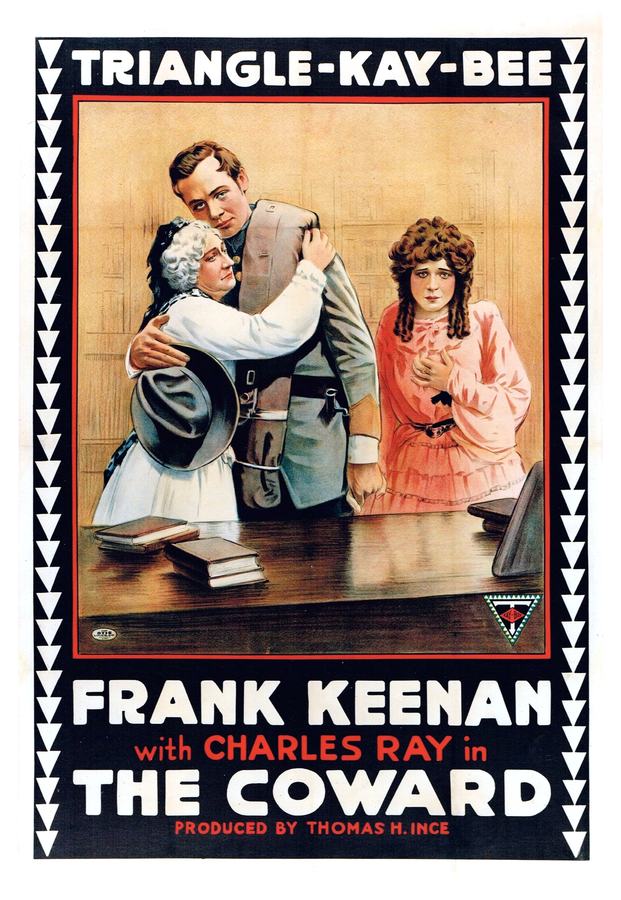
A definitive 6/10 rating for a film that redefined the boundaries of cult cinema. The Coward remains a cornerstone of transgressive art.
The cinematic landscape of the early 20th century, often viewed through the sepia-toned lens of historical distance, rarely offered such an unflinching gaze into the human psyche amidst conflict as Thomas H. Ince's 1915 masterwork, The Coward. This isn't merely a Civil War drama; it's a profound character study, a stark psychological portrait of a man grappling with his deepest fears and the unexpected stirrings of conscience. At its core lies Frank Winslow, portrayed with remarkable nuance by Charles Ray, a young Confederate soldier whose spirit is fundamentally unsuited for the brutal exigencies of war. His terror isn't merely a fleeting emotion; it’s a visceral, all-consuming force that drives him from the battlefield, a decision that, while ignominious, sets the stage for a truly compelling exploration of human frailty and the elusive nature of heroism.
From the outset, Ince eschews grand declarations of patriotism or jingoistic fervor, choosing instead to focus on the individual's desperate struggle for survival. Frank Winslow isn't introduced as a villain or a traitor, but as a young man overwhelmed, his sensibilities utterly ravaged by the horrifying reality of combat. The film masterfully conveys the crushing weight of fear, not as a moral failing but as an almost physiological response to unimaginable stress. Ray’s performance is pivotal here; he doesn't just act scared, he embodies a profound, soul-deep dread that resonates long after his initial flight. This depiction of cowardice is startlingly empathetic, particularly for a film produced during an era when such themes might easily be reduced to simplistic moralizing. It forces the audience to confront the uncomfortable truth that bravery is not merely the absence of fear, but often the triumph over it, a triumph that, for Frank, seems an insurmountable mountain.
The narrative’s initial thrust is Winslow's desperate desertion. He flees the bloodshed, the screams, the relentless, deafening thunder of cannon fire, seeking an escape from the unbearable psychological burden. This act of self-preservation, however, doesn't lead to peace. Instead, it propels him into a far more complex predicament. His journey behind enemy lines isn't a deliberate act of espionage but a consequence of his flight, a cruel twist of fate that transforms his personal retreat into a strategic advantage, albeit one he is initially too terrified to seize. This accidental discovery of vital enemy intelligence places him at a crossroads, forcing a confrontation not with Union soldiers, but with his own moral compass. It's a brilliant narrative device that elevates the story beyond a simple war tale, turning it into a deeply personal ethical dilemma. The historical context of 1915, with Europe already embroiled in the Great War, likely amplified the film's resonance, as audiences grappled with real-time questions of courage, duty, and the devastating impact of conflict on the individual spirit.
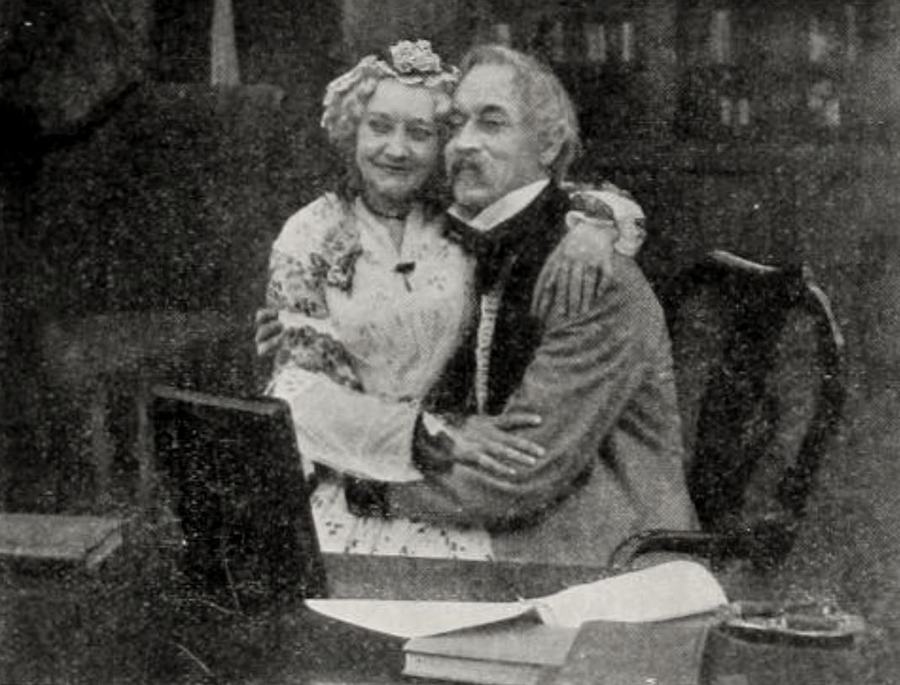
The true genius of The Coward lies in its meticulous portrayal of Frank Winslow’s internal struggle once he possesses the critical information. It’s no longer about escaping the immediate danger of battle, but about the profound responsibility that suddenly rests upon his shoulders. The film subtly illustrates the dawning realization that his personal terror, while valid, pales in comparison to the potential devastation his silence could unleash upon his comrades and his cause. This is where Charles Ray truly shines, conveying the agonizing torment of a man torn between the primal urge for self-preservation and an burgeoning sense of duty. His eyes, his body language, betray the silent war raging within, a conflict far more compelling than any external skirmish. It echoes, in a way, the internal moral quandaries seen in later films about individuals caught between self-interest and a greater good, though perhaps less overtly political than something like A Change of Heart, which might explore shifts in personal conviction. Ray's ability to communicate such profound internal conflict without dialogue, relying on subtle shifts in posture, the flicker of an eye, or a trembling hand, is a masterclass in silent film acting, setting a benchmark for expressive performance.
Ince, as director, masterfully builds this tension without relying on overt melodrama. He understands that the most powerful drama often unfolds in the quiet moments of decision, in the subtle shifts of expression, in the palpable weight of an unspoken choice. The supporting cast, while not always given extensive screen time, contribute effectively to the atmosphere. Gertrude Claire, as Frank's mother, provides a poignant counterpoint, representing the domestic anxieties and hopes that stand in stark contrast to the brutal realities of war. Her presence, even in brief scenes, anchors Frank's internal struggle to something larger than himself – the potential shame he brings upon his family, the love he might betray. This familial connection adds another layer to his burgeoning conscience, making his eventual decision even more impactful. The interplay of these elements demonstrates Ince's sophisticated understanding of character motivation and the emotional impact of societal and familial pressures.
The climax of The Coward is not a grand battle sequence, but Frank Winslow's agonizing decision to act. It's a testament to Ince's storytelling prowess that the most heroic act is not one of physical prowess, but of moral courage. His return to the Confederate lines, fraught with peril and the potential for court-martial, is a journey of redemption, not just for his comrades but for his own fractured sense of self. This isn't a sudden, miraculous transformation; it’s a hard-won victory over ingrained fear, a testament to the idea that even the most timid soul can find strength when faced with an inescapable moral imperative. The film suggests that true bravery isn't an inherent trait, but a choice, often made under the most dire circumstances. This theme resonates powerfully, offering a message of hope and the potential for moral growth even in the bleakest of situations. The narrative subverts traditional war hero tropes, presenting a protagonist whose valor emerges not from martial skill but from a profound ethical awakening.
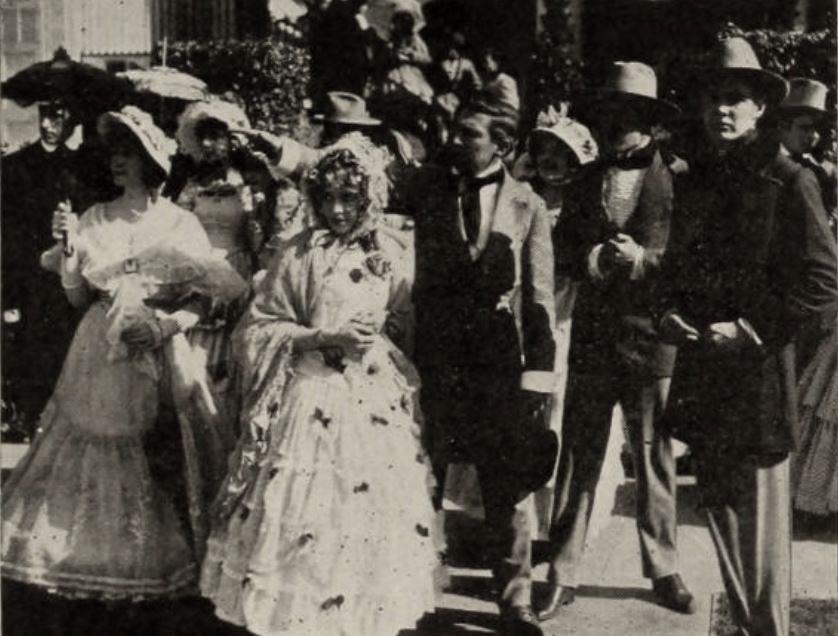
Comparing this internal struggle to other films of the era reveals Ince's forward-thinking approach. While a film like The Avenging Conscience: or 'Thou Shalt Not Kill' delves into psychological torment, it often does so through a more gothic, allegorical lens, exploring guilt in a more abstract, almost supernatural way. The Coward, by contrast, grounds its psychological drama in the very real, very human context of war, making Frank's internal battle feel acutely tangible and relatable. The film avoids simplistic answers, acknowledging the profound difficulty of his choice. It doesn't glorify war, nor does it condemn Frank outright for his initial fear. Instead, it explores the messy, complex reality of human nature under duress, offering a more nuanced perspective than many contemporaries. This willingness to explore moral ambiguity in such an early film is a testament to its artistic ambition.
Thomas H. Ince's directorial hand is evident throughout, shaping The Coward into a compelling narrative that maximizes the capabilities of silent cinema. His use of visual storytelling, cross-cutting, and carefully composed shots ensures that character motivations and emotional states are conveyed with clarity and impact, even without spoken dialogue. The film's pacing, though deliberate, never lags, maintaining a steady build of tension that culminates in Frank's decisive action. Ince understood the power of the frame, often using close-ups to emphasize Ray's internal turmoil, allowing the audience to witness the subtle shifts in his resolve. This meticulous attention to detail in direction set a high standard for filmmaking, demonstrating how psychological depth could be achieved through purely visual means. He employed techniques like parallel editing to show the impending battle juxtaposed with Frank's internal anguish, intensifying the dramatic stakes.
The film’s aesthetic, while constrained by the technology of its time, still manages to evoke the harsh realities of the Civil War without resorting to gratuitous spectacle. The battle scenes, though brief, are chaotic and disorienting, designed to convey Frank's subjective experience of terror rather than providing a detached, panoramic view of conflict. This focus on individual experience over grand-scale warfare is a hallmark of Ince's approach, distinguishing The Coward from more epic, but perhaps less personal, war narratives. It's a testament to his vision that the film's emotional core remains so potent, even a century later. One might even see parallels to the way character-driven narratives, rather than spectacle, define the core emotional journey in films like Help Wanted, though their thematic concerns diverge significantly. Ince’s innovative use of continuity editing and detailed set design further immerse the viewer, making the world of 1860s America feel authentic and immediate.
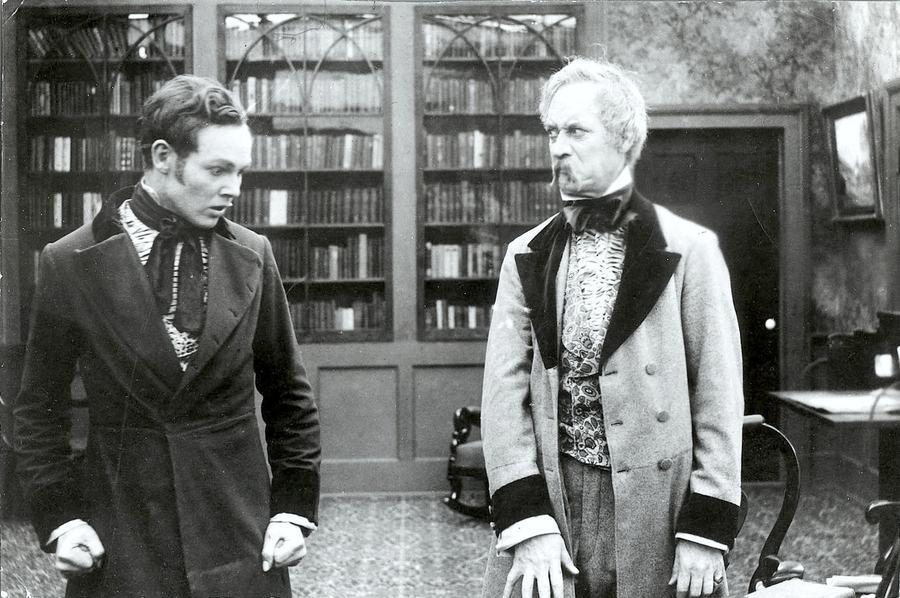
While Charles Ray’s performance as Frank Winslow is undeniably the anchor of the film, the supporting cast, under Ince's guidance, contributes significantly to its texture and emotional resonance. Frank Keenan, though perhaps in a smaller role, brings a gravitas that grounds the military setting, while figures like Patricia Palmer and John Gilbert, even in their early careers, add depth to the human element surrounding Frank's journey. Minnie Devereaux, for instance, provides a glimpse into the lives of those affected by the war from a civilian perspective, broadening the film’s scope without distracting from its central character. These performances, though often understated by modern standards, were instrumental in conveying the social and emotional landscape of the era, offering glimpses into the collective anxieties and hopes that defined a nation at war.
The collective portrayal of the Confederate soldiers, for example, is not monolithic. There are hints of camaraderie, weariness, and grim determination, creating a believable backdrop against which Frank’s individual crisis unfolds. This ensemble work, even in its brevity, ensures that Frank’s desertion and subsequent redemption are not isolated events but deeply embedded within a larger social fabric. It's a reminder that even in a highly character-focused narrative, the world around the protagonist matters, influencing their choices and reactions. The dynamic between Frank and his fellow soldiers, though largely unspoken, carries significant weight, amplifying the moral stakes of his actions. The subtle interactions and reactions from figures like Nick Cogley and Charles K. French, though fleeting, add layers to the perceived judgment and expectation that Frank must contend with.
Over a century since its release, The Coward retains a remarkable power and relevance. Its exploration of fear, duty, and redemption transcends its historical setting, speaking to universal human experiences. It challenges simplistic definitions of heroism, suggesting that the most profound acts of courage often stem not from an absence of fear, but from the willingness to confront it, to overcome it for a greater purpose. The film's nuanced portrayal of Frank Winslow, a character who is neither wholly heroic nor purely villainous, allows for a deeper engagement with the complexities of moral decision-making. It posits that courage is not a fixed state but a dynamic process, a choice made in the face of overwhelming odds.
Thomas H. Ince’s directorial vision, combined with Charles Ray’s compelling performance, crafts a narrative that is both historically specific and universally resonant. It’s a powerful reminder that the human cost of war extends far beyond the physical casualties, delving into the psychological scars and moral quandaries that define individual experience. The Coward stands as a significant early example of character-driven psychological drama, demonstrating the silent film era's capacity for profound emotional depth and sophisticated storytelling. It’s a film that compels introspection, inviting viewers to ponder their own capacities for courage and conscience when faced with the ultimate test. Its enduring legacy lies not just in its historical significance, but in its timeless examination of what it truly means to be human in the crucible of conflict.
This film, much like a finely aged wine, offers complexities that reveal themselves with repeated viewings. The intricate dance between fear and duty, the subtle shifts in Frank’s demeanor, and the stark visual poetry of Ince’s direction all contribute to a rich tapestry. It remains a compelling watch for anyone interested in the evolution of cinematic narrative, the psychological dimensions of war, or simply the enduring power of a well-told story about the human spirit’s capacity for transformation. In an age often saturated with bombastic spectacle, The Coward reminds us that the most impactful stories often unfold within the quiet, tumultuous chambers of the human heart. Its bold decision to humanize a 'coward' and elevate his internal struggle to the forefront of the narrative was a pioneering move, cementing its place as an essential piece of early American cinema that continues to provoke thought and discussion about the true nature of courage.
IMDb —
1919
Community
Log in to comment.