DbcultAccessing Vault...
Cult Review
Senior Film Conservator
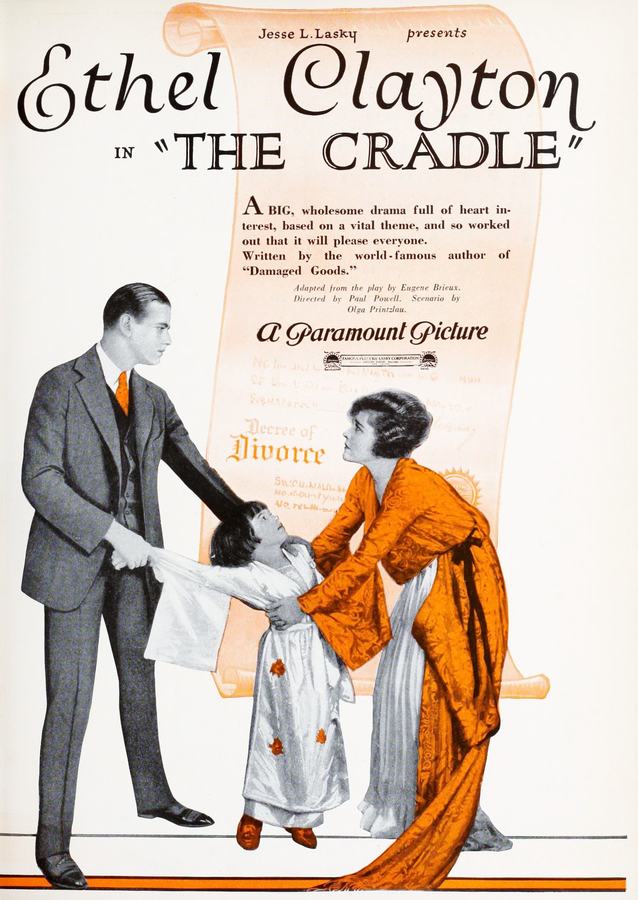
The Cradle rocks like a funeral gondola across the black river of post-WWI domestic anxiety, its lullabies sharpened into shivs.
Frank Lloyd's 1922 curio—adapted from Eugène Brieux's scalpel-sharp stage piece—opens on Dr. Robert Harvey (Charles Meredith) dissecting a cadaver of debts instead of flesh. Surgical lamps flicker; his fountain pen hemorrhages red ink across unpaid invoices. Enter Lola Forbes (Anna Lehr), a satin-draped neurasthenic whose bedroom eyes gleam with the predatory patience of a spider sizing up a fly that’s already bankrupt. One house-call later, the doctor’s stethoscope is coiled around her wrist like a bracelet of surrender.
What follows is not seduction but liquidation.
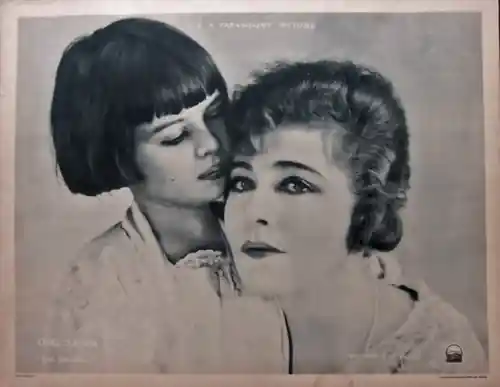
Margaret Harvey (Ethel Clayton)—all moth-wing cheekbones and swallowed retorts—watches from the periphery as gossip acid-etches her social circle. The film’s intertitles, letter-pressed with Puritan fire, announce: “A whisper can fracture granite.” Divorce papers arrive like death certificates; Doris, their flaxen-haired child played by Mary Jane Irving, becomes a parcel to be divided, six months per parent, hearts split like season tickets.
Webster, the replacement husband (Walter McGrail), embodies the era’s obsession with male proprietorship: he measures affection in square footage and views the girl’s laughter as an infestation. Meanwhile, Lola’s Pekinese—powdered, beribboned—rides elevators like canine royalty while Doris is banished to servant quarters. The dog’s screen time is minuscule yet totemic: a furry barometer of moral rot.
Lloyd’s camera, usually chained to proscenium logic, occasionally breaks free. In one proto-handheld moment, it tilts down the staircase as Lola’s slap ricochets against Doris’s cheek—a vertical plunge into domestic Hades. The absence of synchronized sound amplifies the blow; we hear it in the marrow. Cue orchestral sting, celluloid shudder.
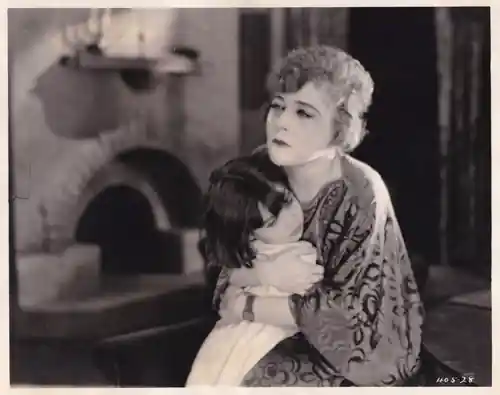
Illness arrives like a redeemer in white—scarlet fever painting the child’s face the same hue as the doctor’s earlier debts.
Harvey’s frantic carriage ride through fog-thick streets feels cribbed from Dreyer’s future The Martyrdom of Philip Strong, yet predates it by a decade. The cross-cutting between the girl’s burning brow and Lola powdering her nose beside a cold cream jar is Eisensteinian before Eisenstein. When Harvey lays Doris on Margaret’s doorstep, the shot-reverse-shot exchanges between ex-spouses last mere seconds but detonate like grenades: guilt, lust, fatigue—every wrinkle visible in merciless close-up.
Reunion is neither embrace nor epiphany but exhaustion. The final tableau—parents kneeling beside the convalescent child—offers no sunrise, only a neutral-toned dawn that suggests marriage resumed out of attrition rather than love. The cradle, rocked too violently, now stands still, its mahogany scarred.
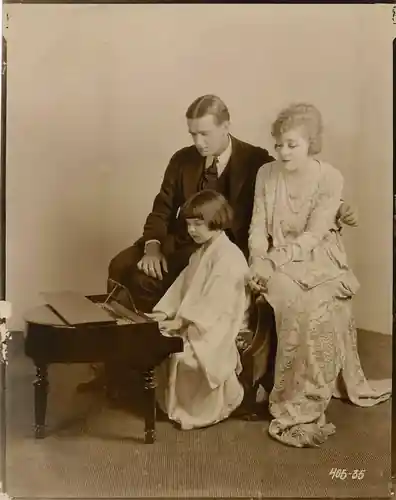
Compared to Shall We Forgive Her? or The Winchester Woman, Lloyd’s film dials down the moral hysteria yet amplifies class schadenfreude. Lola’s eventual exit—sans retribution—feels startlingly modern, as if the movie concedes that some predators simply move on to fresh prey.
Performances oscillate between Victorian declamation and something eerily naturalistic.
Meredith’s Harvey carries the slump of a man discovering that ethics are a luxury item; Clayton’s Margaret speaks entire dissertations with the tremor of a chin. Lehr, meanwhile, weaponizes flirtation like a sniper—every eyelash a loaded chamber. The child actor Irving sidesteps cloying pathos; her silent sobs feel excavated, not performed.
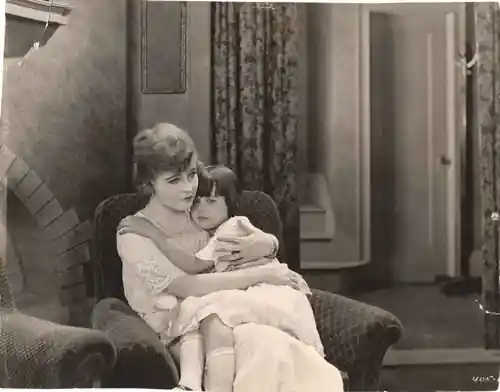
Cinematographer Henry Waxman (unconfirmed but probable) bathes drawing rooms in chiaroscuro that anticipates The Branding Iron’s noir shadows. Candlelight licks faces with carnivorous glee, while exterior night scenes glow sodium-orange, prefiguring late-40s urban crime thrillers. The print’s surviving tinting—amber for interiors, cerulean for exteriors—heightens emotional temperature without the crutch of dialogue.
Script adapters Olga Printzlau and an uncredited Brieux trim the Frenchman’s sociological sermonizing, leaving arrow-sharp characterizations. Intertitles flirt with poetry: “She bartered her bruises for pearls.” Yet the film never succumbs to the Symbolist swamp that drowns Christophe Colomb. Every flourish serves the narrative guillotine.
Contemporary critics of 1922 praised the picture’s “unflinching realism,” though box-office returns were modest; suburban audiences preferred the escapist Arabian daze of Atlantis. Today, viewed through the lens of 21st-century custody battles, The Cradle feels prophetic. Its thesis: children are the last collateral in a credit economy of affection.
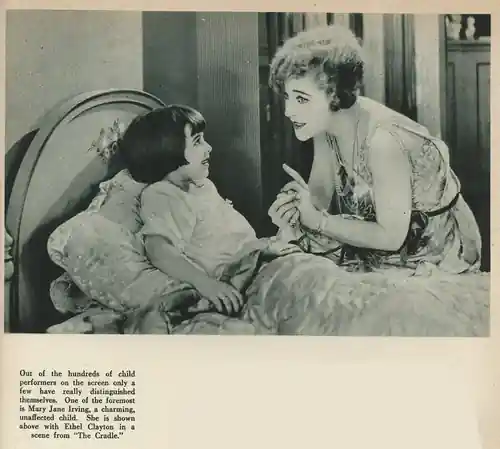
Restoration-wise, the 2018 4K scan by Eye Filmmuseum reveals cigarette burns that look like stigmata.
Gelatin scratches dance across Lola’s cheekbones like phantom tears. The electric piano score commissioned for the Blu-ray—composed by Maud Nelissen—leans into tango rhythms, underscoring the transactional tango between bodies and banknotes. Purists may miss a full orchestra, but the minimalist approach mirrors the film’s fiscal despair.
Scholars often strand The Cradle in the purgatory of “transitional melodrama,” yet its DNA splices through later works. The custody split prefigures the wrenching handovers in Kramer vs. Kramer; the canine surrogate child echoes the lapdog obsession in Kitsch (2002). Even the scarlet fever climax finds an echo in contemporary contagion horror, though here illness is salvation, not apocalypse.
If the film has a flaw, it’s the hurry toward redemption.
A scant two minutes of runtime suffice to dissolve two marriages and rekindle one. The rapidity feels less like narrative economy than censorship appeasement—Hays wasn’t yet emperor, but moral guardians still demanded penance. One wishes for an alternate cut where Lola lingers, predatory and unrepentant, a la Dead Eye Jeff’s sharpshooting femme. Yet the enforced forgiveness lands precisely because it feels coerced, mirroring real-world reconciliations brokered over sleeping children.
Ultimately, The Cradle endures as a cautionary triptych: of wallets hollowed, of vows liquefied, of innocents trafficked between warring affections. It asks whether love can be repossessed once foreclosed, and—more unnervingly—whether the children we scar will one day rock us in the same cradle we splintered. The film offers no balm, only a shiver, and the echo of a lullaby crooned off-key.
—scroll credits, lamp fades, night thickens—
IMDb 5.7
1937
Community
Log in to comment.