DbcultAccessing Vault...
6/10
Senior Film Conservator
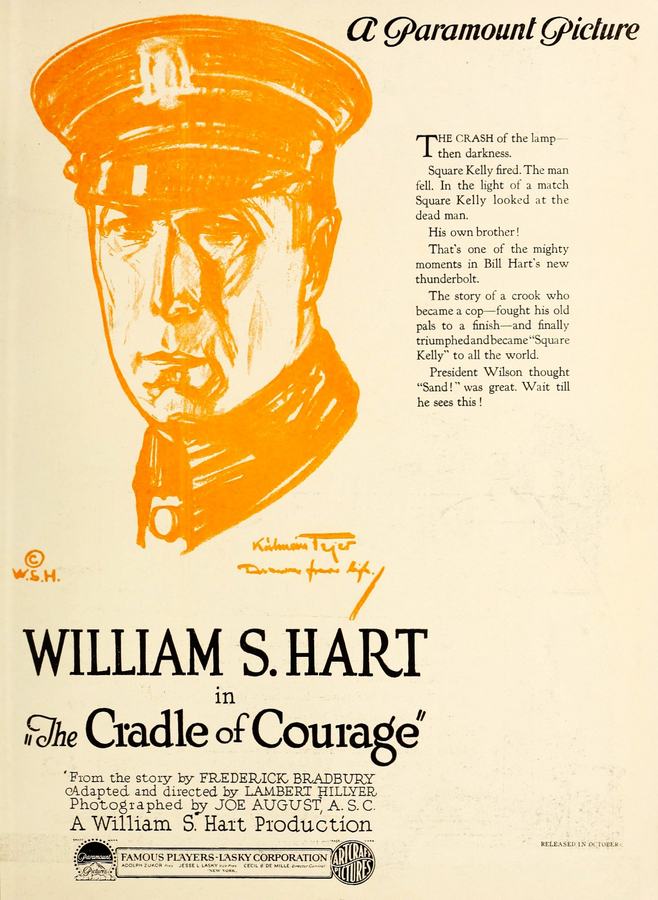
A definitive 6/10 rating for a film that redefined the boundaries of cult cinema. The Cradle of Courage remains a cornerstone of transgressive art.
In the annals of early cinema, few figures commanded the screen with the stoic gravitas of William S. Hart. His very presence was a testament to a bygone era of rugged individualism, a cinematic embodiment of the American frontier spirit, even when that frontier was the moral landscape of a man grappling with his past. 1918's The Cradle of Courage stands as a compelling exemplar of Hart's unique artistry, a silent film that speaks volumes about redemption, duty, and the indelible marks left by both crime and conflict. Directed by Lambert Hillyer and penned by Hillyer himself alongside Frederick Bradbury, this picture transcends its simplistic plot outline to deliver a nuanced exploration of character transformation, a hallmark of Hart's most memorable works. It's a journey not just from one side of the law to the other, but from a life defined by transgression to one striving for rectitude, a metamorphosis catalyzed by the crucible of global warfare.
William S. Hart, with his gaunt features, piercing eyes, and an innate ability to convey profound interiority through subtle gestures, was more than just an actor; he was a persona. His characters, often outlaws or men on the fringes of society, possessed an inherent moral compass, however buried, that eventually guided them towards a higher purpose. In The Cradle of Courage, he embodies 'Square' Kelly, a moniker that ironically belies his crooked past, yet hints at a fundamental integrity beneath the surface. Hart’s portrayal is a masterclass in understated pathos. We witness Kelly’s pre-war existence, not as a caricature of villainy, but as a man operating within a defined, albeit illicit, code. His movements are deliberate, his expressions etched with a weary wisdom that suggests a soul already burdened long before the war. This foundation is crucial, for it makes his subsequent transformation not a sudden, unbelievable shift, but a gradual unfolding of an inherent decency, awakened by extraordinary circumstances. The sheer magnetic force of Hart's performance ensures that Kelly’s struggle feels profoundly personal and universally resonant, a testament to the power of silent acting to communicate complex emotional states without a single spoken word. His ability to convey internal conflict—the pull of old loyalties versus new obligations—is what elevates this film beyond a mere crime drama into a meditation on the human spirit's capacity for change.
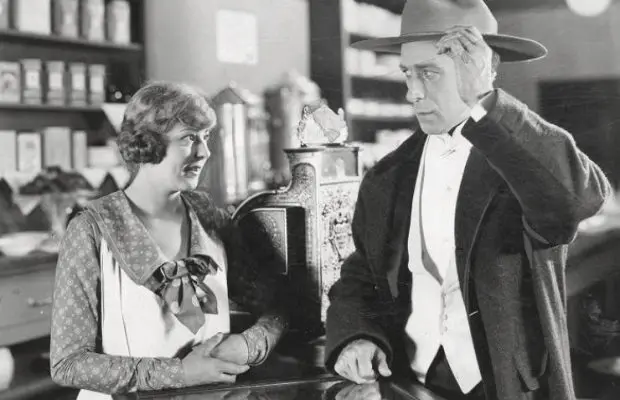
The narrative’s pivotal turning point arrives with the First World War, an event that serves as more than just a plot device; it is the veritable forge in which Kelly’s character is remade. The trenches, with their stark realities of life and death, camaraderie and sacrifice, strip away the veneer of his criminal identity. Here, in the face of indiscriminate peril and the shared humanity of soldiers, the 'squareness' of his character begins to manifest in an entirely new context. He fights not for personal gain, but for a collective ideal, for his comrades, and for a cause far grander than any petty heist. This experience instills in him a profound sense of duty and a newfound respect for law and order, born from the disciplined chaos of military life. Upon his return to civilian life, the world he once knew seems alien, his old ways irrevocably severed. It is a war buddy, recognizing the nascent honor within Kelly, who extends the invitation to join the police force. This act of faith is crucial, offering Kelly a legitimate path to channel his innate resilience and formidable street smarts for the betterment of society. The film brilliantly captures the psychological shift, illustrating how the crucible of war can, for some, become a path to moral reckoning and profound personal evolution. This theme of a drastic life change instigated by external forces, though not always war, echoes in other narratives of the era, such as in A gyónás szentsége, where characters grapple with spiritual or moral transformations, albeit through different means.
The dramatic core of The Cradle of Courage ignites when Kelly, now a uniformed officer, finds himself patrolling the very streets that once defined his criminal domain. The irony is palpable, the tension expertly crafted. His new beat inevitably leads him into direct confrontation with the shadowy remnants of his former syndicate – the faces, the haunts, the illicit operations that were once his bread and butter. This isn't just a physical conflict; it's a deeply psychological and moral one. The film plunges Kelly into an ethical quagmire, forcing him to choose between the ingrained loyalties of his past and the solemn oath of his present. He understands the machinations of these criminals intimately, their strengths and vulnerabilities, their codes and their cruelties, because he was once one of them. This insider knowledge becomes both his greatest asset and his most profound burden. The film masterfully portrays the anguish of this internal struggle, as Kelly navigates a world where former friends are now adversaries, and every decision carries the weight of betrayal, either of his old self or his new ideals. The palpable sense of danger is amplified by the emotional stakes, making each encounter a tightrope walk over an abyss of personal history. This kind of intense moral dilemma, where a protagonist is forced to confront their past allegiances, is a powerful narrative engine, often seen in films exploring the complexities of identity and duty, much like the challenging choices faced by characters in dramas such as The Devil's Daughter, where moral boundaries are constantly tested.
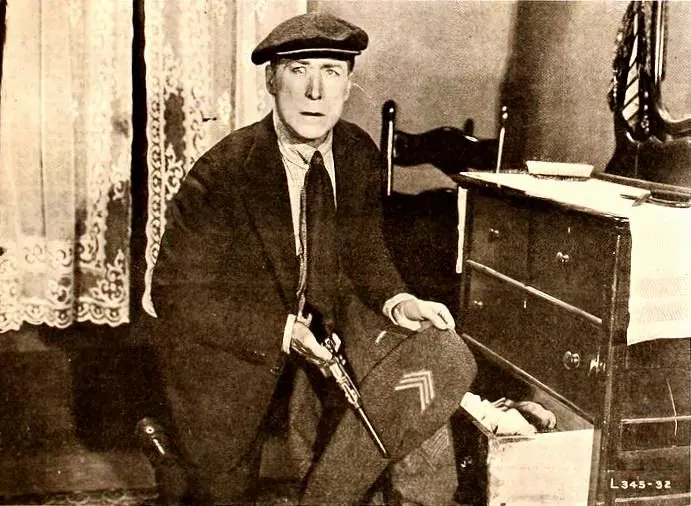
While William S. Hart undeniably anchors The Cradle of Courage with his formidable presence, the film's impact is significantly enhanced by a robust supporting cast who flesh out Kelly’s world. Tom Santschi, a frequent collaborator with Hart, brings a rugged authenticity to his role, likely as the loyal comrade who inspires Kelly's transformation, or perhaps as a formidable antagonist from his past. Santschi's strong, often imposing screen presence provides a compelling foil to Hart's more introspective intensity. Gertrude Claire, a veteran character actress, delivers a performance imbued with a quiet strength, often portraying maternal or stoic figures who ground the narrative in emotional realism. Her ability to convey warmth or disapproval with a mere glance would have been invaluable in a silent film. Frank Thorwald and Abraham Schwartz contribute to the rogues' gallery, providing the necessary menace and familiarity that makes Kelly’s confrontation with his past so potent. Ann Little, a dynamic presence in silent Westerns and action films, likely injects a spark of vitality, perhaps as a love interest or a catalyst for certain plot developments. Barbara Bedford, another notable actress of the era, and Ruth Feldman, along with George Williams, complete the ensemble, each adding texture and depth to the intricate tapestry of Kelly’s world, ensuring that the supporting characters are more than mere background players but integral cogs in the narrative’s emotional machinery. Their collective efforts create a believable environment against which Hart's central drama unfolds, proving that even in a star vehicle, the strength of the whole is paramount.
Lambert Hillyer, at the helm of The Cradle of Courage, demonstrates a keen understanding of silent film aesthetics and the nuances of character-driven drama. His direction is precise, utilizing stark compositions and well-timed close-ups to emphasize emotional beats without relying on intertitles for every sentiment. Hillyer allows Hart’s expressiveness and physicality to carry much of the narrative weight, a testament to his trust in his leading man’s abilities. The pacing, crucial for silent films, is expertly managed, building tension gradually from Kelly’s return to his inevitable clash with his former associates. Frederick Bradbury, contributing to the screenplay alongside Hillyer, crafts a narrative that is both straightforward in its premise and complex in its moral implications. The story avoids gratuitous melodrama, opting instead for a gritty realism that resonates with the post-WWI audience. The writers meticulously lay the groundwork for Kelly’s transformation, ensuring that his journey from 'Square' Kelly the crook to Kelly the cop feels earned and believable. They understand the power of internal conflict, making the external confrontations merely manifestations of Kelly’s deeper, personal battle. The script’s strength lies in its ability to humanize all its characters, even the antagonists, by portraying them as products of their environment, thereby deepening Kelly's dilemma. This careful construction of character and plot is paramount in creating a compelling experience, much like the intricate social commentaries found in films such as Social Ambition, where character motivations and societal pressures drive the narrative forward with considerable force.
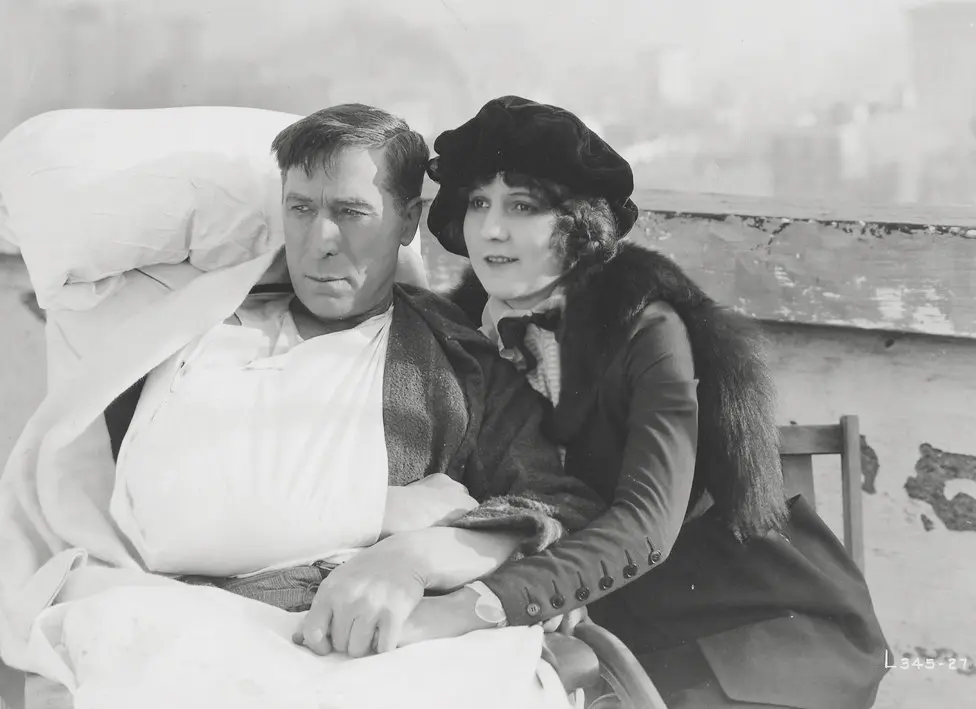
In the absence of spoken dialogue, the visual language of The Cradle of Courage becomes paramount, and Hillyer’s direction, combined with the cinematography, excels in this domain. The film employs a dynamic range of shots to convey both the sweeping scope of war and the intimate struggles of a man’s soul. Wide shots establish the grim reality of the battlefields and the bustling, often unforgiving, urban landscape Kelly returns to. These panoramic views create a sense of scale, contrasting the individual's journey against larger societal backdrops. Conversely, close-ups are utilized with surgical precision, zooming in on Hart’s face to capture the flicker of doubt, the resolve of duty, or the pang of recognition when confronting an old accomplice. These moments are crucial, allowing the audience to intimately connect with Kelly’s internal world, bypassing the need for explanatory intertitles. The use of shadow and light, a staple of early cinema, is particularly effective in delineating moral ambiguity and the clandestine nature of Kelly's past. Dimly lit alleys and smoky interiors evoke the underworld, while the stark, bright light of police stations or open streets symbolizes his new path. The action sequences, particularly those involving the confrontation with his old gang, are staged with clarity and kinetic energy, ensuring that the audience remains engaged despite the lack of sound. Every gesture, every facial expression, every movement is choreographed to advance the narrative and deepen character understanding, making the film a powerful example of how silent cinema could achieve profound dramatic impact through purely visual means. The visual narrative here is as compelling as any modern film, relying on artistic composition and the power of human expression, a skill also evident in other visually driven narratives of the period like Los misterios de Barcelona, which often used its setting to enhance the dramatic atmosphere.
At its philosophical core, The Cradle of Courage is an eloquent treatise on redemption and the unyielding demands of duty. Kelly’s journey is not merely a change of profession; it is a profound moral recalibration, a conscious decision to shed a lifetime of wrongdoing for a path of righteousness. This theme resonates deeply, suggesting that even the most entrenched past can be overcome through genuine effort and a commitment to civic responsibility. The war, in this context, acts as a purgatorial experience, cleansing Kelly of his former sins and offering him a blank slate, albeit one that is quickly complicated by the reappearance of his past. The film also explores the intricate concept of duty – not just the duty to one's country in wartime, but the personal duty to oneself and to society. Kelly’s oath as a policeman is a sacred trust, one that pits him directly against the powerful pull of old loyalties and the unspoken codes of the underworld. This internal conflict highlights the immense psychological burden of his transformation, making his ultimate triumph all the more meaningful. The weight of the past is a pervasive undercurrent, illustrating how one's history, whether criminal or otherwise, continuously shapes present choices and future possibilities. The film subtly argues that true courage lies not just in facing external threats, but in confronting and overcoming the shadows of one's own history. It's a powerful statement on the human capacity for moral evolution, a topic often explored in films that delve into characters' difficult choices and transformations, much like the ethical quandaries presented in Should She Obey?, albeit through a different lens of societal expectation and personal conviction.
Released in 1918, The Cradle of Courage is deeply embedded in the historical context of a nation grappling with the aftermath of the First World War. American soldiers, like 'Square' Kelly, were returning home from the horrors of the trenches, often profoundly changed by their experiences. The film taps into the collective consciousness of a society trying to reintegrate its veterans, many of whom carried unseen scars and newfound perspectives. The narrative reflects a broader societal desire for order and moral rectitude in the wake of such a cataclysmic global conflict. It speaks to the ideal of rehabilitation and the belief that even those with a checkered past could find a place in a reformed society, particularly if they had served their country with honor. The film’s portrayal of the criminal underworld also offers a glimpse into the social anxieties of the era – the lingering problems of urban crime and the challenges faced by law enforcement. Furthermore, the very concept of a former crook joining the police force would have resonated with audiences grappling with questions of identity, loyalty, and the evolving definitions of heroism. This was a period of significant social and technological change, and cinema, still in its relative infancy, served as a powerful mirror reflecting these societal shifts and aspirations. The film is not just a story of one man; it is a microcosm of a nation in transition, grappling with its past and striving towards a new future. Such depictions of societal transitions and personal struggles within a larger historical framework were common, as seen in films like Alsace, which also explored the impact of war on individual lives and national identity.
More than a century after its release, The Cradle of Courage retains its captivating power, a testament to its timeless themes and the magnetic performance of William S. Hart. It stands as a significant artifact of silent cinema, showcasing the sophisticated storytelling and emotional depth achievable without spoken dialogue. The film’s exploration of redemption, duty, and the complex interplay between a man’s past and his aspirations for a better future remains profoundly relevant. It reminds us that character is often forged in the fires of adversity, and that true courage lies in the willingness to confront one's own demons, even when they wear the familiar faces of former comrades. For admirers of classic cinema, and particularly for those fascinated by the unique artistry of William S. Hart, this film is an essential viewing experience. It's a journey into the heart of a man caught between two worlds, struggling to reconcile his identity with his destiny. The narrative structure, the compelling central performance, and the nuanced thematic explorations ensure its place as a minor masterpiece, demonstrating that even in the nascent years of film, profound human dramas could be told with immense skill and lasting impact. It offers not just entertainment, but a window into the moral fabric of a bygone era, proving that tales of personal transformation and the pursuit of justice resonate across generations, much like other enduring narratives of struggle and triumph such as Melting Millions, which also delved into characters navigating significant life changes.
In conclusion, The Cradle of Courage is far more than a historical curiosity; it is a vibrant, emotionally charged drama that continues to speak to the enduring human struggle for self-improvement and moral clarity. Its narrative deftly weaves together the personal and the societal, presenting a compelling portrait of a man reborn, yet perpetually haunted by the echoes of his former life. Hart’s performance is a masterclass in silent stoicism, rendering Kelly’s internal turmoil with an authenticity that transcends the medium. This film is a powerful reminder of cinema's early capacity to explore complex human experiences with depth and nuance, making it a valuable piece of cinematic heritage that deserves continued appreciation.
IMDb —
1919
Community
Log in to comment.