DbcultAccessing Vault...
Cult Review
Senior Film Conservator
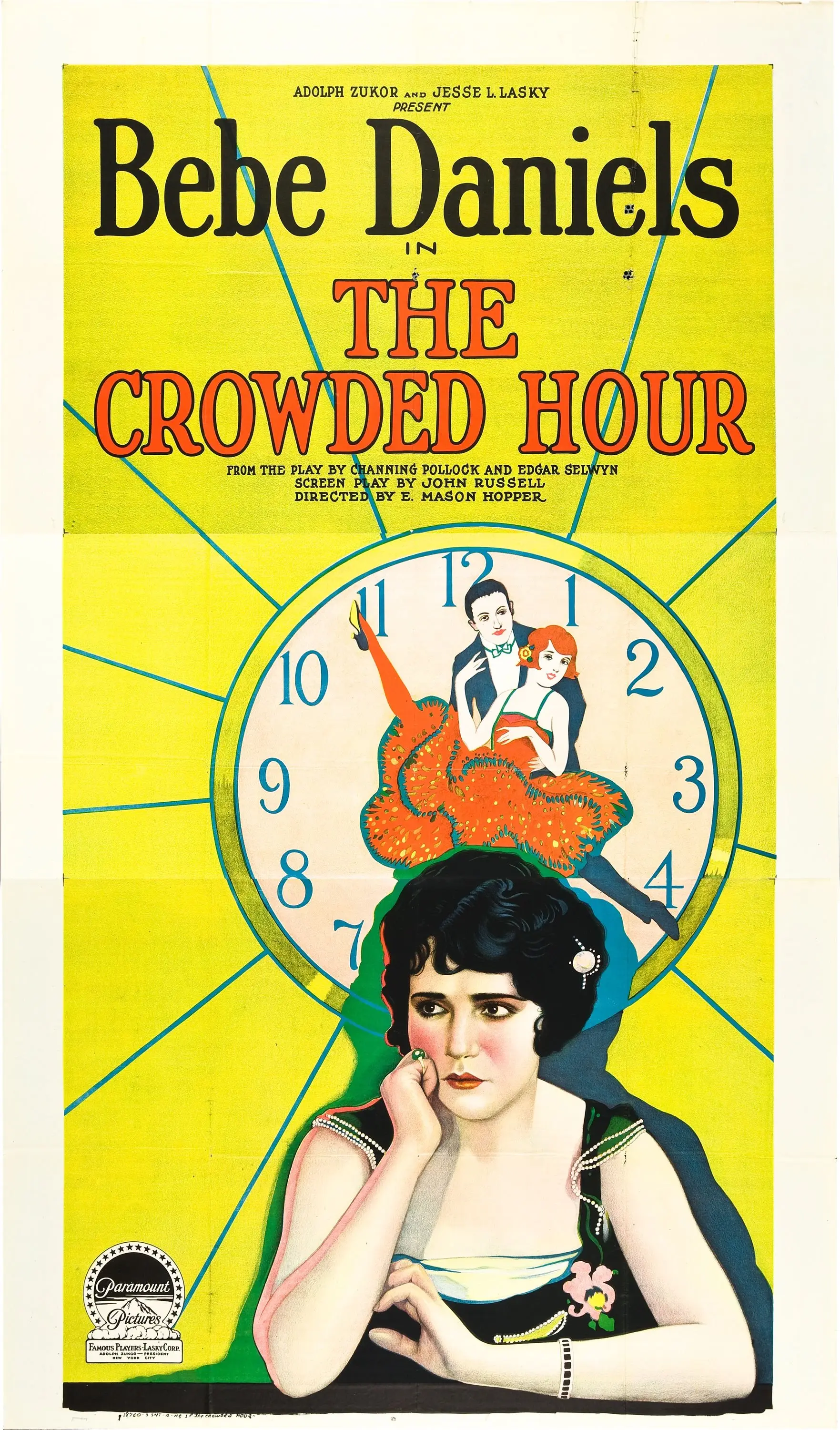
Is 'The Crowded Hour' worth watching today? Short answer: yes, but with significant caveats that demand a specific kind of viewer. This 1925 silent film is a fascinating, if sometimes uneven, exploration of love, duty, and sacrifice against the backdrop of the First World War. It’s certainly for those who appreciate the dramatic flair and moral complexities of early cinema, and particularly for fans of Bebe Daniels’ commanding screen presence. However, if you're seeking fast-paced action or strictly linear narratives, this might feel like a crowded hour in the wrong way.
The film asks its audience to engage with a level of theatricality and emotional grandiosity that was commonplace in its era but can feel overwrought to modern sensibilities. Yet, beneath the melodrama, there's a surprising depth to its central ethical quandary. It’s a film that lingers, provoking thought long after the final title card fades.
At its heart, The Crowded Hour is a story of impossible choices and the profound impact of war on personal lives. We begin with Peggy, a spirited telephone operator, whose accidental foray into Bowery amateur theatrics with Matt Wilde captures the attention of Billy Laidlaw. Laidlaw, a man of considerable influence, is genuinely captivated by Peggy’s raw talent and quickly orchestrates her ascent to Broadway. This rapid rise to fame is paralleled by an equally swift, passionate romance between Peggy and Billy, a whirlwind of mutual affection that seems destined for a storybook ending.
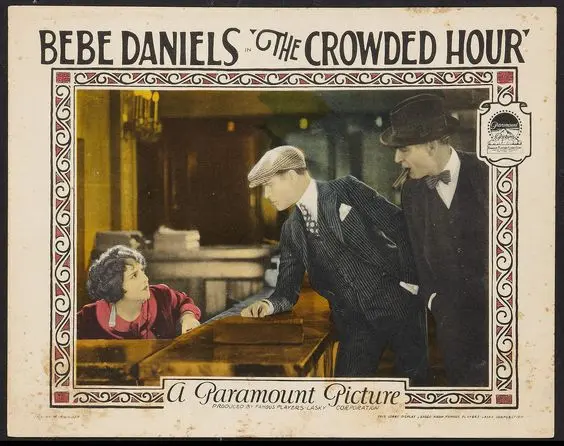
But history intervenes. The Great War erupts, initially a distant rumble, until it strikes home with devastating force for Billy. The death of his younger brother in action shatters his complacency, transforming him from an indifferent observer into a fervent patriot. He enlists immediately, a decision that irrevocably alters the course of his and Peggy’s lives. This shift from personal ambition to national duty is a common trope of the era, but here it feels particularly sharp, almost a sudden, violent wrenching away of individual happiness.
The narrative then splinters, following Peggy to France, where she joins the Red Cross, driven by a desperate hope to be near Billy. In a compelling layer of complexity, Billy’s wife, Grace Laidlaw, also makes her way to the front, working with the Y.M.C.A. This creates a deeply uncomfortable, yet dramatically rich, love triangle, or perhaps more accurately, a triangle of shared concern and unspoken rivalry, all under the shadow of war. The film brilliantly uses the backdrop of the war not just as scenery, but as an active force, shaping destinies and forcing characters into roles they never anticipated.
The climax arrives with Billy’s mission to destroy an ammunition dump. Peggy, through a twist of fate and the chaos of war, learns of his recall after he has already departed. With communication lines down, she volunteers for the perilous task of finding him. This leads to the film’s most gut-wrenching moment: Peggy must choose between Billy’s life and the lives of an entire battalion. Her decision, a heartbreaking act of self-sacrifice for the greater good, leaves her temporarily blinded. It’s a moment of profound moral weight, handled with a theatricality that nonetheless conveys genuine anguish.
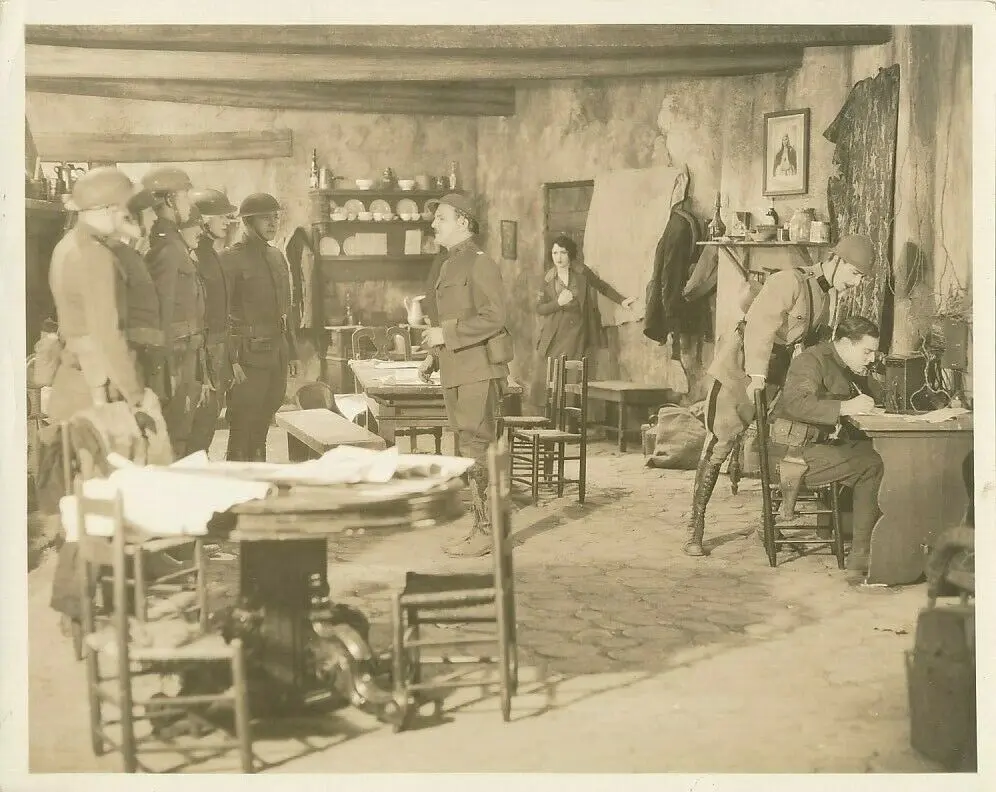
The aftermath sees Grace nursing Peggy, forging an unexpected bond of sympathy and mutual respect. The final act, with Billy’s miraculous, unharmed return, presents Peggy with one last, equally difficult choice. Witnessing Grace’s devotion and understanding the deeper implications of her own love, Peggy makes the ultimate sacrifice: she sends Billy back to his wife, choosing their happiness over her own. It’s a denouement that leans heavily into the melodramatic, yet it underscores the film’s persistent theme of selflessness in the face of overwhelming circumstance.
This film works because of its willingness to tackle a profoundly difficult moral dilemma head-on, forcing its protagonist into an impossible choice that resonates beyond its silent era trappings. The central conflict, while heightened by melodrama, explores themes of duty, love, and sacrifice with a surprising depth that feels relevant even today.
This film fails because its pacing can be uneven, and some of the supporting performances feel less developed, leaving the emotional weight almost entirely on Bebe Daniels’ shoulders. Furthermore, the rapid shifts in tone, from lighthearted romance to grim wartime tragedy, can be jarring, occasionally undermining the film’s dramatic impact.
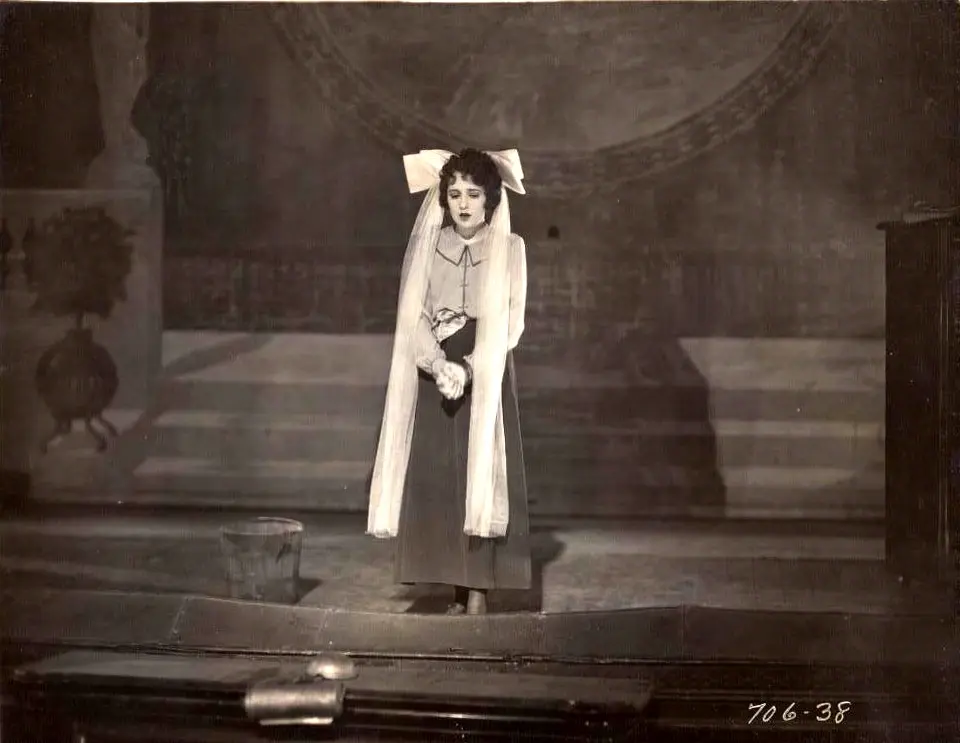
You should watch it if you are a cinephile interested in silent era dramas, particularly those exploring complex moral questions and the impact of WWI on personal lives. It’s also a must-see for fans of Bebe Daniels and those who appreciate the theatrical sensibilities of early 20th-century filmmaking.
Bebe Daniels, as Peggy, is undeniably the radiant core of The Crowded Hour. Her performance is a masterclass in silent film acting, conveying a vast spectrum of emotions without uttering a single word. From the initial vivacity of the Bowery performer to the agonizing torment of her wartime choices, Daniels commands the screen with a magnetic presence. Her expressiveness, particularly in the scenes of her blindness and ultimate sacrifice, is genuinely moving, preventing the melodrama from tipping into outright farce. She carries the emotional weight of the entire film, a testament to her star power.
Kenneth Harlan, as Billy Laidlaw, provides a solid, if somewhat less nuanced, portrayal of the conflicted lover and patriot. He embodies the dashing leading man archetype well, but his character's internal struggle, particularly regarding his initial indifference to the war and subsequent enlistment, feels less explored than Peggy’s journey. There are moments where his character's motivations feel less like organic development and more like plot necessities. However, his chemistry with Daniels is palpable, grounding their romance in a believable, if tragically fated, attraction.
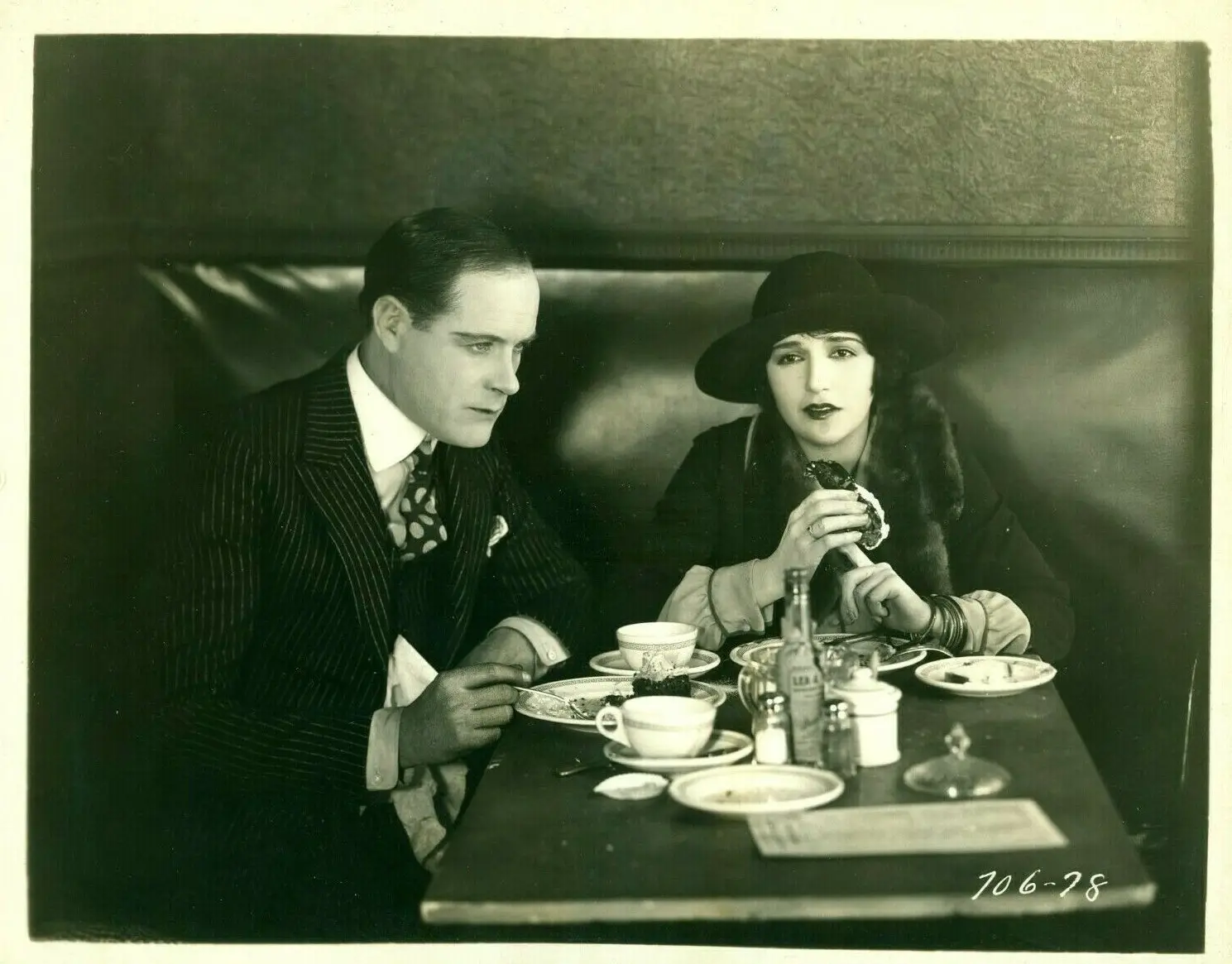
Alice Chapin, as Grace Laidlaw, Billy’s wife, has a challenging role. She could easily have been a one-dimensional antagonist in a typical love triangle, but the film allows her moments of quiet dignity and genuine compassion. Her scenes with Peggy, particularly when she nurses her back to health, are surprisingly tender and elevate the film beyond simple romantic rivalry. Chapin manages to convey Grace’s underlying pain and strength, making her a sympathetic figure rather than just an obstacle.
While the director's name isn't prominently lauded in modern discourse surrounding this film, the visual storytelling of The Crowded Hour is distinctly of its period, blending theatricality with emerging cinematic techniques. There’s a certain grandiosity in the staging of the Broadway scenes and the chaotic depiction of the war front, both attempting to convey scale with the technology available. The use of close-ups is effective, particularly in capturing Daniels’ emotive face during crucial dramatic turns.
However, the film’s visual language can also feel somewhat conventional, lacking the innovative flourishes seen in some of its contemporaries like F.W. Murnau’s The Tigress or even the more experimental works of the Soviet montage school. The cinematography, while competent, doesn't always elevate the material beyond its stage origins. It serves the narrative, rather than pushing the boundaries of visual expression. The war scenes, for instance, convey the horror through dramatic lighting and set pieces, but without the gritty realism that would come to define later war films. It’s a film that leans on its actors and its narrative rather than groundbreaking visual artistry.
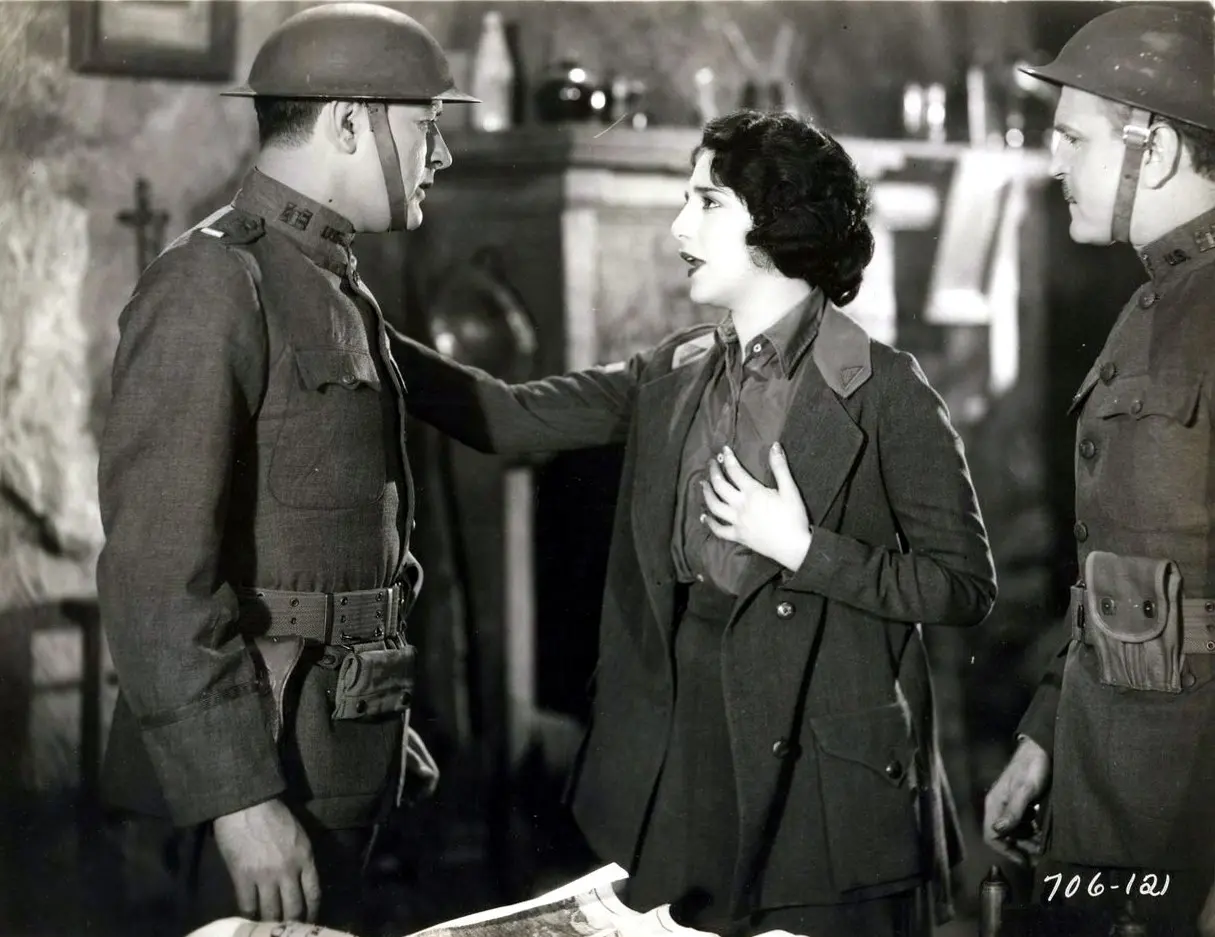
The pacing of The Crowded Hour is a fascinating study in early cinema's narrative rhythms. The first act, detailing Peggy's rise to fame and her romance with Billy, moves with a brisk, almost giddy energy. The Bowery amateur night, the swift Broadway debut, and the blossoming love affair unfold with a charming, if somewhat rushed, momentum. This establishes a buoyant, romantic tone that makes the subsequent descent into wartime drama all the more impactful.
Once the war breaks out and Billy enlists, the tone shifts dramatically, becoming heavier, more somber, and laden with a sense of impending doom. The pacing slows down, allowing the audience to dwell on the moral quandaries and the personal sacrifices. This tonal whiplash, while effective in highlighting the sudden intrusion of global conflict into individual lives, can sometimes feel a little disorienting. One moment you're watching a frothy romance, the next you're in the trenches of moral anguish. It’s a bold choice, but one that occasionally strains credulity, particularly in how quickly characters adapt to the extreme circumstances.
A brutally simple truth: The film works. But it’s flawed. Its ambition sometimes outstrips its execution, yet its central dilemma is undeniably powerful.
Yes, 'The Crowded Hour' is worth watching for specific audiences. It offers a rare glimpse into how complex moral themes were handled in the silent era. It features a standout performance from Bebe Daniels. The film presents a compelling wartime drama. However, be prepared for a slower pace and period-specific melodrama. It is not for those seeking modern action or realism.
What truly sets The Crowded Hour apart from many silent melodramas isn't just the love triangle, but its audacious embrace of selflessness as the ultimate narrative resolution. Most films of the era, especially those featuring a romantic rivalry, would strive for a clear 'winner' or a tragic, definitive loss. Here, Peggy’s final act – sending Billy back to Grace – isn't portrayed as a defeat, but as a profound triumph of character. It’s a surprising choice, one that elevates the film beyond typical romantic drama into a more philosophical exploration of love, duty, and the ultimate good. This unconventional ending, where the 'heroine' voluntarily steps aside for the happiness of others, is a bold and enduring statement that gives the film a unique, almost spiritual, resonance.
The Crowded Hour is more than just a historical curiosity; it’s a compelling, if imperfect, piece of early cinema that bravely confronts difficult moral questions. While its pacing and some of its more melodramatic flourishes might test the patience of modern audiences, the sheer power of its central dilemma and Bebe Daniels' captivating performance make it a worthwhile watch for discerning viewers. It’s a film that demands engagement, asking us to consider the true cost of war and the profound, sometimes painful, nature of love and sacrifice. It’s not a flawless classic, but it possesses a unique emotional gravitas that sets it apart. It’s a film that resonates not because it’s perfect, but because it’s profoundly human in its struggle with impossible choices. Go in with an open mind, and you might find yourself deeply moved by its understated, yet powerful, conclusion.
IMDb —
1920
Community
Log in to comment.