DbcultAccessing Vault...
6.7/10
Senior Film Conservator
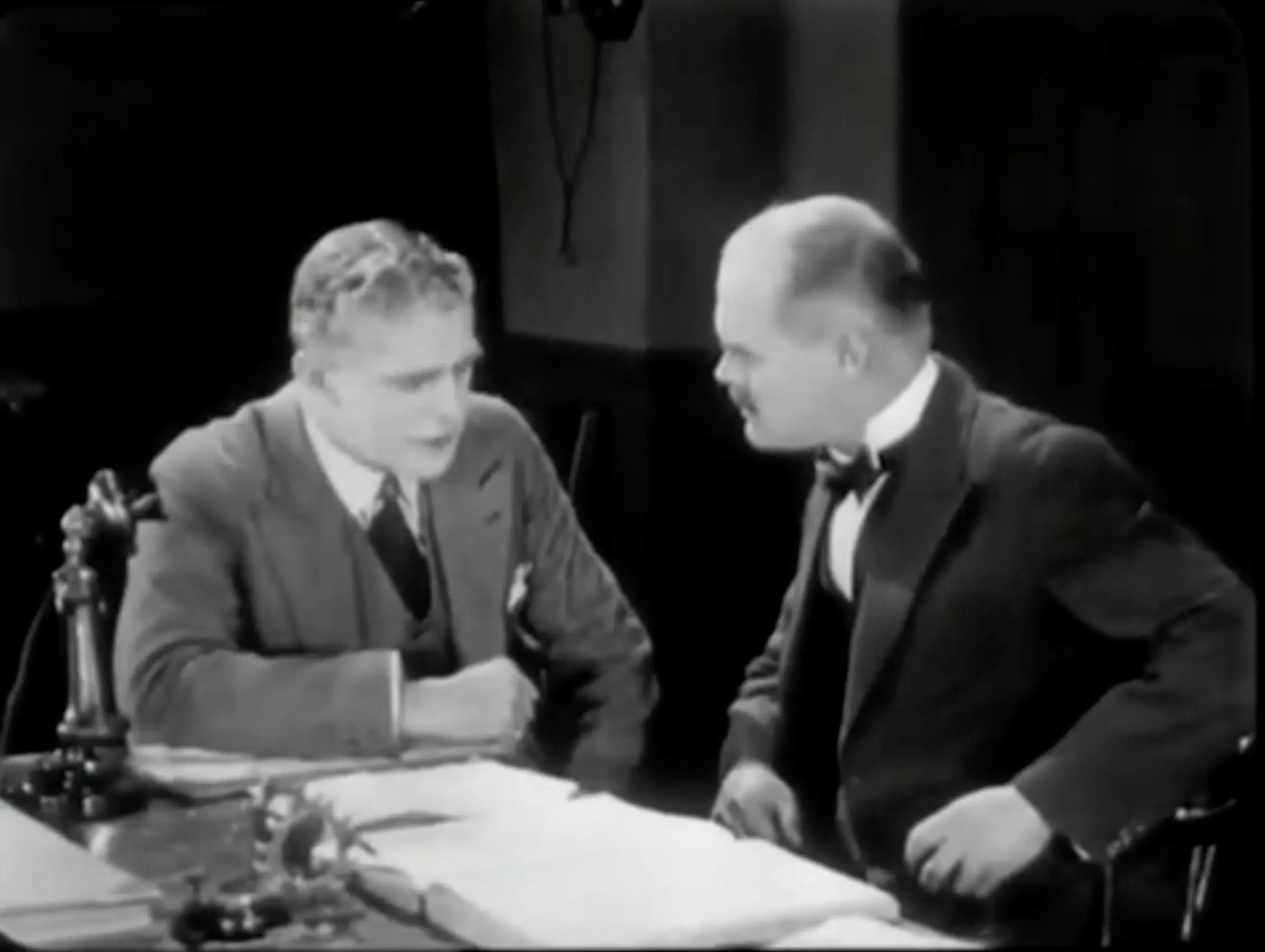
A definitive 6.7/10 rating for a film that redefined the boundaries of cult cinema. The Cry of the Nighthawk remains a cornerstone of transgressive art.
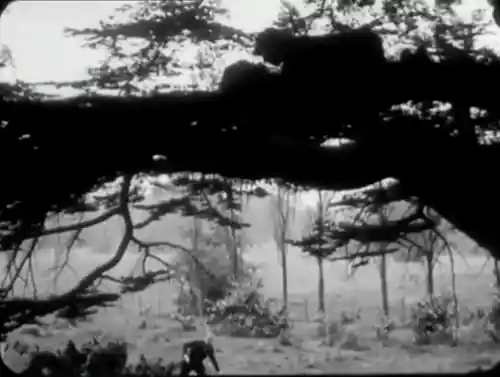
When the eighth chapter of The Cry of the Nighthawk unfurls, it does so with the unsettling elegance of a predator poised to strike. A cat—no ordinary house pet but a creature weaponized with venomous claws—plummets from a gnarled tree, its trajectory aimed at the stalwart Nayland Smith. The very notion of a feline assassin feels like a fever dream conjured by the series' mastermind, Dr. Fu‑Manchu, whose reputation for diabolical ingenuity has become the stuff of legend.
The opening sequence is a masterclass in atmospheric tension. The camera lingers on the rustling canopy, the amber glow of twilight filtering through leaves, before the cat’s silhouette darts into view. The sound design—subtle rustles, a distant owl’s hoot—creates a soundscape that feels both intimate and foreboding. It is as if the forest itself conspires with Fu‑Manchu, turning nature into a weapon.
Humberston Wright, embodying the stoic Smith, delivers a performance that balances measured resolve with a flicker of vulnerability. Wright’s eyes, often narrowed in suspicion, betray a man aware that the enemy’s tactics have evolved beyond the conventional. Fred Paul, as the ever‑calculating Fu‑Manchu, never appears on screen in this episode, yet his presence is palpable; the cat’s lethal mission is a silent testament to his machinations.
The script, penned by Sax Rohmer, Frank Wilson, and A.E. Coleby, excels in its economical storytelling. Dialogue is sparse, each line weighted with implication. When Joan Clarkson’s character, the resourceful ally, whispers, “The cat is a messenger, not a murderer,” the audience is compelled to decode the metaphor. Is the animal a literal assassin, or does it symbolize the insidious spread of Fu‑Manchu’s influence?
Thematically, the episode resonates with the broader anxieties of its era—fear of the unseen, the dread of an enemy who can infiltrate the most mundane aspects of daily life. This motif mirrors the tension found in Wings of Pride, where ambition becomes a double‑edged sword, and in In His Brother's Place, where familial loyalty is tested by external threats.
Cinematographically, the episode employs chiaroscuro lighting to accentuate the moral ambiguity that pervades the narrative. Shadows stretch across the forest floor, swallowing the cat’s silhouette until it becomes a phantom. The use of low‑key lighting on Smith’s face during his confrontation with the cat underscores his internal conflict—does he trust his instincts, or is he being manipulated by an unseen hand?
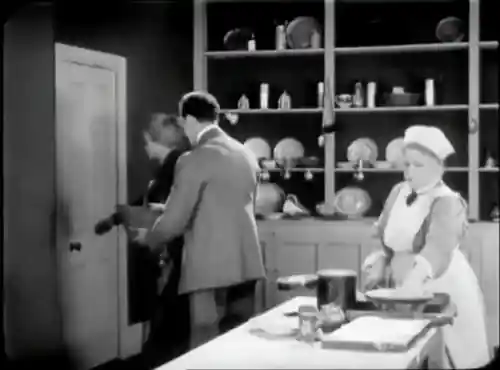
The supporting cast adds layers of nuance. H. Cundall’s portrayal of the skeptical police chief provides a counterpoint to Smith’s intuition, while H. Agar Lyons, as the enigmatic informant, offers cryptic clues that propel the plot forward. Frank Wilson, both writer and actor, delivers a cameo that feels like an Easter egg for aficionados of early 20th‑century serials.
When the cat finally lands, the scene is choreographed with a balletic grace that belies its lethal intent. The camera tracks the animal’s descent in slow motion, each claw glinting with a faint, otherworldly sheen—an artistic flourish that hints at the poison’s supernatural potency. The moment Smith reaches out, the tension snaps like a taut wire, and the audience is left breathless, awaiting the inevitable clash.
The episode’s climax is a study in suspense rather than spectacle. Rather than a gratuitous fight, the confrontation is a psychological duel. Smith, aware of the cat’s purpose, employs a clever ruse—using a reflective surface to blind the animal, turning its own poison against the unseen mastermind. This resolution showcases the series’ commitment to intellect over brute force, a hallmark of Rohmer’s storytelling.
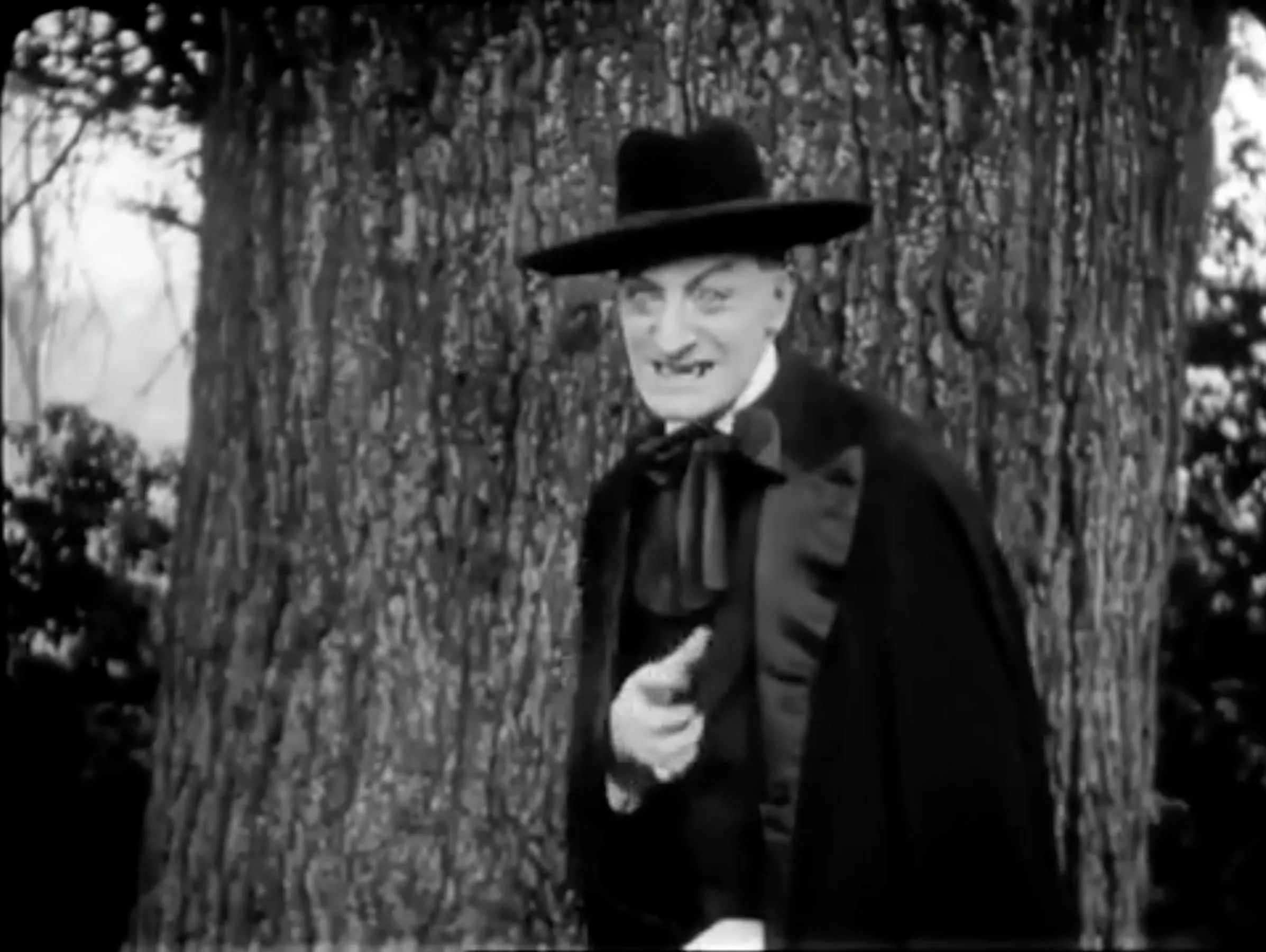
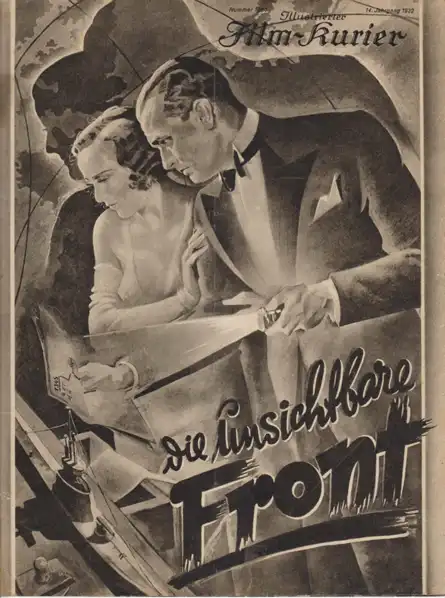
Comparatively, the episode’s emphasis on cunning over combat aligns it with the cerebral thrills of Poor Relations, where social maneuvering eclipses physical confrontation. Likewise, the subtle interplay of light and shadow recalls the visual poetry of Das schwarze Gesicht, a film that also leverages darkness to amplify narrative tension.
From a production standpoint, the episode demonstrates a remarkable economy of resources. The forest set, though limited, is rendered convincingly through strategic framing and judicious use of practical effects. The poisoned claws—crafted from painted metal—glint with a realism that, while modest by today’s standards, was innovative for its time.
The soundscape deserves special mention. The subtle hiss of the poison seeping from the cat’s claws is amplified just enough to create an auditory cue that heightens the viewer’s anxiety. This auditory motif recurs throughout the episode, serving as a reminder of the ever‑present danger.
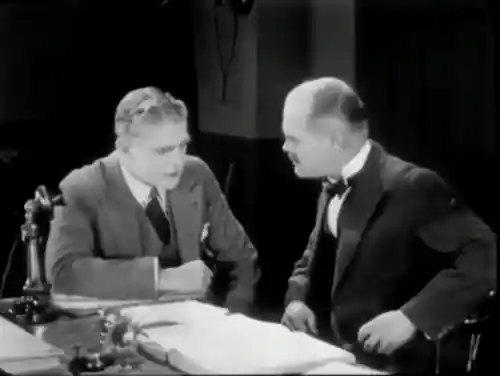
The episode also subtly critiques colonial anxieties. Fu‑Manchu, an archetype of the “evil Oriental” villain, embodies Western fears of the exotic other wielding inscrutable power. While modern audiences may find this portrayal problematic, it is essential to contextualize it within the period’s cinematic conventions. The episode’s nuanced handling of this trope—by focusing on the cat as a proxy rather than a direct confrontation—offers a slightly more sophisticated take than the blunt villainy seen in The Light of Victory.
The narrative’s pacing is deliberate, allowing tension to build organically. Each scene functions as a puzzle piece, and the audience is invited to assemble the picture before the final reveal. This methodical pacing is reminiscent of the slow‑burn intrigue found in Treasure Bound, where the journey outweighs the destination.
In terms of character development, Smith’s evolution is subtle yet significant. Earlier episodes portrayed him as a steadfast detective; here, his willingness to employ deception—using the cat’s own poison as a weapon—signals a moral flexibility that adds depth to his persona. This complexity mirrors the internal conflicts explored in A Militant Suffragette, where protagonists grapple with the ethics of their cause.
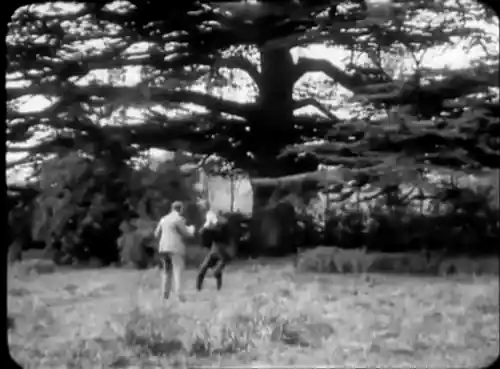
The episode’s conclusion, while resolving the immediate threat, leaves the larger mystery of Fu‑Manchu’s involvement tantalizingly open. The final shot—a lingering view of the tree, now stripped of its lethal cargo—serves as a visual metaphor for the lingering presence of evil, ever‑ready to strike from the shadows. This open‑endedness is a narrative strategy that encourages viewers to return for subsequent installments, a hallmark of serial storytelling.
From an audience reception perspective, contemporary reviews praised the episode’s inventive use of a non‑human antagonist and its atmospheric tension. Modern critics, revisiting the serial, commend its willingness to experiment with genre conventions, noting that the poisoned cat is a bold narrative choice that predates later animal‑based horror tropes.
In sum, the eighth episode of The Cry of the Nighthawk stands as a testament to the series’ capacity for inventive storytelling. Its blend of visual flair, sound design, and thematic depth creates a viewing experience that is both thrilling and intellectually engaging. For aficionados of classic serials, for scholars of early cinematic villainy, and for anyone who appreciates a well‑crafted suspense narrative, this episode offers a rich tapestry of intrigue that rewards repeated viewings.
If you are intrigued by the interplay of darkness and light, the subtle dance of predator and prey, and the lingering question of who truly pulls the strings, then this episode is an essential watch. Its legacy endures, not merely as a relic of silent‑era serials, but as a piece of cinematic art that continues to inspire discussions about narrative innovation and the ever‑evolving nature of suspense.

IMDb —
1924
Community
Log in to comment.