DbcultAccessing Vault...
Cult Review
Senior Film Conservator
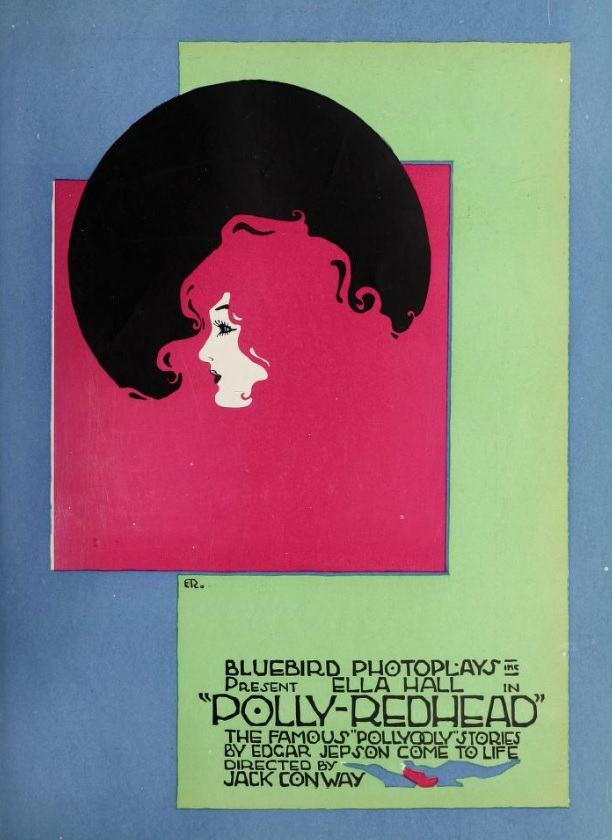
In the annals of early cinema, where flickering images conveyed profound narratives without a single spoken word, certain films emerge as timeless testaments to the power of storytelling. Among these is Polly Redhead, a captivating silent drama that, even a century later, continues to resonate with its intricate plot, compelling characters, and poignant exploration of human spirit. This film isn't merely a historical artifact; it's a vibrant tapestry woven with threads of desperation, sacrifice, mistaken identity, and, ultimately, the redemptive power of unexpected connections. It invites us to step back into a bygone era, not as passive observers, but as active participants in a narrative that feels both distinctly period and universally human.
At its heart, Polly Redhead is a Cinderella story turned on its head, where the protagonist isn't seeking a prince, but rather striving to protect her most precious treasure: her baby brother, affectionately known as 'The Lump.' Polly, portrayed with remarkable depth and youthful vigor by the luminous Ella Hall, is not born into privilege. Her striking red hair may be her most distinguishing physical feature, but it is her indomitable spirit and unwavering devotion to her family that truly set her apart. In an age where poverty often dictated the harshest of fates, Polly's willingness to toil tirelessly, cleaning houses and preparing meals for gentlemen like attorney John Ruffin and the Hon. Gedge-Tompkins, underscores a profound sense of responsibility far beyond her years. This foundational premise immediately establishes a powerful emotional anchor, drawing the audience into Polly's world of quiet struggle and immense love.
The narrative gains its central thrust through the introduction of Lady Osterly, John Ruffin's sister, a woman consumed by the agony of separation from her own child, held by her estranged husband, the Duke of Osterly. When Lady Osterly visits her brother, she is immediately struck by Polly's uncanny resemblance to her daughter. This serendipitous discovery plants the seed for an audacious, albeit morally ambiguous, plan. Ruffin, ever the pragmatist, and Lady Osterly, blinded by maternal longing, hatch a scheme: Polly will impersonate the Duke's daughter, creating a diversion that will allow the real child to be spirited away to the European continent with her mother. The offer of twenty sovereigns—a king's ransom in Polly's humble existence—is enough to stagger the young girl, and she accepts, propelled not by greed, but by the desperate hope of securing a better future for 'The Lump.' This pivotal moment is a masterclass in silent film storytelling, conveying complex motivations and high stakes through subtle glances and dramatic intertitles. It speaks to the lengths to which individuals, especially mothers, will go when faced with profound emotional distress, echoing themes of sacrifice and manipulation seen in other classic dramas that delve into family strife, such as perhaps the intricate familial dynamics in The House of Temperley.
The execution of the plan is fraught with tension. The children are swapped during the Osterly child's routine outing with her nurse, an act of calculated deception that immediately thrusts Polly into an alien world of aristocratic grandeur. Her new surroundings, while outwardly opulent, are a gilded cage, a constant reminder of the charade she must maintain. The real Osterly child, meanwhile, finds herself in the comparatively modest, yet unfamiliar, environment of John Ruffin's apartments, awaiting her clandestine journey. This dual narrative thread, following both children in their transposed circumstances, adds a layer of dramatic irony and suspense. How will each child fare? Will their true identities be discovered? These questions hang heavy in the air, expertly crafted by writers Edgar Jepson and Elliott J. Clawson.
Despite Polly's remarkable resemblance to the Duke's daughter, her working-class upbringing and inherent innocence create subtle behavioral discrepancies that immediately arouse suspicion. The household staff, accustomed to the true child's mannerisms, begin to whisper. The Duke himself, a figure of authority and quiet observation, senses an unsettling shift in his daughter's demeanor. It is young Lord Ronald, a visiting noble, who becomes Polly's most astute, and perhaps most charming, inquisitor. His youthful curiosity and burgeoning affection for Polly lead him to question her true identity with an earnestness that both threatens the scheme and foreshadows a deeper connection. This element of youthful detection adds a delightful layer to the suspense, reminding one of the innocent yet persistent curiosity of children in films like The Book of Nature, where childlike wonder often uncovers hidden truths.
The real Osterly girl, too, faces her own set of challenges in Ruffin's home. Stripped of her usual comforts and surrounded by unfamiliar faces, she struggles to adapt. Her most vocal critic, ironically, is 'The Lump,' Polly's baby brother, who instinctively rejects the imposter. This small but significant detail adds a touch of humor and underscores the film's exploration of innate connections and familial recognition, even at a pre-verbal stage. It's a clever narrative device that highlights the natural order disrupted by the swap.
As with many meticulously crafted deceptions, this one begins to unravel due to human error and unexpected spontaneity. A blunder in Lady Osterly and John Ruffin's preparations for the European journey creates a critical delay. Simultaneously, Polly, perhaps overwhelmed by the pressure or simply following her innocent instincts, disregards explicit instructions and leaves the Osterly mansion prematurely. This act of defiance, though seemingly minor, sets off a chain reaction that accelerates the climax. The Duke, driven by his growing unease and a peculiar paternal instinct, follows Polly in his automobile, tracking her to a nearby park—a place where she had previously enjoyed playing with young Lord Ronald. This chase sequence, though silent, would have been thrilling for contemporary audiences, showcasing the burgeoning technology of the automobile as a plot device, much like the dynamic movement in the action-packed The Hazards of Helen series.
The Duke finds Polly and carries her back to his home, where, in a stroke of narrative brilliance, John Ruffin arrives directly, believing his sister and her daughter to be well on their way across the Channel. The scene is set for a dramatic confrontation, but fate, in its infinite wisdom, intervenes with a delightful twist. Lady Osterly, worried by Ruffin's failure to arrive with the tickets, makes a desperate telephone call—not to Ruffin's office, but to the Duke's residence, assuming Ruffin would be there. The servants, answering the summons, connect the estranged husband and wife. This accidental 'phone call becomes the unlikely catalyst for reconciliation, much to their mutual surprise and, beneath the surface, secret delight. It’s a beautifully understated moment that epitomizes the film’s blend of melodrama and genuine human emotion, showcasing how even in a world of complex schemes, simple communication can cut through all pretense. This kind of unexpected resolution, where chance plays a significant role, is a recurring motif in storytelling, sometimes appearing in narratives of desperate circumstances and unforeseen salvation, not unlike the turn of events in Without Hope.
The success of Polly Redhead rests heavily on the shoulders of its cast, particularly the remarkable Ella Hall. Her portrayal of Polly is a masterclass in silent film acting. Hall conveys a vast spectrum of emotions—from Polly's initial weariness and fierce protectiveness to her bewildered adaptation to high society and her childlike innocence—all without uttering a single word. Her expressive eyes and subtle gestures speak volumes, making Polly an incredibly sympathetic and engaging protagonist. Hall had a unique ability to project both vulnerability and resilience, a quality that endeared her to audiences and solidified her status as a silent screen star. She imbues Polly with an authenticity that makes her choices, however desperate, entirely understandable. Her chemistry with young William Worthington Jr. as Lord Ronald is particularly charming, laying the groundwork for a sweet, hopeful future for Polly.
The supporting cast also delivers stellar performances. Martha Mattox as Lady Osterly skillfully navigates the difficult balance between a desperate mother and a woman willing to engage in deception. Her anguish is palpable, driving the initial plot forward. George Webb as John Ruffin portrays the calculating attorney with just enough moral ambiguity to make him complex, while ultimately revealing his underlying good intentions. The Duke, though initially stern and suspicious, gradually softens, allowing his paternal feelings to guide him, a transformation handled with nuanced subtlety. Even the smallest roles, such as the suspicious servants and the endearing 'The Lump,' contribute significantly to the film's rich texture, adding layers of authenticity and humor. The ensemble works seamlessly to create a believable world, even amidst the theatricality inherent in silent cinema.
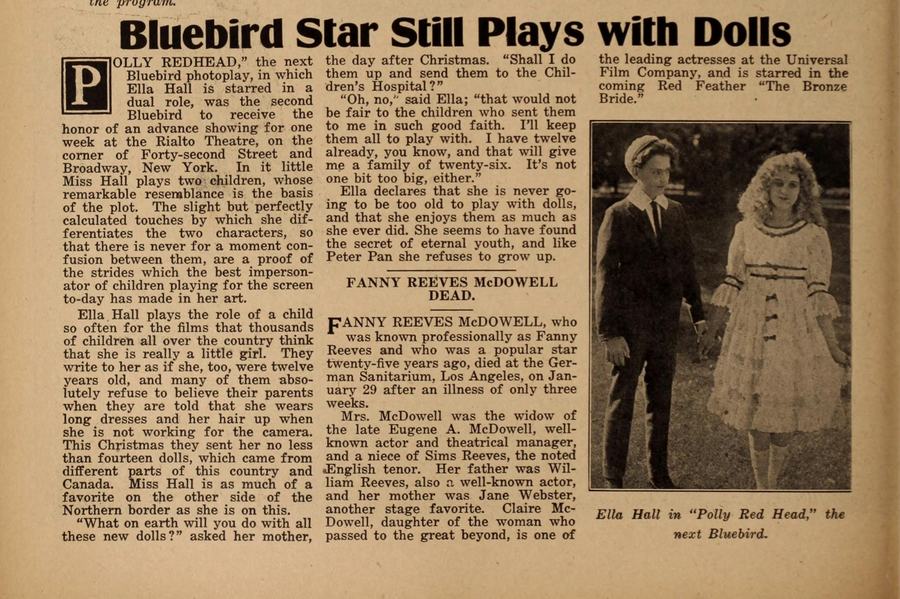
Polly Redhead is far more than a simple melodrama; it's a thoughtful commentary on several enduring societal themes. The stark contrast between Polly's impoverished background and the Osterly family's aristocratic wealth highlights the rigid class structures of the era. Polly's willingness to sacrifice her own comfort and safety for her brother underscores the profound impact of poverty on individual choices, forcing her into a desperate act that wealthier characters would never contemplate. This social commentary is woven into the fabric of the plot, much like how class distinctions and their consequences are often explored in narratives that delve into the human condition, for instance, in films like The Way of the World, which often critiques societal norms and hierarchies.
The central theme of identity is explored through the lens of physical resemblance versus inherent character. Polly's ability to pass as the Osterly child is predicated on her looks, yet her true nature and upbringing continually threaten to expose the deception. The film subtly argues that true identity runs deeper than superficial appearance, a concept that resonates even today in discussions of authenticity. Furthermore, the film beautifully explores the enduring power of family bonds. Polly's devotion to 'The Lump,' Lady Osterly's yearning for her daughter, and the ultimate reconciliation of the Osterly family all speak to the fundamental human need for connection and belonging. The accidental phone call, serving as a delightful deus ex machina, emphasizes the role of chance and fate in shaping human destinies, suggesting that sometimes, the most profound resolutions arise from the most unforeseen circumstances. This narrative device, where a seemingly random event brings about a pivotal change, is a classic storytelling trope, often used to resolve complex plots in a satisfying, if sometimes convenient, manner.
From a technical perspective, Polly Redhead is a superb example of early filmmaking artistry. The direction, though uncredited in many historical records, demonstrates a keen understanding of visual storytelling. The use of clear, expressive intertitles guides the audience through the narrative, while carefully composed shots and effective pacing build both suspense and emotional resonance. The film's cinematography, typical of the era, relies on natural lighting and often static, yet thoughtfully framed, shots to convey atmosphere and character interaction. Close-ups are employed judiciously to highlight emotional moments, drawing the audience into the characters' inner worlds. The film's production values, particularly the sets and costumes, effectively establish the contrast between Polly's humble origins and the opulent world of the aristocracy, enhancing the visual narrative.
Viewing Polly Redhead today offers a fascinating window into the social mores and entertainment sensibilities of the early 20th century. The film reflects a period when melodramas, often centered around themes of family separation, class struggle, and moral dilemmas, held immense popularity. It’s a testament to the enduring appeal of these narratives that they continue to captivate audiences. The film's relatively optimistic ending, where reconciliation triumphs over deceit and social barriers are overcome, speaks to a prevalent desire for hopeful resolutions in popular entertainment. It contrasts with darker, more cynical portrayals of society that would emerge in later decades, aligning more with the spirit of narratives that champion the underdog or find peace after turmoil, much like the journey towards resolution in Clover's Rebellion, which also features a spirited protagonist navigating adversity.
In conclusion, Polly Redhead stands as a charming and significant entry in silent film history. It is a film that expertly blends drama, suspense, and heartwarming sentiment, creating a narrative that is both entertaining and thought-provoking. Ella Hall's performance is particularly noteworthy, solidifying her legacy as an actress capable of conveying profound emotion without the aid of dialogue. The film's exploration of class, identity, and the intricate workings of fate ensures its continued relevance, inviting contemporary audiences to appreciate its timeless themes. It reminds us that even in the absence of sound, the human story, told with sincerity and skill, can resonate across generations. For those seeking to delve into the rich heritage of silent cinema, Polly Redhead is an absolute must-see, a delightful journey into a world where a little redhead's unwavering love ultimately brings about a most unexpected and joyous resolution for everyone involved, especially for herself and her newfound companion, Lord Ronald.
IMDb 6.3
1921
Community
Log in to comment.