DbcultAccessing Vault...
Cult Review
Senior Film Conservator
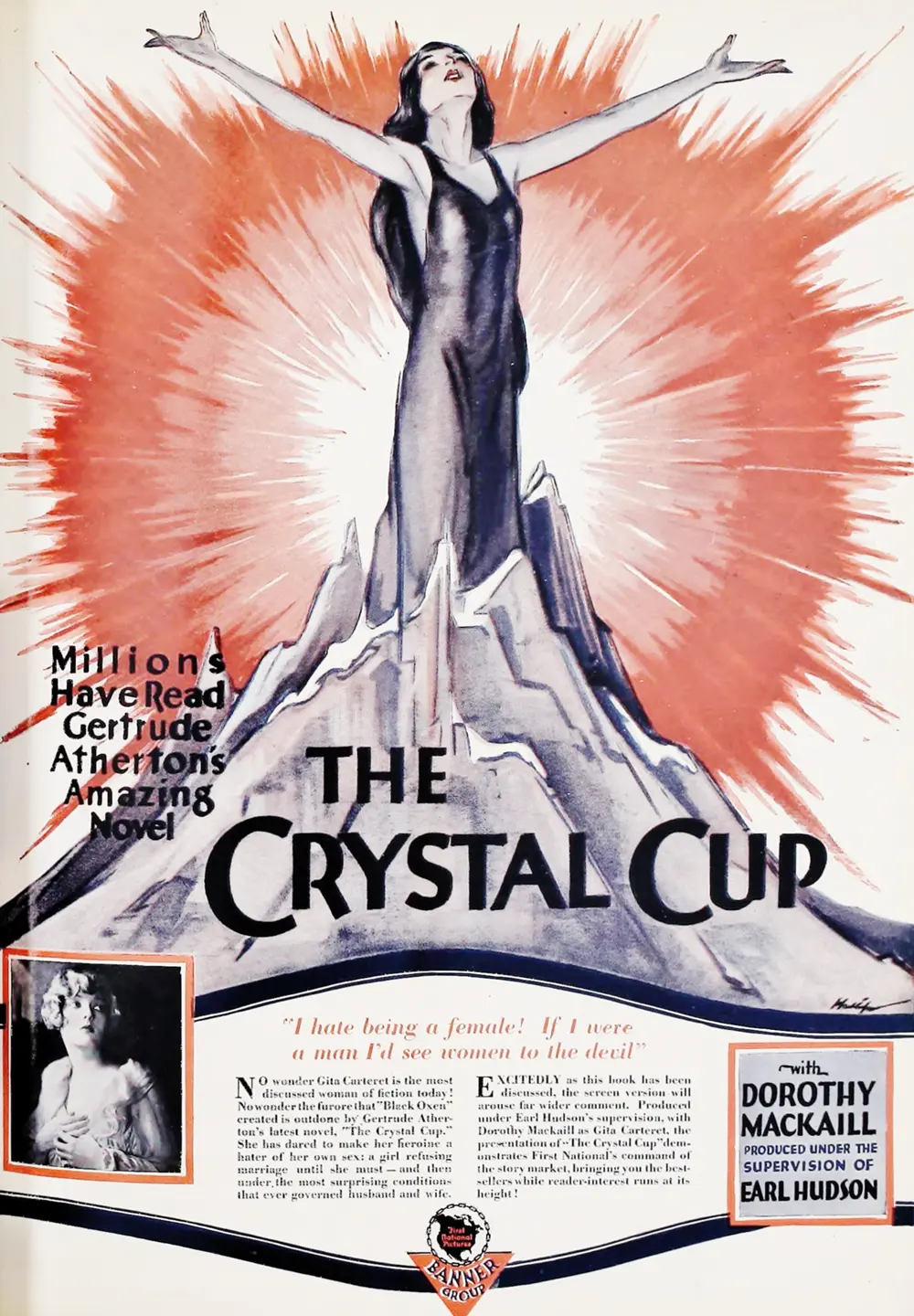
Is The Crystal Cup worth watching today? Short answer: yes, but with significant caveats that demand a certain cinematic palate. This silent-era drama, a product of 1927, offers a fascinating, if sometimes frustrating, glimpse into the social anxieties and gender dynamics of its time, making it a valuable archival piece for film scholars and dedicated cinephiles.
However, for the casual viewer accustomed to modern narrative pacing and dialogue, its deliberate rhythm and reliance on intertitles might prove a challenge. This film is for those who appreciate the artistry of silent cinema, those interested in early feminist themes, or anyone curious about how societal pressures were depicted almost a century ago. It is not for audiences seeking fast-paced entertainment, clear-cut resolutions, or a simple, escapist narrative.
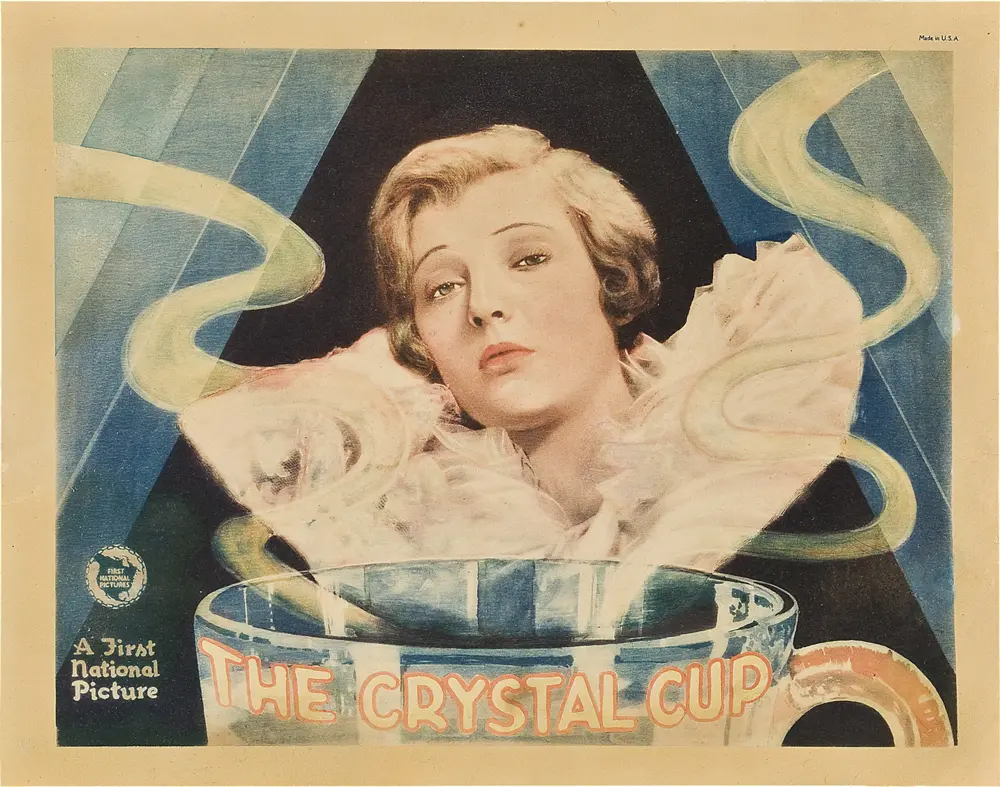
The Crystal Cup, directed with a keen eye for melodrama by John G. Adolfi, delves into the complex psyche of a young woman, Anne Averill (Dorothy Mackaill), whose life is dictated by the deeply ingrained misandry of her mother, Mrs. Averill (Edythe Chapman). This maternal influence forms the very bedrock of Anne’s existence, shaping her interactions, or rather, her lack thereof, with the opposite sex. The film’s premise, though melodramatic, touches upon themes that feel surprisingly contemporary: the crushing weight of societal expectation, the power of rumour, and the struggle for individual identity in the face of familial doctrine.
The film works because it attempts to tackle complex social issues—misogyny, rumour-mongering, and the nascent discussions around female sexuality—with a degree of daring for its era. Dorothy Mackaill’s central performance, while constrained by silent film conventions, conveys a palpable inner conflict. The cinematography, though not groundbreaking, effectively uses light and shadow to enhance the psychological tension, particularly in scenes depicting Anne’s isolation.
This film fails because its narrative sometimes buckles under the weight of its own dramatic ambitions, resorting to convenient plot devices rather than truly organic character development. The pacing, even by silent film standards, can feel languid, particularly in the middle act, which stretches out the central misunderstanding. Furthermore, some of the supporting performances lack the nuance required to fully flesh out the ensemble, making certain characters feel more like archetypes than living individuals.
You should watch it if you are a student of early cinema, appreciate psychological dramas that explore societal pressures, or are keen to see how actresses like Dorothy Mackaill navigated complex roles without spoken dialogue. It's a window into a bygone era, offering more than just historical curiosity.
The narrative of The Crystal Cup is less a straightforward romance and more a psychological study of inherited trauma and societal rebellion. Anne Averill, a woman of striking beauty, finds herself trapped within the confines of her mother's embittered worldview. Mrs. Averill, played with a stern, unyielding presence by Edythe Chapman, has systematically poisoned Anne's perception of men, painting them as inherently deceitful and predatory. This upbringing manifests in Anne's absolute rejection of all male suitors, regardless of their charm or persistence. Her beauty, a cruel irony, only serves to amplify the attention she receives, thus intensifying her internal conflict.
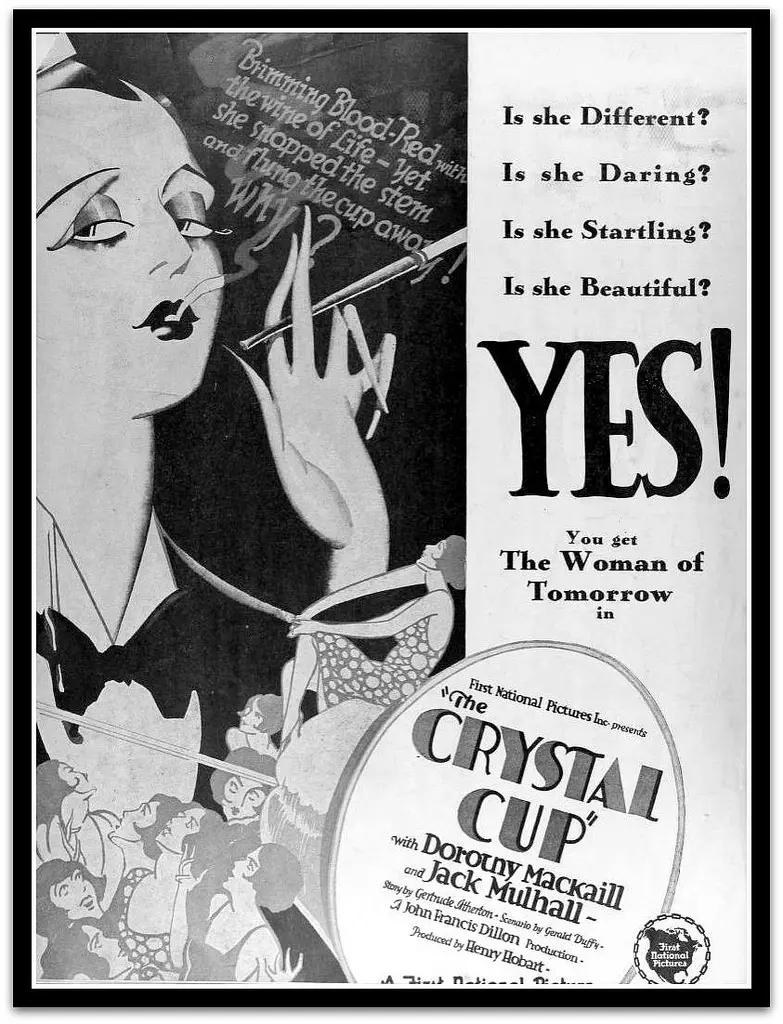
This persistent refusal of male advances begins to circulate through the social circles, giving rise to whispered insinuations that Anne might prefer the company of women. Such a suggestion, scandalous for the period, becomes a driving force in the plot. To silence these damaging rumours and protect her reputation, Anne enters into a strictly platonic arrangement with a young, unassuming writer, Roger Grant (Jack Mulhall). The intention is clear: a public association with a man, however chaste, should dispel the gossip.
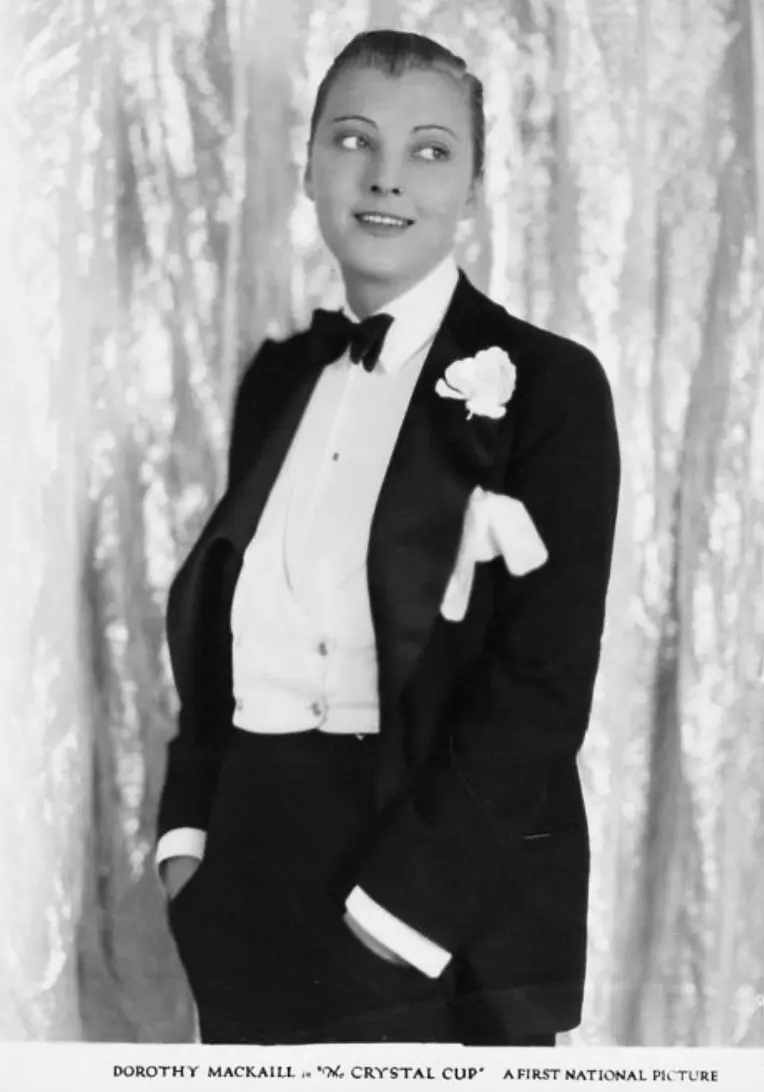
However, the heart, as the saying goes, has its own reasons. What begins as a strategic alliance gradually evolves, challenging Anne's deeply ingrained prejudices and the very foundation of her beliefs. The film then explores the messy, unpredictable trajectory of human connection, demonstrating how carefully laid plans can crumble under the weight of genuine emotion. The 'crystal cup' itself seems to be a metaphor for Anne's fragile, carefully constructed emotional defenses, poised to shatter at the slightest tremor of true feeling.
Dorothy Mackaill, as Anne Averill, delivers a performance that is both captivating and, at times, frustratingly restrained. In the silent era, actors often relied on heightened facial expressions and grand gestures to convey emotion. Mackaill, however, often opts for a more internalised approach, which, while lending a certain gravitas to Anne’s struggle, occasionally makes her character’s motivations feel opaque. There’s a quiet strength in her portrayal, particularly in the early scenes where she stoically endures her mother’s tirades and the incessant advances of men.
A standout moment comes when Anne is confronted with the rumours about her sexuality. Mackaill doesn’t overplay the shock; instead, her eyes widen almost imperceptibly, a subtle shift in her posture conveying a profound sense of injustice and vulnerability. This nuanced reaction speaks volumes, allowing the audience to infer the depth of her character's internal turmoil without the aid of dialogue. It’s a testament to her skill that even in silence, she manages to communicate a rich emotional landscape, albeit one that requires the viewer’s active engagement.
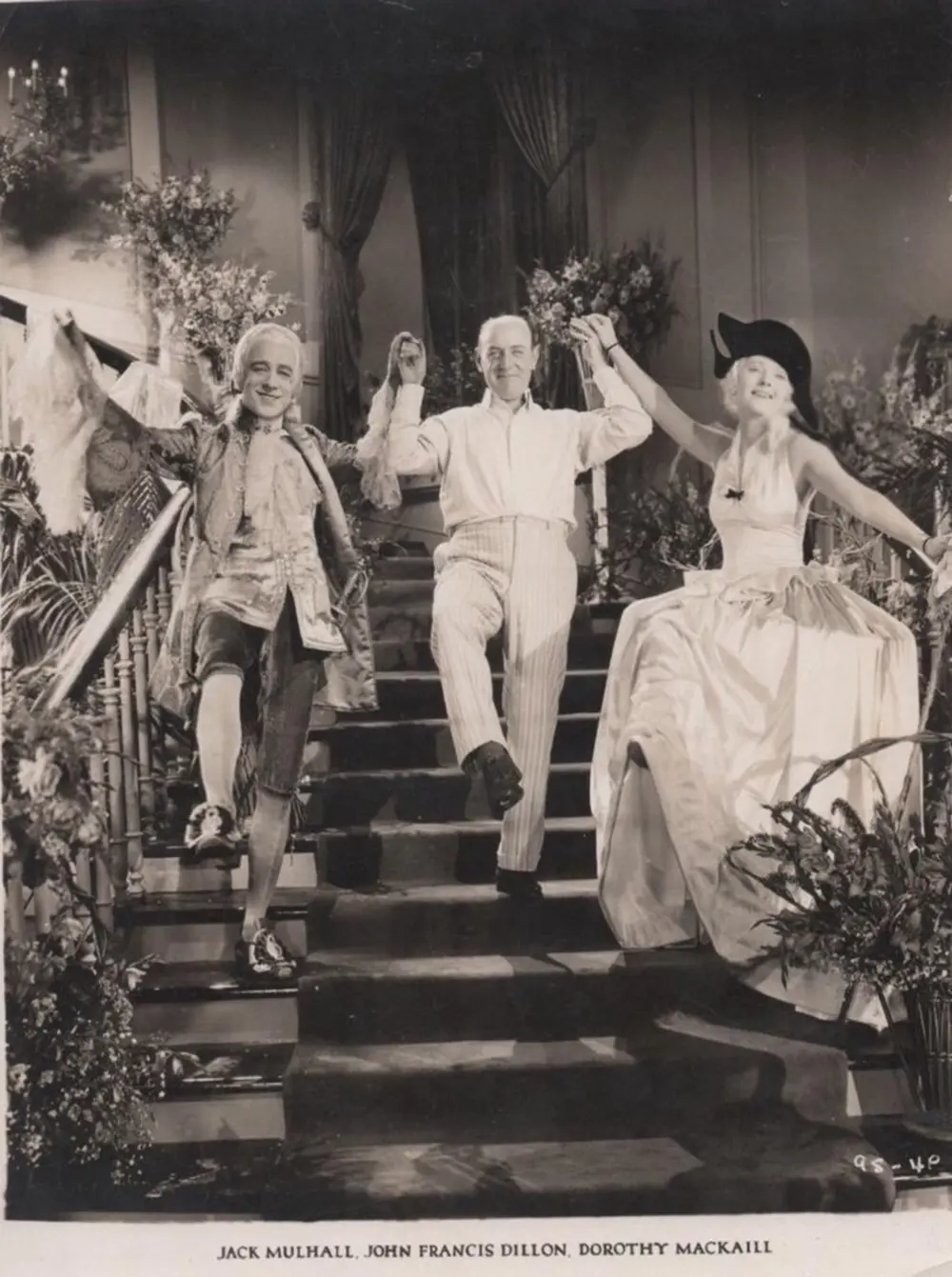
Her chemistry with Jack Mulhall, as the earnest Roger Grant, develops slowly and believably. What starts as a stiff, almost business-like interaction gradually thaws, with Mackaill’s expressions softening, her gaze lingering a little longer. It's in these subtle shifts that the film's emotional core truly resides, demonstrating the power of unspoken communication in an art form built upon it. Compared to the broader strokes seen in films like Scars of Jealousy, Mackaill's performance here feels more introspective, a deliberate choice that may divide audiences.
John G. Adolfi’s direction in The Crystal Cup is competent and serves the melodrama well, even if it doesn't push the boundaries of silent film artistry. He employs classic techniques to build tension and convey character. Close-ups are used judiciously to highlight emotional states, particularly Mackaill's subtle shifts in expression, drawing the audience into Anne's internal world. The framing often emphasizes Anne's isolation, frequently positioning her alone or slightly removed from groups, visually reinforcing her emotional detachment.
The cinematography, while not as experimental as some of its contemporaries, effectively uses lighting to establish mood. Scenes within the Averill home, particularly those featuring the mother, are often dimly lit, creating an oppressive atmosphere that mirrors Mrs. Averill's bitter influence. In contrast, outdoor scenes or those depicting Roger Grant's more open, optimistic world often feature brighter, more naturalistic lighting, subtly suggesting a path to liberation for Anne.
There's a particular sequence where Anne is shown walking through a park, pursued by various men, each rejection captured through a series of quick cuts and increasingly frantic gestures. This montage effectively communicates the relentless pressure she faces without needing extensive intertitles. It’s a solid example of visual storytelling that transcends mere exposition, building a tangible sense of her predicament. The film doesn't boast the epic scale of something like The Covered Wagon, but its intimate focus is well-served by its visual choices.
The pacing of The Crystal Cup is undeniably a product of its era. Silent films, by modern standards, often feel slower, relying on extended takes and deliberate scene progression to allow audiences to absorb the visual information and read the intertitles. This film is no exception. While the initial setup of Anne's predicament is engaging, the middle section, which details the burgeoning 'platonic' relationship and the gradual thawing of Anne's heart, can feel drawn out.
There are moments where the emotional beats are telegraphed well in advance, and the narrative takes its time to arrive at inevitable conclusions. This deliberate pace, however, allows for a certain contemplative quality, giving the audience space to reflect on the characters' internal states. It’s a tonal choice that prioritizes emotional resonance over rapid plot advancement, a characteristic shared with many dramas of the period, such as Poor Innocent.
The tone shifts from a somewhat bleak psychological drama to a more hopeful, if still melancholic, romance. The initial scenes are heavy with the weight of Anne's mother's bitterness, creating a somewhat oppressive atmosphere. As Roger Grant enters the picture, a lighter, more optimistic thread begins to weave through the narrative, offering a sense of potential escape. This transition is handled competently, if not always with the most dynamic energy, underscoring the film's commitment to its central emotional arc.
One of the most surprising aspects of The Crystal Cup is its willingness to touch upon themes that were quite forward-thinking for the late 1920s. The film directly confronts the damaging power of rumour, particularly when it pertains to a woman's sexuality. The mere suggestion of Anne being a lesbian—a term that, while perhaps not fully understood in its modern context, still carried significant social stigma—is enough to force her into a defensive, reputation-saving maneuver.
This exploration of societal pressure and the policing of female behavior feels remarkably prescient. It highlights how quickly speculation can morph into perceived truth, and how devastating that can be for an individual. The film doesn't shy away from depicting the hypocrisy of a society that simultaneously objectifies women for their beauty and condemns them for deviating from prescribed gender roles. It’s a bold stance, even if the resolution ultimately falls into conventional romantic territory.
The core conflict, Anne's struggle against her mother's ingrained misandry, also serves as a potent commentary on the cycle of trauma and the difficulty of breaking free from inherited prejudices. It asks whether one can truly forge an individual identity when so deeply shaped by another's pain. This psychological depth elevates the film beyond a simple melodrama, offering a richer, more thought-provoking experience than many of its contemporaries. It works. But it’s flawed. This film is a fascinating, if imperfect, artifact of a changing world.
Pros:
- Explores surprisingly progressive themes for its era, including societal gossip and female agency.
- Dorothy Mackaill delivers a subtle, compelling performance that anchors the film's emotional core.
- Offers a valuable historical perspective on social norms and cinematic storytelling of the late 1920s.
- The visual storytelling, though not revolutionary, effectively conveys mood and character isolation.
- The central conflict, Anne's battle against inherited prejudice, is genuinely engaging.
Cons:
- The pacing can be extremely slow, potentially testing the patience of modern viewers.
- Some supporting characters are underdeveloped, functioning more as plot devices than fully realized individuals.
- Relies on certain melodramatic conventions that can feel dated.
- The resolution, while satisfying in a conventional sense, feels a little too neat given the complex psychological setup.
- Intertitles, while necessary, can sometimes interrupt the flow for those unaccustomed to the format.
The Crystal Cup is not a forgotten masterpiece, but it is far from an inconsequential curio. It stands as a compelling example of silent era filmmaking that dared to tackle complex social issues with a surprising degree of frankness. Dorothy Mackaill's performance is a quiet triumph, navigating a challenging role with grace and subtle power, even if the film's overall pacing and some narrative conveniences temper its impact. For those willing to engage with its historical context and deliberate rhythm, it offers a rich, thought-provoking experience.
It’s a film that asks us to consider the weight of societal judgment and the enduring struggle for personal autonomy, themes that resonate even today. While it might not captivate every viewer, its historical significance and thematic depth make it a worthwhile watch for the dedicated cinephile. It's a journey into a past where unspoken words carried immense weight, and societal whispers could shape a destiny. Give it a chance, and you might find its quiet power lingers long after the final intertitle fades.

IMDb 6.5
1931
Community
Log in to comment.