DbcultAccessing Vault...
6.6/10
Senior Film Conservator
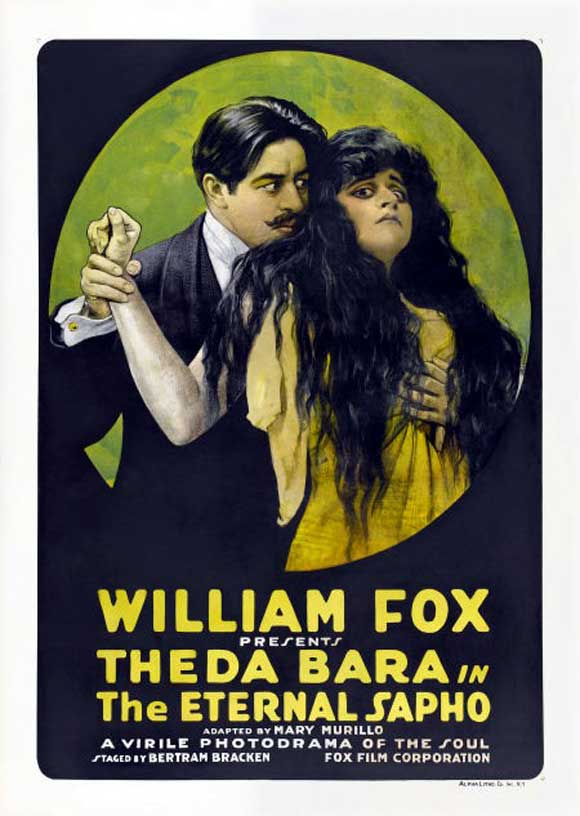
A definitive 6.6/10 rating for a film that redefined the boundaries of cult cinema. The Eternal Sappho remains a cornerstone of transgressive art.
Step back in time, dear readers, to an era when emotions were writ large across the silver screen, conveyed not through dialogue, but through the eloquent language of gesture, expression, and the subtle interplay of light and shadow. We're talking, of course, about the silent film epoch, a period that birthed legends and shaped the very grammar of cinematic storytelling. And within this grand tapestry, few figures burned brighter, or more controversially, than Theda Bara, the original 'vamp.' Today, we turn our gaze to one of her most potent vehicles, a film that, even a century later, still resonates with a profound, almost primal, sense of tragedy: The Eternal Sappho.
Adapted from Alphonse Daudet's 1884 novel 'Sappho,' this cinematic rendition, penned by the skilled hand of Mary Murillo, plunges us into a narrative steeped in the kind of melodramatic intensity that defined the era. It’s a story that explores the corrosive power of ambition, the destructive nature of unrequited or misguided love, and the ultimate, shattering cost of a life lived without genuine emotional anchors. Bara, in a role that feels almost tailor-made for her enigmatic persona, embodies the central figure with an arresting blend of allure and desperation, crafting a character whose beauty is both her greatest asset and her ultimate undoing.
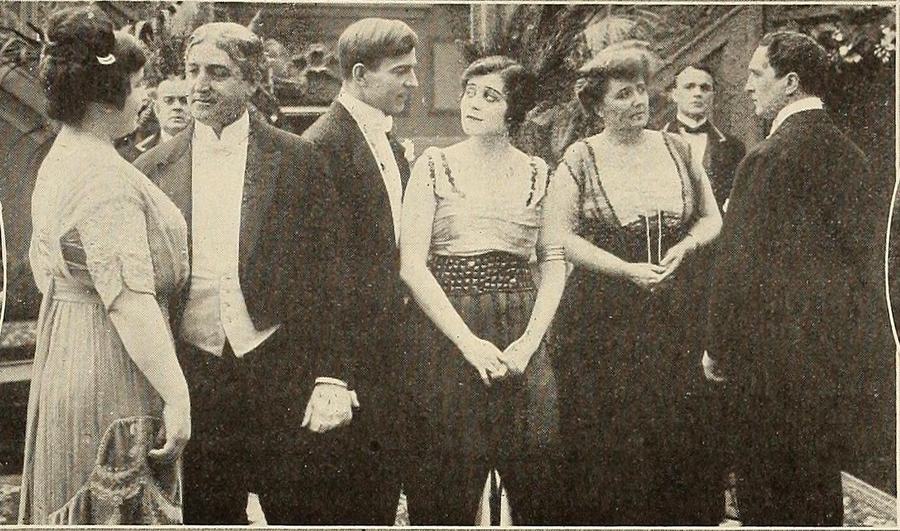
At its core, The Eternal Sappho is a character study, a deep dive into the psyche of a woman who, much like the mythological figure from whom she draws her name, is both a muse and a destroyer. Bara's character, a woman of intoxicating beauty and calculating ambition, sets her sights on a wealthy young man. Her scheme is meticulously crafted, a spider's web of charm and manipulation designed to secure a life of luxury and social standing. The narrative unfolds with a palpable sense of impending doom, each calculated move bringing her closer to her desired outcome, yet simultaneously further from any semblance of true happiness or peace.
The tragic counterpoint to her machinations is found in her former lover, a sculptor, portrayed with a brooding intensity by Warner Oland. Oland, a versatile actor who would later achieve fame for his portrayal of Charlie Chan, brings a nuanced vulnerability to the artist, a man whose passion for his art is mirrored only by his profound, perhaps self-destructive, love for Bara's character. Their past relationship, hinted at through evocative flashbacks and the lingering shadows of memory, forms the emotional bedrock of the film, a testament to a connection that, for all its toxicity, was undeniably profound. It’s a dynamic that recalls the passionate yet often doomed romances seen in other melodramas of the era, where societal constraints and personal flaws conspire to create insurmountable obstacles.
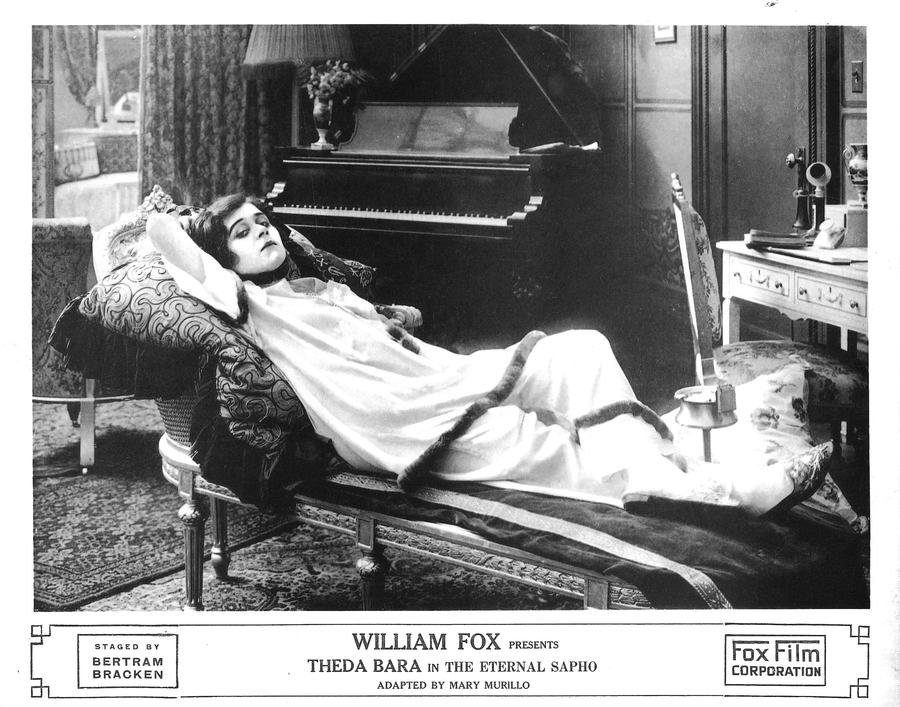
The inevitable failure of her grand matrimonial scheme is depicted with a crushing sense of defeat. The world she so desperately sought to conquer rejects her, leaving her adrift and without the glittering prize she believed would validate her existence. It's a pivotal moment, a turning point that forces her to confront the hollowness of her pursuits. With nowhere else to turn, she seeks refuge in the familiar, returning to the sculptor, perhaps hoping for solace, forgiveness, or simply a sanctuary from the harsh realities of her failed ambitions. This return, however, is not one of redemption or reconciliation, but rather a descent into an even deeper abyss of despair.
The discovery of the sculptor's suicide is the film's emotional crescendo, a moment of profound shock and irreversible tragedy. Bara's portrayal of this discovery is nothing short of electrifying. Without a single spoken word, her face contorts through a spectrum of emotions – disbelief, horror, crushing guilt, and ultimately, a complete and utter breakdown. It's a testament to the raw power of silent film acting, where every flicker of an eye, every tremor of a hand, carries the weight of a thousand words. This catastrophic event doesn't just devastate her; it shatters her very being, catapulting her into an irreversible state of insanity. The film's conclusion is a harrowing depiction of a mind unmoored, a soul lost to the ravages of grief and remorse, a tragic end for a character who, for all her flaws, was undeniably a force of nature.
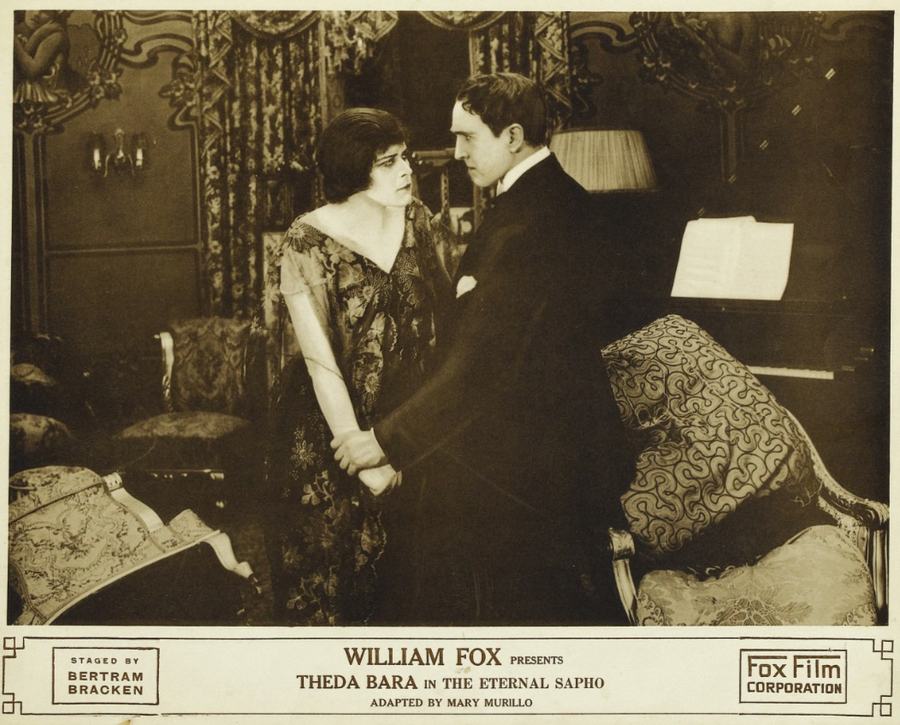
Theda Bara's performance in The Eternal Sappho is a masterclass in the 'vamp' archetype she so famously embodied. Her eyes, often heavily lined, convey a magnetic, almost hypnotic power, drawing the audience into her character's complex internal world. She moves with a serpentine grace, each gesture calculated to convey allure, manipulation, or profound despair. This isn't merely acting; it's an embodiment of a cultural phenomenon, a personification of the femme fatale who captivated audiences of the early 20th century. Her ability to convey such a vast emotional landscape without dialogue is truly remarkable, solidifying her status as a silent film icon.
But it's not just Bara who shines. The supporting cast, though often overshadowed by her formidable presence, delivers strong performances that anchor the narrative. Einar Linden, Caroline Harris, James Cooley, Hattie Delaro, George MacQuarrie, Mary Martin, Walter P. Lewis, Kittens Reichert, and Frank Norcross all contribute to the film's rich tapestry of characters, each playing their part in the tragic drama. Warner Oland, in particular, stands out, creating a character whose quiet suffering and artistic sensitivity provide a stark contrast to Bara's more flamboyant portrayal. His descent into despair feels earned, his ultimate act of desperation a logical, albeit heartbreaking, consequence of his unyielding devotion.
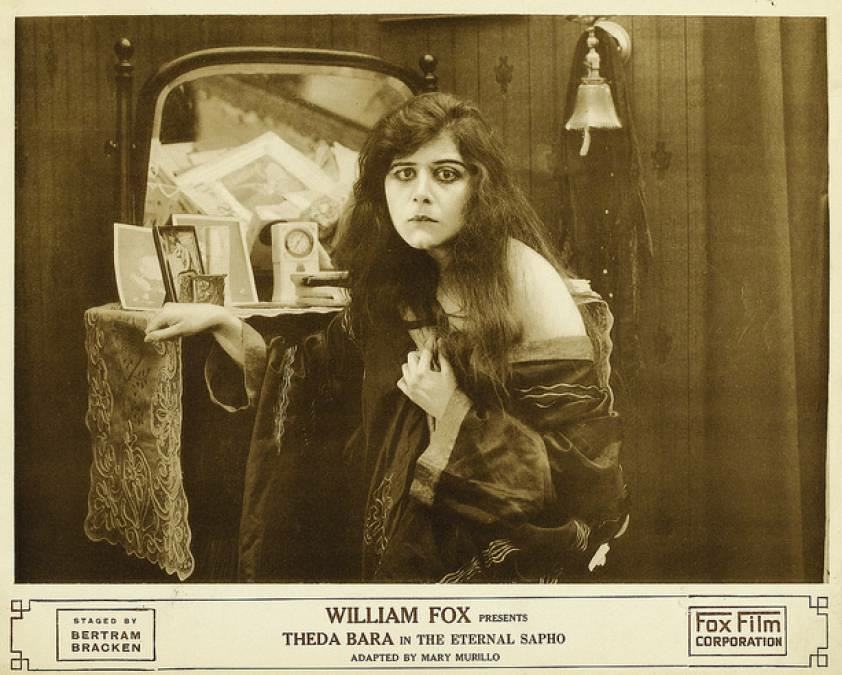
What makes The Eternal Sappho endure, beyond its star power and melodramatic plot, is its profound insight into the human condition. It explores themes that remain timeless: the corrupting influence of ambition, the agony of lost love, the burden of guilt, and the fragility of the human mind. The film, through its visual storytelling, captures the essence of these universal struggles with a raw intensity that transcends the lack of spoken word. Much like the intricate web of deceit and moral compromise woven through Sins of the Parents, or the dramatic weight of fateful choices in The Pawn of Fortune, this film delves into the often-dark consequences of human desire.
The cinematography, though perhaps rudimentary by today's standards, is effective in creating mood and atmosphere. The use of close-ups on Bara's expressive face, the dramatic staging of key scenes, and the careful composition of shots all contribute to the film's emotional impact. The intertitles, far from being mere plot devices, serve as poetic extensions of the narrative, often providing lyrical insights into the characters' thoughts and feelings, or setting the stage for the next dramatic turn. They are an integral part of the silent film experience, guiding the audience through the emotional labyrinth of the story.
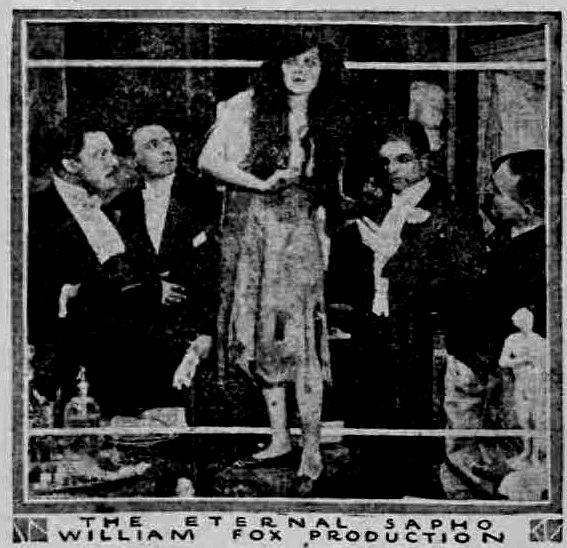
Comparing The Eternal Sappho to other films of its era, one can see both its uniqueness and its place within the broader cinematic landscape. While it shares thematic elements with other melodramas, its focus on the psychological breakdown of its protagonist sets it apart. The intensity of its tragic conclusion, where sanity itself is sacrificed on the altar of remorse, is particularly stark. In its exploration of destructive passion, one might draw parallels to the raw emotional force found in films like Rose of the South, yet Sappho's descent feels uniquely harrowing.
The film's adaptation from Daudet's novel is also noteworthy. While silent films often took liberties with their source material, Mary Murillo's screenplay manages to capture the essence of Daudet's tragic romance, translating its literary nuances into a visually compelling narrative. It speaks to the skill of early screenwriters in adapting complex stories for a medium that was still finding its voice. The enduring power of the story, even stripped of its original linguistic elegance, is a testament to its universal themes.
In a broader context, The Eternal Sappho serves as a vital historical document, offering a window into the cultural anxieties and fascinations of its time. The 'vamp' figure, epitomized by Bara, reflected a societal preoccupation with female power, sexuality, and the perceived dangers of modern womanhood. These films, often moralistic in their conclusions, nonetheless allowed for the exploration of transgressive desires and powerful female characters, even if only to condemn them in the end. It's a fascinating paradox that continues to spark discussion among film historians and critics alike.
To watch The Eternal Sappho today is to engage with a piece of cinematic history that, despite its age, still holds considerable emotional sway. It is a powerful reminder of Theda Bara's unique talent and her lasting legacy as a screen icon. The film's uncompromising depiction of tragedy, its exploration of destructive love, and its ultimate descent into madness make it a compelling, if heartbreaking, viewing experience. It's a film that lingers long after the final frame, prompting reflection on the choices we make, the loves we pursue, and the profound impact they have on our fragile human existence.
While the world of silent cinema might seem distant, the raw human emotions portrayed in films like The Eternal Sappho remain eternally relevant. It's a testament to the power of storytelling, regardless of the medium, to connect us to universal truths about love, loss, and the sometimes-unbearable weight of consequence. If you're looking to delve into the heart of silent film drama, and witness a performance that defined an era, then this tragic masterpiece is an absolute must-see.
IMDb —
1929
Community
Log in to comment.