DbcultAccessing Vault...
5/10
Senior Film Conservator
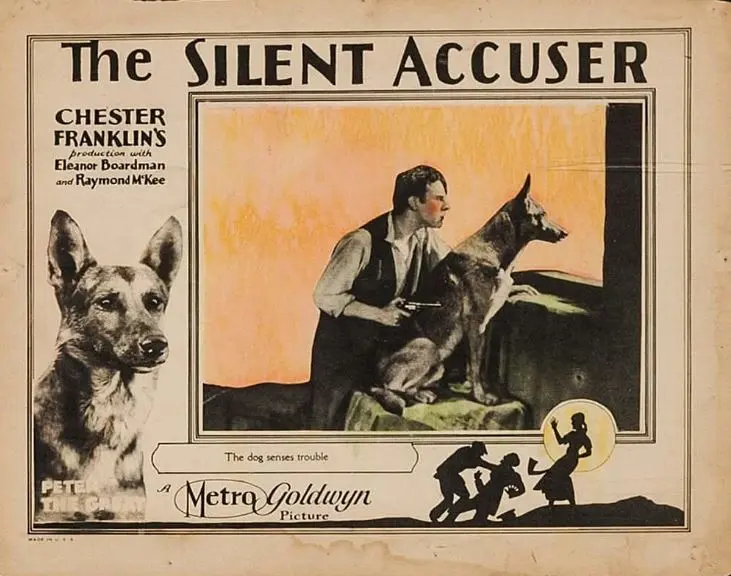
A definitive 5/10 rating for a film that redefined the boundaries of cult cinema. The Silent Accuser remains a cornerstone of transgressive art.
The 1920s represented a peculiar nexus in cinematic history where the anthropomorphic potential of animals was first truly harvested for dramatic weight. In The Silent Accuser (1924), director Chester M. Franklin—a man whose filmography suggests a profound affinity for the non-human protagonist—crafts a narrative that is as much a character study of a dog as it is a standard melodrama. While contemporary audiences might look toward The Fourth Musketeer for human-centric heroics, Franklin posits that the most reliable moral compass often resides in the instinct of a beast.
The film opens with a domestic tranquility that is swiftly shattered. The murder of Barbara Jane’s stepfather is staged with a stark, almost noir-like precision that predates the genre's official birth. Raymond McKee, playing the villainous Phil, exudes a slithering malevolence that contrasts sharply with the rugged sincerity of Earl Metcalfe’s Jack. Much like the tonal shifts found in The Greatest Question, the film moves from pastoral peace to the cold, iron bars of a prison cell with a jarring effectiveness that underscores the fragility of human reputation.
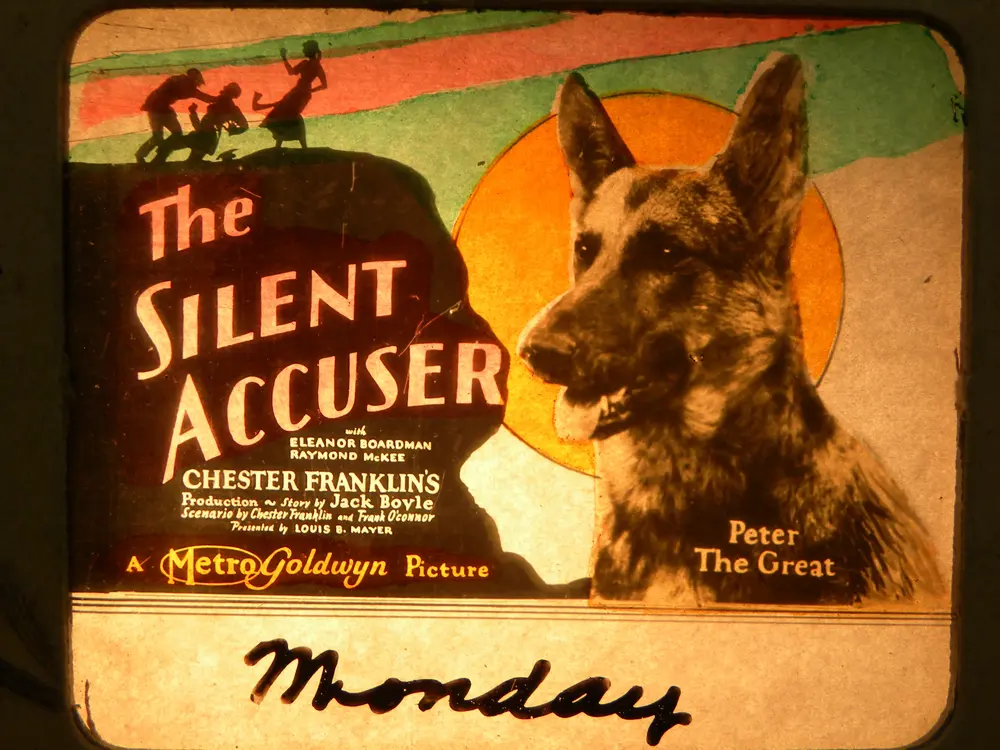
"Peter the Great does not merely perform; he observes. In his ocular reflections, we see the true nature of the culprit Phil—a man whose humanity has eroded while the dog's nobility ascends."
Eleanor Boardman, an actress whose poise often outshone her contemporaries, provides the emotional core of the film. Her portrayal of Barbara Jane is a masterclass in silent-era vulnerability, avoiding the histrionics that occasionally marred the performances in films like Gimme. Boardman’s ability to convey grief and burgeoning hope through subtle shifts in her gaze allows the film to transcend its somewhat conventional plot. She isn't merely a damsel in distress; she is a partner in a cross-border odyssey, a role that feels surprisingly modern given the 1924 release date.
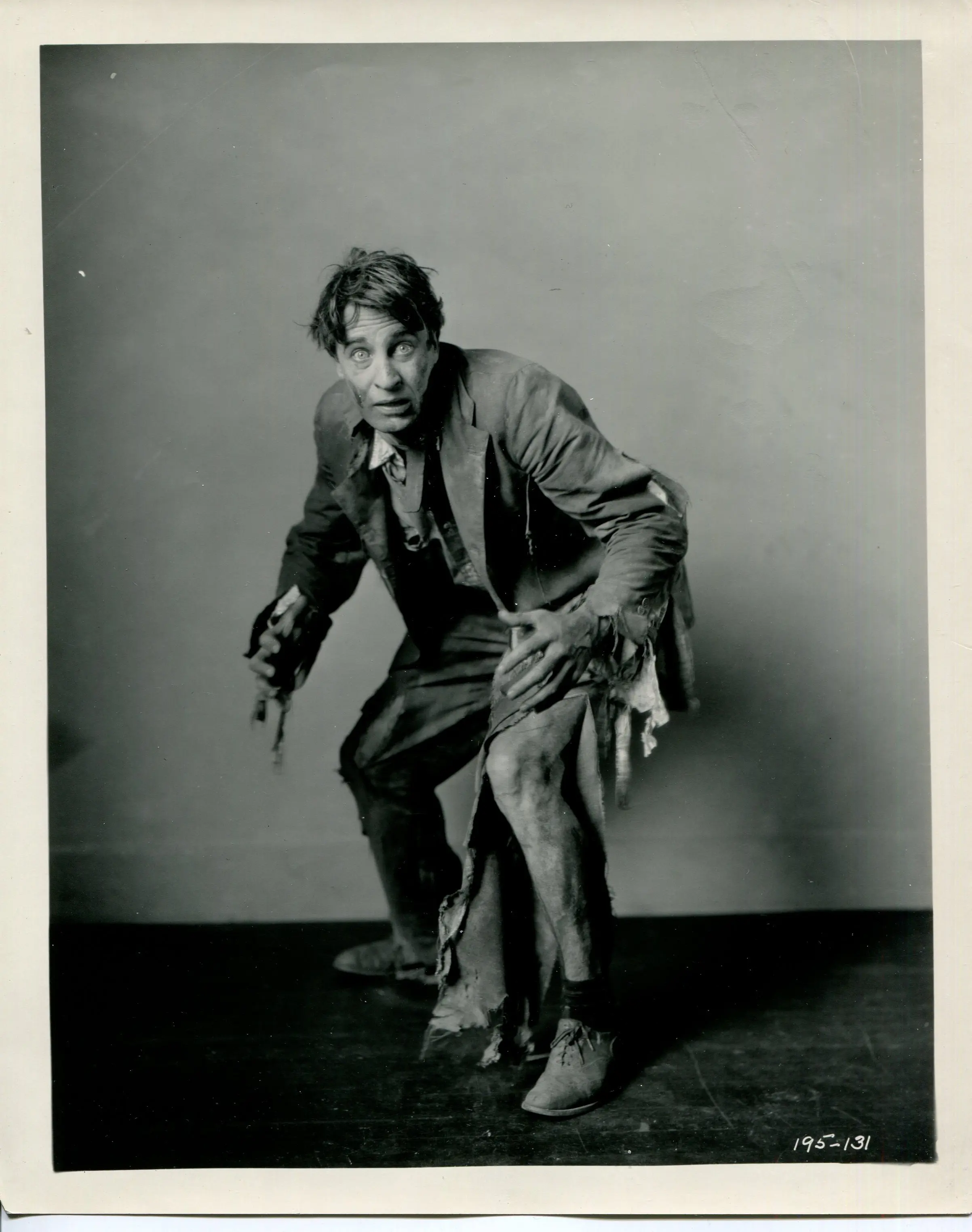
The second act’s transition to Mexico introduces an element of exoticism and lawlessness that was a staple of the era's adventure films. The cinematography captures the dusty, sun-bleached vistas with a clarity that rivals the grander scales of The Tents of Allah. Here, the pacing quickens. The escape from jail is handled with a kinetic energy that suggests Franklin was keenly aware of how to maintain tension without the benefit of a synchronized score. The chase isn't just physical; it is a spiritual pursuit of truth.
It would be a disservice to categorize Peter the Great as a mere gimmick. Unlike the comedic animal antics in Beaches and Peaches, Peter’s involvement in the plot is structural. He is the catalyst for Jack’s downfall and the instrument of his salvation. The scene where the dog confronts Phil in Mexico is genuinely harrowing. There is a raw, un-choreographed quality to the canine’s ferocity that makes the eventual confession feel earned rather than scripted. The dog acts as the surrogate for the audience’s desire for retribution.
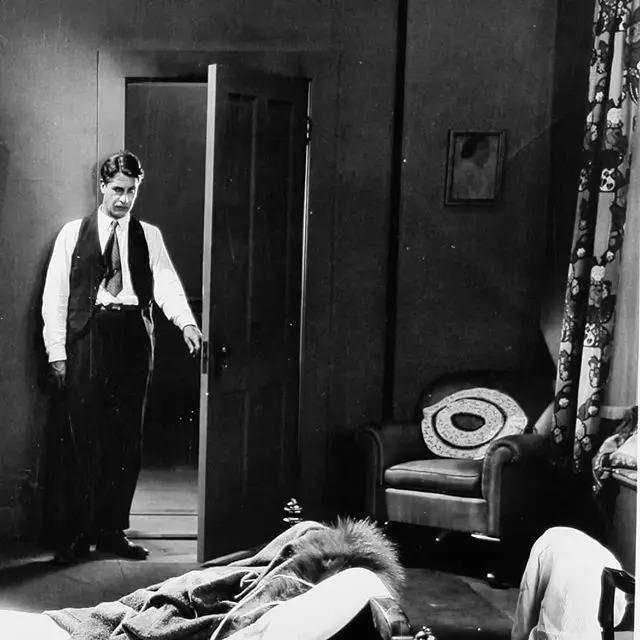
Consider the technical constraints of the time. Capturing animal performances required immense patience and a specific type of directorial vision. Chester M. Franklin, along with writers Jack Boyle and Frank O'Connor, understood that the dog could bridge the gap between the audience and the screen in a way that human dialogue (via intertitles) sometimes couldn't. This film shares a certain thematic DNA with the intense character dramas of Os Fidalgos da Casa Mourisca, focusing on the weight of legacy and the stains on one's honor.
When examining the broader landscape of 1920s cinema, The Silent Accuser stands out for its tight narrative economy. While Marc'Antonio e Cleopatra opted for historical grandiosity, Franklin’s film finds power in the intimate. It lacks the satirical bite of Casey at the Bat, yet it compensates with a sincerity that is infectious. Even when compared to the propaganda-adjacent shorts like Britain's Bulwarks, No. 1, this film remains a testament to pure entertainment value, unburdened by external agendas beyond the thrill of the hunt.
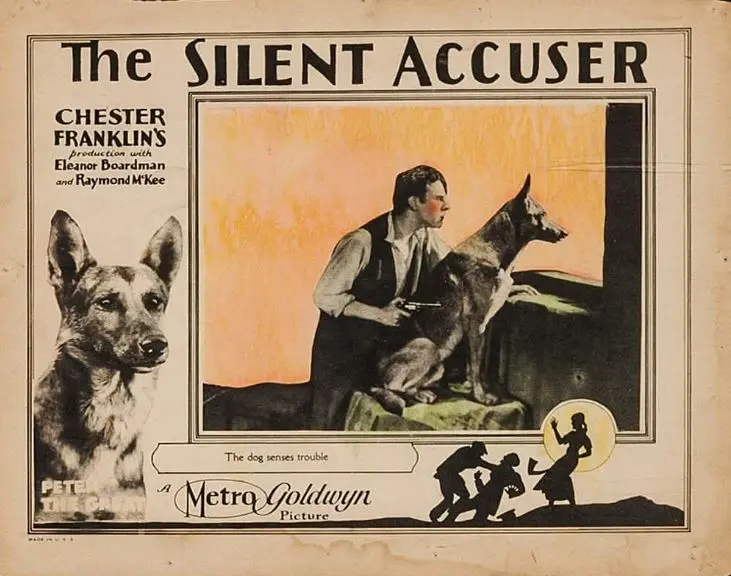
The screenplay, a collaborative effort between Boyle, O'Connor, and Franklin, is remarkably lean. There is little fat on the narrative bone. Every scene serves to either heighten the peril or deepen the bond between Jack and his dog. This efficiency is reminiscent of the better moments in Smiling Jim, where the protagonist's journey is defined by clear, escalating obstacles. The inclusion of Edna Tichenor and Paul Weigel in the supporting cast adds layers of texture to the social milieu, providing a sense of a lived-in world beyond the central conflict.
Interestingly, the film’s exploration of justice and the fallibility of the law echoes themes found in $1,000 Reward. Both films deal with the desperation of a man on the run, though The Silent Accuser benefits from the unique perspective of its canine witness. The dog is the only entity that remains unswayed by Phil’s lies or the circumstantial evidence that damns Jack. In a world of human deception, the dog is the only source of objective truth.
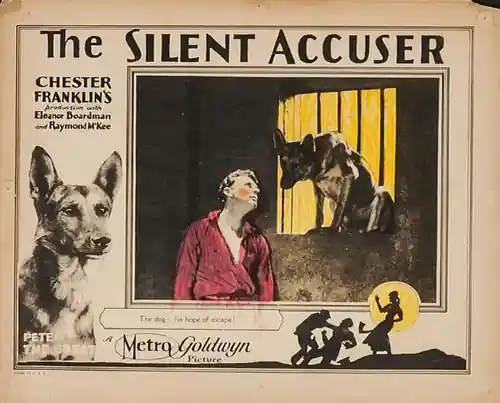
Is the film a masterpiece? By the standards of high-art cinema like Ashoka, perhaps not. But as a piece of genre filmmaking, it is exemplary. It captures a specific moment in time when the world was transitioning from the old-world values seen in Johanna Enlists to a more cynical, fast-paced modernity. The use of Mexico as a land of resolution and reckoning is a trope that would be revisited for decades to come, yet here it feels fresh and vital.
For those who appreciate the evolution of the thriller, The Silent Accuser offers a fascinating look at early suspense mechanics. It avoids the meandering tendencies of Gypsy Love and focuses instead on the visceral connection between man and beast. The ending, while predictable in its triumph of good over evil, is rendered with such conviction that one cannot help but feel a surge of satisfaction when Phil finally breaks. It is a reminder that in the silent era, sometimes the most powerful voices were the ones that couldn't speak at all.
Ultimately, the film serves as a precursor to the procedural dramas we see today, albeit with a much hairier investigator. If you find yourself wandering through the archives of early 20th-century cinema, perhaps after a viewing of Follow Me, do not overlook this canine-led noir. It is a testament to the enduring power of loyalty and the idea that justice, though it may be delayed by the deceit of men, is eventually sniffed out by those who remain true.
Verdict: A compelling relic of the 1920s that proves a dog's bark—and bite—is often more truthful than a man's word.
IMDb 6.5
1929
Community
Log in to comment.