DbcultAccessing Vault...
Cult Review
Senior Film Conservator
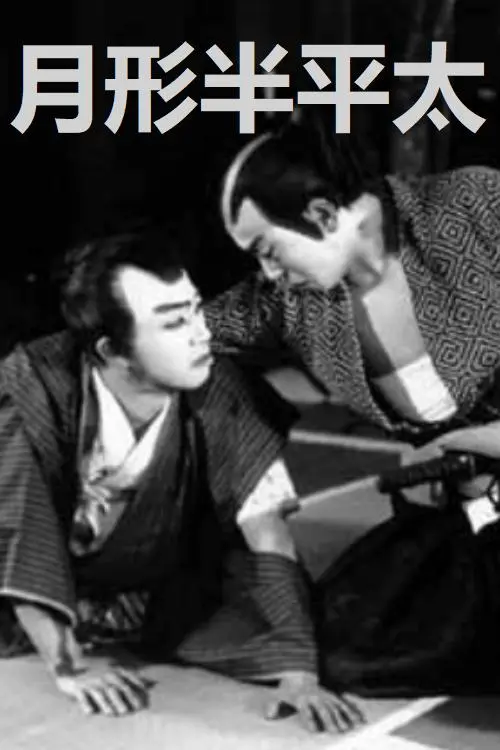
Is Tsukigata Hanpeita worth your time in the modern era? Short answer: Yes, but only if you are willing to look past the technical limitations of 1920s filmmaking to find the raw, beating heart of the samurai genre. This is a film for the cinematic historian and the fan of gritty, grounded action; it is not for those who require high-definition polish or fast-paced, Marvel-style editing.
This film represents a pivotal moment in Japanese history and cinema. It captures a specific type of masculine melancholy that would go on to define the genre for decades. If you want to see where the DNA of modern action choreography began, this is the blueprint.
1) This film works because it prioritizes the psychological weight of its protagonist over mindless spectacle, making every sword stroke feel like a moral decision.
2) This film fails because its silent-era narrative structure can feel disjointed to modern audiences, requiring significant historical context to fully grasp the stakes.
3) You should watch it if you want to see the literal birth of modern swordplay choreography and a performance by Shojiro Sawada that still feels electric today.
Tsukigata Hanpeita is worth watching because it serves as a bridge between the theatrical traditions of the past and the cinematic realism of the future. While many silent films feel like filmed stage plays, this one attempts to use the camera to capture the internal state of its hero. It offers a window into the Bakumatsu period that feels more authentic than many modern big-budget productions. It is a slow-burn experience that rewards patience with a visceral final act.
Shojiro Sawada does not just act; he inhabits the screen with a physical intensity that borders on the feral. In the 1920s, Japanese cinema was often divided between the old-school 'shinkigeki' and the emerging 'shin-jidaigeki.' Sawada was the face of the latter. His Hanpeita is a man of heavy sighs and sudden, explosive movements. When he draws his blade, it doesn’t feel like a choreographed dance; it feels like a desperate act of survival.
Consider the scene in the rain-drenched alleyway. Most silent films of this era would have used static shots. Here, the camera feels almost panicked, trying to keep up with Sawada’s erratic, powerful lunges. It’s a messy performance in the best way possible. It lacks the sanitized grace of later samurai films, opting instead for a jagged realism. This is a man who knows he is likely going to die, and every movement reflects that fatalism. It reminds me of the gritty desperation found in The Darkening Trail, where the environment is as much an enemy as the antagonist.
The direction by the collective team, under the influence of the writers Reiichi Furuma and Rifû Yukitomo, utilizes shadows in a way that feels ahead of its time. Kyoto is portrayed not as a beautiful historical city, but as a labyrinth of danger. The use of low-key lighting creates a sense of claustrophobia that mirrors Hanpeita’s own political entrapment. He is a man with nowhere to go, and the visuals reflect that perfectly.
The framing often places Hanpeita at the bottom of the screen, dwarfed by the architecture of the city or the oppressive presence of the Shogunate forces. This visual storytelling does the heavy lifting that the lack of sound cannot. While a film like The Lure of New York uses the city as a playground of opportunity, Tsukigata Hanpeita uses its setting as a tomb. It’s a stark, uncompromising look at urban warfare in the 19th century.
The pacing is where modern viewers might struggle. The film spends a significant amount of time on political discourse and the shifting alliances of the Tosa and Satsuma clans. Without the benefit of audio, these scenes rely heavily on intertitles and the expressive faces of the supporting cast. Kichijirō Ueda and Ichirô Satô provide solid support, but their roles are often functional, serving to move the plot toward the next confrontation.
However, this slow build-up is essential. It establishes the weight of Hanpeita’s choices. When the action finally arrives, it isn't just a relief; it’s an inevitability. The film doesn't rush to the finish line. It lingers on the quiet moments—the shared drinks, the hushed conversations in teahouses, the longing looks at a life Hanpeita can no longer lead. This isn't just an action movie; it’s a character study of a revolutionary in decline.
Before this film, sword fighting in Japanese cinema was largely based on Kabuki theater. It was rhythmic, symbolic, and bloodless. Tsukigata Hanpeita changed that. The swordplay here is frantic. It’s ugly. It involves grappling, stumbling, and the use of the environment. In one specific sequence, Hanpeita uses a wooden beam to deflect an attack, a move that feels remarkably modern in its pragmatism.
This shift toward realism was a shock to the system in 1925. It brought a level of violence to the screen that was previously unseen. While it might look tame compared to modern gore, the intent is clear: death is painful and chaotic. This thematic weight is something it shares with Honor Among Men, where the cost of one's code is paid in blood and broken relationships. It’s a brutal, honest depiction of combat.
There is a pervasive sense of melancholy that hangs over the entire production. Hanpeita is a protagonist who knows his time is ending. The Shogunate is falling, but the new world being built has no place for a man of his violent skills. This 'twilight' tone is what makes the film a classic. It’s not about winning; it’s about how one chooses to lose.
The film takes a hard stance on the nature of sacrifice. It doesn't glorify Hanpeita's choices as purely heroic; it shows them as destructive. He ruins the lives of those who love him in service of an abstract political ideal. It’s a nuanced take that avoids the simple black-and-white morality of many contemporary Westerns like The Square Deceiver. Hanpeita is a hero, yes, but he is also a tragedy.
Pros:
- Foundational swordplay choreography that influenced decades of cinema.
- A haunting, atmospheric portrayal of 19th-century Kyoto.
- A complex protagonist who defies simple categorization.
- Strong emotional resonance that transcends the silent medium.
Cons:
- Pacing can feel glacial during the political negotiation scenes.
- Technical limitations of the 1925 print may distract some viewers.
- The narrative assumes the audience is intimately familiar with Japanese history.
Tsukigata Hanpeita is a difficult, rewarding, and essential piece of cinema. It is the bridge between the old world and the new, both in its story and its production. It works. But it’s flawed. The film’s greatest strength is its refusal to blink in the face of its protagonist's inevitable demise. It treats the samurai not as a myth, but as a man of flesh, blood, and profound regret.
While it lacks the polish of a film like Rob Roy, it shares that film's interest in the intersection of folk legend and harsh reality. If you can surrender yourself to its rhythm and its silence, you will find a story that is as powerful today as it was nearly a century ago. This isn't just a movie; it's a historical artifact that still has plenty to say about the cost of change.
IMDb —
1922
Community
Log in to comment.