DbcultAccessing Vault...
7.7/10
Senior Film Conservator
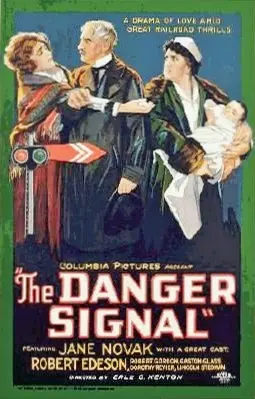
A definitive 7.7/10 rating for a film that redefined the boundaries of cult cinema. The Danger Signal remains a cornerstone of transgressive art.
Mary Browning, a widow and mother to twin sons, grapples with a poignant choice when wealthy Cyrus Browning, the father of one of her sons, proposes to adopt the favored child, ensuring his legacy and fortune. The narrative unfolds with a rich tapestry of personal and familial conflicts, as Mary ultimately decides to keep Robert, the younger son, while reluctantly parting with Ralph, the elder. This initial decision sets the stage for an intricate plot that spans the dual trajectories of the twins as they grow into adulthood, each making a series of choices that define their respective fates.
Ralph, the adopted son, descends into a life of dissipation and moral decay, while Robert, the son Mary retains, emerges as a model of virtue, securing his place in his grandfather's railroad business. The narrative's tension is heightened by the romantic entanglement between the twins and Laura Whitman, a girl who captures the hearts of both. Ralph's misguided strategy to devalue Robert in Laura's eyes backfires spectacularly, leading to a series of events that test the bonds of family and integrity.
As the story progresses, Robert's valor and moral fortitude come to the fore. He saves the mails from robbery and later prevents his grandfather's private car from being catastrophically wrecked. These acts of heroism and selflessness serve as pivotal moments in the narrative, establishing Robert's character as one of unwavering moral compass and strength. Conversely, Ralph's descent into debauchery and moral bankruptcy is a stark contrast, highlighting the consequences of his choices and the stark differences in their destinies.
The climactic moment of the film arrives when Cyrus Browning, having not seen Mary in many years, encounters her and her two sons. This reunion is not merely coincidental but a deliberate plot device that serves to underscore the film's themes of redemption and the power of familial reconciliation. Browning's recognition of the second grandson, Robert, prompts a soul-searching moment for the grandfather, leading to a profound realization of the error in his earlier judgment. The film culminates in a poignant resolution where Robert wins Laura's heart, and Mary's gentle wisdom and influence begin to reshape Ralph, signaling a path to redemption.
Director Douglas Z. Doty's meticulous handling of the narrative ensures that each character's arc is fully realized, with nuanced performances from the cast, particularly Robert Edeson as Ralph and Jane Novak as Laura Whitman. The film's exploration of themes such as family duty, personal integrity, and the quest for redemption is both timeless and deeply resonant, making it a valuable addition to the silent film canon. In the context of early 20th-century cinema, 'The Danger Signal' stands out for its thoughtful portrayal of complex human emotions and the enduring power of familial bonds.
When compared to contemporaneous films like 'The Willow Tree' or 'The Belle of Kenosha,' 'The Danger Signal' offers a more introspective and morally nuanced perspective. Its focus on the internal struggles of its characters and the eventual resolution of these conflicts through acts of kindness and redemption sets it apart from more formulaic narratives. The film's success lies in its ability to balance dramatic tension with moments of genuine human connection, making it a compelling watch for both film enthusiasts and general audiences.
In conclusion, 'The Danger Signal' is a masterclass in storytelling, delivering a compelling narrative that explores the depths of human emotion and the transformative power of love and redemption. It remains a significant piece of early cinema, offering insights into the values and social issues of its time, while also resonating with contemporary audiences. Its enduring appeal lies in its ability to capture the universal human experience, making it a film that continues to captivate viewers decades after its initial release.
IMDb —
1918
Community
Log in to comment.