DbcultAccessing Vault...
5.8/10
Senior Film Conservator
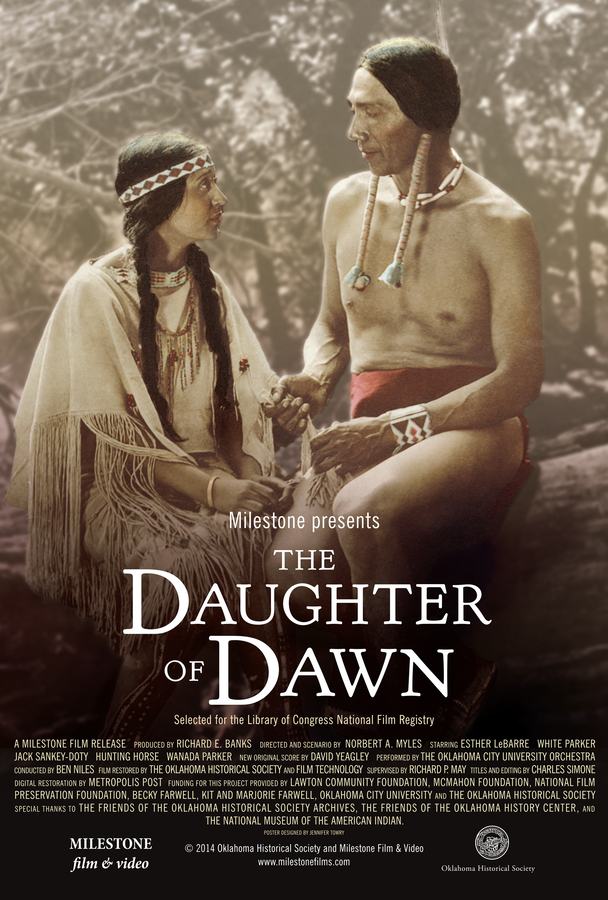
A definitive 5.8/10 rating for a film that redefined the boundaries of cult cinema. The Daughter of Dawn remains a cornerstone of transgressive art.
Stepping into the world of *The Daughter of Dawn* is akin to unearthing a cinematic time capsule, a rare and profoundly significant artifact from a bygone era that speaks volumes about storytelling, cultural representation, and the enduring power of human emotion. This isn't just a silent film; it's a vibrant, living testament to Indigenous cultures, brought to life by an all-Native American cast at a time when Hollywood rarely, if ever, extended such authenticity. Its recent meticulous restoration doesn't merely polish an old relic; it reignites a crucial flame in the annals of film history, allowing contemporary audiences to witness a narrative of love, loyalty, and tribal strife with astonishing clarity and emotional resonance.
From its very inception, *The Daughter of Dawn* distinguished itself. Filmed in 1920, it stands as an unparalleled example of early cinema, featuring an authentic depiction of Kiowa and Comanche life, meticulously recreated with genuine artifacts, customs, and settings. This wasn't merely a backdrop; it was the very essence of the production. The film’s narrative, crafted by writers Charles Simone, Norbert A. Myles, and Richard Banks, is deceptively simple in premise yet rich in its exploration of universal themes: love, jealousy, honor, and the devastating consequences of inter-tribal conflict. It unfolds with a lyrical quality, its lack of spoken dialogue only amplifying the expressive physicality and nuanced performances of its remarkable cast.
At the heart of this poignant drama lies a classic love triangle, yet one imbued with profound cultural weight. Dawn, portrayed with captivating grace by Esther LeBarre, is the daughter of a revered Kiowa chief. Her affections are sought by two formidable figures: White Eagle, a valiant warrior from her own Kiowa village, brought to life with earnest intensity by Hunting Horse; and Black Wolf, the charismatic and powerful war chief of the neighboring Comanche, played with magnetic presence by Grover Takone. This romantic predicament is not merely a personal struggle; it is a microcosm of the delicate balance of power and peace between two sovereign nations. The burgeoning passions and inevitable jealousies of these central characters catalyze a chain of events that threaten to shatter the fragile harmony painstakingly maintained between the Kiowa and Comanche peoples. The narrative, under the guidance of its writers, shrewdly navigates these treacherous waters, illustrating how individual desires, when unchecked, can ripple outwards, engulfing entire communities in conflict.
The film excels in its depiction of the escalating tensions. We witness the subtle shifts in demeanor, the furtive glances, and the increasingly aggressive posturing that precede outright warfare. The stakes are immense: not just the happiness of Dawn, but the very lives and traditions of both tribes. The writers, Simone, Myles, and Banks, deserve commendation for crafting a story that, despite its silent medium, communicates complex emotional and political dynamics with remarkable clarity. Their narrative choices elevate what could have been a simplistic romance into a compelling study of communal responsibility versus personal longing. The film’s structure allows for moments of quiet intimacy to contrast sharply with scenes of grand-scale tribal gatherings and impending battle, creating a rhythm that keeps the viewer utterly engrossed.
Perhaps the most revolutionary aspect of *The Daughter of Dawn* is its commitment to authenticity through its casting. The entire ensemble, comprising members of the Kiowa, Comanche, and other Indigenous nations, brings an unparalleled realism to the screen. Actors like Hunting Horse, Grover Takone, Myers Horse, Esther LeBarre, Haumpy, Old Man Tsoodle, Waldo Daukei, Blue Jay, Ella Apekum, Frank Skinny, Oscar Yellow Wolf, Caddo Mausape, White Parker, Slim Tyebo, Little Joe, Silverhorn, Jack Sankeydoty, Em-koy-e-tie, Mark Auchiah, Geimausaddle, Belo Cozad, Daugemah, Stecker, Old Man Saupitty, Old Lady Sunrise, Alice Apekum, Wanada Parker, Charley Buffalo, and Pau-kau-sah are not simply performers; they are custodians of their heritage, imbuing each gesture, expression, and ceremonial act with genuine cultural weight. Their performances transcend the limitations of the silent era, conveying a spectrum of emotions through their eyes, their body language, and their very presence.
Esther LeBarre, as Dawn, delivers a performance of quiet strength and inner turmoil, making her character's impossible choice feel deeply empathetic. Hunting Horse, as White Eagle, embodies the stoic heroism and unwavering loyalty expected of a tribal warrior, while Grover Takone’s Black Wolf exudes a compelling blend of pride and ambition. The communal scenes, showcasing the daily life, dances, and ceremonies of the Kiowa and Comanche, are utterly captivating, offering a window into a world rarely seen with such respectful detail in early cinema. Unlike many contemporary films that often reduced Indigenous peoples to caricatures or antagonists, *The Daughter of Dawn* presents them with dignity, complexity, and a profound sense of self. This film serves as a crucial counter-narrative, a testament to the richness and depth of Native American cultures, presented by those who lived and breathed them.
The visual language of *The Daughter of Dawn* is nothing short of poetic. The cinematography, particularly in its depiction of the vast plains and the tribal encampments, is breathtaking. Even in its original, unrestored state, the film’s ability to capture the grandeur of the landscape and the intricate details of tribal life was remarkable. The recent restoration, however, has elevated this aspect to new heights. The once faded and damaged reels have been meticulously brought back to life, revealing crisp images, nuanced textures, and a depth that was previously lost to time. The visual clarity allows for a greater appreciation of the period-accurate costumes, the elaborate tipis, and the authentic weaponry, all of which contribute to the film’s immersive quality.
In a silent film, visual storytelling is paramount, and *The Daughter of Dawn* masterfully utilizes every frame. The expansive long shots convey the isolation and majesty of the natural world, while closer shots emphasize the emotional intensity of the characters. The dramatic sequences, particularly the tribal conflicts, are staged with a realism that is both thrilling and sobering. The use of natural light and the stark contrasts between light and shadow further enhance the film's aesthetic appeal. This visual artistry, now beautifully preserved, allows us to connect with the story and its characters on a visceral level, proving that powerful narratives transcend the need for dialogue when conveyed through such compelling imagery. The restoration project itself is a triumph, underscoring the importance of preserving cinematic heritage, especially works that offer such unique cultural insights.
The significance of *The Daughter of Dawn* extends far beyond its narrative. It is a crucial document of early American cinema and an invaluable record of Indigenous life and self-representation. In an era dominated by often stereotypical portrayals, this film stands as a beacon of authenticity, challenging prevailing narratives and offering a perspective rarely afforded to Native American communities on screen. Its rediscovery and subsequent restoration are not merely academic exercises; they are vital acts of cultural reclamation, ensuring that this powerful story and its unique production history are not lost to oblivion.
The themes explored within *The Daughter of Dawn* resonate with timeless universalities, making it relevant even today. The struggle between love and duty, the consequences of unchecked ambition, and the profound impact of inter-communal relations are all elements that continue to define human experience. In this regard, one might draw parallels with other films that delve into the complexities of desire and societal expectations, such as The Lure of Heart's Desire or A Man and the Woman, both of which explore the intricate dance of relationships against challenging backdrops. However, *The Daughter of Dawn* distinguishes itself through its specific cultural lens and its pioneering approach to representation.
Furthermore, the film's depiction of conflict and its resolution, or lack thereof, offers a compelling study in human nature. Much like the societal upheavals and personal transformations explored in films like The Regeneration, *The Daughter of Dawn* examines how individuals and communities navigate periods of intense pressure and change. The weight of tradition and the pull of progress are palpable throughout, offering a nuanced view of a world grappling with its own internal and external dynamics. The film's ability to communicate these profound ideas without a single spoken word is a testament to the potent visual storytelling and the deeply felt performances of its cast.
For cinephiles and cultural historians alike, *The Daughter of Dawn* is an indispensable watch. It’s more than just a historical curiosity; it’s a vibrant, compelling piece of art that challenges conventional notions of early cinema and Indigenous representation. The meticulous efforts of preservationists have not only saved a film but have also resurrected a vital piece of cultural dialogue, allowing us to engage with a story told by and about Native Americans during a period when their voices were often marginalized or silenced. The film stands as a powerful reminder of the diversity of American cinematic output and the rich tapestry of stories that deserve to be seen and heard.
Its narrative depth, authentic portrayal of Kiowa and Comanche life, and the sheer bravery of its production make it a standout. The emotional performances, the stunning cinematography, and the timeless themes coalesce into an experience that is both educational and deeply moving. To watch *The Daughter of Dawn* is to journey back in time, to witness a pivotal moment in cinematic and cultural history, and to appreciate the enduring power of storytelling through the silent, yet profoundly eloquent, language of film. It is a cinematic treasure, now wonderfully restored for new generations to discover and cherish, solidifying its rightful place as a cornerstone of American independent cinema and a monumental achievement in Indigenous filmmaking.
IMDb 6.7
1932
Community
Log in to comment.