DbcultAccessing Vault...
6.4/10
Senior Film Conservator
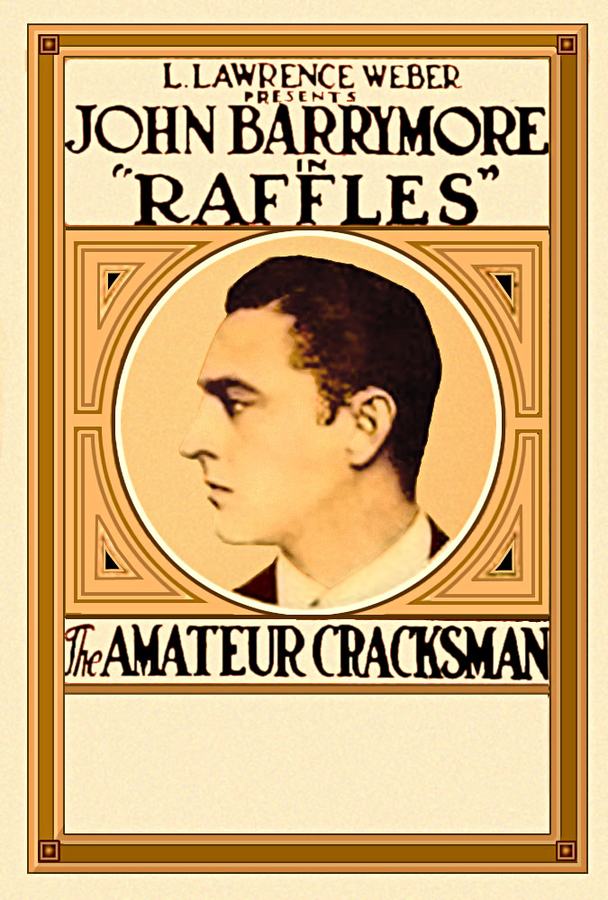
A definitive 6.4/10 rating for a film that redefined the boundaries of cult cinema. Raffles, the Amateur Cracksman remains a cornerstone of transgressive art.
Stepping back into the hallowed halls of early cinema, one often finds gems that, despite the passage of a century, retain a remarkable sheen. Raffles, the Amateur Cracksman, released in 1917, is precisely such a treasure. It's a film that not only encapsulates the burgeoning artistry of silent-era storytelling but also provides a dazzling showcase for one of its most magnetic stars, John Barrymore. Adapted from E.W. Hornung’s beloved stories, this cinematic venture deftly translates the literary charm of the gentleman thief onto the silver screen, crafting a narrative that is as much a character study as it is a thrilling caper.
The premise, in its elegant simplicity, is a masterstroke: a celebrated cricketer and darling of London society secretly moonlighting as a master burglar. This duality is the very essence of Raffles, and Barrymore, with his striking features and inherent theatricality, embodies it with an effortless grace that is utterly captivating. His Raffles is not merely a thief; he is an artist, a philosopher of larceny, driven by the thrill of the chase and the intellectual challenge of outwitting the establishment. The film's central conflict revolves around his audacious attempt to purloin a priceless pearl, a MacGuffin that serves as the perfect catalyst for a series of clever deceptions and nail-biting escapes.
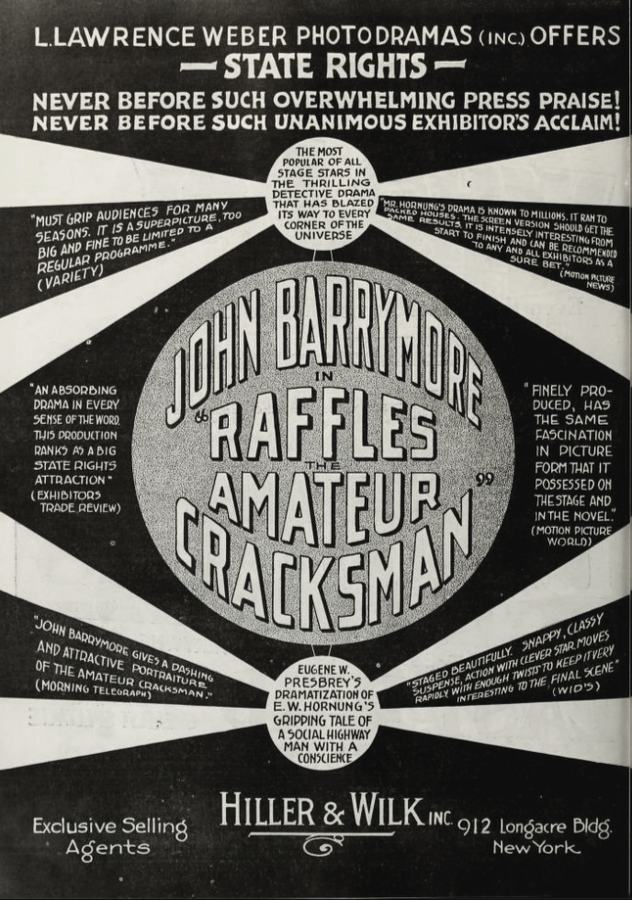
To truly appreciate Raffles, the Amateur Cracksman, one must first acknowledge the towering presence of John Barrymore. In an era where acting was often broad and melodramatic, Barrymore possessed a nuanced subtlety that set him apart. His Raffles is a symphony of understated gestures, knowing glances, and a smile that could disarm a vault. He conveys a depth of character that transcends the limitations of silent film, suggesting an inner world of wit, daring, and perhaps a touch of melancholic ennui. One can observe the glint in his eye when he concocts a new scheme, or the almost imperceptible flicker of concern when his plans teeter on the brink of exposure. This isn't just acting; it's an immersive embodiment, a complete understanding of the character's psyche.
His physicality is equally remarkable. As a cricketer, he exudes an athletic prowess that makes his daring escapes believable. As a gentleman, his posture and movements are impeccable, never betraying the hidden life he leads. This mastery of expression makes the film a compelling watch, even for modern audiences accustomed to dialogue. Barrymore communicates volumes through his eyes and the slightest tilt of his head, making the intertitles almost secondary to the visual narrative he constructs. It’s a performance that, while different in medium, shares a certain dramatic magnetism with his later work in Don Juan, where his charisma similarly carried the weight of the story.
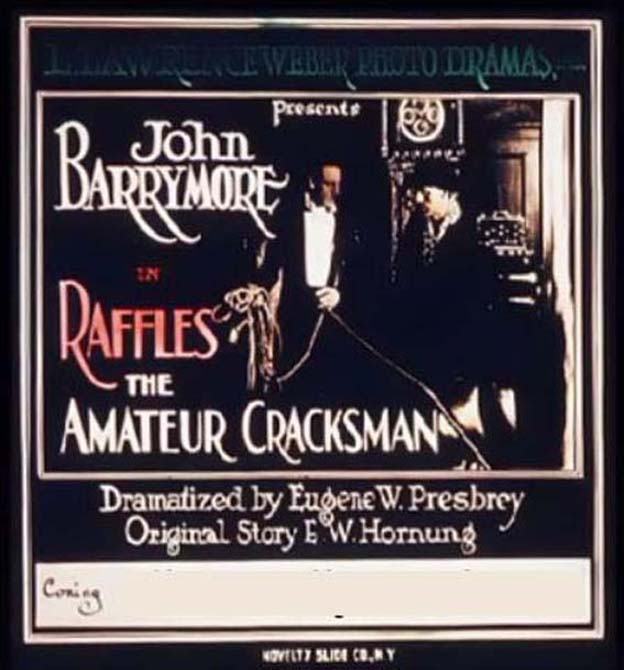
The plot, while straightforward in its core objective, unfolds with a satisfying intricacy. Writers E.W. Hornung, Anthony Paul Kelly, and Eugene Wiley Presbrey craft a scenario that keeps the audience perpetually engaged, wondering not if Raffles will succeed, but how he will manage to pull off his audacious feat and, more importantly, how he will evade capture. The tension builds gradually, punctuated by moments of genuine suspense and clever misdirection. The film’s pacing is particularly noteworthy for its era; it avoids the languid stretches sometimes found in early features, maintaining a brisk tempo that propels the story forward with purpose.
The various supporting characters, though perhaps less developed than Raffles himself, serve their roles effectively. Frank Morgan, for instance, provides a solid counterpoint to Barrymore’s flamboyant thief, while Evelyn Brent adds a touch of romantic intrigue, further complicating Raffles's already intricate existence. The ensemble contributes to the atmosphere of high society and the constant threat of discovery, making Raffles's tightrope walk all the more precarious. The dynamic between Raffles and his pursuers, particularly Scotland Yard, echoes the classic detective versus criminal trope, albeit with a unique twist where the criminal is the one we're often rooting for. It's a dance as intricate and compelling as any found in later crime dramas, establishing a template for the genre that would be refined over decades.
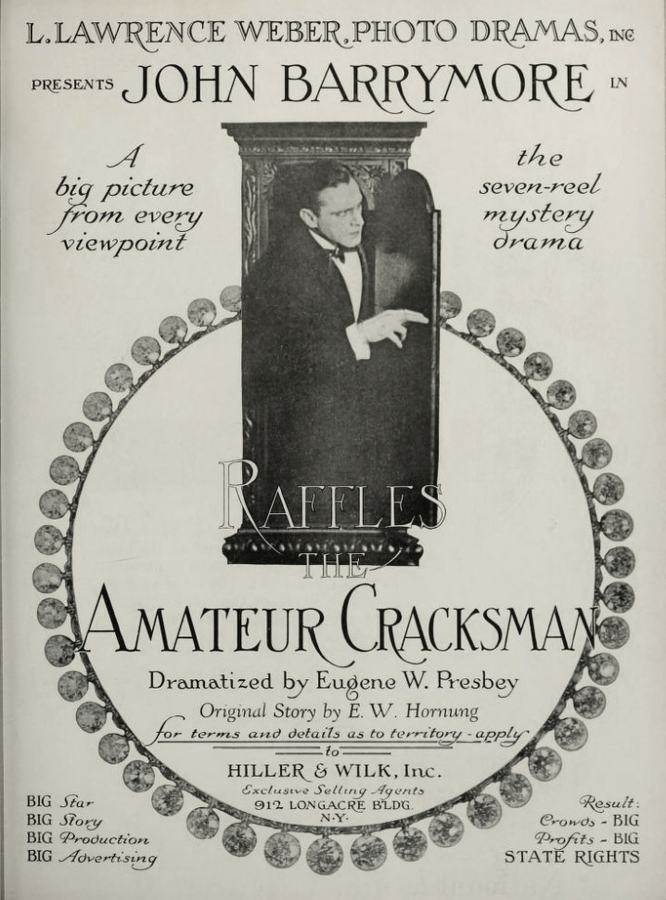
One of the film's undeniable strengths lies in its ability to transport the viewer to a bygone era. The sets, costumes, and overall production design meticulously recreate the lavishness of turn-of-the-century London society. From grand ballrooms to dimly lit studies, every detail contributes to the immersive experience. The cinematography, while adhering to the conventions of silent film, is often surprisingly dynamic, utilizing close-ups to emphasize emotional states and wider shots to establish the grandeur of the settings. The use of light and shadow, a nascent art form at this time, adds significantly to the suspense and mystery, particularly during the actual heist sequences.
The visual storytelling is paramount in silent cinema, and Raffles, the Amateur Cracksman excels in this regard. Complex actions and emotional shifts are conveyed through carefully orchestrated blocking and expressive performances, reducing the reliance on intertitles to a necessary minimum. This visual eloquence allows the audience to become fully absorbed in the narrative, interpreting the characters' thoughts and intentions through their actions and reactions. It's a testament to the skill of the filmmakers that they could craft such a coherent and engaging story without spoken dialogue, relying instead on the universal language of human expression and cinematic technique.
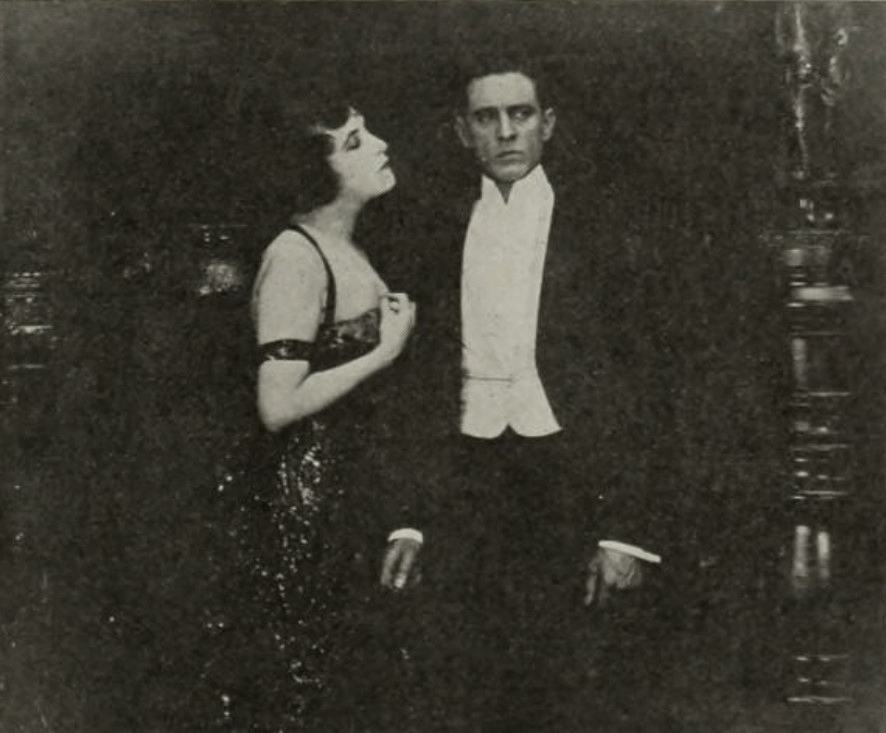
The character of Raffles, much like Sherlock Holmes (whose adventures in The Hound of the Baskervilles were also being adapted for the screen around this time), struck a chord with the public. There's an inherent fascination with figures who defy convention, who operate outside the rigid confines of the law yet maintain a code of honor, however twisted it might seem. Raffles embodies the romantic ideal of the rogue, a man who lives by his wits and challenges the established order not out of malice, but out of a desire for excitement and perhaps a subtle critique of societal hypocrisy. This archetype of the 'gentleman thief' would go on to inspire countless characters in literature and film, from Arsène Lupin to Cary Grant's character in To Catch a Thief.
The film's exploration of class distinctions and the hidden lives of the elite adds another layer of intrigue. Raffles moves effortlessly between worlds, exploiting the very trust that his social standing affords him. This commentary, subtle as it may be, resonates even today, highlighting the often-blurred lines between respectability and deception. It's a world where appearances are everything, and Raffles is a master of maintaining the perfect facade. The thrill of watching him almost get caught, only to slip away through sheer ingenuity, is a testament to the timeless appeal of a well-executed con.
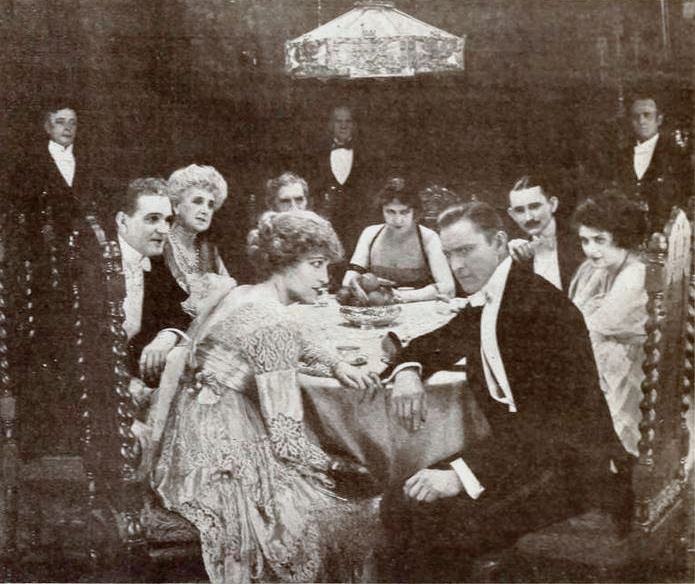
Despite its age and the silent film format, Raffles, the Amateur Cracksman remains a remarkably engaging piece of cinema. Its narrative clarity, coupled with Barrymore’s electrifying performance, ensures that it holds up as more than just a historical curiosity. It's a testament to the power of compelling storytelling and charismatic acting that a film from over a century ago can still elicit gasps and smiles. The ingenuity of the plot, the elegance of the execution, and the sheer magnetism of its lead actor combine to create an experience that transcends the limitations of its medium.
For enthusiasts of silent film, it's an essential viewing, offering a glimpse into the sophisticated narrative techniques that were evolving rapidly during this period. For those new to the genre, it serves as an excellent entry point, demonstrating that silent movies are far from primitive. They are, in fact, incredibly expressive and capable of delivering profound emotional and intellectual experiences. The film's influence can be seen in countless subsequent thrillers and caper films, solidifying its place not just as a significant work in its own right, but as a foundational text in the cinematic lexicon of crime and intrigue. It’s a compelling argument for the enduring power of classic narratives, proving that a good story, well told, never truly fades into obscurity.
The film is a vivid reminder of the foundational artistry of cinema, where visual cues and the sheer force of personality could carry an entire narrative. It’s a delightful paradox: a film about a master of disguise and deception that, in its own way, strips away the superficiality to reveal the enduring appeal of a well-crafted character and an exhilarating plot. Highly recommended for anyone seeking a classic thrill with a touch of old-world charm.

IMDb 5.1
1933
Community
Log in to comment.