DbcultAccessing Vault...
Cult Review
Senior Film Conservator
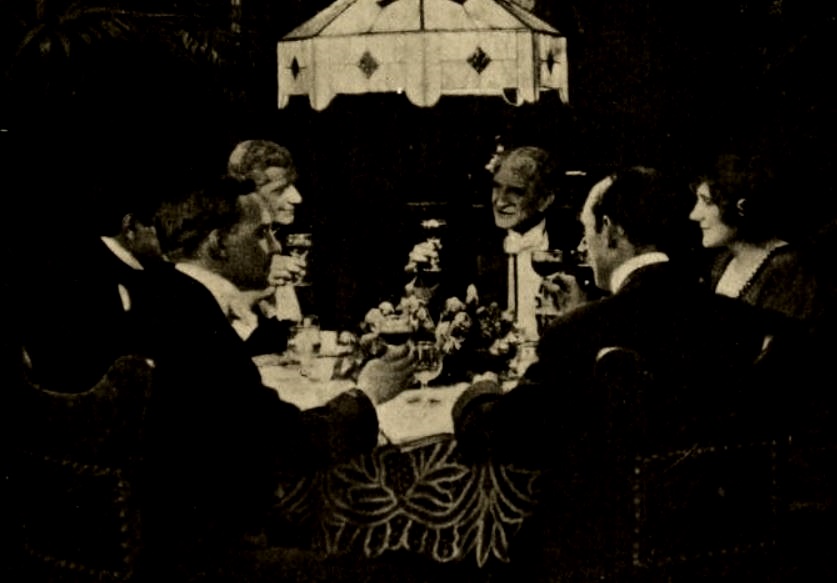
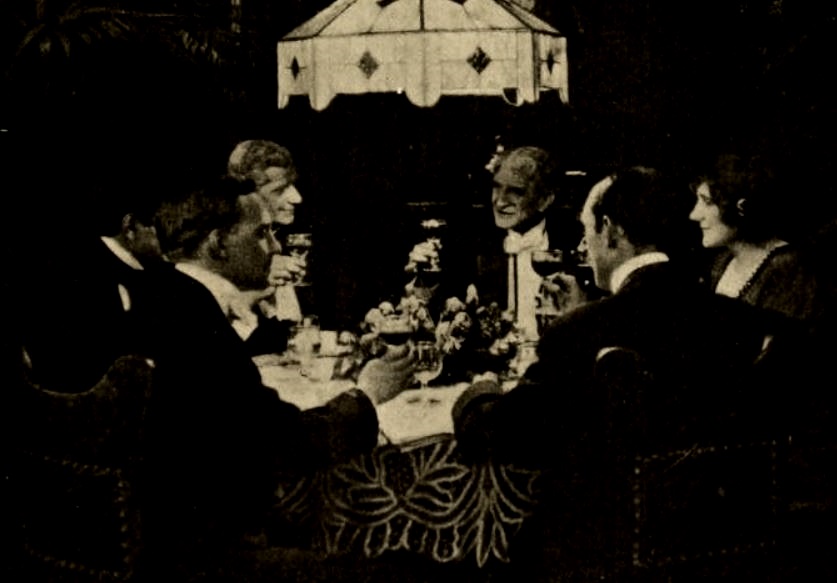
A ballroom becomes a battleground
The first time I saw The Daughters of Men I was wedged into a folding chair at Brooklyn’s Morbid Monday micro-cinema, the print flickering like a lantern about to snuff itself. Within three minutes Reginald Crosby’s champagne fountain—an eight-tiered, Gatsby-before-Gatsby monstrosity—had overflowed onto patent-leather shoes and the frame frosted with nitrate bloom. The audience laughed, but the laughter curdled when the next intertitle slapped us with news of a seventeen-hour lockout. That juxtaposition—glissando of laughter, staccato of hunger—is the whole film in miniature.
Forget the CliffNotes précis you half-remember from some grad-school syllabus. Klein and McCloskey’s screenplay is a Rube Goldberg contraption powered by libido and ledger books. Reginald (Earl Metcalfe, eyes always half-lidded like a cat who’s read Swinburne) doesn’t merely throw parties; he weaponizes them, turning each soirée into a lobbying grenade. When the labor editor prints a photo of a riveter’s child gnawing on a crust beside Reginald’s caviar avalanche, the image detonates a walkout that feels eerily like a 1914 retweet going viral.
Louise Stolbeck—Ethel Clayton in a role that should have catapulted her past Pickford—doesn’t enter as anyone’s "sweetheart." She vaults onto a crate, hair uncoiling like smoke, and recites a speech that is half-Emma Goldman, half-Bowery chanteuse. The camera dares to push in until her cheekbones fill the frame, the iris-in creating a private planet of fury. Meanwhile Grace Crosby (Lila Leslie) starts the film upholstered in mink so thick she looks upholstered, but by reel four she’s slinking through tenement corridors with a pamphlet stash under her cape. The moment she peels off a silk glove to shake the hand of a machinist with oil-blackened knuckles, the class divide collapses into a single frame.
Director William J. Bowman (unjustly forgotten) cross-cuts like a man possessed. While Jem Burress (Arthur Matthews) spits vitriol at the union hall, the film smash-cuts to Reginald’s footmen polishing silverware that could pay a week’s wages for every striker. The montage predates Griffith’s intolerance diptych by a full year, yet historians keep crediting Birth of a Nation for inventing everything except the coffee percolator.
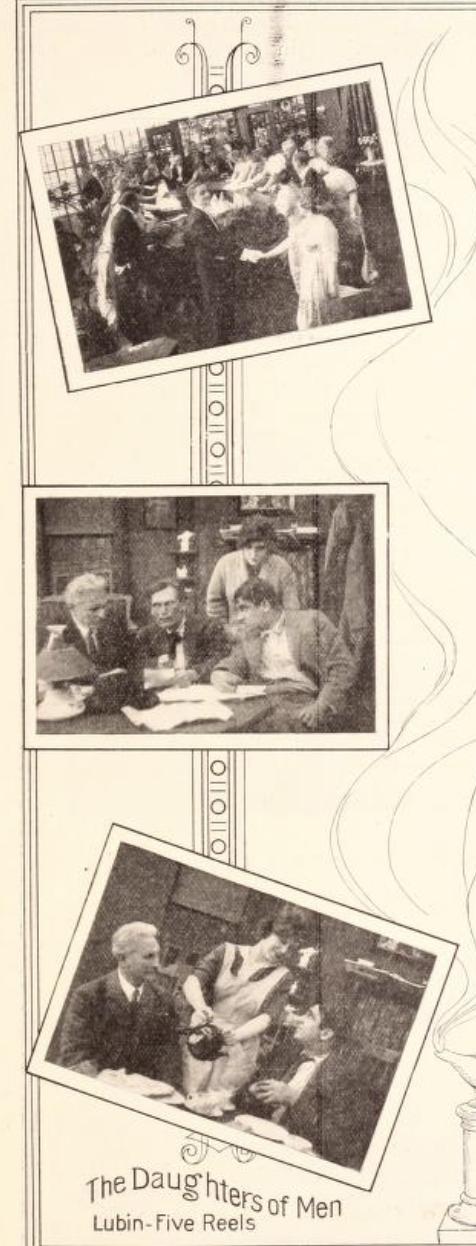
Color tinting—amber for soirées, viridian for factory interiors, blood-red for the final confrontation—turns each scene into a synesthetic postcard. When Grace and Louise finally share a two-shot in John’s apartment, the amber from the hallway bleeds into the viridian of the workspace, creating a muddy, sea-green swirl that whispers compromise louder than any subtitle.
Earl Metcalfe’s Reginald is every tech-bro narcissist you’ve ever rolled your eyes at in a coffee queue: the languid drawl, the conviction that charity is a performance art. Watch him recite a toast while his pupils track not the guests but their reflections in the silver—he’s auditing his own splendor. Conversely, Percy Winter’s Matthew is all ledger-board anxiety; his shoulders creep higher whenever the quarterly reports flutter. Winter acts with his back muscles, a masterclass in peripheral tension.
But the film belongs to the women. Ethel Clayton’s Louise has a glare that could pickle herring; when she hisses "I’d rather starve than curtsy," the subtitle card quivers on screen as though embarrassed by its own exclamation point. Lila Leslie’s Grace delivers the most subversive moment in 1910s cinema: she proposes to John—not in private, but in front of her two capitalist brothers, effectively weaponizing matrimony into collective bargaining.
Production memos (preserved in the Herrick’s yellowing folders) reveal the studio wanted a tidy ending: management benevolent, workers grateful, romance triumphant. Klein threatened to pull his name; Bowman backed him. The result is a dénouement that feels lived-in rather than laminated. Yes, the foundries reopen, but the final tableau shows Louise alone on a streetcar, victory banner rolled under her arm, eyes hollowed by the knowledge that every compromise is a partial defeat. No orchestral swell, no iris-out on a kiss—just the clatter of rail over tie, the hum of a city that will forget her by morning.
In the same year this film hit nickelodeons, the Ludlow Massacre smoldered barely two states away. Viewers would have walked from the theater past newsboys hawking headlines about Rockefeller guards torching tents. That immediacy electrifies every frame; the film doesn’t lecture, it vibrates. Compare it to the Swedish Strejken—bleak, snowy, deterministic—or to The Might of Gold, where capital is a mustache-twirling villain. Daughters opts for messy triangulation: the bourgeoisie aren’t monsters, merely intoxicated by their own reflection; the workers aren’t saints, just exhausted.
Jem’s sabotage attempt—mailing forged letters implying John embezzled strike funds—feels ripped from a Shondaland writers’ room. The midnight convergence in John’s flat is silent-era Big Brother: four conflicting agendas, one flickering gaslight, zero privacy. Grace arrives clutching a marriage contract like a warrant; Louise arrives clutching a warning like a dagger; John stands between them holding a kettle that’s forgotten to whistle, steam fogging his spectacles. The blocking is geometric perfection: diagonal lines of tension, every doorway framing a potential exit that nobody takes.
Loews’ 4K restoration is luscious but sanitizes two crucial frames: the original featured a graffito reading "8-hour day or burn it down" scrawled on a boiler. The restoration team blurred it, citing "modern safety standards." That’s like repainting Guernica because bombs upset focus groups. Seek out the 1998 MoMA print if you want your agitation unvarnished.
Most archives slap a jaunty ragtime piano track atop labor strife, neutering the rage. Catch any screening with a live trio using Jeremy Barlow’s 1983 score—based on contemporary strike songs and atonal factory clanks. When the musicians hammer woodblocks against metal sheets in sync with the on-screen picket line, the barrier between audience and artifact disintegrates; you taste coal dust in your molars.
This isn’t homework masquerading as entertainment; it’s a nitrate time bomb. The issues—wage theft, union busting, media manipulation—aren’t antique curios. Every time an algorithm squeezes another gig worker, Daughters whispers from its archival catacomb: we already filmed this fight, and the reel is still spinning. Stream it if you must, but better to haunt any rep house daring enough to project it on 35 mm. When Louise’s face flickers in the dark, you’ll feel the room tilt, as though the seats themselves demand better terms.
Verdict: 9.2/10—a blistering prequel to every labor story we’re still too timid to tell.

IMDb 5.6
1924
Community
Log in to comment.