DbcultAccessing Vault...
7.1/10
Senior Film Conservator
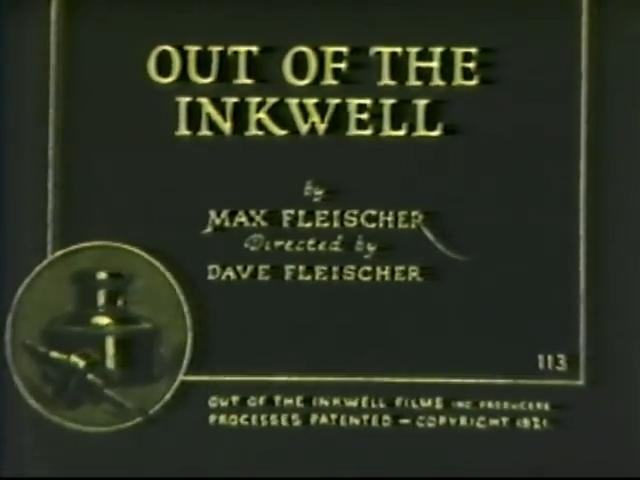
A definitive 7.1/10 rating for a film that redefined the boundaries of cult cinema. The Reunion remains a cornerstone of transgressive art.
To witness Max Fleischer at work in The Reunion is to watch a conjurer play with the very fabric of existence. Unlike the rigid, often jerky movements seen in contemporary animations of the early 1920s, the Inkwell Clown moves with a liquid grace that feels almost unsettlingly human. This is the magic of the Rotoscope, a device Fleischer patented that allowed him to trace over live-action footage. In this particular outing, the narrative stakes are deceptively simple: a family reunion. Yet, within this domestic framework, Fleischer explores the profound tension between the animator and the animated.
The film opens with the familiar sight of the artist’s hand—a motif that reminds us of the divine intervention required to bring this ink-born creature to life. When the clown emerges, he isn't just a character; he is an inhabitant of a secondary reality that constantly threatens to spill over into our own. The preparation for the reunion is a series of visual gags that transcend simple slapstick. It’s a rhythmic, almost poetic sequence of events that highlights the clown's frantic desire for order in a world made of sketches. While films like Artless Artie relied on more traditional comedic beats, The Reunion leans into the surrealist possibilities of the medium.
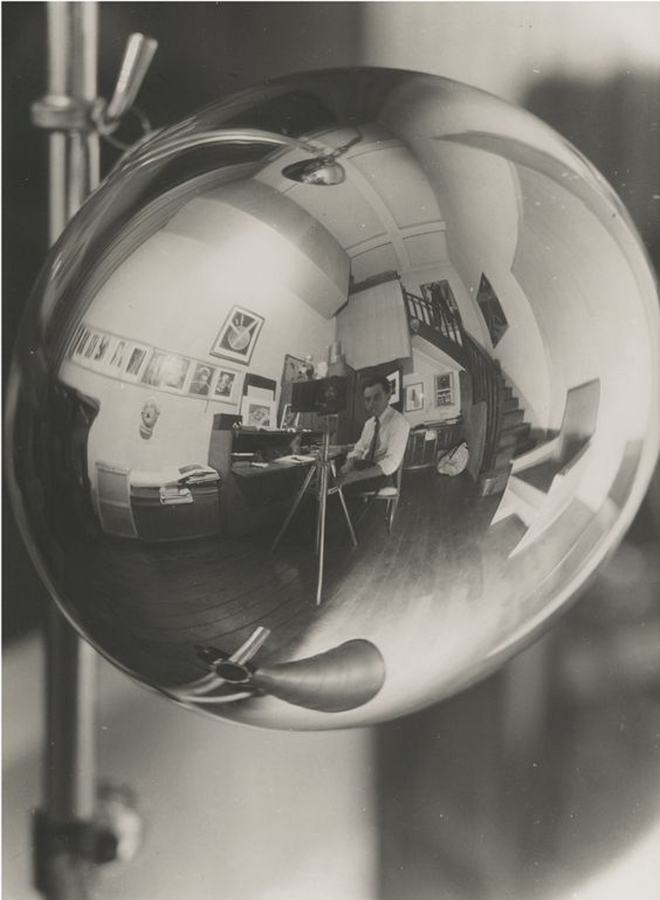
Max Fleischer’s presence on screen is not merely a cameo; he is the foil to the clown’s eccentricity. Their interaction is a precursor to the meta-fictional tropes we see in modern cinema. As Max helps the clown prepare, there is a palpable sense of paternal affection mixed with the professional curiosity of a scientist. This dynamic is far more complex than the straightforward heroics found in Blue Blazes Rawden. Here, the conflict is not with a villain, but with the limitations of the medium itself.
The clown's attempts to organize his "family"—other ink-drawn figures that mirror his own chaotic energy—provide a fascinating look at the concept of identity. If the clown is a product of the inkwell, his family represents the fragmented iterations of the artist's imagination. It’s a far cry from the grounded familial dramas like Rebecca the Jewess, opting instead for a dream-logic that feels surprisingly modern. The way the clown interacts with physical objects provided by Fleischer creates a cognitive dissonance that keeps the viewer perpetually engaged.

Technically, The Reunion is a marvel of its era. The smoothness of the clown's tumble, the way his limbs stretch and compress with an organic elasticity, sets it apart from the stiff puppetry of other 1920s shorts. When we compare the visual spectacle here to the atmosphere of Labyrinth of Horror, we see two different ends of the cinematic spectrum: one using shadows to evoke dread, the other using the fluidity of line to evoke joy. Fleischer’s work is a celebration of movement, a precursor to the "squash and stretch" principles that would later define the golden age of animation.
The "family" that arrives for the reunion is a grotesque and wonderful assortment of characters. Each one carries a specific kinetic energy, suggesting that Fleischer was experimenting with different rotoscoped models to see how they would interact within the same frame. It’s a crowded, bustling scene that rivals the chaotic energy of Polly of the Circus or The Circus Man, but with the added layer of impossibility that only animation can provide. The screen becomes a hive of activity, a testament to the labor-intensive process of hand-drawing every single frame of that movement.
What makes The Reunion resonate nearly a century later is its inherent heart. Beneath the technical wizardry lies a story about the desire for connection. Even a clown born from a bottle of ink feels the pull of kinship. This theme of longing is a common thread in silent cinema, seen in works like When Love Is Blind or the nostalgic reflections of When We Were Twenty-One. However, Fleischer filters this through a lens of absurdity. The reunion isn't a somber affair; it's a riotous explosion of ink that threatens to overwhelm the artist’s desk.
There is a specific sequence where the clown tries to set a table that doesn't exist in three dimensions. The interplay between the 2D drawings and the 3D world of Max’s studio is handled with a sophistication that makes one forget the primitive tools at their disposal. It’s a dance of perspective. Unlike the political gravity of The Battle of Ballots, The Reunion finds its stakes in the micro-disasters of a dinner party. It is light, yet it carries the weight of immense creative ambition.
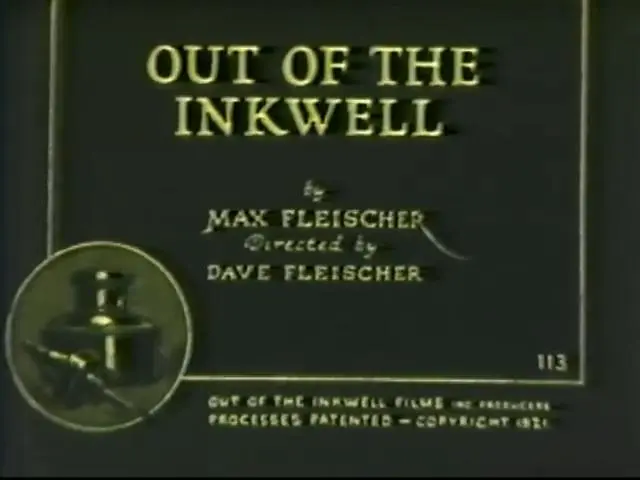
In the broader context of 1922 cinema, Fleischer was carving out a niche that was neither fully "cartoonish" nor fully "realistic." While films like Neat But Not Gaudy focused on social manners, Fleischer was busy breaking the laws of nature. The Inkwell Clown is a trickster figure, an agent of chaos who nonetheless requires the steady hand of his creator to survive. This symbiotic relationship is the core of the film's charm. It’s a more playful take on the guardian-ward dynamic seen in Susan's Gentleman.
The pacing of the film is relentless. From the moment the first drop of ink hits the paper to the final, inevitable return to the bottle, there is a sense of fleeting magic. The clown’s world is temporary, existing only as long as the artist allows it. This gives the reunion an ephemeral, almost bittersweet quality. Much like the rugged landscapes of White Oak or the mysterious vistas in The Ghost of the Canyon, the drawing board is a frontier, and Fleischer is its primary explorer.
Watching The Reunion today, one is struck by how little it has aged in terms of pure imaginative power. While the film stock may show its years, the ingenuity of the gags remains sharp. The clown’s personality—mischievous, earnest, and slightly neurotic—is fully formed. He isn't the blank slate found in many early animations; he is a character with agency, often rebelling against Max’s attempts to control him. This rebellious streak would become a hallmark of the Fleischer style, leading eventually to the creation of icons like Betty Boop and Popeye.
The film also serves as a fascinating counterpoint to the more "proper" comedies of the era, such as Gay and Devilish or the farcical The Matrimonial Martyr. Where those films rely on social scripts and dialogue (via title cards), The Reunion relies entirely on the language of the body. The clown’s shrug, his panicked run, his joyful leaps—these are universal expressions that require no translation. It is pure cinema, distilled into its most basic elements of light, shadow, and movement.
Ultimately, The Reunion is more than just a historical curiosity. It is a vibrant, breathing piece of art that captures a moment in time when the possibilities of film felt infinite. Max Fleischer didn't just animate a clown; he invited us into a world where the mundane act of preparing for a family gathering could become a cosmic event. As the clown finally retreats back into the inkwell, there is a sense of closure that is both satisfying and longing. We have been guests at a party that exists outside of time, hosted by a man with a pen and a clown with a heart of ink. It is a masterpiece of the silent era, a technical triumph, and a deeply human story told through the most inhuman of mediums. The brilliance of the Fleischer brothers was their ability to find the soul in the machine, and in The Reunion, that soul is dancing on the head of a pin, waiting for the next stroke of the pen.
IMDb —
1920
Community
Log in to comment.