DbcultAccessing Vault...
Cult Review
Senior Film Conservator
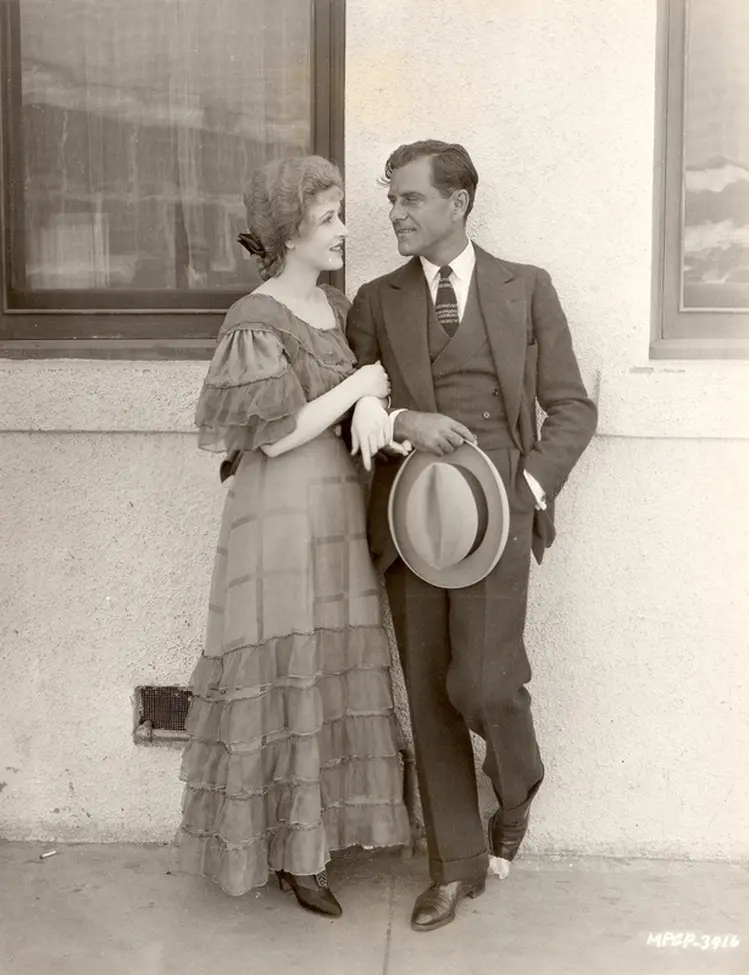
Set in the early 1900s, The Denial is a poignant and often melancholic exploration of a love that remains unspoken, overshadowed by familial pressures and societal expectations. The film, with its rich, detailed narrative, weaves a tale of passion, betrayal, and the far-reaching consequences of a mother’s desire to secure her daughter’s future.
At the heart of the story is Mildred Hucks, played by Claire Windsor, a character whose beauty and innocence are her most striking attributes. Her journey is one of unrequited love and heartbreak, as she falls deeply in love with Lyman Webb, a young and brave soldier who joins Teddy Roosevelt's Rough Riders to fight in the Spanish-American War. Lyman's letters to Mildred, filled with tales of adventure and valor, provide a window into his world, a world that Mildred can only dream of experiencing.

The central conflict arises from Mildred's mother, portrayed with unsettling intensity by Lucille Ricksen. Her role is to ensure that Mildred’s love for Lyman is extinguished, not just for her own selfish desires but also to secure a financially advantageous marriage for her daughter. Her methods are cruel and calculated, intercepting Lyman's letters and doing everything in her power to break Mildred’s spirit and sever the connection between her and Lyman.
The film’s setting, the backdrop of the Spanish-American War, adds a layer of tension and drama. Lyman's departure to fight in Cuba not only represents the loss of a potential future for Mildred but also highlights the broader themes of sacrifice and duty. His letters, intercepted and silenced, become symbols of the untold stories and unfulfilled promises.

The visual aesthetics of The Denial are as captivating as its narrative. The cinematography captures the stark contrast between the beauty of Mildred's world and the harsh realities of war. The use of light and shadow, especially in scenes depicting Mildred’s longing and the desolation of her isolation, are masterful. The color palette, dominated by shades of sea blue (#0E7490) and dark orange (#C2410C), enhances the emotional weight of the story, making the viewer feel the weight of Mildred’s loneliness and despair.
The performances are uniformly strong. Claire Windsor brings a nuanced depth to Mildred, portraying not just her love for Lyman but also her growing disillusionment and the internal struggle to reconcile her dreams with the harsh realities. Lucille Ricksen's portrayal of Mildred's mother is chilling, her icy demeanor and calculated cruelty adding a sinister edge to the narrative. The supporting cast, including Edward Connelly and Estelle Clark, contribute to a rich tapestry of characters, each with their own motivations and secrets, driving the story forward.

The screenplay, a collaboration between Agnes Christine Johnston and Lewis Beach, is a testament to the power of storytelling. It balances emotional intensity with well-structured dialogue, making the audience feel the weight of Mildred's pain and the inevitability of her fate. The script delves into the psychological aspects of the characters, exploring themes of control, power, and the destructive nature of unchecked ambition.
Comparatively, Phantom Fortunes and The Man in the Moonlight share similar thematic elements, particularly in their exploration of forbidden love and the societal constraints that dictate personal choices. However, The Denial stands out for its more profound emotional journey and its ability to make the audience empathize deeply with its characters.
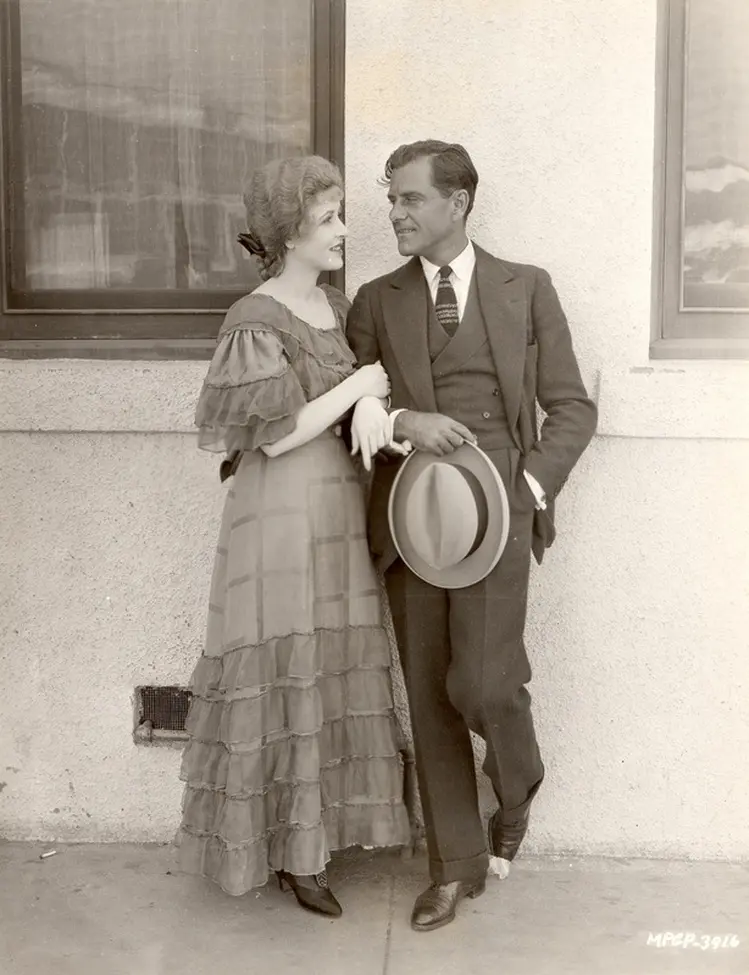
The film’s impact lies in its ability to evoke a range of emotions—from the initial joy of Mildred and Lyman’s love to the bitter sorrow of their separation and the subsequent consequences. It is a story that resonates with universal themes of love, loss, and the struggle against societal norms. The ending is bittersweet, leaving the audience to ponder the long-term effects of Mildred and Lyman’s unspoken love and the manipulations that have shaped their lives.
Overall, The Denial is a film that transcends its era, offering a timeless exploration of the human condition. It is a must-watch for any film enthusiast seeking a deeply moving and thought-provoking cinematic experience.
IMDb —
1917
Community
Log in to comment.