DbcultAccessing Vault...
4.1/10
Senior Film Conservator
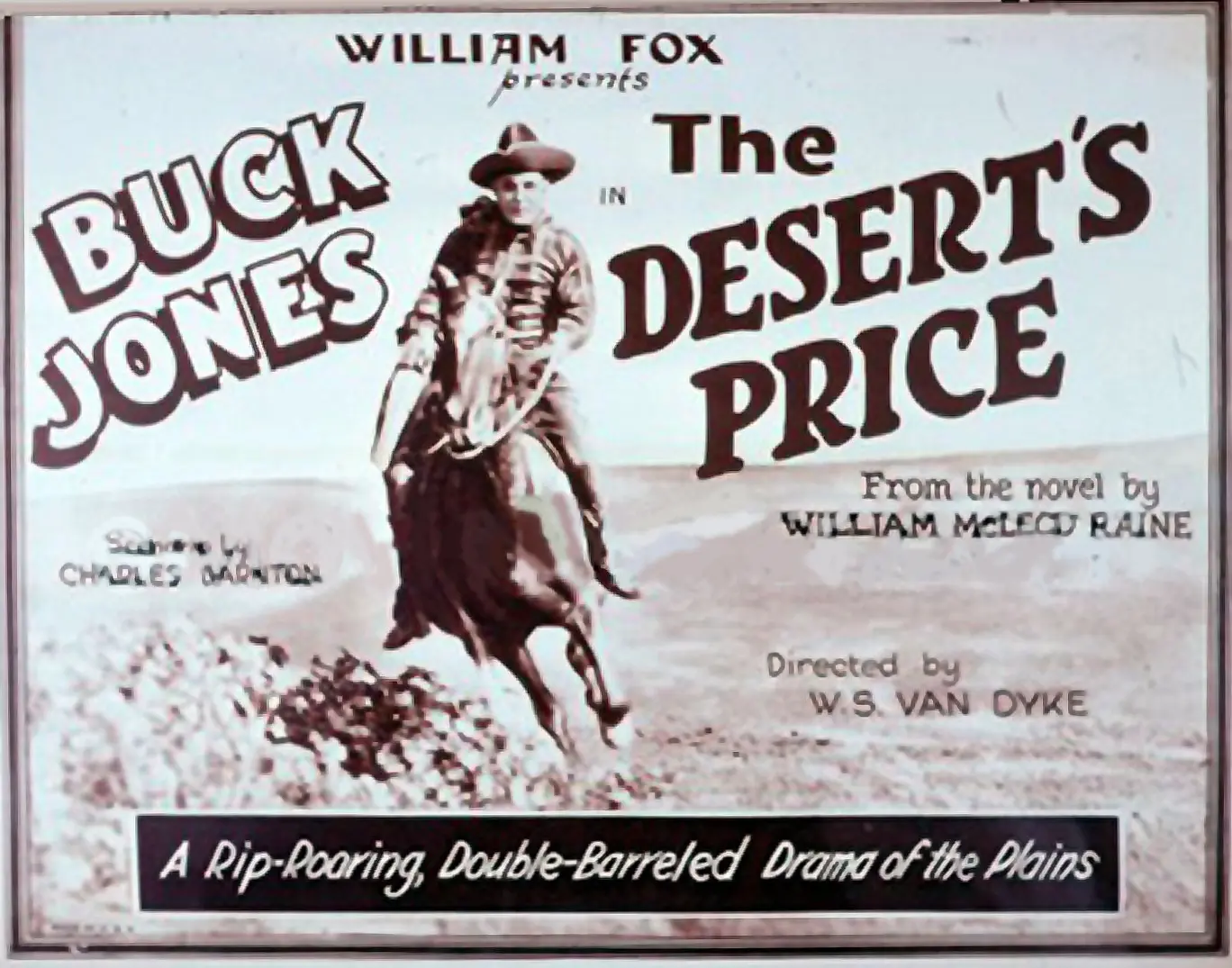
A definitive 4.1/10 rating for a film that redefined the boundaries of cult cinema. The Desert's Price remains a cornerstone of transgressive art.
Is The Desert's Price, a silent Western from the early 1920s, a forgotten cinematic gem worth dusting off today? Short answer: yes, for specific audiences, but it demands a certain patience and appreciation for the era. This film is unequivocally for devotees of classic Westerns, silent cinema enthusiasts, and those with a keen interest in the historical evolution of genre storytelling; it is decidedly not for viewers seeking modern pacing, complex psychological narratives, or pristine digital restorations.
It's a relic. But an interesting one.
At its core, The Desert's Price is a stark parable of frontier justice, a narrative steeped in the brutal realities of the American West where land disputes often escalated into deadly feuds. The film plunges us headfirst into a range war, pitting the sheep-men against the cattle ranchers – a conflict rarely explored with such directness in subsequent Westerns, which often favored the cattleman's perspective. The murder of Julia Starke's father by the notorious Martin brothers serves as the inciting incident, a catalyst that ignites a chain reaction of vengeance, compassion, and eventual legal reckoning.
What follows is a narrative that, while perhaps simplistic by today’s standards, possesses a raw, visceral energy. The introduction of Wils McCann, a cattle rancher who defies tribal loyalties to aid Julia, is a crucial turning point, injecting a much-needed moral complexity into the otherwise black-and-white conflict. His decision to work for Julia, tending sheep – the very symbol of his faction's adversary – is a powerful statement on personal ethics transcending communal animosity. This isn't just a plot point; it's a thematic anchor.
The film’s progression through Peggy Starke's injury, Julia’s retaliatory shot, Phil’s self-defense killing, and the subsequent mob justice attempt orchestrated by Jim Martin, paints a vivid, if somewhat melodramatic, picture of life where law was often a distant whisper and personal honor a roaring fire. The climax, with Wils's men breaking up the lynching mob and Jim Martin finally facing court for his original crime, attempts to bring a sense of order to the chaos, suggesting that even in the wild West, justice, however belated, can prevail.
For those who appreciate the foundational narratives of the Western genre, The Desert's Price offers a fascinating glimpse into its nascent stages. It's a film that, despite its age, manages to convey genuine stakes and emotional intensity through purely visual storytelling. The performances, while broad, are often effective in communicating character motivations without the crutch of dialogue.
However, it’s important to manage expectations. The pacing can feel sluggish to modern sensibilities, and some of the narrative beats are predictable. The film's primary value lies in its historical context and its ability to transport viewers to an era when cinematic language was still being invented. It's a journey back in time, not just to the Old West, but to old Hollywood.
Buck Jones, as Wils McCann, embodies the archetypal strong, silent hero with a moral compass. His performance relies heavily on physical presence and subtle facial expressions, a hallmark of silent era acting. When he silently decides to take up Julia’s cause, tending sheep despite his cattleman allegiances, his posture and determined gaze convey more than any intertitle could. It’s a masterclass in conveying inner conflict without a single spoken word. Jones isn't just a cowboy; he's a stoic monument to frontier decency, albeit one carved from a rather predictable block.
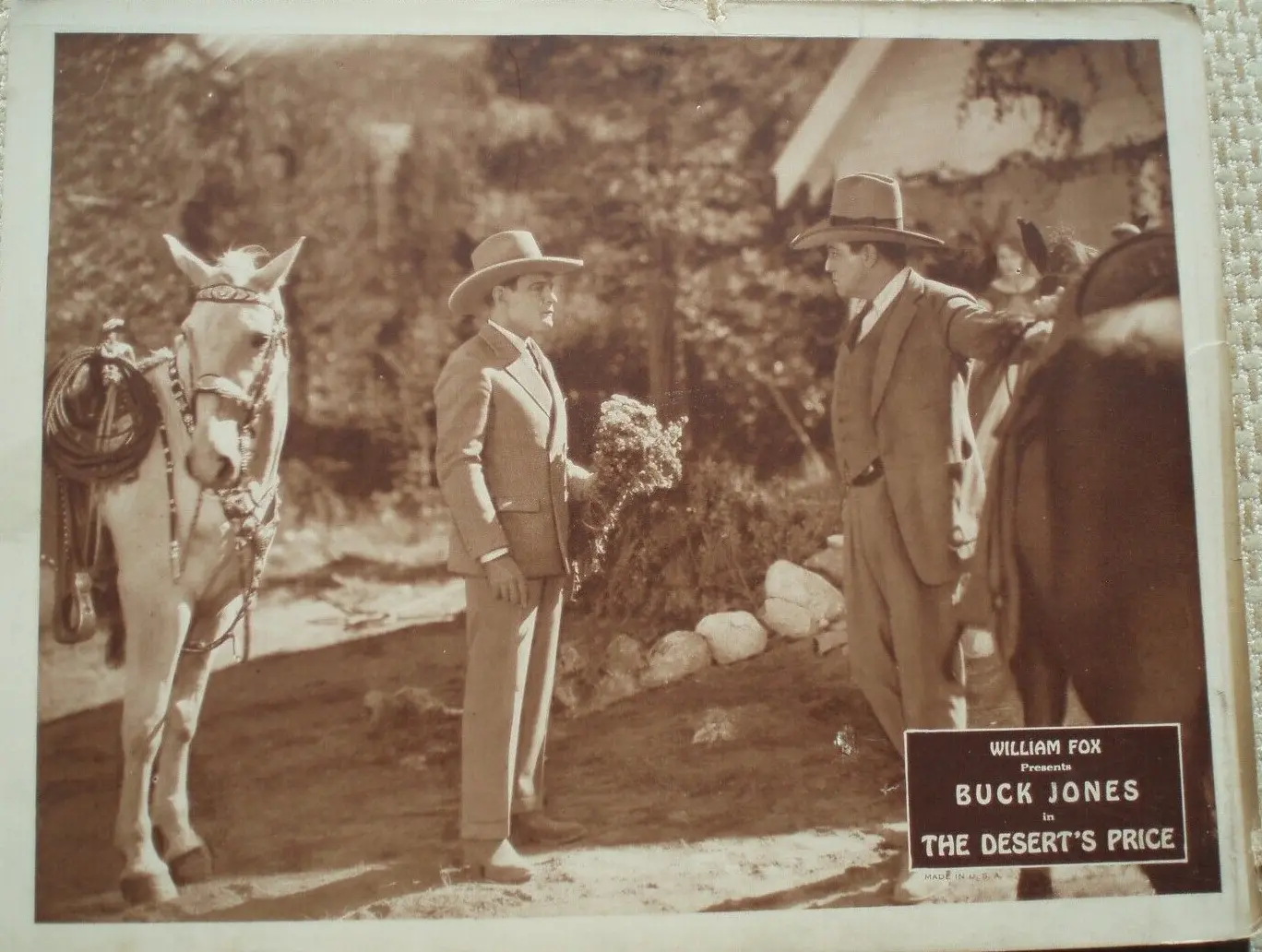
Florence Gilbert, portraying Julia Starke, brings a fiery intensity to her role. Her rage after her father's murder, and later her defiant shot at Sam Martin, are moments of raw, unadulterated passion. She is the embodiment of wronged innocence driven to desperate measures, a common but effective trope. The supporting cast, particularly Montagu Love as the villainous Jim Martin, leans into the broader, more theatrical style of the time, making his character's cruelty undeniably clear, even if it lacks subtlety. His sneering portrayal of the instigator of the mob is genuinely unsettling, a testament to his ability to project menace.
While the director (uncredited in the provided details, but often a collaborative effort in early Hollywood) doesn't innovate with groundbreaking techniques, the film effectively uses its visual language to tell the story. The wide shots of the Western landscape establish the isolation and grandeur of the setting, which in turn amplifies the human drama unfolding within it. There's a particular sequence, likely involving the range war itself, where the movement of men and animals across the vast plains conveys the scale of the conflict without needing elaborate special effects. The framing of the mob scene, for instance, likely uses tight shots of angry faces contrasting with Julia's terrified expression, effectively building tension and highlighting her vulnerability.
The film's pacing, while potentially slow for modern viewers, allows for moments of quiet observation, letting the audience absorb the emotional weight of certain scenes, such as Wils's initial decision to help Julia. This deliberate pace, however, can occasionally drag, especially during transitional sequences that could have benefited from tighter editing. It's a style that prioritizes clarity over dynamism, which was common for the period.
The cinematography, crucial for any silent film, is functional and often quite beautiful in capturing the rugged beauty of the Western setting. The use of natural light, the stark contrast between sun-drenched plains and shadowed interiors, all contribute to the film’s authentic feel. One can imagine sweeping vistas that emphasize the isolation of the characters and the vastness of the conflict. The camera effectively focuses on key gestures and expressions, ensuring that the audience understands the emotional beats of the story without relying on intertitles for every detail. The visual storytelling, while not revolutionary, is competent and serves the narrative well, immersing the viewer in the dusty, unforgiving world of the frontier. For a film of this vintage, the ability to convey narrative through visual composition alone is commendable.
The pacing of The Desert's Price is characteristic of early silent features – deliberate, allowing scenes to unfold without rapid cuts. This can be a double-edged sword; it grants a certain gravitas to dramatic moments, but also means that some sequences feel extended. The tone oscillates between stark realism regarding the harshness of frontier life and heightened melodrama, particularly in the depiction of villainy and heroism. The film’s moral compass, while pointing true north, often swings wildly between righteous anger and outright vigilantism. The sequence where Julia wounds Sam Martin, for example, is presented not just as an act of revenge, but as a moment of justified fury, a common tonal choice in early Westerns that simplified complex ethical dilemmas.
The film manages to maintain a consistent sense of escalating tension, from the initial murder to the climactic mob scene, which is a testament to its structural integrity. The shift from personal vendetta to a legal trial at the end attempts to restore order, providing a resolution that, while perhaps a touch too neat, offers a satisfying sense of justice prevailing, however slowly.
"The sheer audacity of Julia Starke, firing a shot at Sam Martin after his cruel treatment of Peggy, is a moment of pure, unadulterated frontier defiance, a testament to the film's willingness to portray its heroines with agency, even if that agency is born of desperation."
While The Desert's Price might not possess the grand scale of a Cecil B. DeMille epic or the innovative flair of a D.W. Griffith, it stands as a solid example of the popular Westerns of its time. It shares thematic similarities with other films exploring the harshness of the West, such as The Devil's Trail, in its focus on lawlessness and personal retribution. However, its portrayal of a cattleman helping sheep-men is a somewhat unconventional angle, distinguishing it from more straightforward good-vs-evil narratives. It’s less about a grand adventure and more about the gritty, personal struggle for survival and justice on the fringes of society.
The film’s approach to depicting violence, while not graphic by today’s standards, is direct and impactful. The threat of lynching, for instance, is handled with a palpable sense of danger, reflecting real anxieties of the era. This grounding in a certain frontier realism, despite its melodramatic flourishes, gives the film an enduring quality that many lighter contemporary features might lack. It’s a film that takes its subject matter seriously, even if its narrative tools are simple.
The Desert's Price is more than just a dusty artifact; it's a foundational piece of the Western genre, showcasing the raw storytelling power of silent cinema. While it may not captivate every modern viewer with its deliberate pacing and broad characterizations, it offers a valuable and surprisingly engaging glimpse into the conflicts and moral dilemmas that defined the American frontier – and early Hollywood. It’s a film that, despite its flaws, manages to resonate with a primal sense of justice and survival. For those willing to immerse themselves in its historical context, it offers a rewarding, if occasionally challenging, viewing experience. Justice is served. Eventually.
IMDb —
1927
Community
Log in to comment.