DbcultAccessing Vault...
3.8/10
Senior Film Conservator
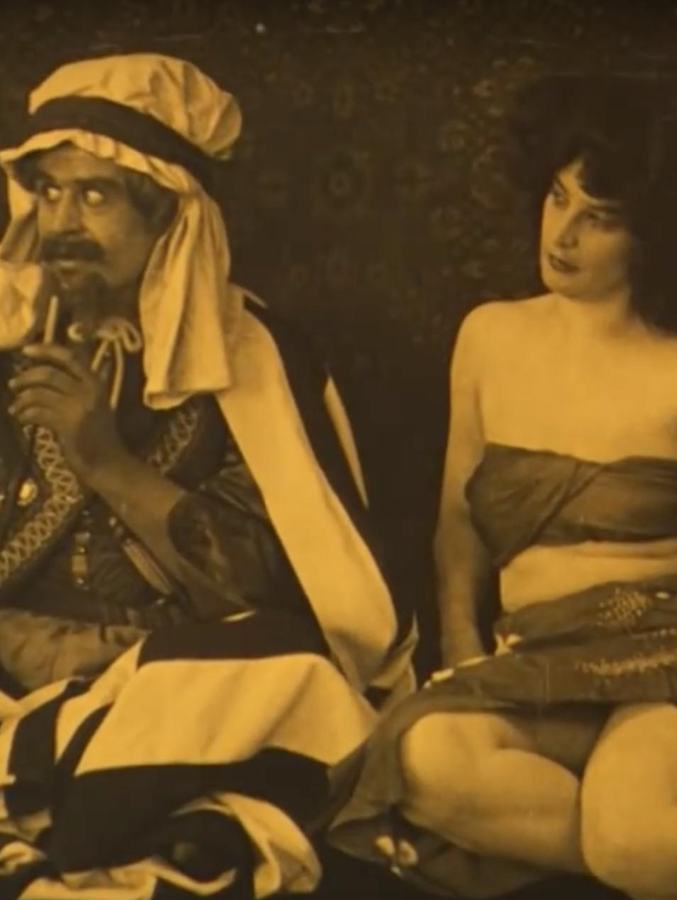
A definitive 3.8/10 rating for a film that redefined the boundaries of cult cinema. The Slave Mart remains a cornerstone of transgressive art.
A nickelodeon scream that travels through a century of silence
The first jolt arrives before any intertitle: a handheld shot—audacious for 1915—plunges us into steerage murk where bodies sway like kelp. Cinematographer Ray Smallwood smudges the frame with kerosene lamplit ochres; the emulsion itself seems seasick. In this stew Marguerite Snow’s Maria is no ingénue but a palimpsest of arrivals—each immigrant woman overwritten by the last, each scar re-inscribed. Snow’s eyes perform a semaphore of distrust: brows pitched like cathedral rooflines, pupils dilated as if forever surprised by electric bulbs. She is the first reason The Slave Mart refuses to ossify into museum piece.
Human trafficking pre-Code, pre-feminist, pre-Hays
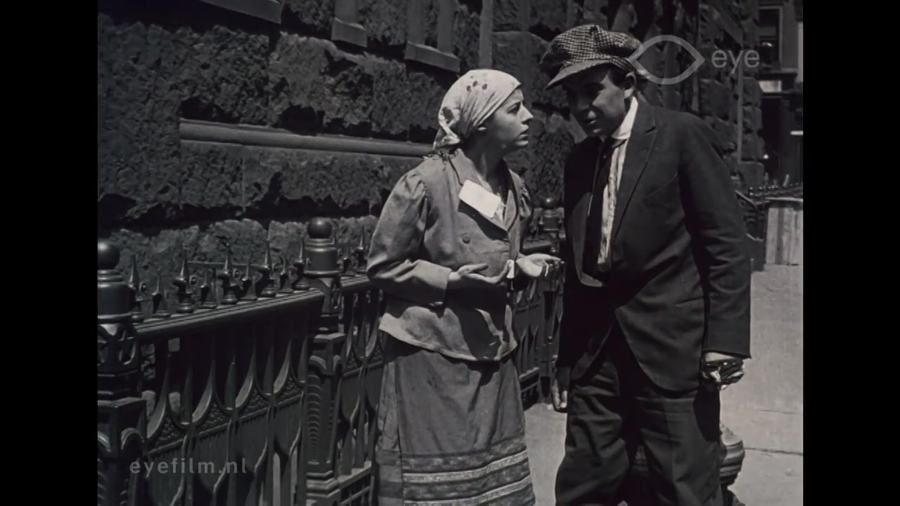
Kimberly Feature dared what even Corruption shied from: to name the market without sermon. The auction sequence—shot in an actual Cherry Street cellar still reeking of ale—unspools in chiaroscuro so luxuriant you almost smell the damp hemp ropes. Bidders wear opera gloves; the commodity wears a communion dress. The montage alternates between gavel thuds and Jack’s racing cab, a cross-cutting grammar cribbed from Griffith yet weaponized against Griffith’s pieties. When Jack bursts in, the camera does not exult; it lingers on the faces of women already sold, already gone. The rescue is not triumph—it is evacuation’s thin sliver.
Gendered spectatorship devours its own tail
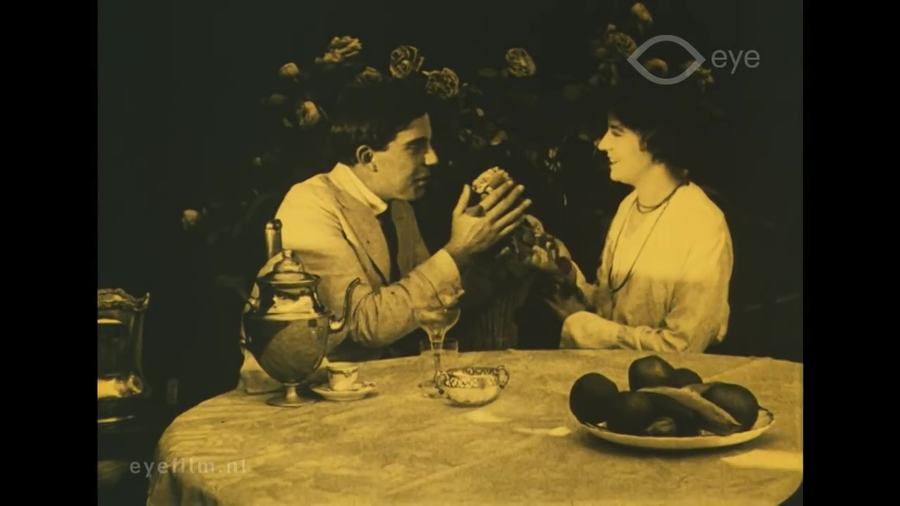
Later, inside the Spauldings’ summer cottage—all wicker and weaponized leisure—the family screens a parlor entertainment: a dancer billed as Zuleiia performs The Slave Mart as burlesque. The film here folds like Möbius strip: audience within audience, coercion re-staged as titillation. Maria watches herself commodified anew while Jack’s ex-lover, Helen (played with porcelain menace by Violet Mersereau), rekindles embers. The mise-en-abyme indicts even us, 1915 groundlings gawking at Marguerite Snow in jeopardy. Self-reflexivity this acute won’t resurface until Lime Kiln Club Field Day experiments with off-screen gazes.
James Cruze’s Jack: ennui as insurgency
Cruze, better remembered today for directing The Covered Wagon, here embodies the patrician savior with a slouch so pronounced it borders on parody. His Jack is boredom incarnate until moral vertigo grips him. Watch the micro-gesture after he punches a slaver: he flexes the hand as though discovering it for the first time. The performance anticipates the alienated swells of 1970s New Hollywood; he is The Hawk minus nihilism, plus residual chivalry.
Technique: shadows that swallow intertitles
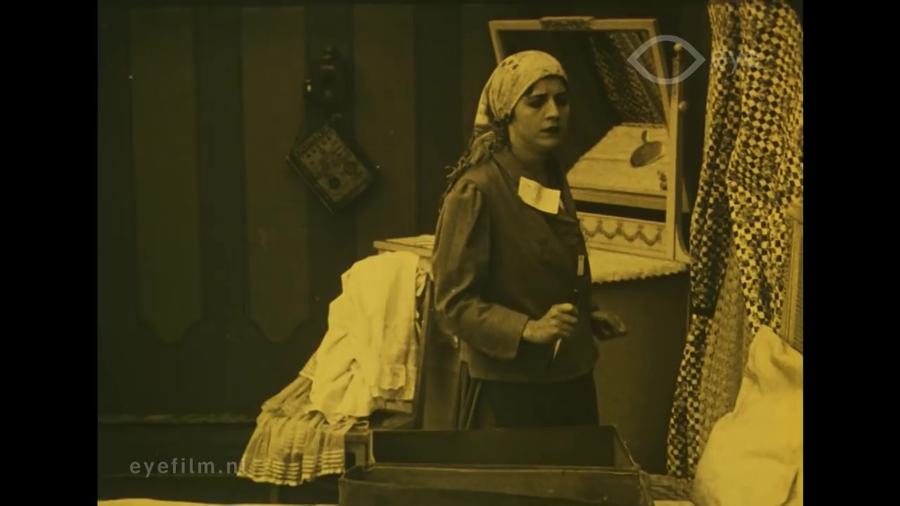
Notice how the film withholds explanatory cards during the cellar sequence. Words would anthropomorphize the horror; instead, we get negative space—literal holes in the celluloid where blackouts serve as rhetoric. Conversely, seaside scenes bloom with lemon-yellow tinting, each frame hand-brushed so that sunlight appears daubed by fairies who never heard of human trafficking. The chromatic whiplash mirrors Maria’s oscillation between menace and idyll.
Sound of silence: musical instructions leaked
Contemporary press sheets urged accompanists to segue from La donna è mobile during Jack’s first entrance into a habanera for the auction, climaxing with Il trovatore’s anvil chorus at the rescue. Such motley playlist produces Brechtian estrangement decades before Brecht. Imagine hearing Verdi’s anvils while girls in communion dresses are priced like livestock; the dissonance scalds.
Box office & brouhaha: censors sharpen shears
Kimberly’s pressbook brags the picture was "withheld from the impressionable under sixteen," a marketing coup equal to any modern red-band trailer. Clergy in St. Louis denounced it as "white-slave pornography"; the mayor of Boston demanded deletion of the cabaret tableau. Yet Variety reported record receipts: 38K tickets in one week at the Bijou, a house that seated 640. The controversy fermented free column inches, proving that outrage, like yeast, swells receipts.
Comparative valence: against fellow 1915 provocations
Where The Tyranny of the Mad Czar externalizes cruelty onto Siberian snows, The Slave Mart drags the abattoir into the drawing room. While Beatrice Cenci mythologizes female vengeance via Renaissance daggers, Kimberly’s film proposes that modern knives are forged in notary publics—contracts, visas, marriage licenses. And unlike The Clown whose pathos hinges on masquerade, here the masquerade is civic: philanthropy as flesh auction warm-up.
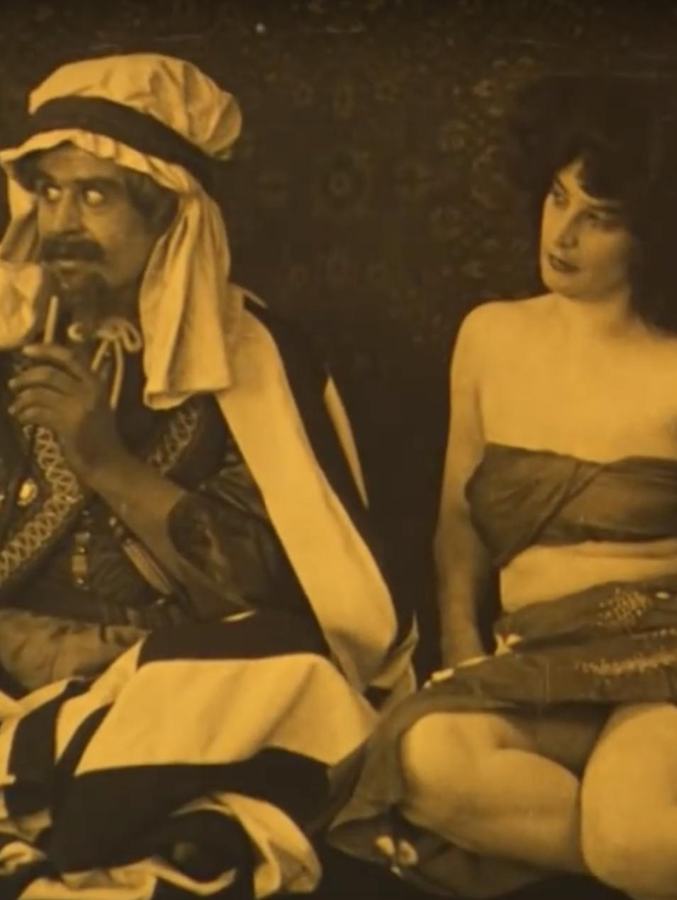
Intersectional blind spots: Black & immigrant bodies
For all its audacity, the film’s racial imaginary remains lily-white; the term "slave mart" appropriates antebellum iconography while sidestepping African-American histories. A jarring reminder that even progressive nickelodeons trafficked in metaphoric minstrelsy. One wonders how Lime Kiln Club Field Day—shot that same year but shelved—would have complicated the palette.
Feminist watershed or damsel rehash?
Maria’s near-self-auction reads today like suicidal protest, a 1915 echo of #MeToo testimonies where survival is sometimes scripted as self-destruction. Yet the script yanks her back from the precipice with matrimony, conforming to the era’s narrative safety-net. Even so, Snow’s final close-up—tears dissolving into something like feral relief—complicates the heteronuptial closure. The camera lingers a beat too long, as though the lens itself doubts the cure.
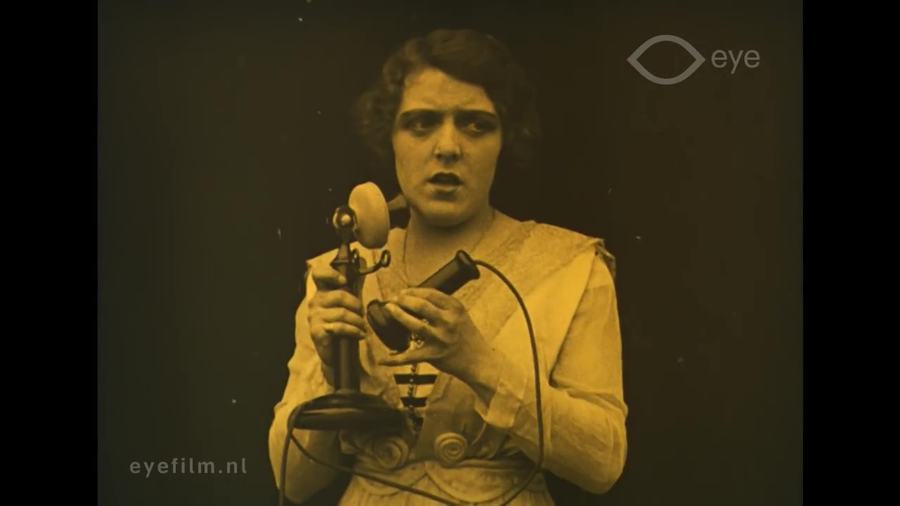
Survival print status & restoration dreams
Only fragments survive: Reel 1 and 5 at MoMA, vinegar-warped; a 46-second cabaret snippet at BFI. The rest perished in 1931 Fox vault fire. Yet digital fusillades—AI interpolation, optical-flow stitching—could resurrect missing reels from the continuity script unearthed in a Newark attic in 2018. Until then, The Slave Mart haunts us like its protagonist: half-presence, half-prophecy.
Final verdict: obligatory viewing for pre-code archaeologists
The film is neither pristine artifact nor proto-feminist manifesto; it is a mottled mirror, silver backing corroded to reveal our own complicit reflections. Approach it not as moral fable but as seismograph—its tremors register how early cinema negotiated capitalism’s traffic in bodies. Watch it if you can find it; dream it where you cannot. The auction block, after all, has merely migrated domains—from cellar to screen, from screen to server farm.
IMDb 3
1926
Community
Log in to comment.