DbcultAccessing Vault...
Cult Review
Senior Film Conservator
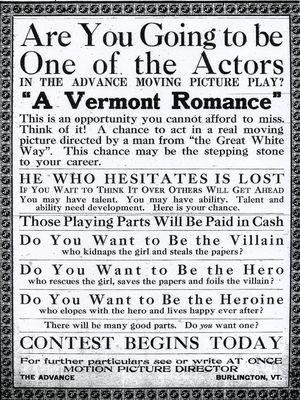
There's a certain ineffable quality to films that capture the essence of a bygone era, particularly those that delve into the quiet dramas unfolding in America’s heartland. A Vermont Romance, a cinematic artifact penned by Ralph Newman, stands as a testament to this enduring appeal. It's not merely a story; it's an evocative painting of a specific time and place, where the rhythms of life were dictated by the seasons and the land, and personal choices carried the weight of communal expectation. The narrative, while seemingly straightforward on the surface, unfurls with layers of emotional complexity, depicting a world where love is not just a feeling, but a profound commitment interwoven with identity and belonging. The film orchestrates a delicate ballet between the allure of the known and the siren call of the unfamiliar, a struggle personified by the earnest Elara Vance.
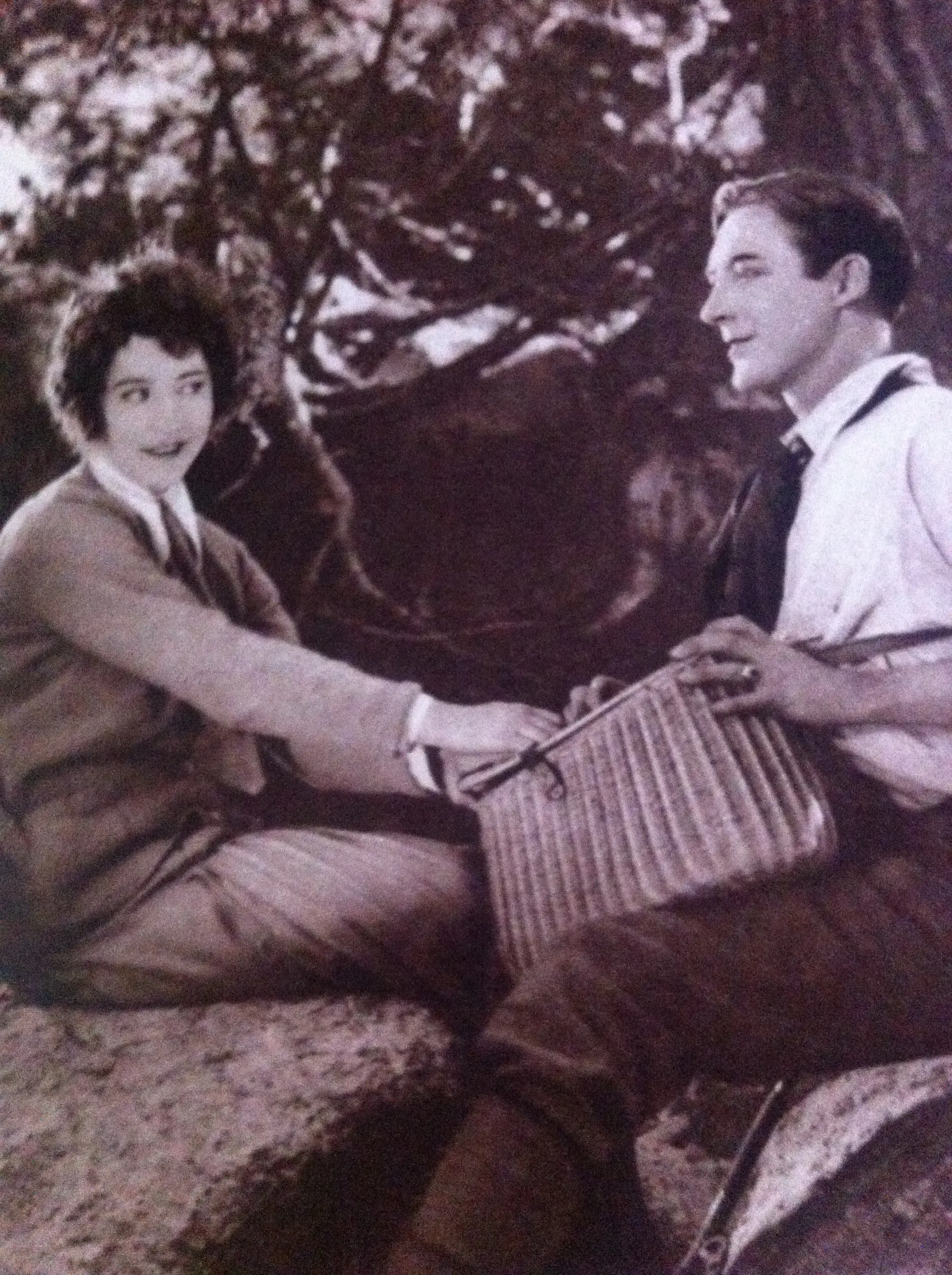
Madeline Randall’s portrayal of Elara is nothing short of captivating. She imbues the character with a palpable inner life, her expressions conveying a spectrum of emotions from youthful contentment to profound internal conflict. One can almost feel the weight of her predicament through her nuanced performance, a testament to her acting prowess in an era often characterized by more overtly theatrical styles. Elara is not a passive figure; she is a woman grappling with agency, her destiny seemingly preordained by her environment and familial ties, yet simultaneously challenged by the introduction of new possibilities. Her journey is the film's beating heart, anchoring the audience to the pastoral drama unfolding amidst the rolling hills and verdant valleys of Vermont.
The core romantic dynamic, a triangle of sorts, provides the central engine for the film’s exploration of fidelity and desire. E.H. Crosby, as Silas Thorne, embodies the stoic, reliable backbone of rural America. His performance is characterized by an understated strength, a quiet dignity that speaks volumes without the need for grand gestures. Silas represents tradition, the unwavering commitment to the land and to the promises made. He is the anchor, the familiar comfort that Elara has always known. His love is not flashy, but deep-rooted, like the ancient trees populating the Vermont landscape. This portrayal offers a stark contrast to the more flamboyant, yet equally compelling, presence of Jerry Hunt’s Julian Thorne. Hunt brings a vivacious energy to Julian, painting him as the quintessential outsider with a glimmer in his eye and a sophisticated air that promises excitement beyond the confines of farm life. Julian’s return from the city isn't just a plot device; it's a symbolic intrusion of modernity and urbanity into a world defined by its rustic simplicity.
The tension between these two archetypes — the steadfast farmer and the charming city slicker — is masterfully built, creating genuine dramatic stakes. It forces Elara to confront not just her feelings for two different men, but also her own desires for a future that might diverge from the path she always envisioned. The film doesn't simplify this choice; it acknowledges the validity and allure of both options, making Elara's ultimate decision all the more poignant and resonant. This exploration of choice, framed within a romantic context, elevates A Vermont Romance beyond a mere love story, transforming it into a nuanced commentary on societal expectations and individual yearning.
Dorothy Whipple, in her role, adds another crucial layer to the film's social fabric. Her character, often seen observing the unfolding drama with a knowing glance or a subtle gesture, serves as a quiet arbiter of community values. She embodies the collective wisdom and sometimes unspoken judgment of the rural populace, reminding both Elara and the audience of the deep-seated traditions at play. Whipple's performance is a masterclass in subtlety, her presence lending gravitas and authenticity to the small-town setting. The ensemble cast works in concert, each member contributing to the rich tapestry of life depicted, much like the intricate character dynamics seen in films such as Blue Blood and Red, which similarly explores social strata and personal integrity within a defined community.
Ralph Newman’s screenplay is particularly commendable for its ability to convey complex emotional landscapes without relying on overly verbose dialogue, a hallmark of compelling storytelling, especially in early cinema. The narrative is taut, every scene contributing to the overall arc, and the character motivations are clear, even when their internal struggles are profound. Newman crafts a world that feels lived-in, where the natural environment is not just a backdrop but an active participant in the story, mirroring the characters' emotional states and providing a powerful sense of place. This evocative sense of environment is a quality shared with other films of its era that sought to capture the spirit of their locales, perhaps even more potently than the more abstract, urban narratives found in something like The Yellow Traffic.
The cinematography, though perhaps rudimentary by today's standards, is remarkably effective in capturing the pastoral beauty of Vermont. The sweeping landscapes, the intimate close-ups on faces etched with emotion, and the careful framing of domestic scenes all contribute to a visual narrative that complements Newman’s script. The film utilizes natural light to great effect, creating moods that shift with the time of day and the changing seasons, subtly reinforcing the passage of time and the inevitability of change within the story. The visual language is clear and purposeful, guiding the audience's emotional journey without overt manipulation. This attention to visual detail and mood-setting is a trait that allows early films, even without sound, to convey powerful narratives, much like the compelling visual poetry found in `Sperduti nel buio`.
What truly elevates A Vermont Romance beyond a simple period piece is its exploration of universal themes. The conflict between tradition and progress, the comfort of familiarity versus the excitement of the unknown, and the profound impact of personal choice on one's destiny are all meticulously examined. These are not merely historical curiosities; they are perennial human dilemmas that resonate across generations. Elara’s struggle to reconcile her heart’s desires with the expectations of her community and her own sense of duty is a narrative thread that remains powerfully relevant. It speaks to the ongoing human quest for authenticity and fulfillment, even when confronted with difficult sacrifices.
In an era where cinematic narratives often focused on grand historical events or sensationalized urban dramas, A Vermont Romance offered a quiet, introspective counterpoint. Its strength lies in its grounded realism and its empathetic portrayal of ordinary lives facing extraordinary decisions. The film invites viewers to slow down, to appreciate the subtle nuances of human interaction and the profound beauty of a life lived in harmony with nature. It’s a gentle reminder that sometimes the most compelling stories are found not in epic battles or sprawling adventures, but in the intimate struggles of the human heart. This thoughtful approach to character and setting provides a stark contrast to the more overtly dramatic or action-oriented narratives of its time, similar to how The War Extra or Chûshingura focused on grander societal conflicts.
The film’s historical significance is also noteworthy. It provides a window into the cultural mores and social expectations of early 20th-century rural America. The depiction of community dynamics, gender roles, and the value placed on hard work and integrity offers invaluable insight for contemporary audiences. It’s a document of a time when personal reputation and communal harmony were paramount, and decisions were often weighed against their impact on the broader social fabric. This cultural snapshot makes it more than just entertainment; it’s a piece of living history, offering a unique perspective on the foundational elements of American identity, much like how Manegens Børn offers a glimpse into a very different cultural context.
Comparing it to other films from a similar period, such as The Boundary Rider, one can appreciate the distinct regional flavor and thematic focus. While both might touch upon themes of challenging circumstances, A Vermont Romance grounds its narrative in a deeply personal and emotional conflict rather than the broader, more adventurous scope often found in frontier tales. The intimacy of its scale is precisely what gives it its profound power. It doesn't seek to impress with spectacle, but rather to move with genuine human emotion and relatable dilemmas.
Ultimately, A Vermont Romance transcends its historical context to deliver a narrative that is both deeply specific and universally resonant. It’s a film that celebrates the quiet heroism of everyday life, the strength required to make difficult choices, and the enduring power of love in its various forms. The performances by Randall, Crosby, and Hunt are all commendable, bringing a raw authenticity to their characters that allows their struggles to feel palpable. Ralph Newman’s writing is the bedrock upon which this emotional edifice is built, providing a sturdy and thoughtful framework for the story to unfold.
For those who appreciate cinema that delves into the human condition with sensitivity and intelligence, A Vermont Romance remains a compelling watch. It’s a reminder that truly great storytelling doesn't require elaborate special effects or convoluted plots; it simply needs a compelling narrative, well-drawn characters, and the courage to explore the complexities of the human heart. Its quiet charm and profound insights ensure its place as a minor gem in the annals of early American cinema, a film whose echoes of love, duty, and self-discovery continue to resonate long after the final frame fades to black. Much like the enduring philosophical inquiries posed by films such as Unto the Darkness or the moral quandaries in Who Killed Simon Baird?, this film, in its own gentle way, invites a thoughtful consideration of life's fundamental choices. It’s a testament to the power of film to immortalize not just grand events, but the subtle, intricate dance of human emotions against the backdrop of an ever-changing world.
IMDb —
1925
Community
Log in to comment.