DbcultAccessing Vault...
Cult Review
Senior Film Conservator
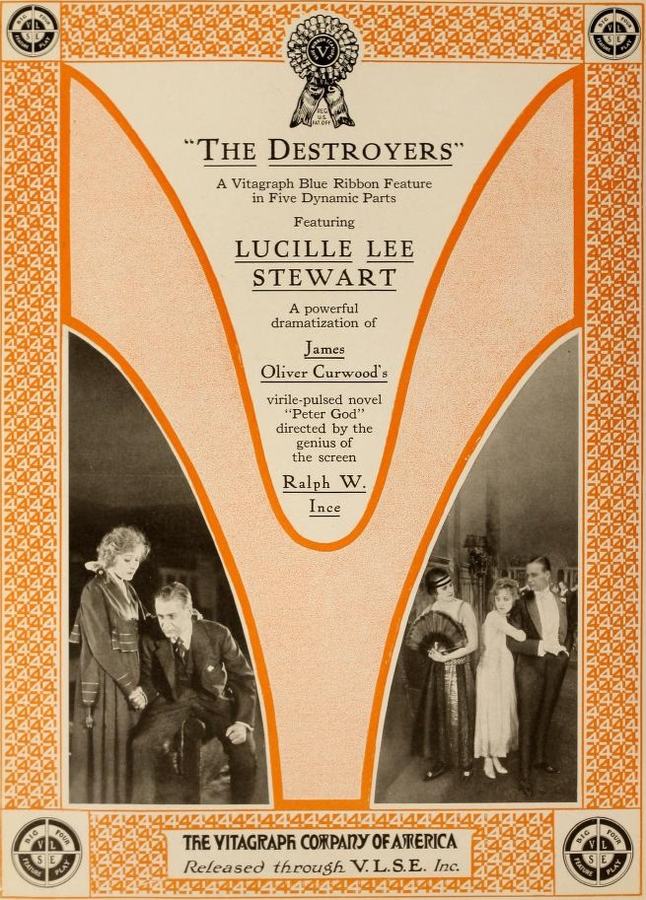
Ah, the silent era! A time when storytelling relied on the sheer power of visuals, the nuanced expressions of actors, and the emotional resonance of a well-crafted narrative. Stepping back into 1916, we encounter The Destroyers, a film that, despite its age, still manages to weave a compelling tapestry of love, duty, and the profound weight of hidden histories. It's a journey into the rugged Canadian wilderness, where human hearts prove as untamed and unpredictable as the landscape itself. As a film critic, there's a unique pleasure in dissecting these early cinematic gems, understanding not just what they presented, but how they laid the groundwork for the storytelling we appreciate today. This isn't just a film; it's a historical artifact, a window into the narrative sensibilities of a bygone epoch.
At its core, The Destroyers is a drama steeped in the grand traditions of early 20th-century cinema: strong, silent protagonists, damsels with mysterious pasts, and the ever-present hand of fate guiding their intertwined destinies. The story, penned by Edward J. Montagne and James Oliver Curwood, begins with a seemingly innocuous conversation that quickly spirals into a dramatic quest for truth. Our protagonist, Philip Curtis, portrayed with a stoic earnestness by Huntley Gordon, is a Canadian Mountie, a figure synonymous with honor and unwavering duty. He finds himself utterly captivated by Josephine McCloud, brought to life by Florence Natol, whose beauty is matched only by her enigmatic aura. Their burgeoning romance forms the emotional anchor of the film, yet it's an anchor cast upon shifting sands, threatened by undercurrents of untold secrets.
Philip, in an attempt to share a deeply personal experience, recounts to Josephine the tale of a hermit, Peter God, who once saved his life and nursed him back to health in the isolation of the wilderness. This revelation acts as the catalyst, a spark igniting a dormant fire within Josephine. Her initial composure crumbles, replaced by an urgent, almost desperate plea: Philip must find Peter God and deliver a letter she has written. It’s a moment of profound transformation for Josephine, where the impassive exterior gives way to a raw display of emotion, hinting at a past far more complex than Philip could ever imagine. This narrative device, where a seemingly minor detail unlocks a torrent of hidden history, is incredibly effective, building immediate intrigue and propelling the plot forward with a sense of urgent mystery.
Puzzled but unwilling to deny the woman he loves anything, Philip embarks on his mission. His journey to find Peter God is not merely a physical trek through the harsh Canadian landscape, but a metaphorical descent into the unknown depths of Josephine’s past. Huntley Gordon’s portrayal of Philip is critical here; he conveys a blend of dedication, burgeoning suspicion, and unwavering affection, making his eventual discovery all the more impactful. When Philip finally locates Peter God, the truth unfurls with a quiet but devastating force: Josephine and Peter share a connection, a history so intimate and profound that it predates Philip’s arrival in her life. This revelation is the narrative fulcrum, challenging Philip’s perceptions and forcing him to confront the disquieting reality that the woman he loves harbors a significant, undisclosed past.
The film, directed by an uncredited hand but guided by the strong narrative structure from Montagne and Curwood, masterfully uses this dramatic irony. The audience, much like Philip, is drawn into the mystery, piecing together fragments of information until the full picture emerges. It’s a testament to the power of silent film to convey complex emotional states and intricate plot points without dialogue, relying instead on visual cues, character reactions, and the unfolding narrative. The anticipation of this secret, its slow reveal, and the inevitable confrontation make for truly gripping cinema, demonstrating that even in 1916, filmmakers understood the power of suspense and emotional payoff. This build-up of suspense and the eventual dramatic reveal can be seen in later, more intricate narratives like The Fatal Wedding, where concealed identities and past transgressions drive the entire plot, or even in the more direct, action-oriented unveiling of secrets in The Secret Seven, albeit with different thematic textures.
The strength of The Destroyers lies not just in its plot but in the compelling performances of its primary cast. Huntley Gordon, as Philip Curtis, embodies the quintessential heroic figure of the era. His portrayal is nuanced, conveying both the rugged determination of a Mountie and the tender vulnerability of a man deeply in love. He carries the weight of his duty and his personal quest with a gravitas that draws the audience into his emotional turmoil. Florence Natol, as Josephine McCloud, is equally captivating. Her performance is a delicate balance of outward composure and internal turmoil. The moment her facade breaks at the mention of Peter God’s name is a masterclass in silent film acting, communicating volumes without a single spoken word. She manages to evoke sympathy and suspicion simultaneously, keeping the audience guessing about her true intentions and the nature of her secret.
While specific details about the actor playing Peter God are elusive from the provided cast list (John S. Robertson is listed as a cast member, but also a writer/director for other films, so it's possible he played a role or it was another uncredited actor), the character's impact is undeniable. Peter God is the silent architect of the film's central conflict, a recluse whose past actions ripple through the present, forcing a confrontation with hidden truths. The supporting cast, including Virginia Norden, Harry Mayo, Lucille Lee Stewart, and Richard Turner, likely contributed to the film’s rich tapestry, each playing their part in building the world and escalating the drama. The effectiveness of a silent film often hinges on the collective power of these performances, where every gesture, every glance, every posture tells a story.
Several enduring themes weave through The Destroyers, making it a relevant study even today. The most prominent is, of course, Love and Betrayal. Philip’s love for Josephine is pure and unyielding, yet it’s tested by the revelation of her hidden past. The question of whether love can truly conquer all, even the deepest secrets, forms the emotional backbone of the narrative. This exploration of complex romantic dynamics and the challenges they face echoes in other period dramas, such as The Road to Love, which also delves into the intricate pathways of affection and fidelity.
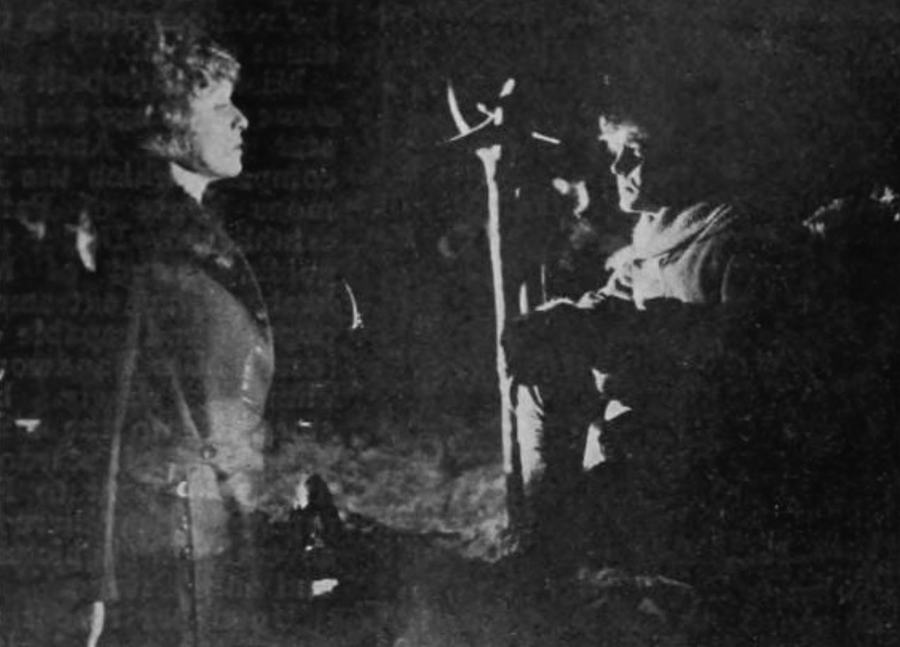
Another significant theme is The Weight of the Past. Josephine’s secret is not just a plot device; it represents the universal human struggle with past decisions and their inevitable return. The film suggests that one cannot truly escape their history, especially when it involves profound personal connections. This theme is explored with particular poignancy, reminding us that even the most carefully guarded secrets have a way of surfacing, demanding acknowledgment and resolution. The narrative, in this regard, shares a kinship with films like The Honor of Mary Blake, which often explored how past indiscretions or societal judgments continually haunt characters, shaping their present and dictating their future. Similarly, the concept of a hidden shame or a past that threatens to unravel one's current standing is a powerful undercurrent in Vanity, albeit perhaps from a different social angle.
The Canadian Wilderness itself acts as a character in the film. It's a vast, unforgiving backdrop that mirrors the emotional desolation and isolation experienced by the characters. The journey into the wilderness to find Peter God is symbolic of Philip's journey into the unknown territories of Josephine's heart and history. This use of nature as a powerful, almost spiritual, force is a hallmark of many adventure and drama films of the era, and it lends a grand, epic feel to what is essentially an intimate psychological drama. Films like Jack Chanty, for instance, are deeply intertwined with their natural settings, using the environment to amplify the struggles and triumphs of their characters.
The collaborative efforts of writers Edward J. Montagne and James Oliver Curwood are evident in the film's robust structure and compelling character arcs. Curwood, renowned for his adventure novels often set in the Canadian wilderness, brings a sense of authenticity and rugged realism to the setting and the challenges faced by the characters. His influence likely imbued the narrative with its strong sense of place and the inherent dangers and moral ambiguities that arise from living on the fringes of civilization. Montagne, on the other hand, contributes to shaping the dramatic flow, ensuring that the emotional beats land effectively and the mystery unravels at a captivating pace. Their combined strengths create a screenplay that, even in its silent form, speaks volumes.
While the director remains uncredited, the execution of the story is remarkably assured. The visual storytelling, crucial for silent films, is handled with an understanding of how to convey emotion and plot through composition, editing, and actor blocking. The camera work, though rudimentary by today's standards, effectively captures the vastness of the Canadian landscape and the intimacy of emotional confrontations. The pacing, a delicate art in silent cinema where intertitles provide crucial exposition, maintains a steady rhythm, building tension and allowing moments of reflection. It's a testament to the collective craft of early filmmaking that such nuanced narratives could be conveyed with such clarity and emotional impact, often under challenging production circumstances. The directorial choices, even if anonymous, successfully translate the written word into a potent visual experience, guiding the audience's understanding and empathy without the crutch of spoken dialogue.
Viewing The Destroyers today offers more than just a dramatic story; it's an educational journey into the nascent art form of cinema. In 1916, filmmaking was rapidly evolving, moving beyond simple actualities and vaudeville sketches into more complex narrative structures. This film stands as an example of that evolution, demonstrating a sophisticated understanding of character development, plot twists, and thematic depth. It existed in a landscape populated by a diverse array of cinematic offerings, from the comedic genius of Chaplin in films like The Essanay-Chaplin Revue of 1916 to more serious character studies such as Mrs. Wiggs of the Cabbage Patch. Each film contributed to the growing cinematic language, experimenting with techniques and narrative forms that would become standard.
The film’s historical context is also fascinating. It was produced during a period of global upheaval, yet it offers a form of escapism and moral reflection. The public craved compelling stories, and The Destroyers delivered just that: a tale of personal struggle against a grand natural backdrop, infused with the universal themes of love, duty, and the haunting power of the past. It’s a reminder that even without synchronized sound, films could evoke powerful emotions and engage audiences on a profound level. The reliance on visual storytelling fostered a unique form of cinematic literacy, where audiences learned to interpret subtle cues and derive meaning from the interplay of images and intertitles. This era of filmmaking, often overlooked by modern viewers, laid the essential groundwork for all that followed, proving that a compelling narrative transcends technological limitations.
While The Destroyers may not be as widely recognized today as some of its contemporaries, its narrative structure and thematic depth demonstrate the sophisticated storytelling capabilities of early cinema. It’s a film that speaks to the timeless human condition, exploring how our pasts shape our present and how love can be both a binding force and a destructive one when confronted with unforeseen truths. For enthusiasts of silent film and cinematic history, it offers a valuable insight into the narrative conventions and artistic aspirations of its time. It reminds us that the fundamental elements of compelling drama—intrigue, emotional conflict, and the pursuit of truth—are universal, crossing temporal and technological divides.
The film’s title, The Destroyers, is itself a poignant metaphor. Is it referring to the secrets that destroy relationships? The wilderness that destroys naive perceptions? Or perhaps the destructive power of a past that refuses to stay buried? The ambiguity adds another layer of interpretive richness, inviting viewers to ponder the various forces that can dismantle lives and loves. This thoughtful ambiguity, allowing the audience to engage with the thematic core, is a mark of well-crafted storytelling, whether in 1916 or today. It’s a powerful reminder that the true destroyers are often not external forces, but the hidden truths and unresolved conflicts within ourselves and our most intimate relationships.
In conclusion, The Destroyers is a fascinating cinematic artifact that offers much to appreciate. From the strong performances of Huntley Gordon and Florence Natol to the evocative use of the Canadian wilderness, and the tightly woven narrative from Montagne and Curwood, it stands as a testament to the enduring power of silent film. It’s a drama that skillfully navigates the treacherous waters of love, loyalty, and the devastating impact of a past brought to light. For anyone interested in the evolution of storytelling on screen, or simply a compelling tale of human hearts tested by fate, this film provides a rich and rewarding experience. It's a journey worth taking, a secret worth uncovering, and a reminder that the human drama, in all its complexity, remains the most compelling spectacle of all.
IMDb 2.2
1926
Community
Log in to comment.