DbcultAccessing Vault...
Cult Review
Senior Film Conservator
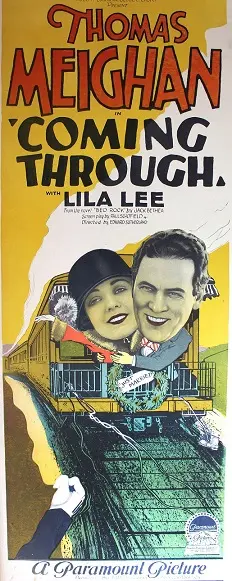
In the pantheon of silent-era dramas that grapple with the burgeoning friction of the American industrial machine, Coming Through (1925) stands as a remarkably prescient exploration of class warfare, corporate sabotage, and the fragility of the marital contract. Directed with a keen eye for the atmospheric weight of the coal mines, the film eschews the melodramatic fluff often associated with the mid-twenties to deliver a narrative that feels as heavy as the minerals being extracted from the earth. Thomas Meighan, portraying Tom Blackford, embodies a specific brand of stoic masculinity—one that is defined not by brute force, but by a dogged adherence to meritocracy in a world governed by bloodlines.
The premise establishes a conflict that is inherently Shakespearean. When Blackford is denied a promotion in favor of a less capable relative of the mine owner, the betrayal isn't merely professional; it is existential. This is a recurring motif in the era's cinema, often seen in works like The Winchester Woman, where the struggle for social legitimacy drives the protagonist into precarious moral territories. However, Blackford’s response is one of quiet defiance. By marrying Alice Rand (Lila Lee) despite her father’s disapproval, he enters a domestic battlefield that is perhaps more treacherous than the mines themselves.
The shift in setting from the opulent offices of the Rand corporation to the desolate, grime-encrusted mining camp is where the film truly finds its visual identity. The camp is not merely a backdrop; it is a character in its own right—a sprawling, claustrophobic purgatory where the air is thick with both coal dust and resentment. The production design here is exemplary, capturing the utilitarian bleakness of the worker's quarters and the menacing silhouette of the mine shaft. It reminds one of the stark realism found in The Belle of Kenosha, though with a more pronounced focus on the collective struggle of the labor force.
Rand’s decision to appoint Tom as the superintendent of this specific camp is a masterstroke of villainy. It is a death sentence wrapped in a promotion. The instruction to other executives to ensure Tom’s failure introduces a layer of corporate espionage that feels startlingly modern. We see the machinery of power working to grind down the individual, a theme that resonates through the decades, finding echoes in later cinematic explorations of guilt and social standing like Atonement.
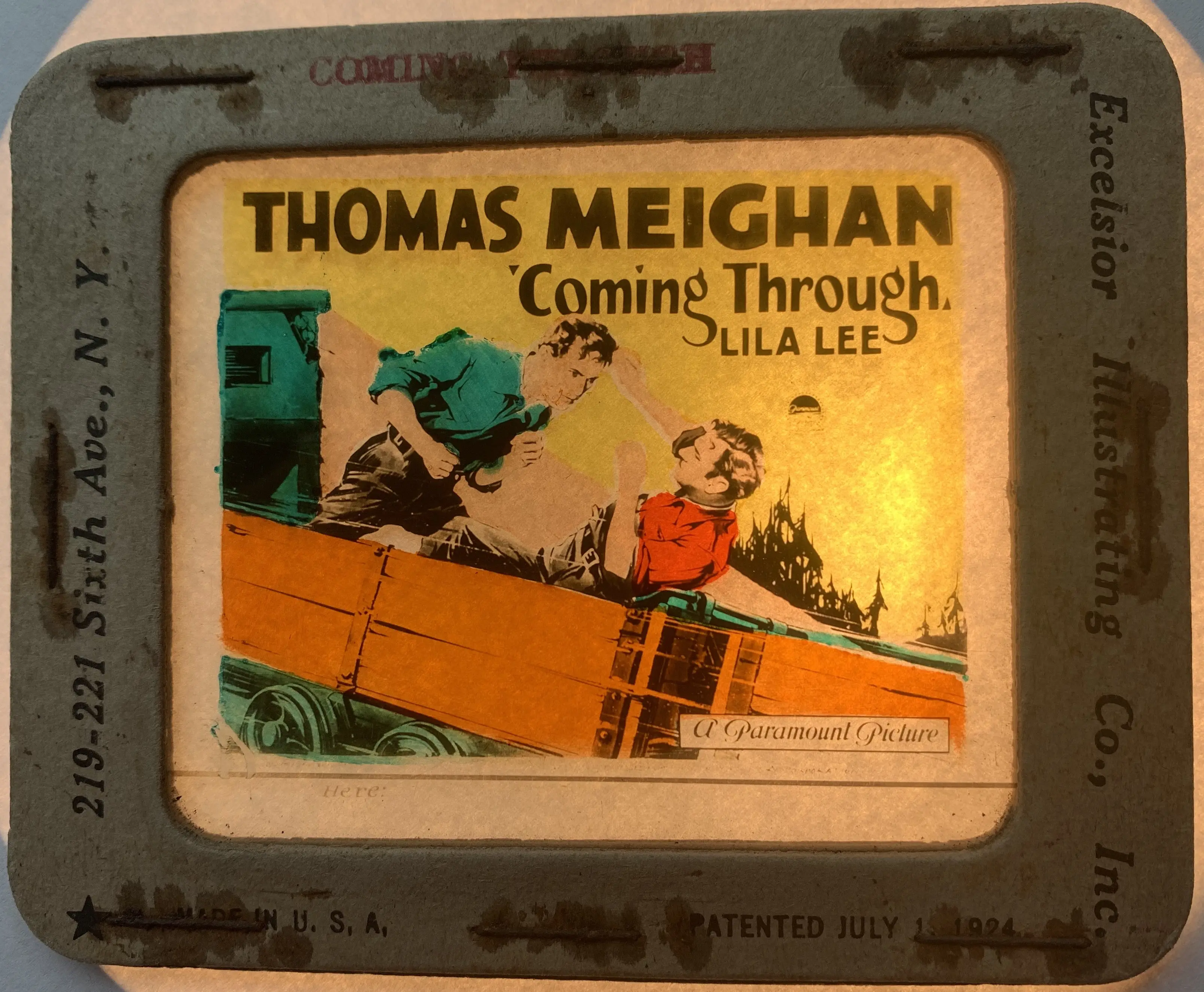
No discussion of Coming Through is complete without acknowledging the looming presence of Wallace Beery as Joe Lawler. Beery, even this early in his career, possessed a singular ability to project a physical menace that was both visceral and intellectual. Lawler is not a simple thug; he is a manipulative agitator who understands the grievances of the miners and weaponizes them for his own gain. The alliance between Lawler and the local saloon owner creates a dual threat: the physical danger of the strike and the moral decay represented by the alcohol-fueled unrest.
The dynamic between Lawler and Blackford is a fascinating study in contrast. Where Blackford represents the order and progress of the new industrial age, Lawler represents the chaotic, predatory instincts of the frontier. This clash of archetypes is a staple of early American cinema, often explored in western hybrids like The Riddle Rider. The scene in which Tom destroys the saloon after a drunken mishap nearly kills several miners is a pivotal moment of catharsis. It is the moment Tom stops trying to manage the camp and starts trying to save it.
While the external conflict centers on the mines, the emotional core of the film is the "wife in name only" relationship between Tom and Alice. Lila Lee delivers a nuanced performance as a woman caught between her loyalty to her father and her growing realization of her husband’s integrity. The psychological warfare waged by Rand—quoting Tom’s incautious remarks out of context—is a sophisticated narrative device that adds a layer of tragic misunderstanding to their union. It is a more grounded, gritty take on the domestic tensions seen in All Dolled Up, replacing lighthearted social climbing with a somber battle for mutual respect.
Alice’s presence in the mining camp is essential. She acts as the audience’s surrogate, witnessing the harsh realities of the labor she has profited from her entire life. Her transition from a skeptical, hurt observer to a devoted partner is handled with a subtlety that avoids the pitfalls of sudden, unearned character shifts. The film suggests that true intimacy is not born of romantic gestures, but of shared trials and the revelation of character under pressure.
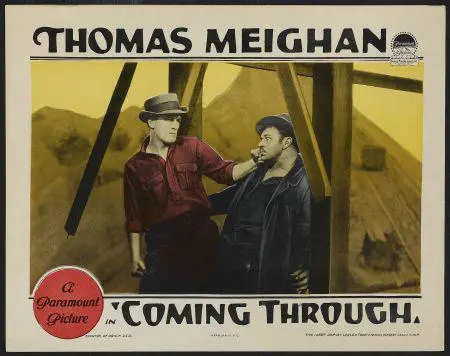
The revelation of Lawler’s corruption—the "crooked scales" used to cheat the miners out of their meager earnings—is a brilliant plot point that shifts the moral high ground firmly to Tom’s side. It transforms the conflict from a labor dispute into a pursuit of justice. The cinematography during the climactic fight between Tom and Lawler is surprisingly kinetic for 1925. The use of shadows and the tight framing of the struggle emphasize the desperation and the stakes of the encounter. This isn't just a fight for a job; it's a fight for the soul of the community.
Comparing this to the rhythmic pacing of international films of the time, such as the Turkish drama Istanbul'da istirap, one can see how American cinema was refining the language of the action-drama. The writers, Jack Bethea and Paul Schofield, deserve credit for weaving these disparate threads—the corporate, the domestic, and the industrial—into a cohesive and propulsive narrative. There is no wasted motion in the script; every scene serves to either heighten the tension or deepen our understanding of the protagonists' plight.
Coming Through is a testament to the power of the silent medium to convey complex socio-economic themes without the need for excessive dialogue. It captures a moment in American history when the lines between the industrialist and the laborer were being violently redrawn. While it shares some thematic DNA with the vengeful justice of I Will Repay, its resolution is more intimate and grounded in the reality of human relationships.
Ultimately, the film succeeds because it understands that the "road to advancement" is not paved with corporate favors or familial connections, but with the grit of one's own character. When Tom and Alice are finally united, it feels earned—a hard-won peace after a brutal war of attrition. For the modern viewer, Coming Through offers a fascinating window into the past, reminding us that the struggles for fairness in the workplace and honesty in the home are eternal. It remains a vital, if overlooked, piece of cinematic history that demands a place in the conversation about the development of the American social drama.

IMDb —
1918
Community
Log in to comment.