Summary
In the somber chambers of turn-of-the-century Vienna, Dr. Alaric Thorne, a man of formidable intellect yet profound melancholia, finds himself irrevocably tethered to the spectral memory of Elara, his recently deceased fiancée. Her abrupt demise, initially attributed to a tragic accident, leaves an indelible scar on Thorne’s psyche, propelling him into a labyrinthine descent where the veil between the living and the departed grows perilously thin. Whispers, fleeting apparitions, and the inexplicable rearrangement of Elara’s cherished possessions begin to plague his solitude, manifesting as a chilling dialogue from beyond the grave. These ethereal communiqués, fragments of a spectral narrative, relentlessly point towards Baron Von Kroll, a shadowy figure of immense wealth and dubious repute, as the architect of Elara’s untimely end. Thorne, a man of science now gripped by an unshakeable, almost feverish conviction, embarks on a relentless, self-destructive quest for truth, navigating a treacherous landscape of societal skepticism and his own burgeoning madness. As he delves deeper, piecing together the spectral clues, the terrifying realization dawns: the 'dead' are indeed speaking, but not through the ethereal echoes of a wronged spirit. Instead, Elara's voice resonates through the deeply buried, guilt-ridden recesses of Thorne’s own fractured mind, revealing a devastating, repressed memory of his accidental culpability in her death, a truth his psyche had conjured a supernatural conspiracy to evade. The film culminates in a harrowing psychological reckoning, where the 'speaking dead' are ultimately the echoes of Thorne's own profound, self-inflicted torment.
Review Excerpt
"
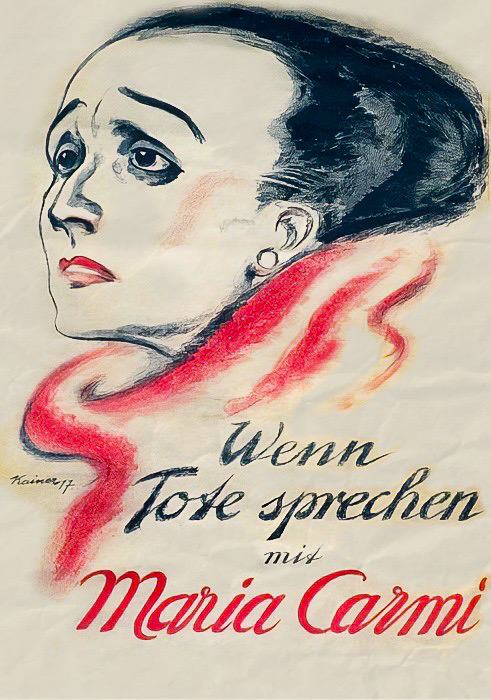
The Echoes of Silence: Unearthing the Haunting Genius of 'Wenn Tote sprechen'
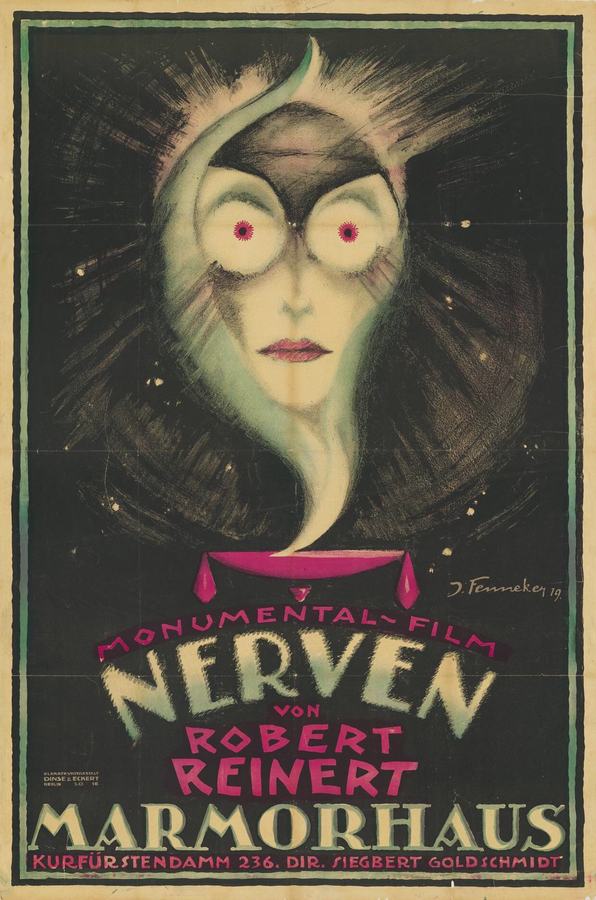
Stepping back into the hallowed, often shadowy, halls of early 20th-century cinema is always a peculiar pilgrimage. It's a journey into an era where narrative was forged not through dialogue, but through the eloquent contortions of the human face, the dramatic sweep of a camera, and the visceral power of suggestion. Robert Reinert’s Wenn Tote sprechen (When the Dead Speak), a cinematic artifact from ..."