DbcultAccessing Vault...
6.6/10
Senior Film Conservator
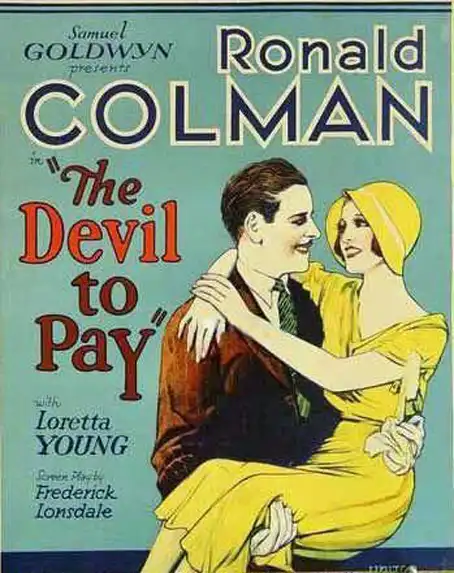
A definitive 6.6/10 rating for a film that redefined the boundaries of cult cinema. The Devil to Pay! remains a cornerstone of transgressive art.
Okay, if you're into those pre-Code talkies, especially the ones with a bit of a spark and some truly charming cad behavior, then The Devil to Pay! is absolutely worth a look. Folks who enjoy snappy dialogue and watching old Hollywood stars just *be* charming will find a lot to like. But if you're looking for big action or deep, complex themes, you'll probably just find it a bit... quaint. It's a drawing-room comedy, mostly.
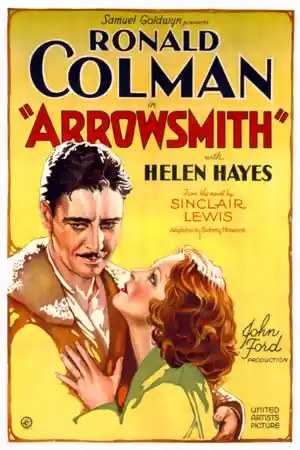
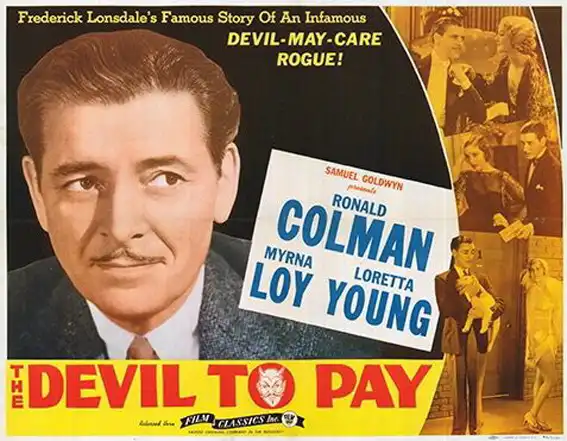
Ronald Colman, playing Willie Leyland, is really the whole show here. He’s this absolute scamp, always broke, always returning to his rich family. He just oozes charisma, even when he’s being a total mess. That voice of his, it’s just pure butter.
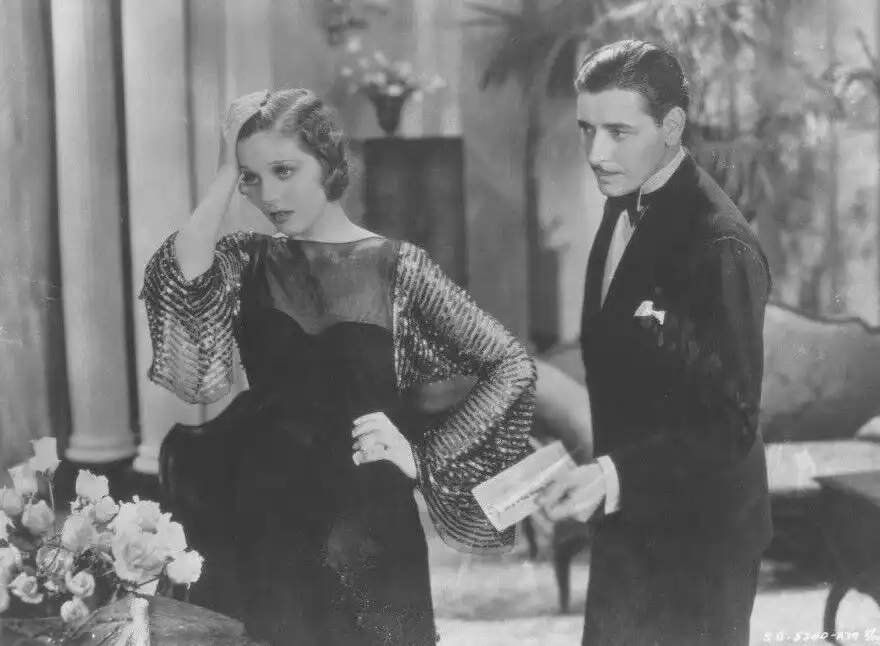
The film starts with him showing up at his father’s grand London home, pockets empty. His dad, Frederick Kerr, is a proper picture of exasperation. The way Kerr just sort of wilts when Willie starts talking. It’s a masterclass in parental weariness, honestly. You can practically hear the father thinking, "Here we go again."
Willie doesn't even try to hide his spendthrift ways. He just smiles, says something utterly disarming, and suddenly he's got a place to stay. You almost want to be annoyed by him, but Colman makes it impossible. He has this way of looking at you, like he’s sharing a secret joke, a conspiratorial wink even if he doesn't physically wink.
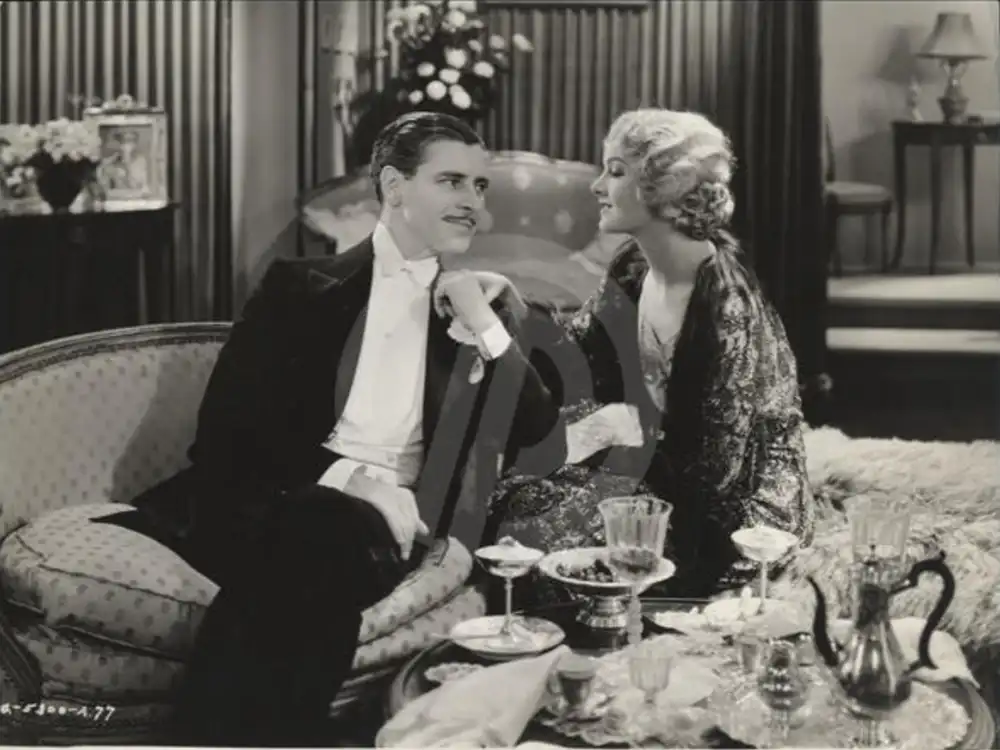
Then there’s Dorothy Hope, played by a very young Loretta Young. Her father is apparently "big in linoleum," which is such a fantastic, grounded detail for wealth in that era. It makes him feel very specific, not just "rich guy." Before Willie pops back into her life, she’s practically engaged to some Russian prince.
This Russian guy, he’s basically furniture. He just sort of stands there looking vaguely polite and confused. You can almost feel the movie going, “Right, let’s get this fellow out of the way for our main event.” He hardly says two lines.
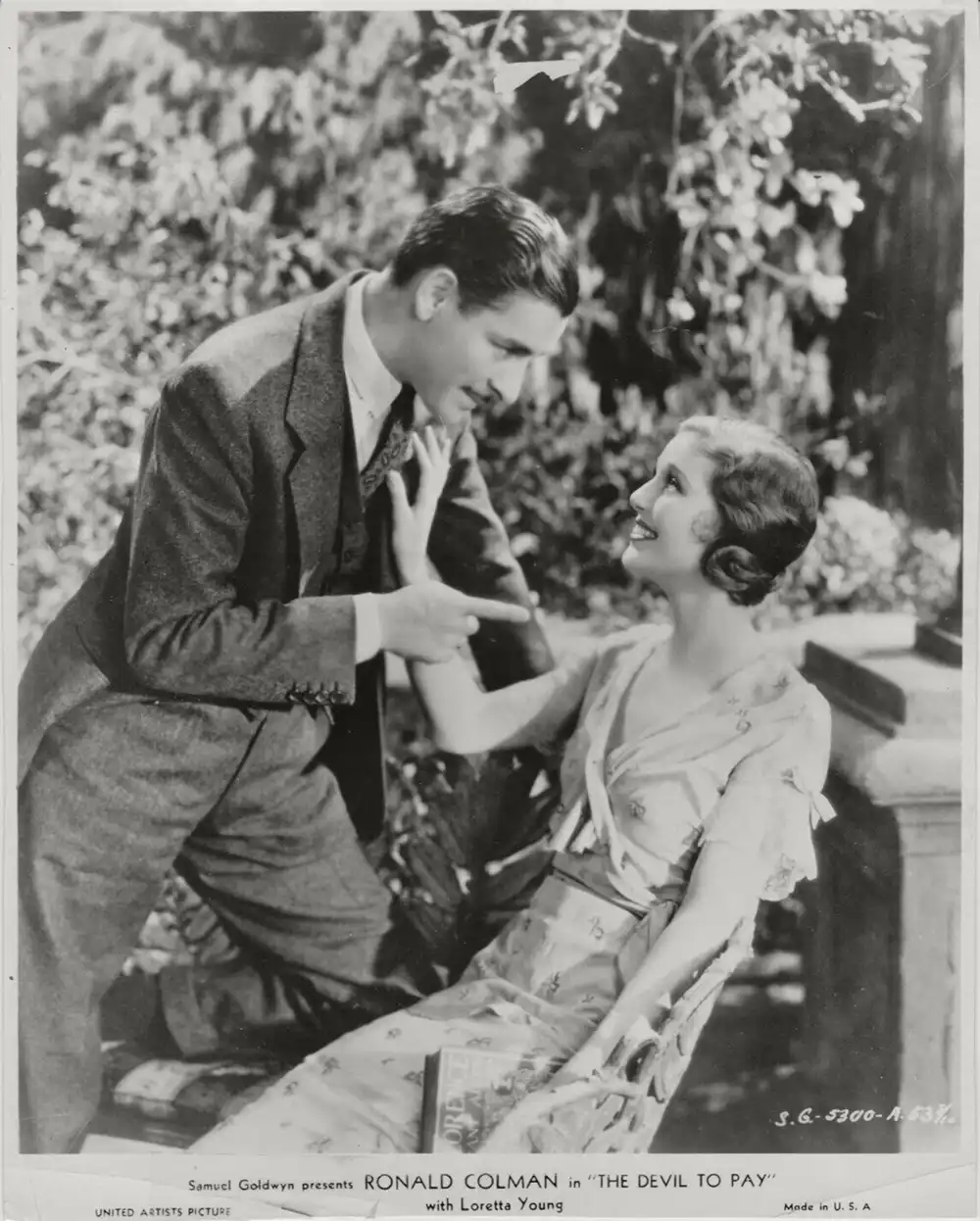
Willie turns that same charm on Dorothy, and honestly, who wouldn't be swayed? Young has this really sweet, almost naive quality. She’s definitely smitten, even if she knows he’s a bit of a rogue. You can see her trying to resist, but it’s no use. Her eyes just follow him.
Myrna Loy is also in this, playing Mary, Dorothy’s sister. She doesn’t get a ton of screen time. But every scene she’s in, she just has this presence. Even early on, you can tell she's going to be a star. There’s a particular look she gives Willie, a sort of knowing smirk, that just speaks volumes. It's like she sees right through him, but in an amused way.
The dialogue is so quick. It just bounces around the room. Not in a snappy, modern way, but with a definite rhythm, like a tennis match. You really have to listen. Some of the early sound recording can be a little muffled, but you quickly adjust.
One scene, Willie is trying to explain *why* he’s broke. He just gestures vaguely, changes the subject, and starts complimenting someone’s dress. His father just throws his hands up. It’s a very small moment, but it tells you everything you need to know about their relationship. A whole history of these encounters.
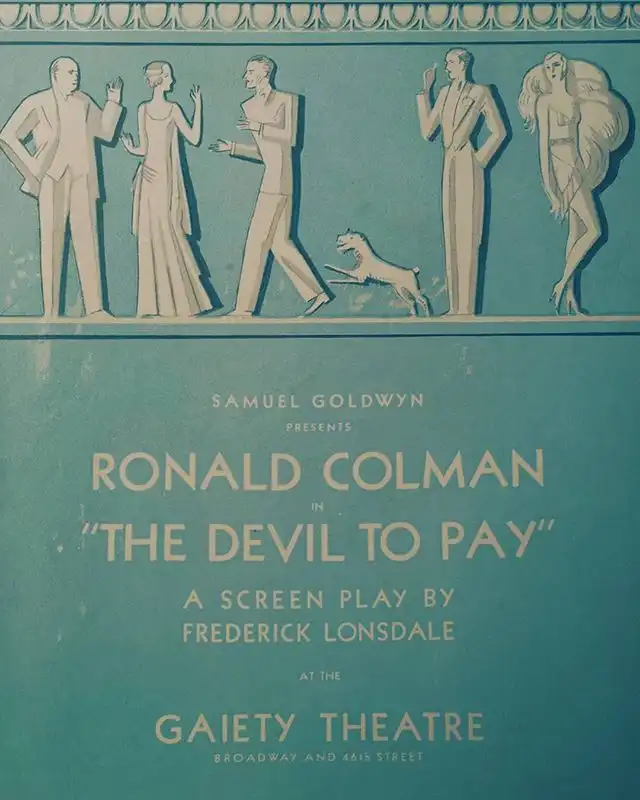
It’s a film that relies heavily on its actors' stage training. They really know how to deliver a line. The way Colman pauses, just a beat too long, before delivering a witty retort. It's all about the timing, the slight lift of an eyebrow.
The whole thing feels a bit like a play filmed. The sets are elaborate, but you can tell they're indoors. Lots of drawing rooms and grand staircases. It's all very elegant, though.
The stakes are pretty low. It's about a man trying to avoid getting a proper job and win over a girl. But that's okay. Sometimes you just want to watch clever people say clever things without the weight of the world on their shoulders. It's a nice escape.
The ending feels a little rushed. Like they ran out of film or something. It ties everything up neatly, but it leaves you wanting just a little more of Willie’s antics. Or maybe just another one of Frederick Kerr’s sighs. Like, what happens next for Willie? Does he actually change? Probably not.
It's not a film that's going to change your life. But it’s a perfectly pleasant way to spend an hour and a bit. Especially if you appreciate a certain brand of old-fashioned charm. And the sound of early talkie dialogue. It’s a glimpse into how people flirted and bickered on screen nearly a century ago.

IMDb 4.7
1929
Community
Log in to comment.