DbcultAccessing Vault...
Cult Review
Senior Film Conservator
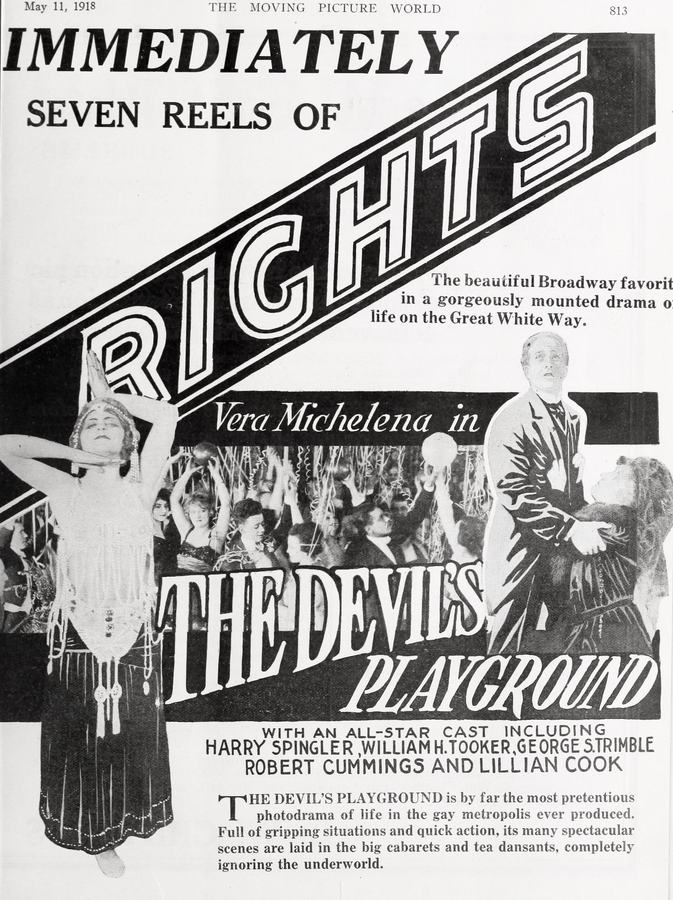
The flickering images of early cinema often serve as invaluable time capsules, offering glimpses into societal mores, anxieties, and the nascent art of storytelling. Among these cinematic relics, The Devil's Playground emerges as a particularly potent exploration of moral ambiguity, the intoxicating allure of wealth, and the devastating consequences of unchecked desire. This silent-era drama, penned by Dallas Tyler and Harry McRae Webster, isn't just a simple narrative; it’s a nuanced tapestry woven with threads of ambition, manipulation, and eventual disillusionment, set against the vibrant yet often corrupt backdrop of Broadway’s early 20th-century landscape.
From its very inception, the film plunges us into a world where appearances are deceiving and virtue is a fragile commodity. We are introduced to a young stenographer, her days spent in the prosaic rhythms of an office, yet her nights are alive with the rhythmic pulse of the Broadway cabaret. Here, amidst the glittering lights and the intoxicating sway of dance, she dreams of a life beyond the mundane, a common yearning that resonates even today. This juxtaposition of her humble profession and her glamorous aspirations immediately sets a compelling emotional arc. Her involvement with her wealthy employer isn't merely a dalliance; it's a desperate reach for a different existence, a gamble with her own integrity in the hopes of escaping the confines of her station.
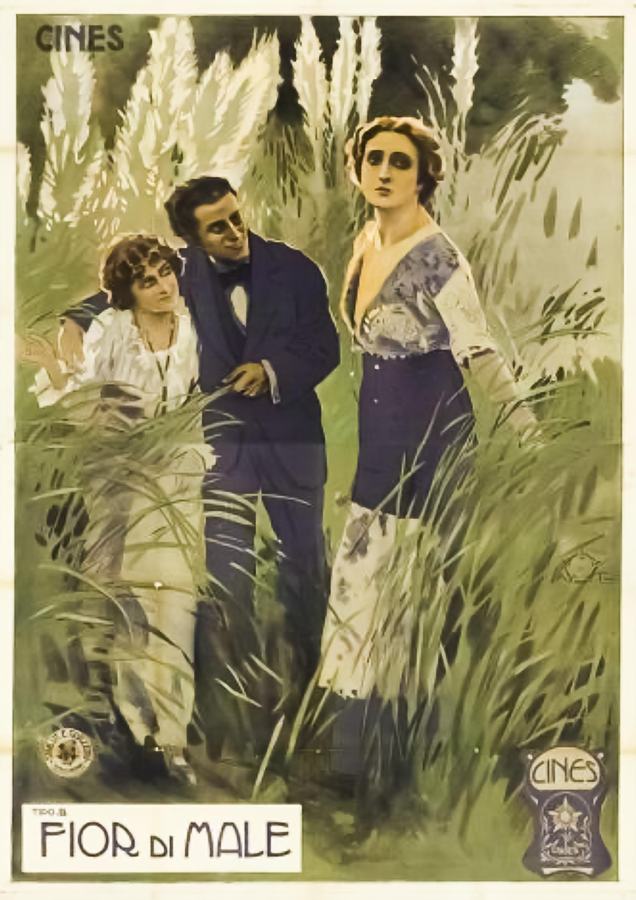
The narrative takes a stark turn when the employer, a figure of significant power and privilege, reveals his true, predatory nature. The scene in the secluded roadhouse, though depicted through the conventions of silent film, conveys a palpable sense of menace and vulnerability. Her escape through a window isn't just a physical act; it’s a symbolic breach of confinement, a desperate scramble for agency in a moment of extreme duress. The subsequent, almost immediate death of her attacker from a heart attack adds a layer of karmic irony, leaving the audience to ponder the swift, often unforeseen, repercussions of one's actions. It’s a twist that avoids easy moralizing, instead hinting at the complex interplay of fate and consequence that often defines human experience. This sequence, with its sudden shift from tension to an almost accidental resolution, evokes a similar sense of unexpected dramatic turns found in films like The Clutch of Circumstance, where lives are irrevocably altered by a single, desperate act.
The film then deftly pivots to another facet of this moral quagmire, introducing the employer’s son. A regular patron of the very cabaret where our stenographer seeks solace and dreams, he represents a different kind of innocence—or perhaps, naivety—shielded by inherited wealth. His falling for a 'woman of the world' is a classic narrative trope, yet here it is rendered with a particular poignancy. This woman, portrayed with an alluring yet calculating demeanor by Vera Michelena, is not merely a femme fatale; she is a survivor, adept at navigating the treacherous waters of high society and exploiting the vulnerabilities of those who cross her path. Her initial boredom with an older companion, leading her to latch onto the younger, wealthier man, speaks volumes about the transactional nature of relationships in this particular social stratum.
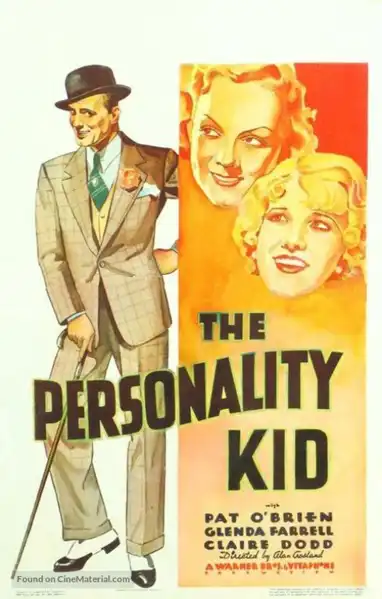
The son's descent into financial ruin, driven by his desire to maintain the 'woman of the world's' fleeting affections, is a tragic commentary on the corrupting power of both love and avarice. His desperate attempt to rob a bank, a stark departure from his privileged upbringing, underscores the extent to which he has been manipulated and, perhaps, how little he understood the true value of anything beyond superficial attraction. Robert Cummings, in his portrayal of the son, conveys a believable arc from youthful infatuation to desperate criminal, capturing the pathos of a character out of his depth. This narrative thread, where a character's moral compass is utterly skewed by romantic obsession and financial desperation, finds echoes in the dramatic intensity of films like Playing with Fire, where characters make disastrous choices under intense emotional pressure.
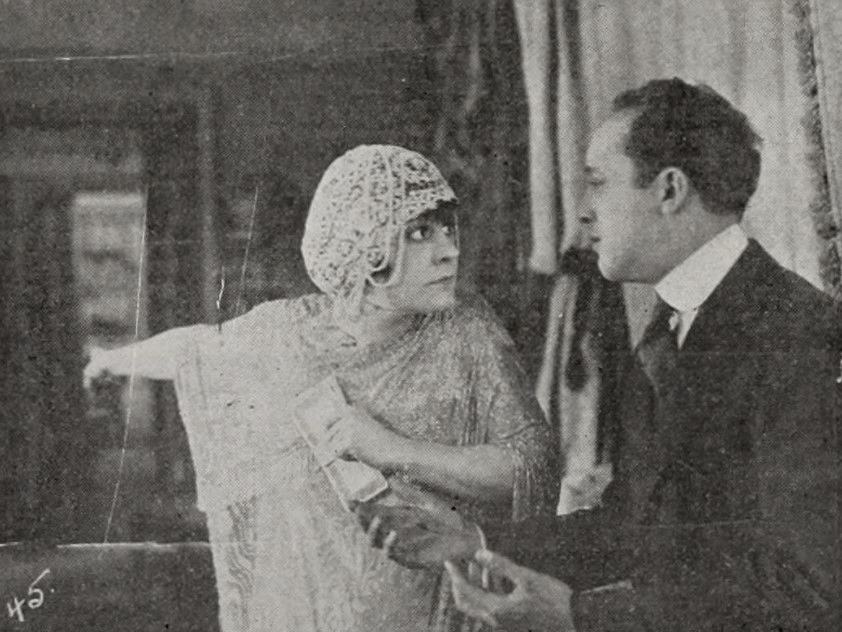
The film’s resolution, while perhaps predictable to a modern audience, carries a profound weight in its era. The 'woman of the world' returning to her older, more stable paramour signifies the cyclical, pragmatic nature of her existence. Her affections were never truly for the boy, but for the lifestyle he could provide. Similarly, the son's return to his mother, stripped of his illusions and now carrying the burden of a criminal record, marks a retreat from the 'playground' back to a semblance of safety and maternal comfort. It's a conclusion that offers little in the way of conventional happy endings, instead opting for a more realistic, albeit somber, reflection on the consequences of seeking happiness in the wrong places.
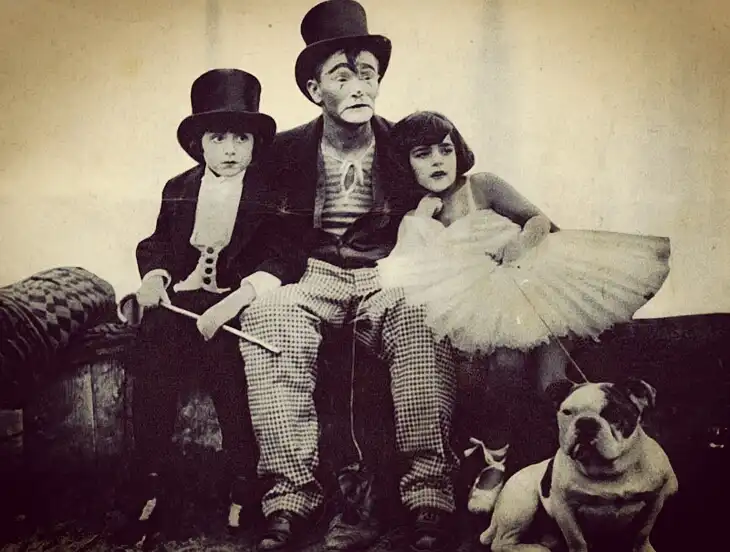
The performances in The Devil's Playground are, as expected for the era, largely driven by expressive physicality and exaggerated facial gestures, yet they manage to convey a surprising depth of emotion. Lillian Cook, as the aspiring stenographer, embodies a blend of innocence and ambition, her eyes reflecting both hope and despair. George S. Trimble, likely in the role of the wealthy employer, projects an unsettling blend of charm and menace, a common archetype of the time that nonetheless remains effective. William H. Tooker, whose presence often anchored such dramas, contributes to the film's gravitas. The film's pacing, under the direction of the filmmakers, is deliberate, allowing the audience to absorb the moral complexities unfolding on screen. Silent films relied heavily on visual storytelling and the audience's ability to infer emotion, and The Devil's Playground excels in this regard, much like the evocative visual narratives found in European productions such as Balettprimadonnan, which used similar techniques to convey inner turmoil and societal pressures without dialogue.
The thematic exploration of societal hypocrisy and the double standards applied to men and women is subtly yet powerfully present. The stenographer, despite being the victim of an attempted assault, is still implicated by her association with wealth and the cabaret world, while the 'woman of the world' operates within a system that rewards her manipulative prowess. This critical lens on societal structures, where moral judgments are often skewed by class and gender, finds a parallel in the more direct social commentary of films like Hypocrisy, which bravely tackled the moral failings of its contemporary society.
What makes The Devil's Playground resonate even today isn't just its historical value, but its timeless exploration of human frailty and the seductive dangers of ambition untethered by ethics. The 'playground' itself isn't merely Broadway; it's any arena where individuals are tempted by power, money, or superficial affection, often at the cost of their true selves. The film serves as a cautionary tale, reminding us that the pursuit of a glamorous life can often lead to unforeseen pitfalls and moral compromises that leave lasting scars.
The creative partnership of Dallas Tyler and Harry McRae Webster crafted a narrative that, despite its silent format, speaks volumes. Their ability to weave together multiple storylines—the stenographer's ordeal, the son's downfall, the 'woman of the world's' machinations—into a cohesive and impactful whole is commendable. The film’s ability to depict complex character motivations and the intricate web of cause and effect without relying on spoken dialogue is a testament to their storytelling prowess and the expressive capabilities of early cinema. It’s a craft that demanded a deep understanding of visual narrative, akin to the detailed character work seen in films like A Man's Making, where inner lives are conveyed through subtle gestures and powerful imagery.
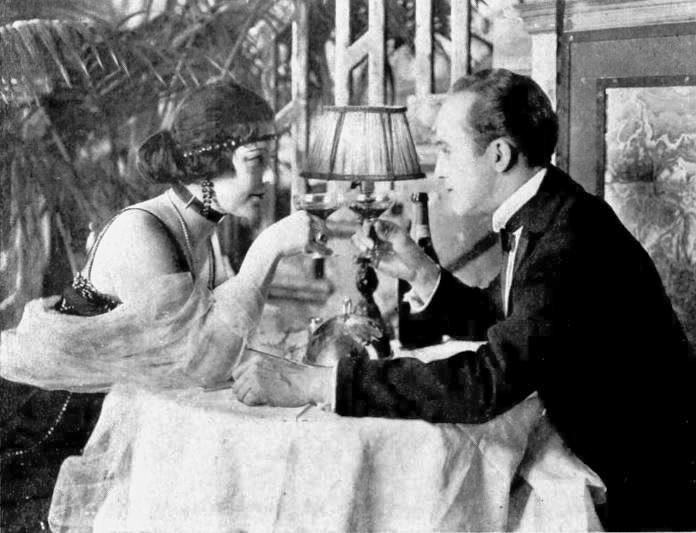
In a broader sense, The Devil's Playground can be viewed as a microcosm of the Roaring Twenties’ underbelly, a period often romanticized for its exuberance but also rife with moral quandaries and social upheaval. The film captures the spirit of an era grappling with newfound freedoms and the lingering constraints of Victorian morality. The cabaret setting itself is significant, representing a liminal space where societal rules are bent, and desires, both noble and base, are allowed to flourish. This thematic richness is what elevates the film beyond a mere melodrama, transforming it into a compelling piece of social commentary.
Ultimately, The Devil's Playground remains a fascinating artifact, not just for its historical context but for its enduring narrative power. It’s a film that asks us to consider the price of ambition, the fragility of innocence, and the complex nature of human relationships when money and desire are intertwined. It may not offer easy answers, but it certainly provokes thought, leaving a lingering impression long after the final frame fades to black. It reminds us that some 'playgrounds' are more treacherous than they appear, and the games played within them can have devastating, life-altering consequences for all involved.
The film’s exploration of the cyclical nature of human behavior, where characters often find themselves returning to their original positions or repeating past mistakes, is particularly striking. The 'woman of the world' reverts to her old paramour, the son to his mother, suggesting that despite the dramatic events, some fundamental patterns are hard to break. This sense of an inescapable destiny, or perhaps the sheer force of habit and ingrained social roles, is a powerful undercurrent throughout the narrative. It’s a sophisticated thematic choice for a film of its time, refusing to offer a simple redemption arc or a clear-cut victory. Instead, it presents a more nuanced, and perhaps more realistic, portrayal of life's complexities, where lessons are learned through hardship, but not always through transformation. This echoes the somber realism often found in period dramas that delve into the harsh realities of life, such as The Long Chance, which similarly depicted the relentless pressures faced by individuals in pursuit of their goals.
The film’s construction, relying on intertitles to convey dialogue and internal monologues, requires an active engagement from the viewer. This interactive element, where the audience fills in the emotional gaps, is a hallmark of silent cinema and contributes to its unique charm. The stark visual contrasts—the bright lights of the cabaret against the shadowy interior of the roadhouse, the opulence of wealth against the desperation of poverty—are skillfully employed to enhance the narrative’s emotional impact. These visual cues, coupled with the expressive performances of the cast including Harry Spingler, ensure that the story transcends the limitations of its format, delivering a powerful and memorable cinematic experience.
In conclusion, The Devil's Playground stands as a testament to the enduring power of early filmmaking to tackle complex moral and social issues. Its narrative, while rooted in the specific context of its time, offers universal insights into human nature, the temptations of power, and the often-perilous pursuit of happiness. It's a film that invites contemplation, challenging its audience to look beyond the surface glamour and confront the darker currents that flow beneath. For cinephiles and cultural historians alike, it offers a rich ground for exploration, confirming its place not just as a historical artifact, but as a compelling piece of cinematic art that continues to provoke and engage.
IMDb 6.9
1936
Community
Log in to comment.