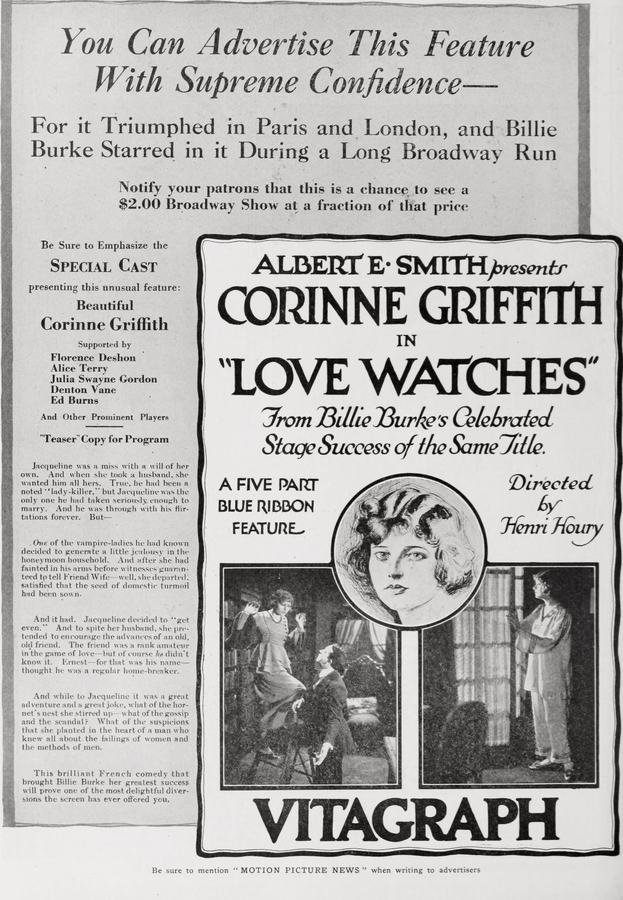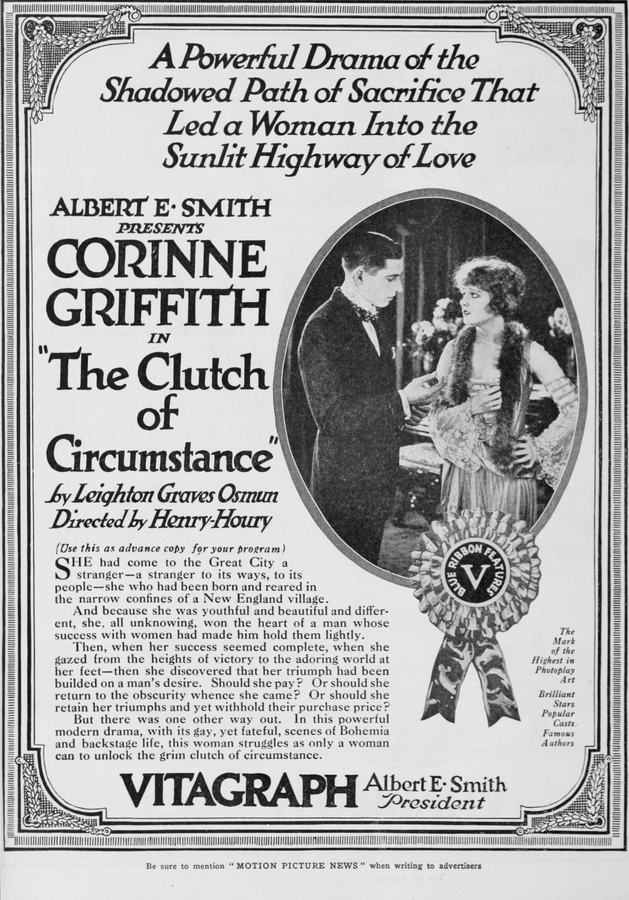
When businessman John Lawson is seriously injured in an accident, his wife Ruth travels from their New England village to New York to find a job that will support them both. Ruth works in a sweatshop until her health gives out, and then she is introduced to Broadway producer Rudolph "Rud" Rayburn.
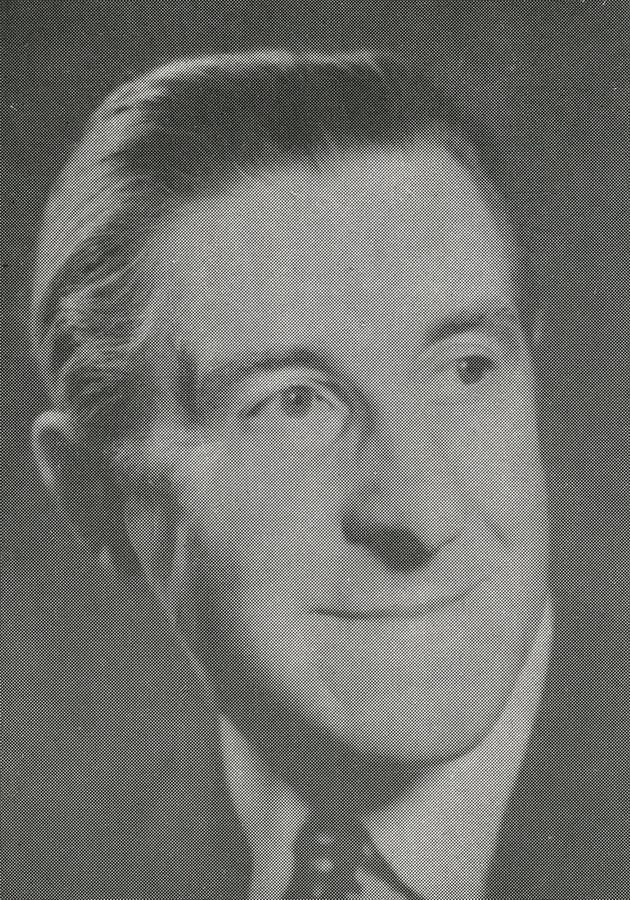
Edward J. Montagne, Leighton Osmun
United States
Flickering into view like a nitrate ghost, The Clutch of Circumstance lands on contemporary screens as both artifact and accusation. Shot through with the moral rigidity of the early ’20s yet curiously modern in its inspection of laboring female bodies, the film marries small-town Puritanism to the voracious metropol...
Comparing the cinematic DNA and archive impact of two defining moments in cult history.
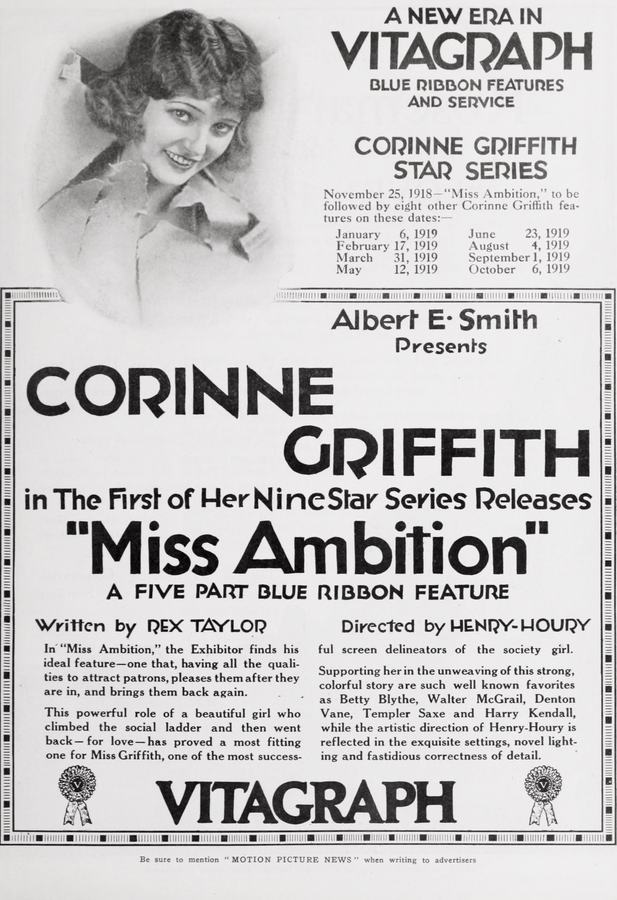
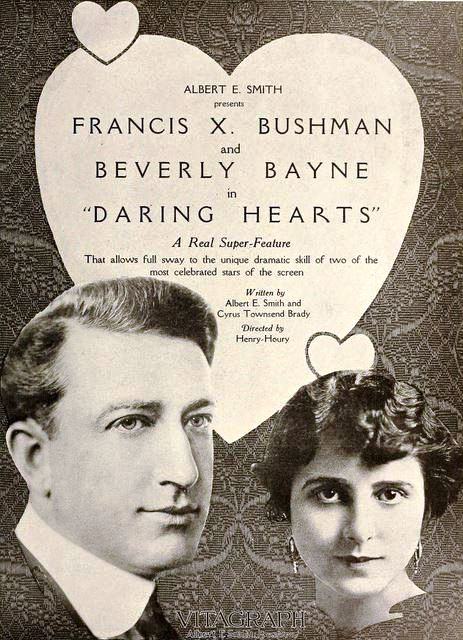
Henry Houry
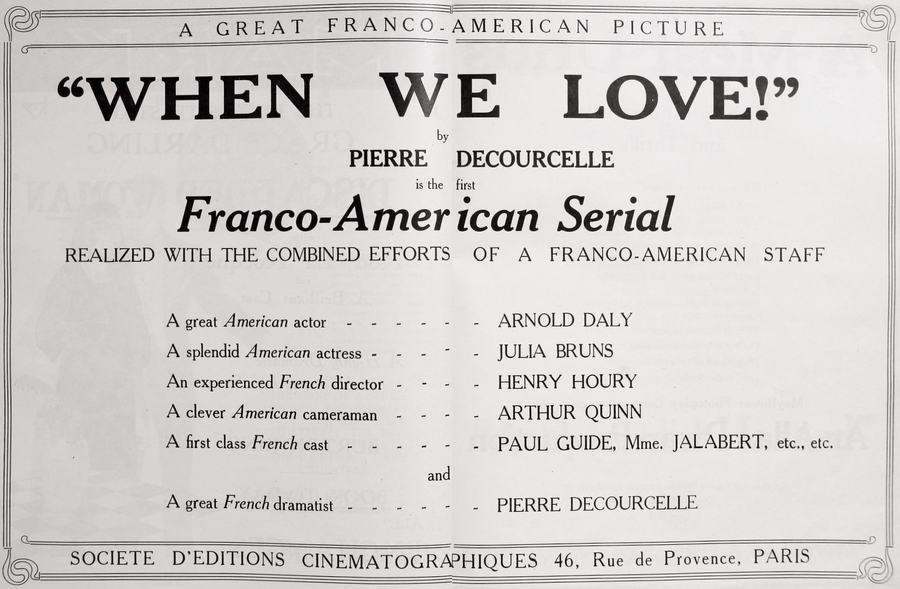
Henry Houry
Community
Log in to comment.
" Flickering into view like a nitrate ghost, The Clutch of Circumstance lands on contemporary screens as both artifact and accusation. Shot through with the moral rigidity of the early ’20s yet curiously modern in its inspection of laboring female bodies, the film marries small-town Puritanism to the voracious metropolis, producing a dialectic that hums beneath every intertitle. Director Edward J. Montagne, better known for punchy two-reelers, here stretches the canvas to five acts, allowing si..."
Deep dive into the cult classic
Discover similar cinematic experiences
A Directorial Spotlight on Henry Houry