DbcultAccessing Vault...
Cult Review
Senior Film Conservator
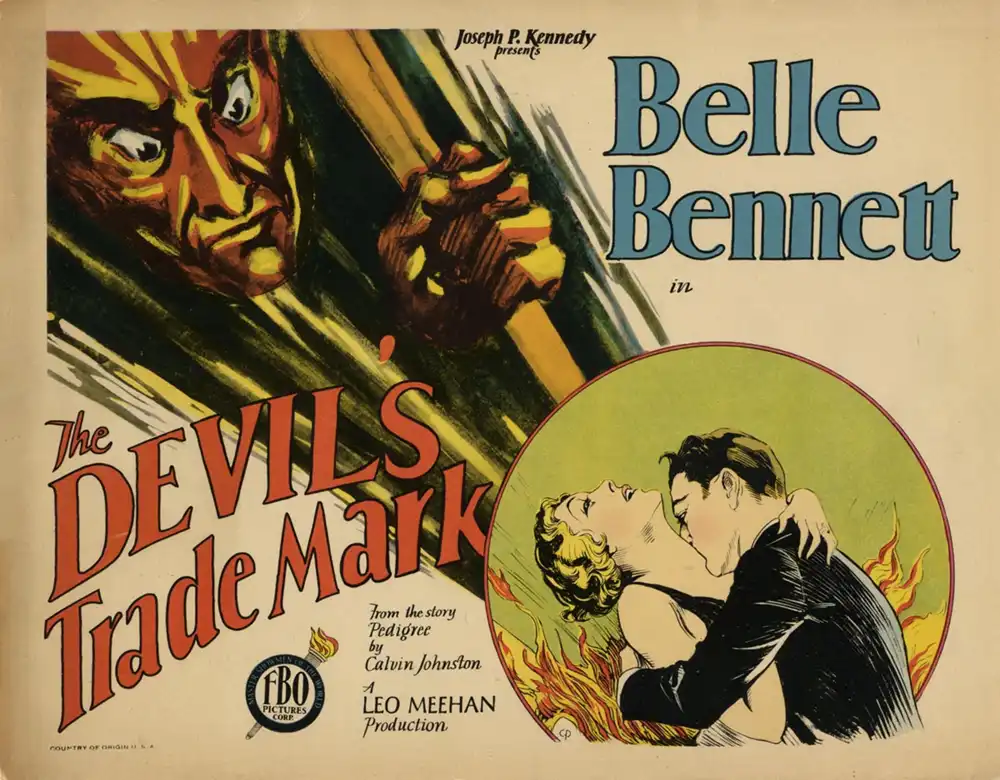
Okay, so *The Devil's Trademark* is one of those old-timers that popped up on my watch list, and honestly, if you’re into early cinema, the kind where emotions are writ large on faces and everything feels a bit grander than life, you might find something here. Folks who need lightning-fast pacing and a modern narrative structure? You’ll probably bounce off this pretty hard. It’s got a certain charm, but it’s definitely not for everyone, especialy if you're new to silent films.
Right from the start, you get this feeling of something heavy, you know? Like, the title alone, *The Devil's Trademark*, hints at some serious business. And Belle Bennett, she’s really the anchor here. Her expressions just carry so much. You can almost feel her character's internal struggle, even when the plot itself gets a little murky.
There’s this one scene, pretty early on, where her character is just staring off into space. No dialogue, just her face. It goes on for a while, maybe twenty seconds? And you really feel the weight of whatever she's thinking. It’s _effective_, that kind of silent power. A lot of modern movies rush past those moments.
William Desmond, as the maybe-villain or maybe-misunderstood guy, plays his part with that classic, almost theatrical style of the era. He’s got this intense glare that feels a bit over-the-top now, but it works for the mood. You see him in a dark doorway, and you just know he’s up to no good. 😬
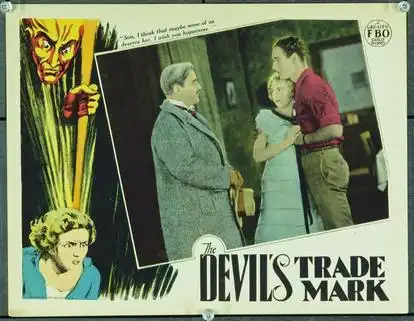
The pacing, well, it’s definitely *of its time*. Things unfold slowly. Sometimes you just want to nudge the film along a bit, like, 'Come on, get to the point!' But then again, that’s part of the experience of watching these old movies, isn't it? It makes you really appreciate the little details, like how the shadows fall in a particular shot.
There’s a moment with a close-up on some papers, a letter maybe, and the way the light catches it… it's just a small thing, but it makes you lean in. Like you're supposed to read along. I love when old films do that.
The whole 'trademark' idea, it comes across more as a symbol of guilt or a bad past rather than a literal branding, which I appreciate. It keeps things a bit more mysterious than just some physical mark. It’s about reputation and destiny, not just a tattoo.
I found myself wondering about the choices these characters made. Like, why *that* decision? The story, penned by folks like Calvin Johnston and Dorothy Yost, isn’t always crystal clear, but the emotional beats are there. It’s less about intricate plot twists and more about the raw feeling of it all.
One thing that kinda stood out was the way some of the supporting actors, like William V. Mong, just *fill* the screen. Even in smaller roles, they have such a presence. It’s a different kind of acting, for sure, not as subtle as today, but incredibly expressive. Almost like a stage play in some ways.
The print I watched wasn't perfect, had a few scratches and jumps. But you know what? That just adds to the feeling of watching something from a different era. It’s like peeking through a slightly dusty window into the past. 🎞️
So, is it a masterpiece? Probably not in the way we talk about them today. But is it worth watching if you're a film history buff or just curious about how stories were told nearly a hundred years ago? Absolutely. Just make sure you're in the right mood for a slow burn, with plenty of intense gazes and dramatic gestures. It’s a solid piece of its era, even if it feels a little uneven in spots.
IMDb —
1917
Community
Log in to comment.