
DbcultAccessing Vault...
Cult Review
Senior Film Conservator
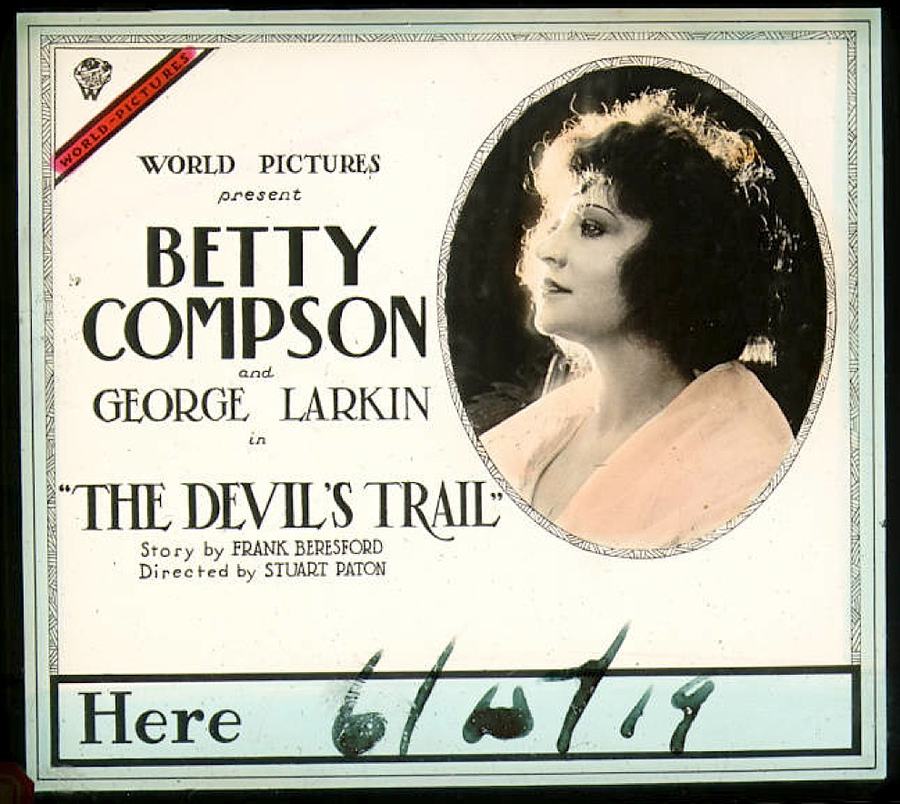
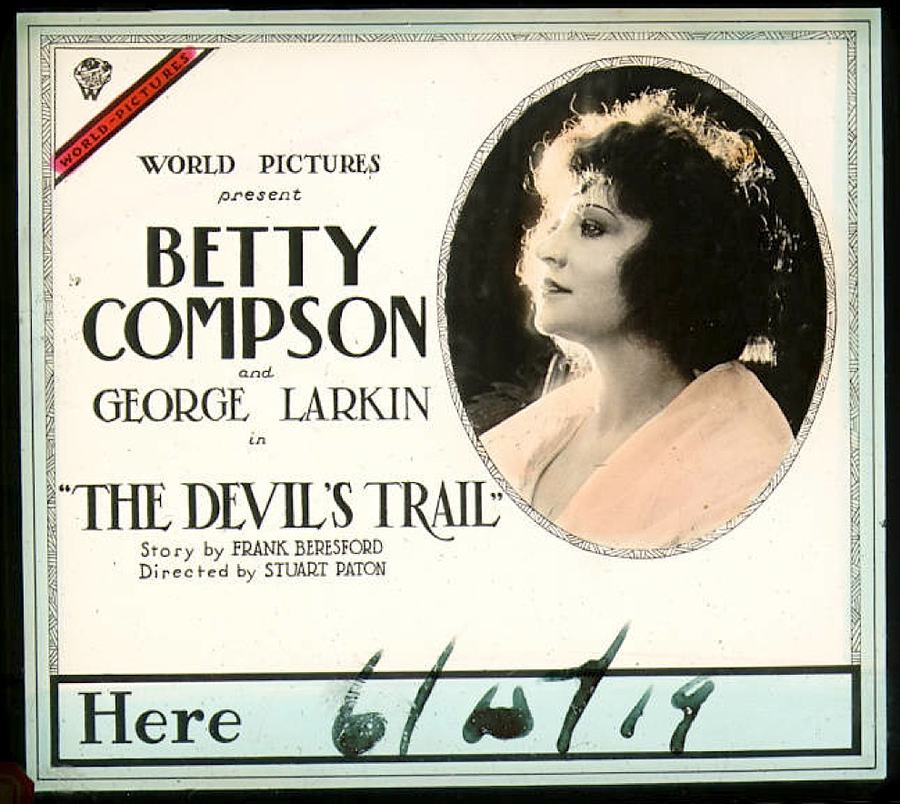
Stepping back into the annals of early cinema, one occasionally unearths a forgotten gem, a flickering testament to storytelling that, despite its age, still possesses a potent emotional core. Such is the case with The Devil's Trail, a 1919 silent film that plunges headfirst into the untamed wilderness of the Canadian frontier, weaving a narrative steeped in vengeance, abduction, and the relentless pursuit of justice. Directed by Joseph Franz and penned by Frank S. Beresford, this cinematic artifact, starring the compelling Claire Du Brey and the stalwart George Larkin, offers more than just a glimpse into a bygone era of filmmaking; it presents a raw, visceral drama that grapples with timeless themes of human suffering, resilience, and the enduring power of love. In an age dominated by grand gestures and stark moralities, The Devil's Trail delivers a melodrama that, while perhaps simplistic by modern standards, resonates with a certain primal energy, captivating audiences with its bold strokes and unyielding pace. It's a journey into a world where law is often a distant whisper and personal vendettas forge the very fabric of existence, a world perfectly captured by the evocative performances of its ensemble cast.
The film's dramatic impetus is ignited by the nefarious activities of Dubec, portrayed with a chilling intensity by Fred Malatesta. Dubec is no ordinary outlaw; he’s a whiskey smuggler, a purveyor of illicit spirits to the Indigenous communities, operating beyond the pale of established law. His illicit enterprise naturally puts him on a collision course with the Royal North West Mounted Police, an organization synonymous with order in the burgeoning Canadian territories. Sergeant Delisle, the earnest post commander, becomes the unfortunate focal point of Dubec’s wrath. In a horrifying act of retribution for the Mounties' interference, Dubec commits an atrocity that forever scars Delisle's life: he murders the sergeant's wife and, with calculated cruelty, abducts their teenage daughter, Nonette. This opening sequence, while perhaps brief in its silent exposition, sets an incredibly dark and unforgiving tone, immediately establishing the stakes and the profound emotional turmoil that will drive the subsequent narrative. It's a brutal act that echoes the harsh realities of frontier life, where justice was often swift and personal, and where the lines between right and wrong could blur under the pressure of survival and revenge. The sheer audacity of Dubec's actions paints him as a formidable antagonist, one whose shadow looms large over the ensuing decades.
A significant temporal leap propels us forward twelve years, a period during which Sergeant Delisle has been consumed by a futile, agonizing search for his abducted daughter. The weight of this unresolved trauma is palpable, coloring every aspect of his existence. The narrative then shifts to a seemingly joyous occasion: the eighteenth birthday celebration of Delisle's other daughter, Julie, brought to life with vibrant energy by Betty Compson. However, even this moment of familial warmth is swiftly overshadowed by the arrival of Sergeant MacNair, played with a rugged charm by George Larkin. MacNair's mission is stark: to replace Delisle, whose inability to quell the escalating lawlessness in the camp has become a serious concern for the authorities. This development underscores the persistent challenges of maintaining order in a frontier setting, a theme often explored in films of this era, much like the struggles depicted in The Bruiser or The Quest, where individual resolve often battles against systemic chaos. MacNair, a man of action and conviction, immediately finds himself drawn to Julie, a woman whose spirited independence belies her isolated upbringing. Yet, Julie, perhaps wary of authority figures or simply resistant to his forthright advances, initially greets MacNair with a palpable scorn, setting up a classic romantic dynamic of initial antagonism that promises eventual reconciliation.
The past, however, is never truly buried. Dubec, the architect of Delisle's suffering, makes a dramatic reappearance, returning from the Klondike – a region synonymous with wild fortunes and even wilder characters – not alone, but with Nonette, now his wife, played by the expressive Claire Du Brey. Their entourage includes a troupe of dance hall women, adding a layer of flamboyant spectacle and moral ambiguity to their arrival. This unexpected return throws the already volatile camp into further disarray. Delisle, tragically, fails to recognize Dubec, the man who shattered his life. The passage of time and perhaps Dubec's altered appearance have obscured his true identity. However, Delisle is acutely aware of Dubec's brazen flirtations with Julie, a transgression he finds intolerable. His paternal instincts, coupled with his ingrained sense of order, compel him to demand that Dubec and his entire company leave the camp. This moment is fraught with dramatic irony, as the very man Delisle has pursued for over a decade stands before him, unrecognized, yet still embodying a disruptive, dangerous force. The tension builds, the audience acutely aware of the impending collision that Delisle remains oblivious to, a classic trope that heightens the dramatic impact and foreshadows the inevitable confrontation.
The narrative hurtles towards its electrifying climax as Dubec, enraged by Delisle's command to leave and perhaps fueled by a renewed sense of malevolence, retaliates with brutal efficiency. He captures both Julie and MacNair, asserting his dominance in a shocking display of power. In a deeply humiliating and cruel act, Dubec forces Julie to dance for his clientele, effectively auctioning her off to the highest bidder. This scene is undoubtedly one of the film's most disturbing, highlighting the vulnerability of women in such lawless environments and the utter depravity of the villain. The silent era, despite its limitations, often excelled at conveying such intense emotional distress through powerful visual cues and the nuanced performances of its actors. Betty Compson's portrayal of Julie's terror and defiance would have been crucial here, conveying the depth of her plight without a single spoken word. It is at this critical juncture that MacNair, despite his own captivity, rises to the occasion. His burgeoning love for Julie fuels his desperate attempt to save her, a heroic intervention that showcases his courage and solidifies his role as the film's unwavering protagonist. Just as MacNair manages to rescue Julie from her harrowing ordeal, Sergeant Delisle arrives, his arrival spurred by a crucial warning from Nonette. The revelation of Dubec's true identity, combined with Nonette's belated but vital intervention, transforms the scene into a crucible of long-simmering emotions and explosive action. The weight of twelve years of suffering, the terror of the present, and the hope for future justice all collide in this singular, pivotal moment. The narrative deftly handles the intertwining fates, drawing parallels to other melodramas of the era where long-lost family members played critical roles in resolution, such as in The Little Girl That He Forgot or even the broader thematic scope of Les Misérables, Part 1: Jean Valjean, albeit on a more intimate scale.
The dramatic tension, having reached its zenith, slowly begins to dissipate, giving way to moments of profound emotional release. Nonette, the long-abducted daughter, is finally reunited with her father, Sergeant Delisle. This reunion, twelve years in the making, is undoubtedly the emotional anchor of the film's conclusion. Claire Du Brey's nuanced performance as Nonette, a character who has lived a life of forced complicity and perhaps subtle regret, would have been key to conveying the complex emotions of this moment – the relief of escape, the burden of her past, and the overwhelming joy of reconnecting with her true family. The silence of the era forces these moments to be conveyed through facial expressions, body language, and carefully crafted intertitles, making the actors' craft all the more vital. Meanwhile, the initial animosity between MacNair and Julie has blossomed into genuine affection. Their embrace at the film's close signifies not just their personal happiness but also the restoration of order and hope within the chaotic frontier setting. It’s a classic resolution where love conquers adversity, a trope that audiences of the time found deeply satisfying. The film, in its final moments, offers a sense of closure, demonstrating that even in the most brutal environments, justice can prevail, and fractured families can find solace. The resolution is not merely about punishing the villain but about healing the wounds he inflicted, a testament to the enduring human spirit. This kind of resolution, where personal triumph intertwines with the restoration of moral order, was a common and beloved feature of early 20th-century storytelling, providing a reassuring counterpoint to the harsh realities often depicted. The cast, including Howard Crampton, H.C. Carpenter, Robert F. McGowan, Joseph Franz, and William Quinn, collectively contribute to painting this vivid picture of frontier life, each performance, no matter how small, adding to the authenticity and emotional depth of the narrative.
Examining The Devil's Trail through a modern critical lens, one is struck by its effective use of silent film conventions to convey a complex narrative. Frank S. Beresford's screenplay, while adhering to the melodramatic sensibilities of the time, constructs a plot with clear motivations and escalating stakes. The pacing, crucial in silent cinema where intertitles must carry significant narrative weight, seems to maintain a brisk momentum, preventing the audience from disengaging. The performances, particularly those of Claire Du Brey as Nonette and Betty Compson as Julie, would have been pivotal. Du Brey's portrayal of a woman caught between her past trauma and her present loyalty, and Compson's depiction of youthful defiance transitioning into vulnerability and love, are the emotional anchors. George Larkin, as MacNair, embodies the stoic, heroic figure, a common archetype in adventure films of the era. The direction by Joseph Franz, though perhaps less celebrated today, demonstrates a clear understanding of visual storytelling, utilizing the stark landscapes of the Canadian frontier to enhance the sense of isolation and danger. The film's use of outdoor locations would have lent an authenticity that studio sets could not always replicate, grounding the melodrama in a tangible reality. This grounding is vital for genres that rely on the audience's belief in the stakes, much like how setting plays a crucial role in films such as The Mail Order Wife or Den retfærdiges hustru, where the environment itself becomes a character. While the film's moral compass is decidedly black and white, with clear villains and heroes, it’s important to remember the context of its creation. Audiences of the 1910s often sought clear moral instruction and escapist narratives that reinforced societal values. The Devil's Trail delivers on this front, offering a narrative where good ultimately triumphs over evil, and justice, however delayed, is served. The film also provides a fascinating look at the representation of law enforcement and Indigenous peoples in early cinema, a topic that invites further scholarly exploration. The depiction of whiskey smuggling to Indigenous communities, while a historical reality, is filtered through the lens of early 20th-century perceptions, which can spark important discussions about historical representation and its evolution.
In conclusion, The Devil's Trail, while not as widely remembered as some of its contemporaries, remains a compelling piece of silent cinema. It’s a testament to the enduring power of classic storytelling tropes: the villainous outlaw, the long-suffering hero, the abducted innocent, and the blossoming romance against all odds. The film's strength lies in its unyielding dramatic tension and the committed performances of its lead actors. It offers a valuable window into the popular entertainment of its era, reflecting societal anxieties about lawlessness on the frontier, the vulnerability of women, and the ultimate triumph of moral fortitude. For enthusiasts of silent film, or those interested in the evolution of cinematic narrative, The Devil's Trail is more than just a historical curiosity; it’s a vibrant, if dark, adventure that speaks to the foundational elements of dramatic cinema. It reminds us that even without spoken dialogue, the human experience – with all its pain, hope, and eventual redemption – can be powerfully articulated through the universal language of moving images. Its themes of long-term pursuit and the search for justice resonate across different cinematic eras, connecting it to narratives like The People vs. John Doe or even the psychological depth seen in The Door Between in terms of unresolved conflict. The film, despite its age, manages to hold its own, a testament to the timeless appeal of a well-told story, even when told in silence. It's a journey worth taking for anyone wishing to explore the rich tapestry of early filmmaking, a journey that reveals that the 'devil's trail' can, eventually, lead to a path of justice and peace.