DbcultAccessing Vault...
Cult Review
Senior Film Conservator
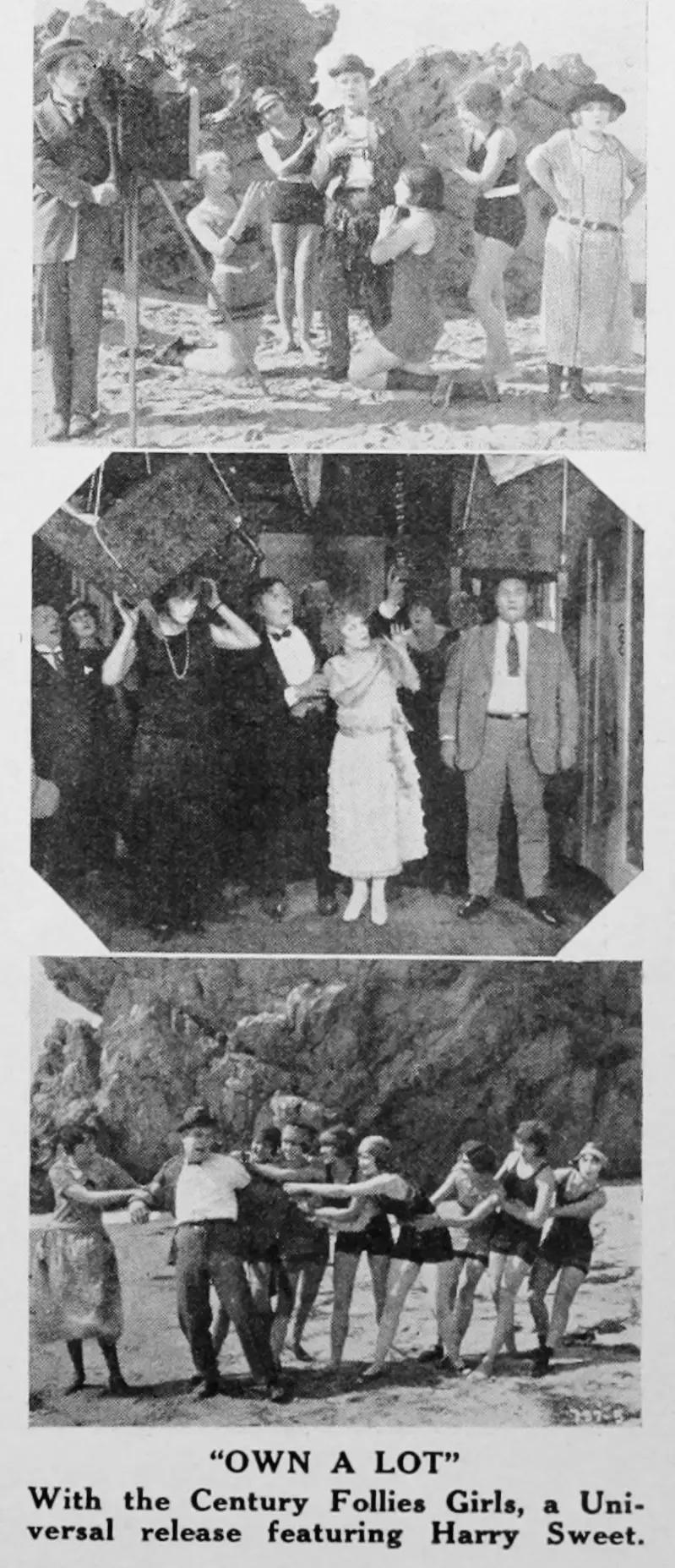
The cinematic landscape of the late 1920s was often a battleground between aspirational glamour and the harsh, gravity-bound reality of the common man. In Noel M. Smith's Own a Lot, we find a quintessential artifact of this era—a film that manages to be simultaneously light-hearted and profoundly cynical about the burgeoning Californian mythos. While contemporary audiences might view it as a mere vehicle for the Century Follies Girls, a deeper interrogation reveals a narrative preoccupied with the transience of material possessions and the inherent instability of the domestic sphere.
The film opens with the archetypal westward migration, a motif that resonates through the history of American art, from the dust-bowl elegies of Paradise Lost to the sun-drenched satires of the silent era. Henry Murdock, portraying the everyman husband, embodies a specific brand of 1920s masculinity: optimistic, easily swayed, and perpetually distracted. His journey is not merely geographic but psychological. As the couple reaches the golden shores, the film introduces its first major conflict—not one of finance, but of focus. The presence of the bathing girls serves as a visual manifestation of the 'distraction' inherent in the California promise. It is a world of surface-level beauty that threatens to derail the sober goals of the nuclear family.
Murdock’s performance is a masterclass in the 'wandering eye' trope, yet it is handled with a frantic energy that elevates it above the mundane. His interactions with the Follies girls provide a rhythmic, almost choreographic quality to the first act. This isn't the calculated charm found in The Bashful Lover; instead, it is a chaotic, sensory overload. The wife’s role, often relegated to the 'shrew' in lesser comedies, is here played with a tactical brilliance. She is the anchor in a sea of pulchritude, fighting a war of attrition against the visual stimuli of the coast.
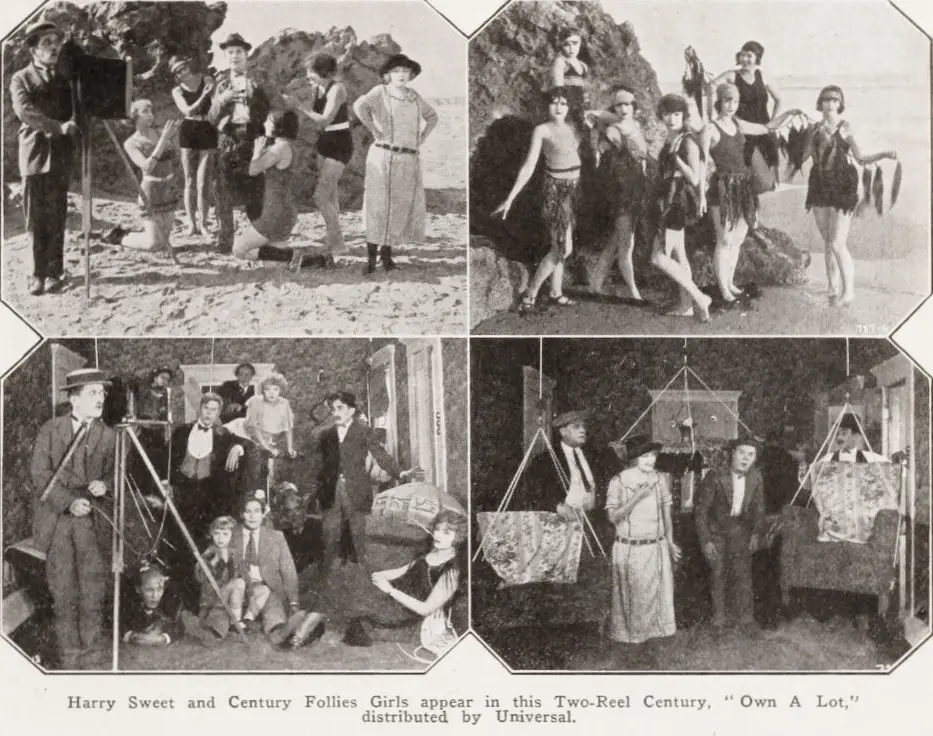
"The house in 'Own a Lot' is less a shelter and more a theatrical prop, a metaphor for the precariousness of the post-war economic boom."
Once the domestic hierarchy is restored, the film shifts its focus to the 'Lot' of the title. The transition from the organic beauty of the beach to the artificiality of the real estate market is jarring and intentional. The couple’s investment is the pivot point of the film’s second act. In an era where land speculation was reaching a fever pitch, Smith’s depiction of a house that lacks substantiality is a biting critique. The structure they purchase is an architectural charade, a cardboard-thin promise of stability that begins to fail at the first touch of reality.
This physical comedy—the house falling apart piece by piece—is where the film truly shines. It echoes the mechanical frustrations seen in Back from the Front, where the environment itself becomes an antagonist. However, in Own a Lot, the antagonism is more personal. The house is an extension of the couple's desires, and its collapse represents the disintegration of their social aspirations. Every falling beam and shattering window is a punchline delivered with the precision of a guillotine.
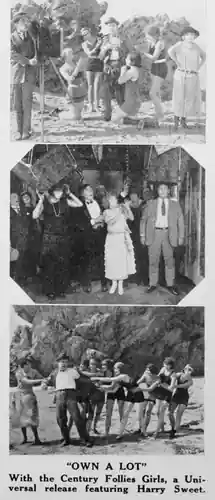
The inclusion of Jack Earle, the legendary 'Texas Giant', adds a surreal dimension to the film. His presence disrupts the visual scale of the domestic scenes, making the unsubstantial house look even more like a doll’s home. Earle’s physicality provides a stark contrast to the nimble, frantic movements of Henry Murdock and Harry Sweet. Sweet, a veteran of the slapstick genre, brings a level of technical expertise to the film’s more complex physical sequences. His direction and timing ensure that the destruction of the property feels earned, a crescendo of errors that leads to the inevitable finale.
Unlike the more somber explorations of morality found in The Devil's Garden, Smith’s work here is unashamedly populist. Yet, it possesses a jagged edge. The laughter it evokes is tinged with the anxiety of the era. The 'unsubstantial' house is a recurring nightmare for the working class, and seeing it played for laughs provides a catharsis that is both necessary and slightly uncomfortable.
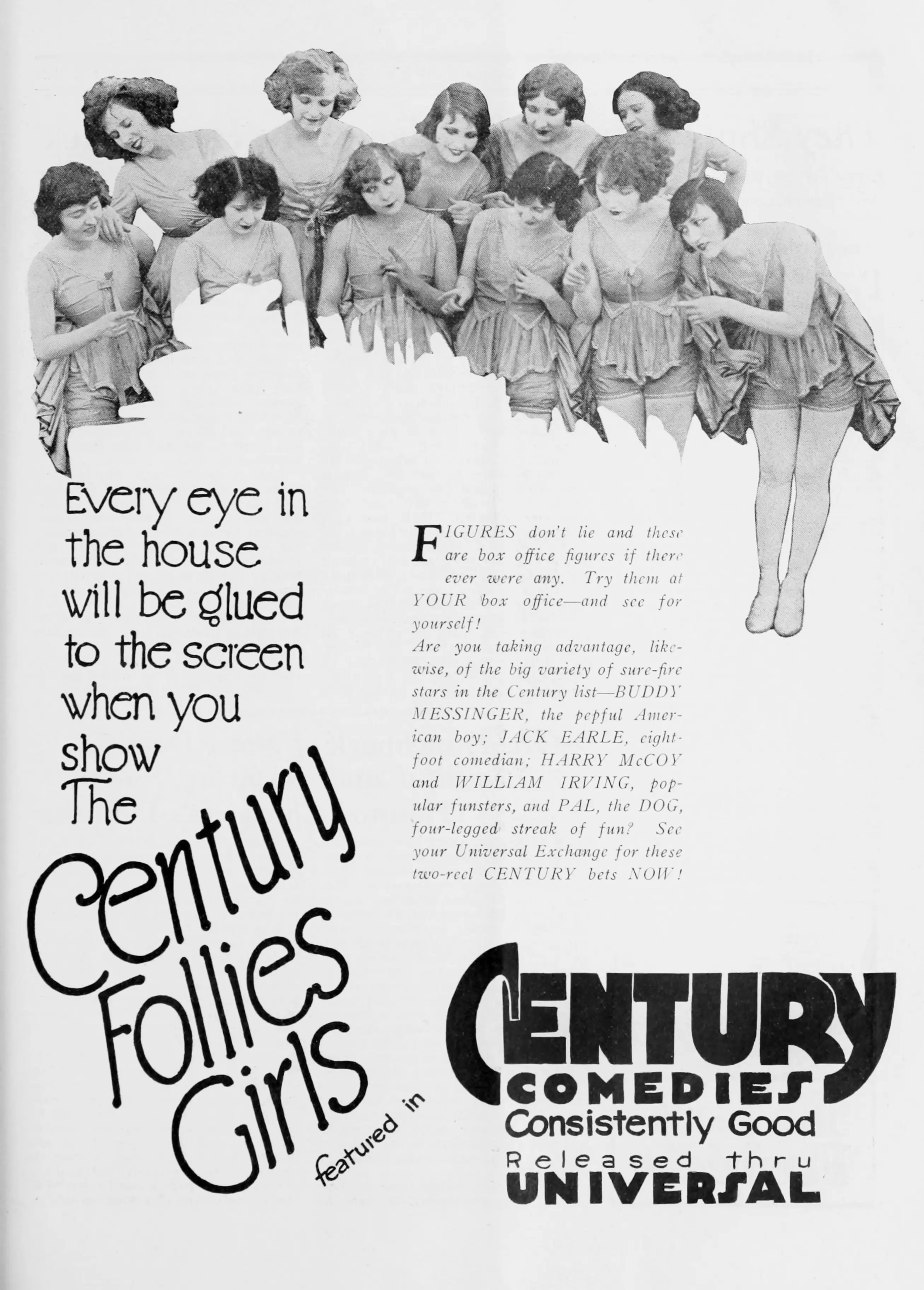
Noel M. Smith’s direction is characterized by a relentless pace. There is little room for the quiet introspection found in European imports like Egyenlöség. Instead, Smith utilizes the full breadth of the frame to stage multiple gags simultaneously. The use of the Century Follies Girls is particularly interesting; they are often framed as a decorative border to the main action, a constant reminder of the 'California' that Murdock is trying to ignore. Their presence creates a visual tension that mirrors the narrative tension.
The cinematography captures the harsh, unyielding light of the West Coast, which serves to highlight the flaws in both the characters and their new home. There is no soft-focus romanticism here. Everything is exposed—the cracks in the plaster, the wandering eyes of the husband, and the desperate optimism of the wife. It is a visual style that demands the viewer acknowledge the artifice of the setting.
When comparing Own a Lot to other films of the period, its unique blend of social satire and broad slapstick becomes even more apparent. While Sands of the Desert dealt with exoticist fantasies, Smith’s film is rooted in the mundane reality of the American suburb. It lacks the mystical allure of Lucille Love: The Girl of Mystery, opting instead for a gritty, albeit hilarious, look at the pitfalls of the property market. Even when compared to the atmospheric dread of La montagne infidèle, the crumbling house in Own a Lot serves as a more relatable, if less cosmic, disaster.
There is a thematic kinship with The Sin of Martha Queed in the way it explores the consequences of poor choices, but where that film leans into melodrama, Smith leans into the absurd. The physical destruction of the house is the ultimate 'sin'—a failure of the American promise of security. It is a theme that would be revisited decades later, but rarely with the same uninhibited joy in destruction.
Own a Lot is a fascinating specimen of late-silent cinema. It captures a moment in time when the 'California Dream' was being packaged and sold with reckless abandon. Through the performances of Murdock, Earle, and the Follies, the film creates a vivid, albeit unstable, world. It reminds us that the foundations of our happiness—be they marital or architectural—require more than just a sunny disposition and a down payment. They require a substance that, in the world of Noel M. Smith, is hilariously hard to find.
For those interested in the evolution of slapstick, or those who simply enjoy seeing a poorly built house meet its end, this film remains an essential watch. It is a reminder that even in the silent era, the most profound truths were often found in the loudest crashes. The 'lot' they owned may have been empty in the end, but the film itself is rich with insight, humor, and a healthy dose of cynicism that feels remarkably modern.
The film's use of the Century Follies Girls is more than just eye candy; it's a structural element that defines the film's pace. Their presence creates a secondary narrative of distraction that mirrors the audience's own potential to be distracted from the film's sharper social critiques. This is a sophisticated layering of intent that one might not expect from a 'simple' comedy.
IMDb —
1918
Community
Log in to comment.