DbcultAccessing Vault...
Cult Review
Senior Film Conservator
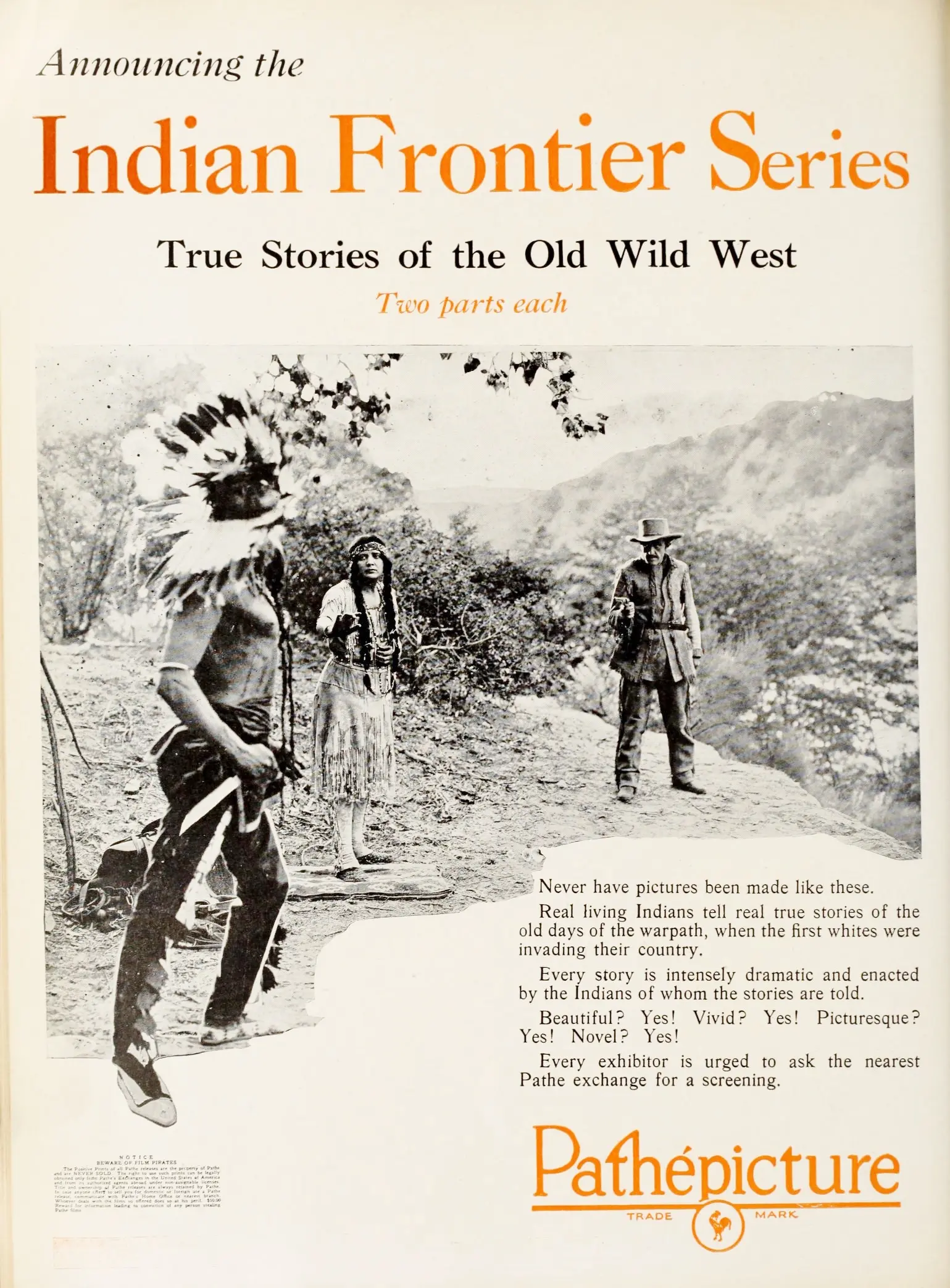
Stepping back into the annals of early cinema often feels like unearthing a forgotten language, a visual lexicon that speaks volumes without uttering a single word. Among these cinematic fossils, some shimmer with a profound, almost uncomfortable truth, transcending their historical context to strike at the core of human experience. The Dirty Little Half Breed is precisely one such artifact, a film that, despite its archaic title and the limitations of its era, delivers a narrative punch that remains startlingly potent. It’s a raw, unvarnished tragedy, a stark exploration of prejudice, betrayal, and the brutal consequences of societal ostracization.
From the outset, the film establishes a somber, almost elegiac tone, framed by the sorrowful recollections of an Indian woman recounting the life—and ultimate demise—of her son. This narrative device, subtle yet powerful, immediately imbues the story with a sense of inescapable fate, casting a long shadow over the events that unfold. Her son, a 'half-breed,' is introduced not as a character with agency, but as a perpetual victim, a pariah in his own land, constantly subjected to the casual cruelties and systemic torments of a society that refuses to acknowledge his humanity. The film doesn't shy away from depicting the relentless, dehumanizing beatings and psychological abuse he endures, painting a bleak picture of his existence.
Amidst this crucible of cruelty, a flicker of hope emerges in the form of a white girl, whose compassion offers the half-breed a rare moment of connection, perhaps even a glimpse of acceptance. This burgeoning, fragile relationship is immediately fraught with the perilous dynamics of their world. She, in turn, harbors affection for a local trader, a figure who embodies the very forces of exploitation and betrayal that plague the protagonist. It is here that the film expertly weaves a web of interconnected tragedies, highlighting how the suffering of one character can ripple outwards, ensnaring others in its devastating wake.
The trader’s betrayal of the white girl acts as the catalyst for the story’s tragic climax. Her vulnerability, exposed by his deceit, becomes a poignant symbol of innocence defiled. The discovery of her plight by her small brother, a figure often overlooked but crucial in Greek tragedies, is a moment of quiet devastation. His innocent act of informing the half-breed sets in motion a chain of events that will culminate in a bloody, inevitable reckoning. The girl’s subsequent suicide is depicted with a raw, unflinching honesty, a desperate act born of profound despair, underscoring the film’s commitment to portraying the grim realities of its characters’ lives.
The trader, rather than facing the consequences of his actions, capitalizes on the prevailing prejudice, cynically accusing the half-breed of the girl’s death. This accusation, baseless yet readily believed by a community eager to demonize the 'other,' transforms the protagonist into a hunted animal. The ensuing mob mentality, a terrifying spectacle of collective hysteria, sees everyone turn against him. This sequence is a chilling testament to the power of prejudice to blind communities to justice and reason, echoing themes explored in countless later dramas about wrongful accusation and societal scapegoating. The half-breed, driven to a breaking point, embarks on a desperate, solitary quest for vengeance, navigating a gauntlet of hostility to confront the man who orchestrated his, and the girl's, ruin. His final, brutal act of retribution, followed by his own death, is not a triumph, but a tragic culmination, a final, despairing echo of a life defined by suffering and injustice.
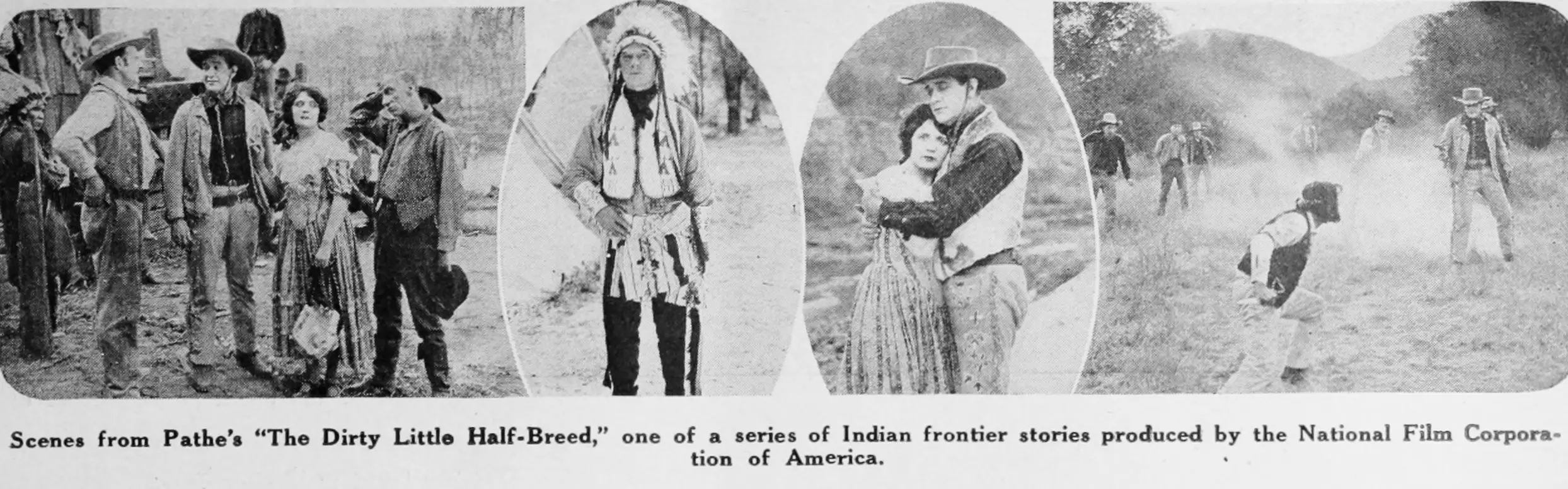
While specific writer credits for many early silent films are often sparse or entirely absent, The Dirty Little Half Breed stands as a powerful example of how visual storytelling, even without explicit dialogue, can convey complex emotional landscapes and trenchant social commentary. The narrative structure, though seemingly straightforward, is imbued with a primal force, relying on archetypal characters and situations to evoke universal themes of injustice, love, and revenge. The absence of a prominent writer credit merely highlights the collaborative nature of early filmmaking, where directors, actors, and even cinematographers often contributed significantly to the narrative's shape and impact.
In the cast, Paul Hurst delivers a performance that, even through the grainy lens of time, resonates with a visceral intensity. While the specific role he plays isn't explicitly detailed in every historical record, one can infer from the film's central conflict that he embodies a character of profound significance, likely the tormented half-breed himself, or perhaps the duplicitous trader. If he portrays the half-breed, his performance would have been a masterclass in silent anguish, conveying layers of pain, defiance, and ultimately, a desperate resolve without the aid of spoken words. The nuances of his facial expressions, his body language, and his interactions would have been paramount in communicating the character's internal turmoil and external struggles against an oppressive world. Hurst, known for his versatility, would have been adept at capturing the raw emotion necessary for such a demanding role, translating the character's journey from victim to avenger with compelling authenticity.
The direction, though uncredited in its specific details, manages to craft a world that feels both expansive and claustrophobic. The vastness of the landscape often serves to emphasize the isolation of the protagonist, while close-ups on faces, particularly during moments of emotional intensity, draw the viewer into the characters' inner worlds. The pacing, characteristic of early silent dramas, allows for moments of quiet reflection to punctuate bursts of frantic action, building tension effectively. The use of intertitles, the primary means of conveying dialogue and crucial plot points, is handled with a poetic brevity, enhancing rather than interrupting the visual flow.
The film’s thematic concerns are remarkably prescient. Long before modern cinema grappled extensively with issues of race and identity, The Dirty Little Half Breed tackled the devastating impact of racial prejudice head-on. It’s a poignant reminder that the struggles faced by marginalized communities are not new, but deeply embedded in the fabric of history. The film’s unflinching portrayal of violence, both physical and psychological, against its protagonist forces the audience to confront uncomfortable truths about human nature and societal failings. This makes it a compelling historical document, offering a window into the social anxieties and moral quandaries of its time.
Comparing it to other works of the era, one can draw parallels with the tragic romanticism of a film like Romeo and Juliet, not in its specific plot, but in its depiction of love doomed by societal divisions and entrenched hatreds. The theme of an outcast battling an unjust system also echoes in films like Strife, which often explored class conflict and social injustice, or even in the quiet desperation seen in narratives of individuals struggling against the tide, as in The Runaway. The pervasive gossip and community judgment that hound the half-breed and the white girl also bring to mind the destructive power of societal whispers, a theme often explored in melodramas like Idle Tongues, where reputations are shattered by rumor and suspicion.
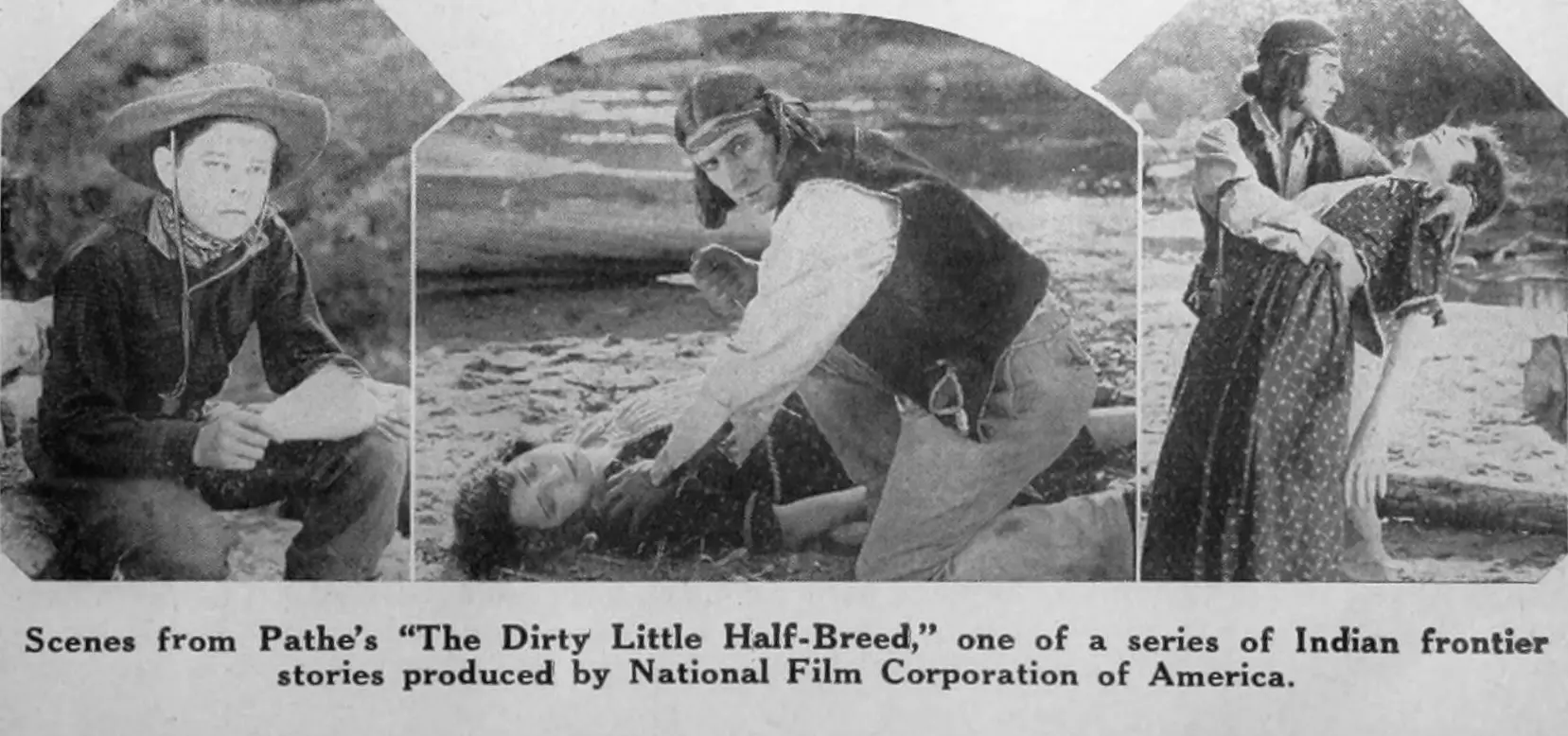
The film’s portrayal of the mob mentality is particularly chilling, a stark visual representation of collective dehumanization. This relentless pursuit of the half-breed, fueled by a mixture of fear, ignorance, and ingrained bigotry, serves as a powerful indictment of unchecked prejudice. It shows how easily a community can be swayed by a manipulative individual, turning against one of its own—or perceived 'other'—with terrifying speed and ferocity. This aspect of the narrative is timeless, finding resonance in historical events and contemporary issues alike, making the film's message disturbingly persistent.
While some might find the narrative's bleakness overwhelming, it is precisely this uncompromising vision that grants The Dirty Little Half Breed its enduring power. It refuses to offer easy answers or convenient resolutions, instead presenting a raw, unvarnished look at the consequences of hatred. The final moments, with the half-breed achieving his vengeance only to meet his own end, reinforce the tragic cycle of violence, suggesting that in a world consumed by prejudice, even justice can come at an unbearable cost.
In an era where films were often seen as mere entertainment, The Dirty Little Half Breed dared to be something more: a visceral social commentary, a lament for the marginalized, and a stark reminder of the destructive power of human animosity. It's a film that demands to be seen, not just as a piece of cinematic history, but as a potent, if painful, reflection on themes that continue to resonate with unsettling relevance today. Its legacy lies in its unflinching gaze, its ability to evoke profound empathy for its suffering protagonist, and its timeless warning against the insidious nature of prejudice. It is a testament to the fact that even in the silent era, cinema possessed the capacity to scream truths from the screen, truths that echo across generations.
The visceral quality of the performances, particularly if Hurst indeed played the tormented protagonist, would have been paramount in conveying the story's emotional weight. Silent actors were masters of physical expression, using every gesture, every shift in posture, and every flicker of the eye to communicate inner states. The half-breed's journey from a beaten, resigned figure to a desperate avenger would have required a nuanced portrayal, showcasing moments of quiet dignity amidst overwhelming despair, and fierce determination in the face of insurmountable odds. The film, therefore, is not just a story, but an experience, an immersion into the harrowing existence of a man caught between worlds, ultimately consumed by the very forces that sought to define and destroy him.
The film’s historical significance cannot be overstated. It belongs to a period of cinema where narratives were often bolder, less constrained by conventional censorship, allowing for a more direct engagement with uncomfortable social realities. This directness is what gives The Dirty Little Half Breed its enduring bite. It doesn't sugarcoat its subject matter; instead, it presents a stark, almost documentary-like portrayal of a specific kind of suffering. For enthusiasts of early cinema, and for anyone interested in the evolution of social commentary through film, this is an essential, albeit challenging, watch. It reminds us that art, even in its nascent forms, has always held the power to reflect, critique, and challenge the world around it.
In conclusion, The Dirty Little Half Breed is far more than a historical curiosity; it is a vital, compelling piece of early filmmaking that speaks volumes about human cruelty, resilience, and the tragic pursuit of justice. Its themes are as relevant today as they were a century ago, making it a powerful, if somber, reminder of the persistent battles against prejudice and the enduring quest for dignity. It's a testament to the raw, expressive power of silent film to capture the depths of the human spirit, both its capacity for malice and its desperate, tragic yearning for peace.
IMDb —
1919
Community
Log in to comment.