DbcultAccessing Vault...
6.1/10
Senior Film Conservator
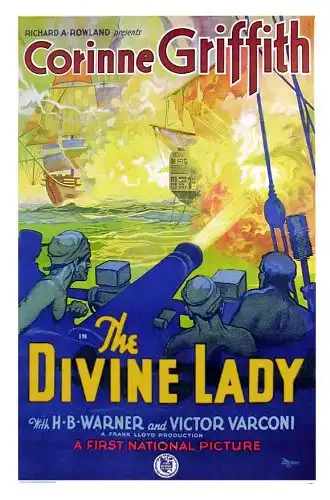
A definitive 6.1/10 rating for a film that redefined the boundaries of cult cinema. The Divine Lady remains a cornerstone of transgressive art.
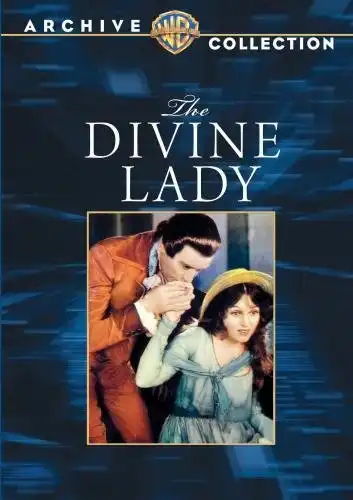
Frank Lloyd's 1929 silent epic, The Divine Lady, is a fascinating artifact for anyone serious about film history, and a lavish, if often melodramatic, experience for silent cinema enthusiasts. For modern viewers accustomed to quicker cuts and less overt emotional signaling, its deliberate pacing and theatrical performances might prove a challenge. However, for those willing to lean into the conventions of its era, particularly fans of grand historical romances and the unique visual language of silent film, it offers a rich and often beautiful portrayal of Emma Hamilton and Lord Nelson's infamous affair. If you're looking for a brisk, contemporary drama, this isn't it. But if you appreciate the artistry and ambition of late-period silent film, it absolutely warrants your time.
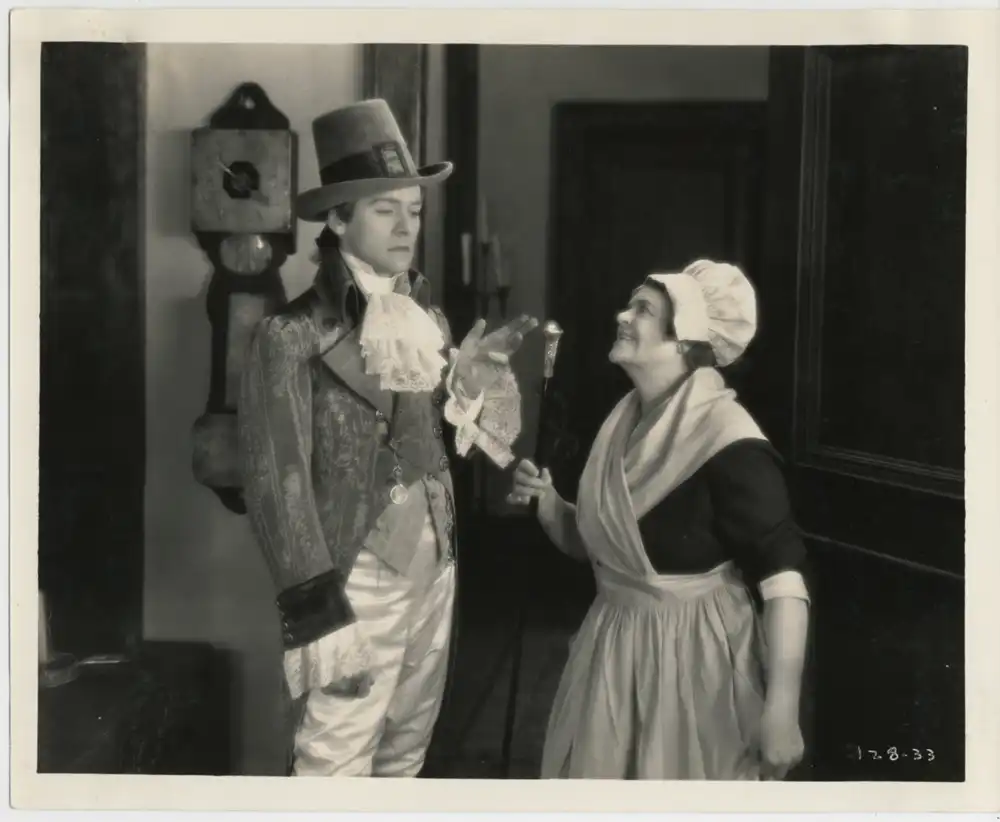
Lloyd, who won an Oscar for Best Director for this film, orchestrates a truly impressive visual spectacle. The film’s production design is consistently opulent, particularly in the Neapolitan court scenes, which burst with period detail. Emma’s residences are sumptuously decorated, reflecting her social ascent, from the relatively modest early days to the grandeur of her later life as Lady Hamilton. The costuming, too, is exquisite, especially for Corinne Griffith, whose gowns are often the focal point of a frame, emphasizing her character’s beauty and allure.
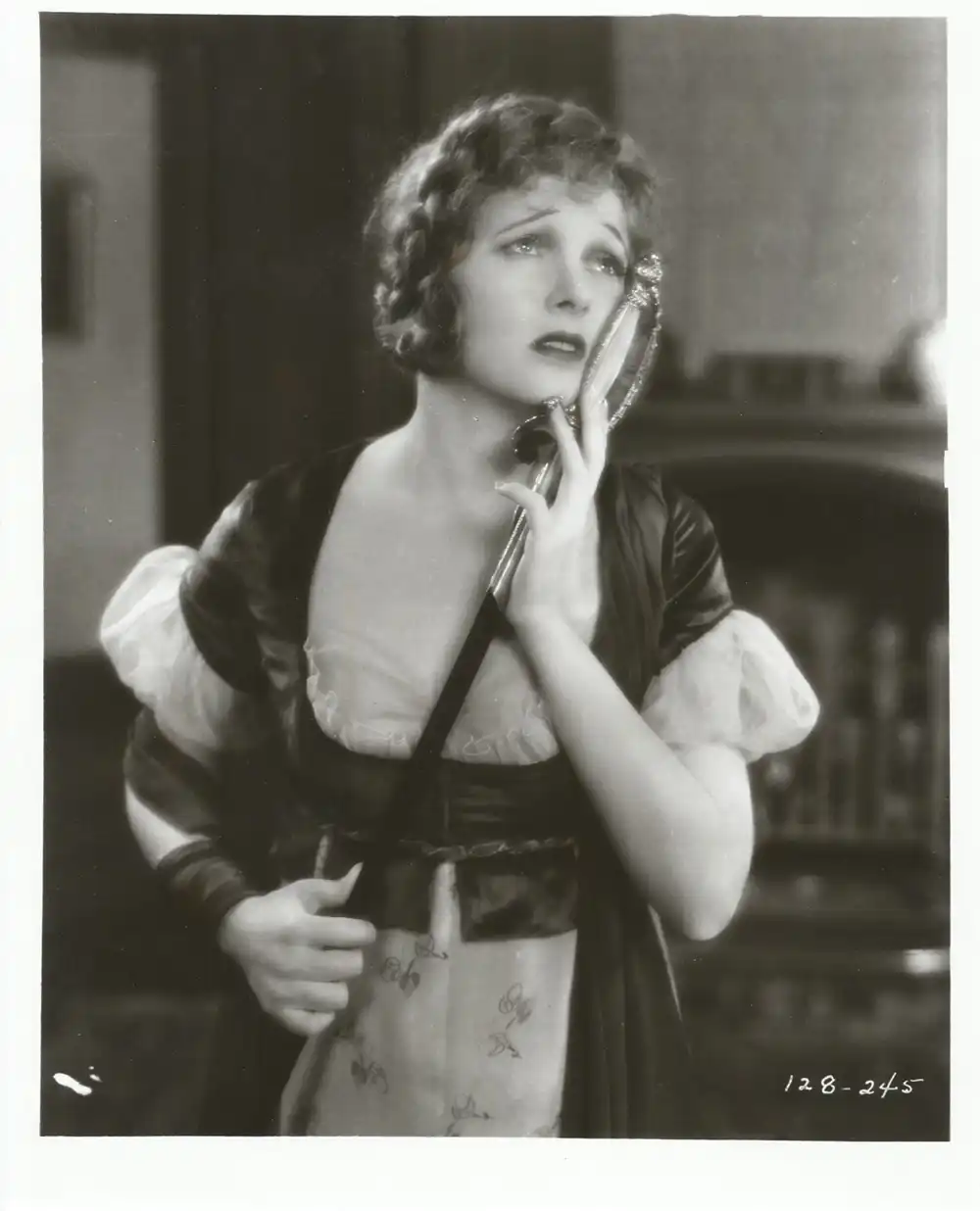
What truly elevates the film visually is its cinematography. There’s a consistent soft-focus lens applied to Corinne Griffith, particularly in her close-ups, which gives her an ethereal, almost dreamlike quality. This contrasts sharply with the often starker, more dramatic lighting used for Victor Varconi’s Nelson, especially as his character progresses and bears the weight of war and his injuries. The use of deep shadows in moments of despair or plotting against Emma is effective, pulling the viewer into the characters' inner turmoil. One particularly striking visual choice is the recurring motif of ships at sea. These aren't just background elements; they are often framed with a sense of majesty and impending fate, whether it's Nelson's fleet sailing to battle or Emma awaiting his return. The framing of Nelson’s missing arm, often subtly visible as his empty sleeve hangs by his side, is handled with dignified restraint, allowing the visual to speak volumes about his sacrifice without resorting to excessive intertitles.
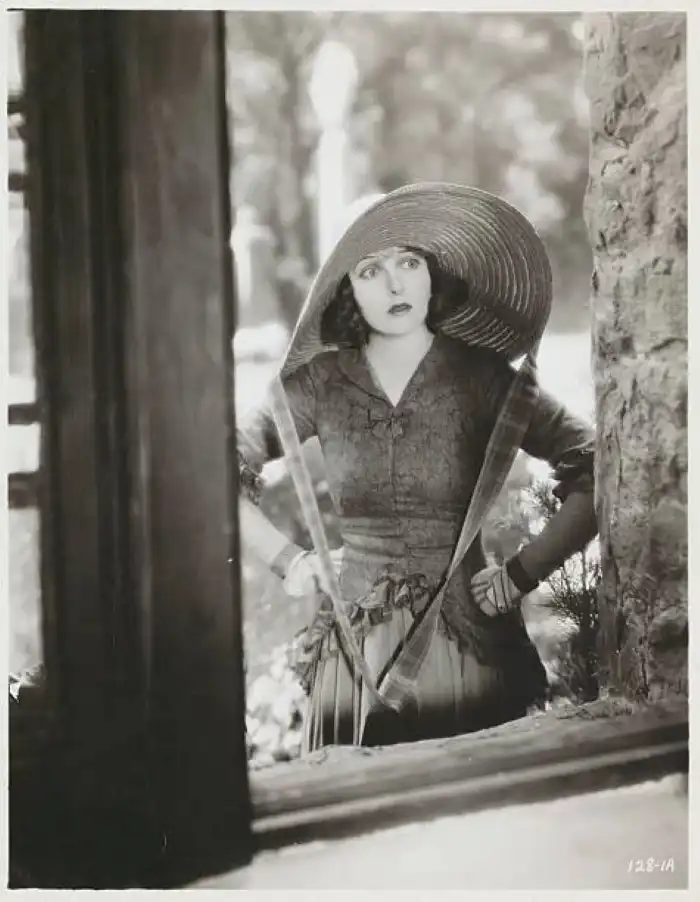
Silent films demand a particular kind of performance, and Corinne Griffith as Emma Hamilton delivers a masterclass in it. Her portrayal is captivating, managing to convey Emma's journey from a vivacious, ambitious young woman to a woman deeply in love and later, tragically, in decline. Griffith uses her eyes and subtle shifts in facial expression with remarkable precision. There's a moment early on, as she first encounters Sir William Hamilton, where a flicker of calculation crosses her face, quickly replaced by a charming smile – a quick, telling detail that speaks to her character's intelligence and survival instincts. She avoids the broad, often exaggerated gestures common in earlier silent films, opting instead for a more nuanced, internal performance that feels surprisingly modern at times.
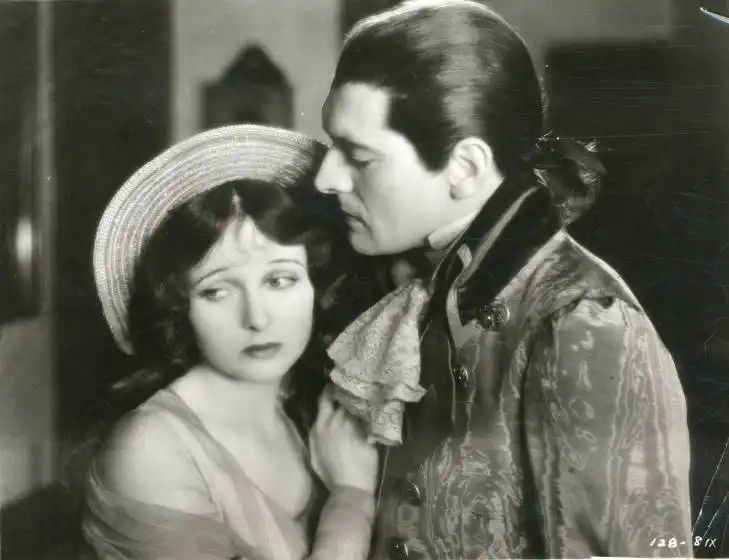
Victor Varconi's Horatio Nelson is a more stoic figure, befitting a national hero. He carries the weight of his naval duties and personal passions with a quiet intensity. His scenes with Griffith sizzle with an undeniable chemistry, particularly in their early interactions where their mutual attraction is palpable even without dialogue. Varconi effectively conveys Nelson's weariness and the toll of war, especially after his injuries, making his physical vulnerability a key part of his emotional landscape. His performance manages to make Nelson feel like a real man burdened by extraordinary circumstances, rather than just an untouchable icon.
Among the supporting cast, Marie Dressler, as Emma's mother, Mrs. Hart, provides moments of earthy realism and understated humor. Her performance is a welcome grounding force amidst the high drama, often observing the unfolding events with a pragmatic, world-weary wisdom that adds texture to the grandiosity. Joel McCrea also appears in a small, early role, though his presence is more a curiosity for those familiar with his later career than a pivotal performance here.
The pacing of The Divine Lady is, by contemporary standards, deliberate. This is a film that takes its time, allowing scenes to breathe and emotions to register through prolonged reaction shots and extended sequences. While this can sometimes lead to moments that feel drawn out, particularly in some of the more static dialogue exchanges conveyed through intertitles, it also allows for a deeper immersion into the film's world. The tone is unashamedly melodramatic, a hallmark of the era, but it’s a melodrama earned through genuine emotional stakes rather than cheap theatrics.
The film’s greatest strength in pacing lies in its ability to shift between grand spectacle and intimate character drama. The naval battle sequences, while necessarily stylized for a silent film, are impressively staged, conveying the chaos and heroism without relying on sound. These epic moments are then contrasted with quiet, intensely personal scenes between Emma and Nelson, where the film slows down to focus on their emotional connection. The transition from the lively, almost carefree atmosphere of early Naples to the more somber, duty-bound reality of London and the war is handled effectively, reflecting the changing fortunes and burdens of the protagonists.
One particular detail that struck me was the curious, almost abrupt, way some minor characters exit the narrative after serving their immediate purpose, particularly Emma's early benefactors. It's a small observation, but it highlights the film's laser focus on the central duo, sometimes at the expense of a fully fleshed-out supporting world.
The Divine Lady stands as a testament to the power and artistry of silent cinema on the cusp of the sound era. While its deliberate pace and melodramatic flourishes are firmly rooted in its time, its visual ambition and the compelling performances from Corinne Griffith and Victor Varconi give it an enduring charm. It's not a film for everyone, especially those seeking contemporary narrative rhythms. However, if you're drawn to historical epics, appreciate the unique expressive qualities of silent acting, or simply want to experience an Oscar-winning piece of cinematic history, it's a worthwhile journey. For those who enjoyed the grand scale and emotional sweep of films like Way Down East, The Divine Lady offers a similarly rich and rewarding experience.
IMDb 5.1
1917
Community
Log in to comment.