DbcultAccessing Vault...
5.4/10
Senior Film Conservator
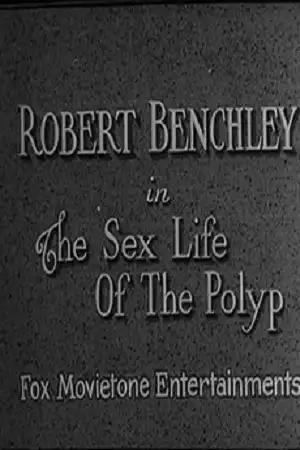
A definitive 5.4/10 rating for a film that redefined the boundaries of cult cinema. The Sex Life of the Polyp remains a cornerstone of transgressive art.
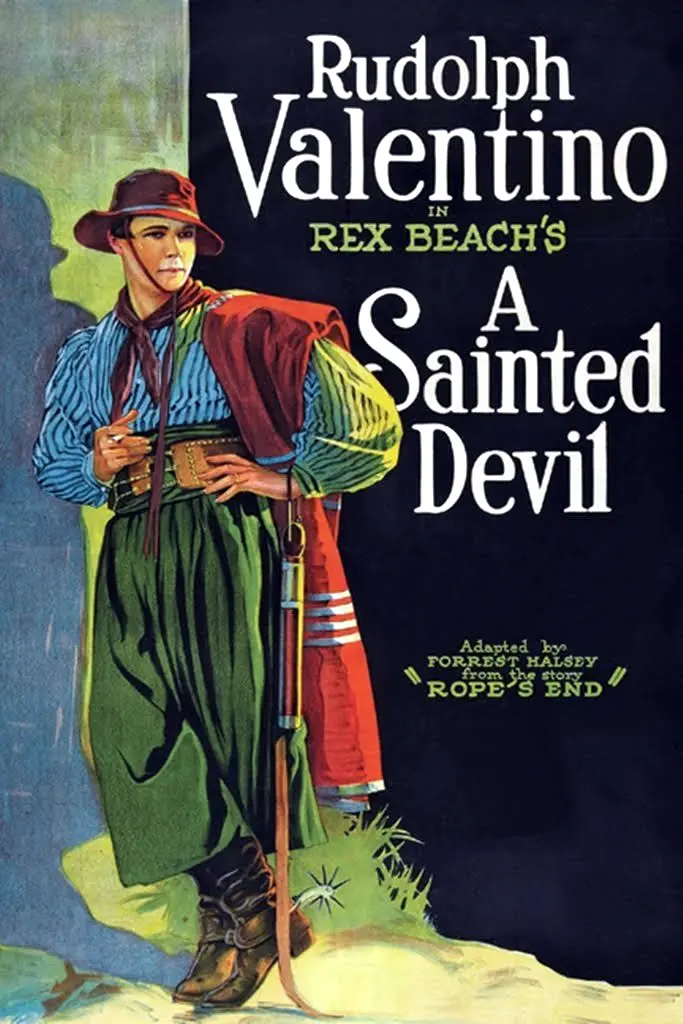
If you have eleven minutes to spare and you don’t mind a movie that consists almost entirely of a middle-aged man fumbling with a wooden pointer, you should watch this. It’s for anyone who finds social discomfort funny. If you need a plot, or if you’re looking for the high-energy slapstick of something like His Picture in the Papers, you’re going to be bored out of your mind. This is just a guy in a tuxedo being deeply, professionally uncomfortable.
Robert Benchley has this specific way of clearing his throat that feels like it’s doing half the heavy lifting in the script. He’s playing Dr. Benchley, an "expert" who clearly knows as much about polyps as I know about quantum physics, which is to say, he’s mostly making it up as he goes. He stands in front of this women’s club—represented mostly by a few stiff-backed extras and a lot of dead silence—and tries to make biology sound dignified. It never works.
The pointer is the best part. He doesn't know where to put it. He leans on it, he uses it to gesture vaguely at charts that aren't particularly helpful, and at one point, he just looks like he’s forgotten he’s holding it. There’s a moment early on where he adjusts his glasses and you can see him lose his place in his notes. It’s not a big comedic pratfall; it’s just a tiny, human hesitation that makes the whole thing feel like you’re actually sitting in that drafty community hall in 1928, wondering when the tea will be served.
The dialogue is intentionally dry. He talks about the polyp’s social life as if he’s gossiping about neighbors. He mentions how the polyp "doesn't seem to care" about certain things, and the way he delivers the line is so flat and matter-of-fact that it circles back around to being hilarious. There’s no music to tell you when to laugh. No canned reactions. It’s just the hum of the early sound recording and Benchley’s nasal, slightly hesitant voice.
The lighting is pretty basic. It looks like they just set up a couple of bright lamps in a room and told him to start talking. It’s a far cry from the more produced dramas of the era, like Guns of Loos. This is basically a filmed monologue, but because Benchley is so good at playing the "bumbling intellectual," the static camera doesn't really matter. You're just watching his face to see when the next micro-expression of panic will hit.
There is a weird cut about halfway through where the film jumps slightly. It’s jarring, but in a way that fits the amateurish vibe of the fictional lecture. You get the sense that Dr. Benchley might have actually tripped or dropped his notes and they just kept rolling. The "women" in the audience are also fascinating to watch in the brief cutaways. They look so incredibly serious, which makes the absurdity of what he’s saying—essentially nonsense about the love lives of tiny sea creatures—land much harder.
It’s strange to think this was a hit, but you can see why. It’s the ancestor of every "awkward boss" character we see today. He’s trying so hard to be respectable. The tuxedo is perfectly pressed, his hair is slicked back just right, and yet he’s talking about the most ridiculous subject with the gravity of a funeral director.
I noticed that the chart he uses is barely legible. I don't think it's meant to be. It’s just a prop to give him something to do with his hands. There’s a specific shot where he looks directly at the camera, just for a second, and you can see a flicker of "why am I doing this?" in his eyes. It might just be the actor, but it works perfectly for the character.
The film ends abruptly. No big wrap-up, no punchline that ties it all together. He just sort of finishes and that’s it. It feels like he’s escaping. If you’ve ever had to give a presentation you weren't prepared for, this movie will give you a mild case of PTSD, but in a way that makes you laugh at yourself. It’s a tiny, weird piece of history that doesn't feel nearly as old as it is.
IMDb —
1925
Community
Log in to comment.