DbcultAccessing Vault...
Cult Review
Senior Film Conservator
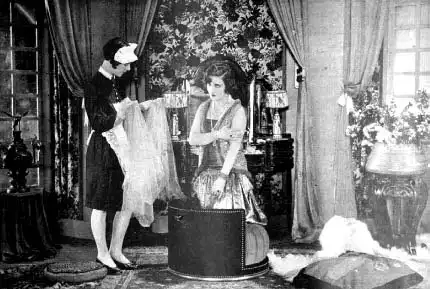
If you are looking for something to put on while you fold laundry, skip this one. It's too slow for that, and the flickering will probably give you a headache.
But if you like looking at Venice before it became a giant gift shop, then Il carnevale di Venezia might be your thing. It is definitely for the crowd that enjoys dusty film archives and people wearing very uncomfortable-looking costumes.
Most modern viewers will probably hate it. There is no real pace to speak of, and the plot is thin enough to see through if you squint 🎭.
I found myself staring at the background more than the actual actors. The way the water looks in these old black and white shots is almost oily, like the canals are filled with ink.
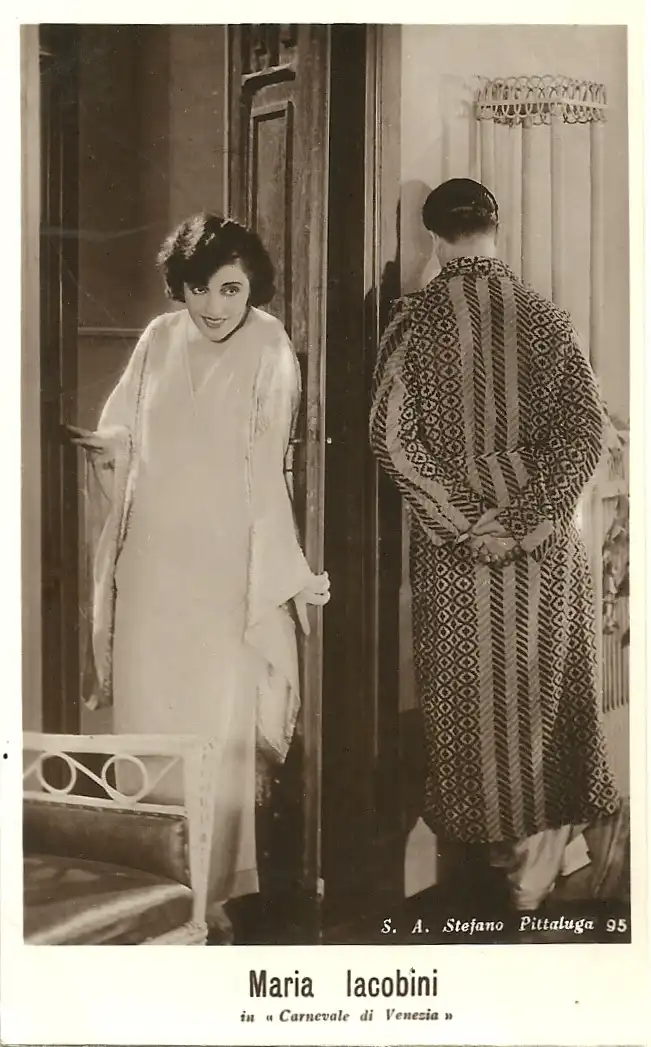
Maria Jacobini is the lead here, and man, she has those silent movie eyes. You know the ones—they take up half her face and seem to be vibrating with some kind of internal crisis every five seconds.
There is this one scene where she is just standing by a window. It goes on for what feels like three minutes, just her looking out at the water.
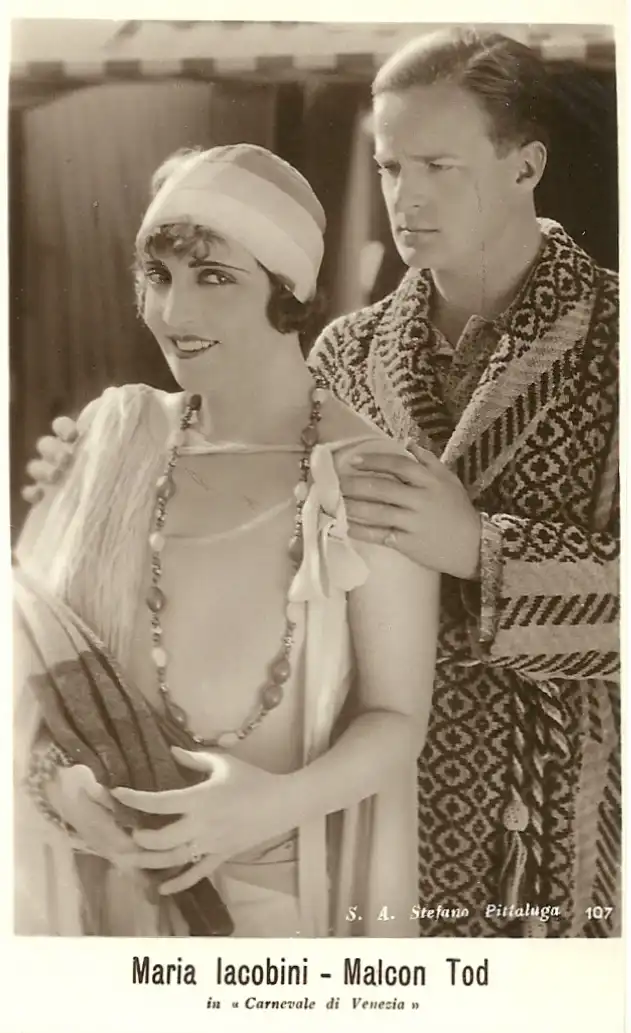
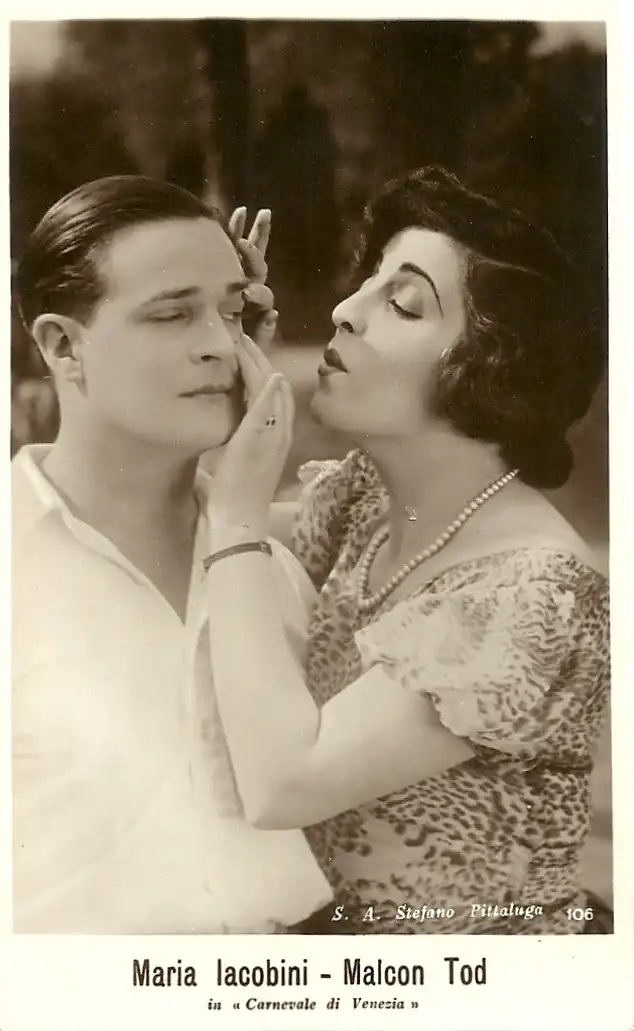
The movie is mostly about a violinist, played by Malcolm Tod, who looks like he has never held a violin before in his life. He holds the bow like he's trying to saw a piece of wood, which is pretty funny if you pay attention to it.
The carnival itself is supposed to be this big, grand event. But in 1928, or at least in this budget, it just looks like twenty people in masks throwing tiny pieces of paper at each other.
Some of the masks are genuinely unsettling. There is a guy in a white mask that looks like a melting ghost, and he just lingers in the corner of the frame for no reason.
It reminds me a bit of the travel vibes in The Open Road, but with way more crying. Actually, there is a lot of crying in this movie.
The director, Mario Almirante, seems really obsessed with shadows. Every time someone enters a room, they have to walk through a giant patch of darkness first.
It makes the whole thing feel much more like a horror movie than a romance. I kept waiting for someone to get stabbed, but they just kept talking with those giant title cards that take ten years to read.
The intertitles are very flowery. They say things like "The soul is a fragile bird," and you just have to sit there and accept that this is how people thought art worked back then.
I think the movie gets a bit lost in its own vibe. It wants to be very poetic, but sometimes it just feels like the camera operator forgot to stop filming.
There is a sequence with a gondola chase that is supposed to be exciting. It is not. It is two boats moving at approximately three miles per hour while the music (if you have a score playing) tries to convince you it's The Fast and the Furious.
If you want something with a bit more energy from this era, you’d be better off with The Sawmill. That at least has people falling over things.
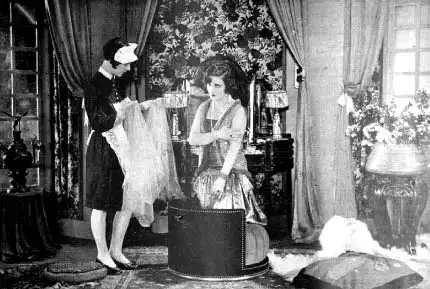
But there is something strangely hypnotic about the way the light hits the stone buildings in Venice here. It feels like a ghost of a city that doesn't exist anymore.
The ending is... well, it's a 1920s ending. Everyone is sad, but they are being very noble about it while wearing fancy capes.
I noticed a dog in one of the street scenes that looked very confused by the camera. It’s the most natural performance in the whole film, honestly 🐕.
The print I saw had these weird vertical scratches that made it look like it was raining inside the house. It actually added to the mood, even if it was just because the film was rotting.
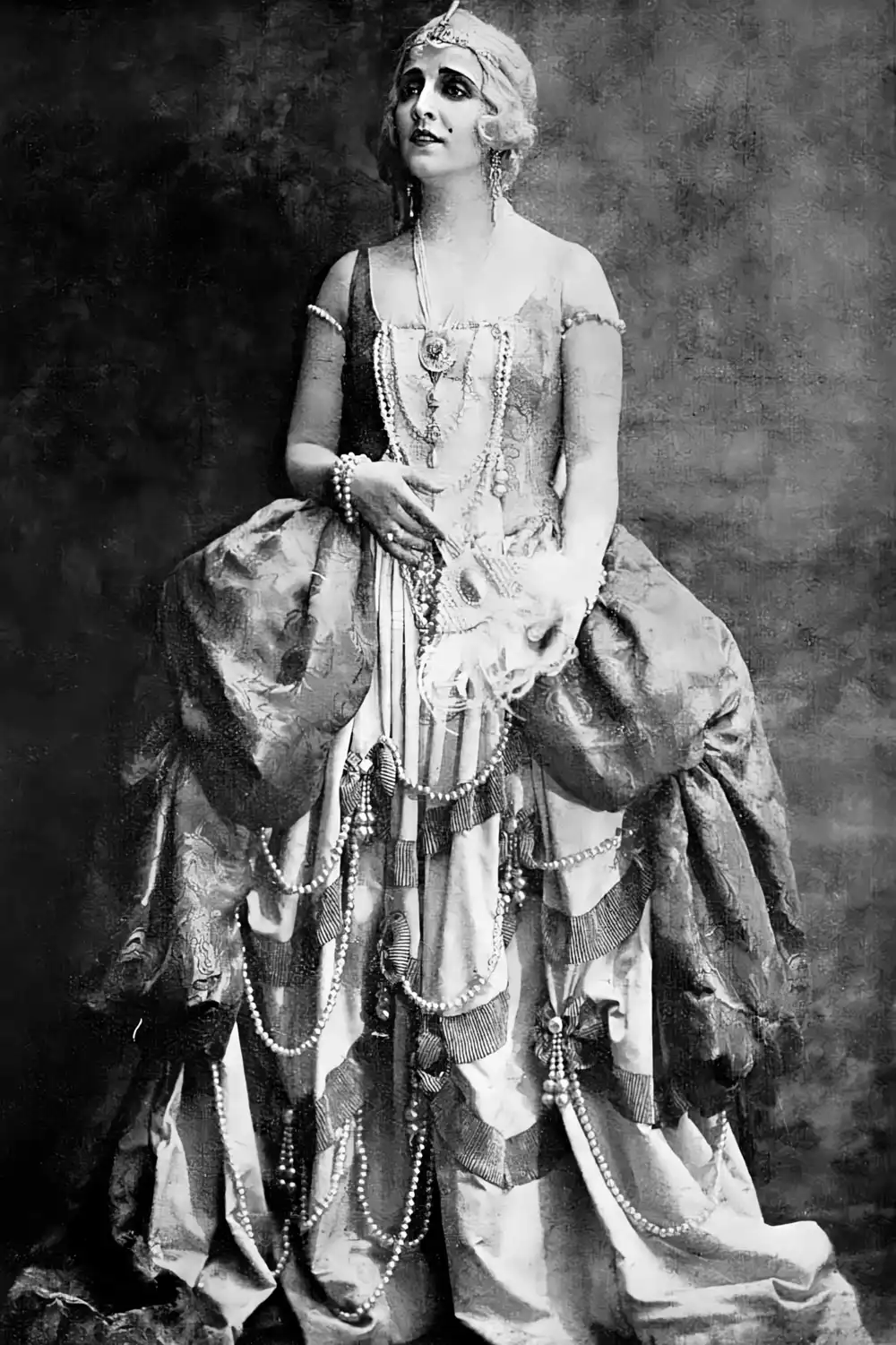
One of the actors, Giuseppe Brignone, has a mustache that deserves its own credit. It is perfectly groomed and probably took more work than the actual script did.
I don't think I would watch this again. Once is enough to get the gist of it, and the gist is mostly "Venice is wet and people are dramatic."
It’s a bit like looking through a stranger’s old photo album. You don’t know who these people are, and you don’t really care about their problems, but the clothes are neat to look at.
If you are a film student, you will probably find something deep to say about the framing. For everyone else, it’s just a very long, very quiet afternoon.
I did like the way the masks looked in the moonlight, though. It had this weirdly specific gothic energy that I wasn't expecting from an Italian romance.
It’s definitely better than some of the other stuff from that year, like maybe Puppy Love, which is just too sugary for me. Il carnevale at least has some grit under its fingernails.
The final shot is just a boat fading into the distance. It’s a bit of a cliché, but it works because you’re also ready to go home by then.
Overall, it is a decent enough way to spend a rainy Tuesday if you have literally nothing else to do. Just don't expect it to change your life or anything.
IMDb 7.6
1929
Community
Log in to comment.