DbcultAccessing Vault...
Cult Review
Senior Film Conservator
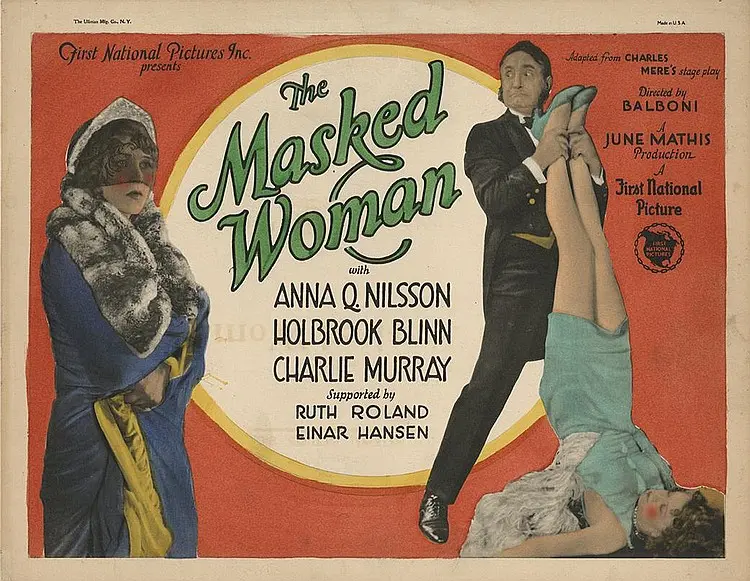
Is The Masked Woman worth your time in the modern era? Short answer: Yes, but only if you appreciate the high-stakes psychological warfare of the silent screen. This is a film for those who enjoy seeing power dynamics flipped on their head, but it is certainly not for viewers who find the grand gestures of 1920s melodrama to be overbearing.
This film works because it uses a terminal illness not as a tragic plot point, but as a tactical weapon in a battle of wills. This film fails because the husband’s character is so frustratingly gullible that it nearly undermines the tension. You should watch it if you want to see a pre-code era woman use her wits to dismantle a predator's ego.
Holbrook Blinn delivers a performance as Baron Tolento that is genuinely unsettling. He doesn't play the villain with a mustache-twirling glee; instead, he carries the heavy, stagnant air of a man who believes everything—and everyone—has a price. The way he uses a children’s charity as a lure for Diane is a masterful piece of characterization. It’s a cynical observation on how wealth can be used to buy a moral shield. It works. But it’s flawed in its execution during the party scenes.
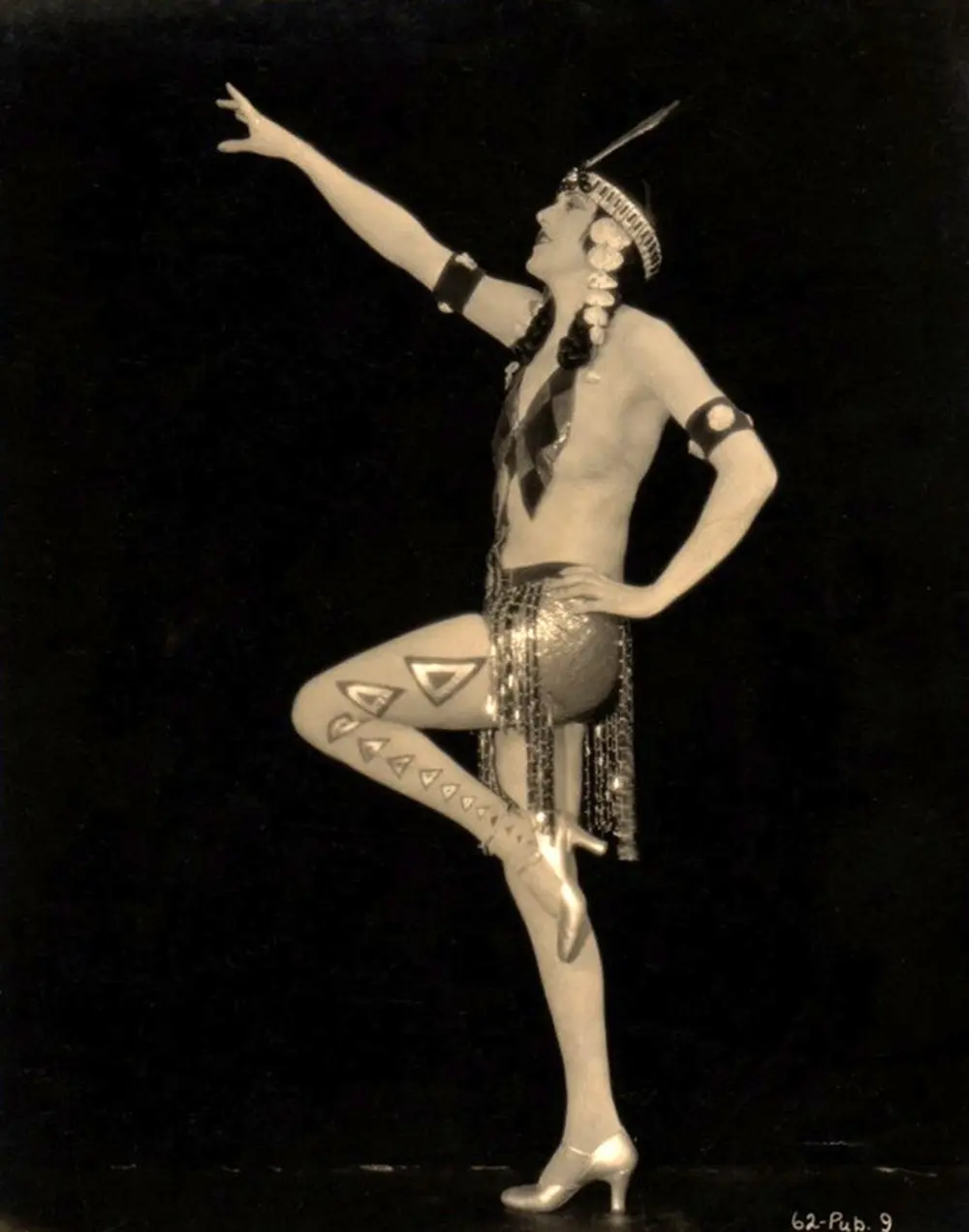
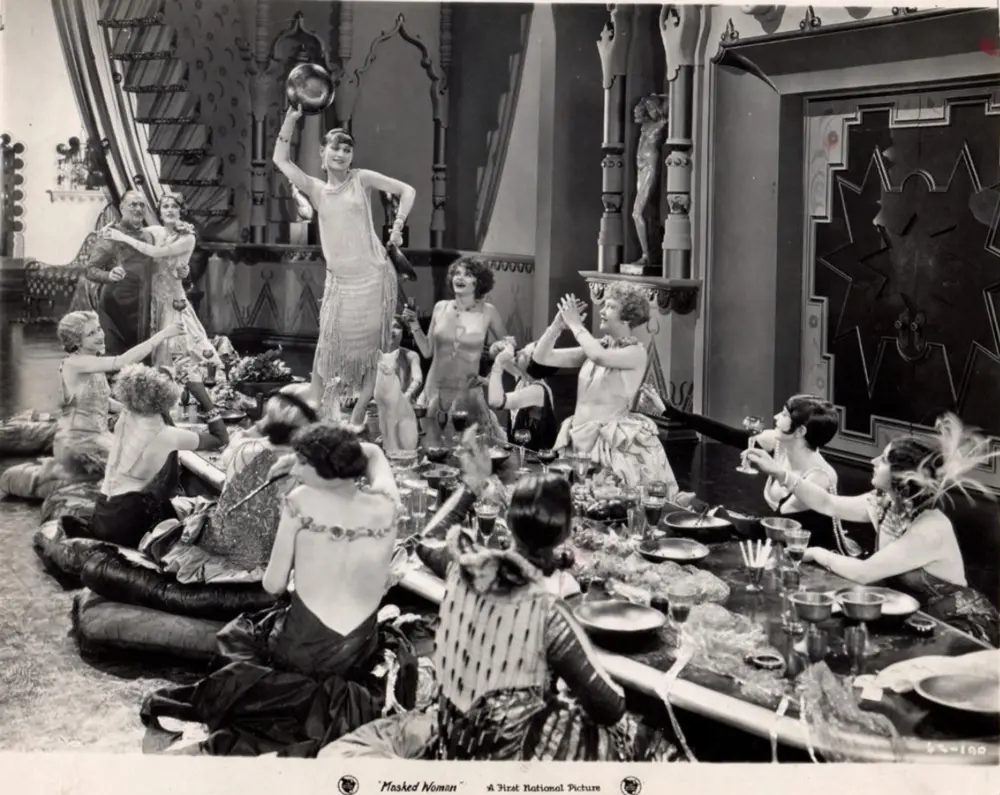
The party at Tolento’s house is a standout moment of set design and atmosphere. The inclusion of the Marion Morgan Dancers adds a layer of bacchanalian excess that contrasts sharply with Diane’s rigid, terrified composure. Anna Q. Nilsson, playing Diane, uses her eyes to convey a sense of trapped intelligence. She isn't just a victim; she is a calculator. When she reveals the letter detailing the Baron’s impending death, the shift in the room's energy is palpable. It’s a rare moment where the 'damsel' becomes the judge.
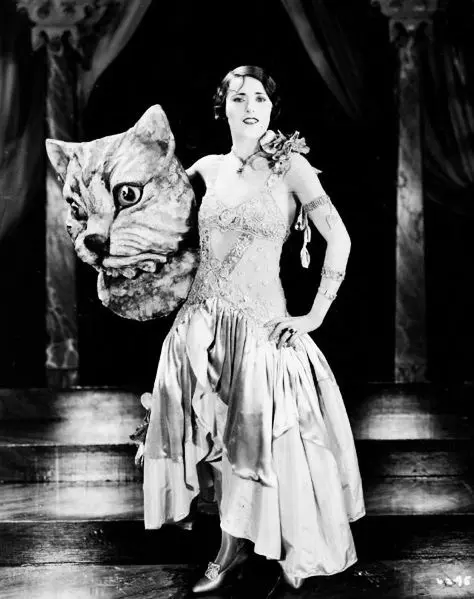
The Masked Woman is absolutely worth watching for the historical context of its writing and its subversion of the 'woman in peril' trope. Unlike many films of the era, the protagonist's salvation doesn't come from a hero's fist, but from her access to information. It is a sophisticated take on the drawing-room drama that feels more relevant today than many of its contemporaries.
One cannot discuss this film without acknowledging the influence of June Mathis. As one of the most powerful screenwriters and executives of the time, her fingerprints are all over the script’s moral complexity. The dialogue intertitles are sharp and avoid the flowery fluff that plagued other 1927 releases. She understood that the real horror isn't the Baron's threat, but the social structure that allows him to make it. This film feels more grounded than something like The Price of Pleasure, which deals with similar themes of class but with less bite.
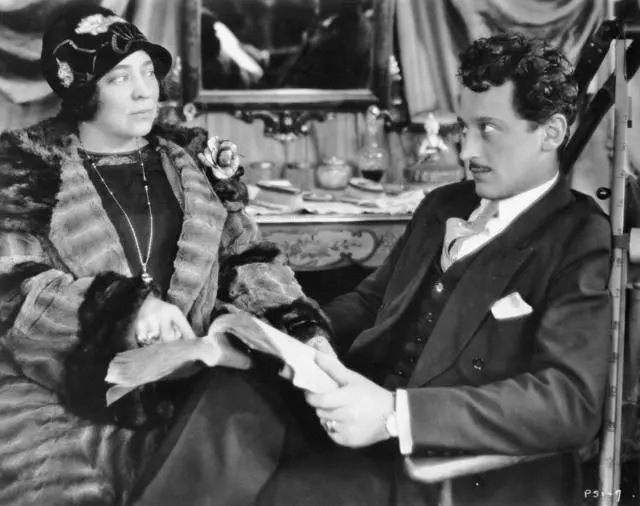
The pacing of the second act is where the film truly finds its stride. The tension between the three-month ultimatum given by the Baron and the three-month life expectancy revealed by Diane creates a ticking-clock scenario that is remarkably modern. It’s a narrative symmetry that you don’t often see in silent cinema. The film doesn't just let the Baron die; it makes him live with the knowledge of his defeat while he is still at the height of his social power.
The visual language of the film relies heavily on shadows and tight framing. When the Baron and Diane are alone, the camera closes in, creating a sense of claustrophobia that mirrors Diane’s internal state. The use of lighting to emphasize the Baron’s aging, decaying visage once his secret is out is a brilliant touch. He literally begins to look like the corpse he is destined to become. It is a far cry from the more traditional approach seen in Burnt Wings, where the visuals are often more static.
However, the film stumbles in its final act. The jealousy of the husband, Dr. Delatour, feels like a regression. After such a high-stakes psychological battle, watching a man throw a tantrum because he doesn't trust his wife feels like a letdown. It’s a common trope of the era, but here it feels particularly egregious because Diane has proven herself to be so much more capable than him. The resolution, which depends on Mimi (the Baron's mistress), is a bit too tidy. Mimi’s intervention is a classic 'fallen woman' redemption arc, but it feels like a shortcut to a happy ending.
Pros:
Cons:
When compared to other films of the mid-to-late 20s like The Web of the Law or Seven Deadly Sins, The Masked Woman stands out for its focus on a very specific, intimate kind of villainy. It doesn't try to be a sprawling epic. It stays in the rooms where the deals are made. This intimacy makes the Baron’s predatory nature feel much more dangerous. It’s not a global threat; it’s a threat to a woman’s soul and a family’s peace.
The film also avoids the trap of making Diane a saint. She is a woman who knows how to use a secret. While her husband is off performing surgeries, she is performing a different kind of excision—removing a cancer from their social circle using the Baron's own medical records. There is a delicious irony in the doctor's wife using the doctor's tools (knowledge and diagnosis) to defeat her enemy.
The Masked Woman is a fascinating relic that still has some teeth. While the melodrama can occasionally boil over into the absurd, the core conflict is handled with a level of sophistication that was ahead of its time. Anna Q. Nilsson carries the film with a quiet dignity, and Holbrook Blinn provides a villain you will love to hate. It’s a sharp, cynical look at the intersection of wealth, health, and desire. It isn't perfect, and the ending is a bit of a cop-out, but the journey there is well worth the ride. If you can look past the husband's shortcomings, you'll find a very modern heart beating inside this silent frame.
IMDb 6.4
1925
Community
Log in to comment.