DbcultAccessing Vault...
6.6/10
Senior Film Conservator
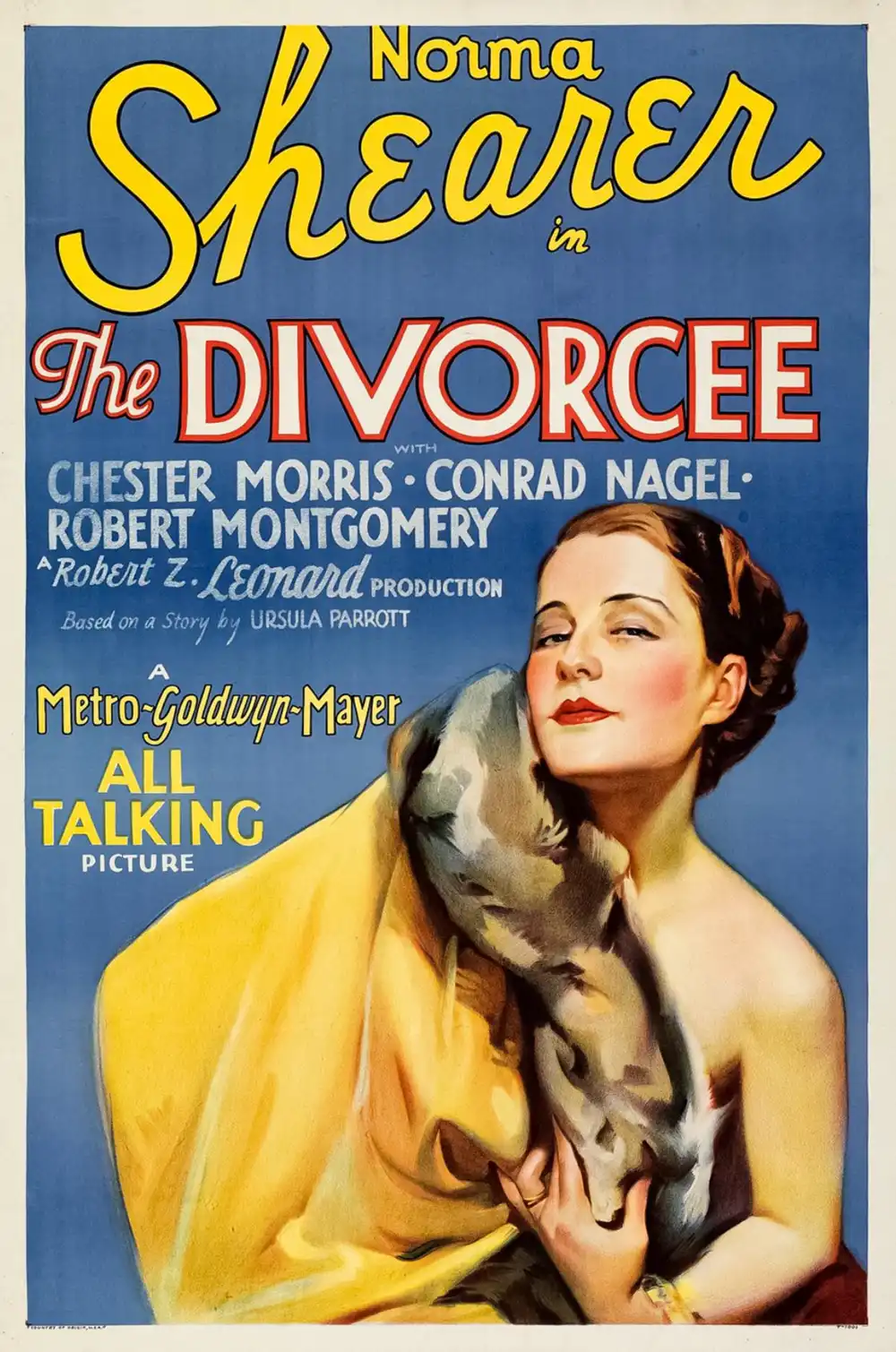
A definitive 6.6/10 rating for a film that redefined the boundaries of cult cinema. The Divorcee remains a cornerstone of transgressive art.
Okay, so The Divorcee from 1930. Is it worth tracking down today? Absolutely, if you're into films that really push boundaries for their time. This is a big one for folks who dig pre-Code Hollywood or just want to see how wildly different societal norms were. If you prefer your classic movies to be purely romantic or without any messy moral questions, then yeah, you might find it a bit much. It's not exactly a feel-good movie, that’s for sure.
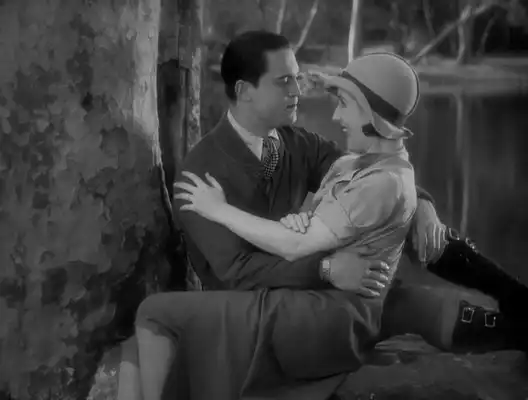
The thing about The Divorcee is how modern it felt back then. And honestly, some of it still feels kinda fresh, even with the obvious age. Norma Shearer, as Jerry, just lights up the screen. Her expressions? Man, she can go from playful to absolutely heartbroken in a blink.
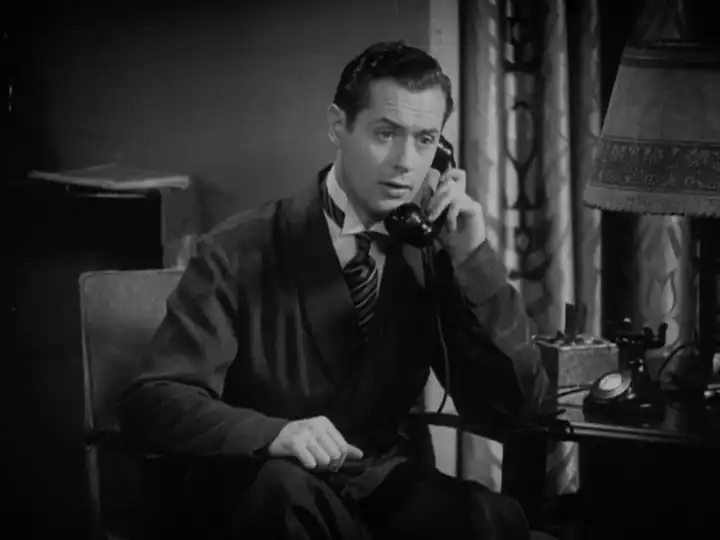
There’s this one scene, early on, where she’s all giggly with her husband, Ted, played by Chester Morris. They're at a party, and you really believe they’re a happy couple. Then, the reveal. Ted admits to an affair, all casual-like, almost like it's no big deal. The way Norma just *stops* laughing, her face just... tightens. It's subtle, but it's powerful. No big, over-the-top drama, just a quiet shattering.
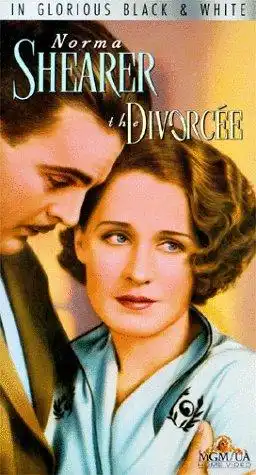
Then she decides, "Hey, if he can do it, why can't I?" It’s a pretty radical idea for 1930, you gotta admit. We see her try to navigate this new freedom, but it’s not really freeing. She sleeps with Paul, played by Robert Montgomery, who’s supposed to be her best friend’s husband. Uh oh. The film doesn't exactly endorse her choices, but it doesn't judge her super harshly either. It just shows the consequences, especially the social ones.
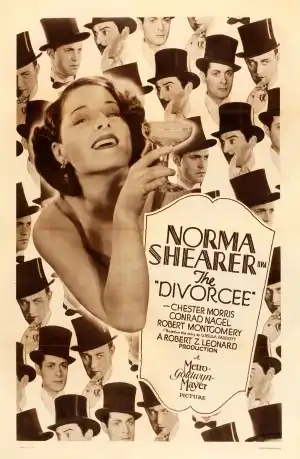
There's a moment when Jerry tries to explain her logic to Ted, something about "what's sauce for the gander." And Ted just can't grasp it. He's furious, a total double standard. You can practically see the gears grinding in his head, trying to process this idea that *his wife* could do the same thing he did. It’s a stark reminder of the double standards of the era. The way Morris plays Ted, sometimes he seems genuinely confused, not just angry. It’s an interesting layer to his character, not just a flat villain.
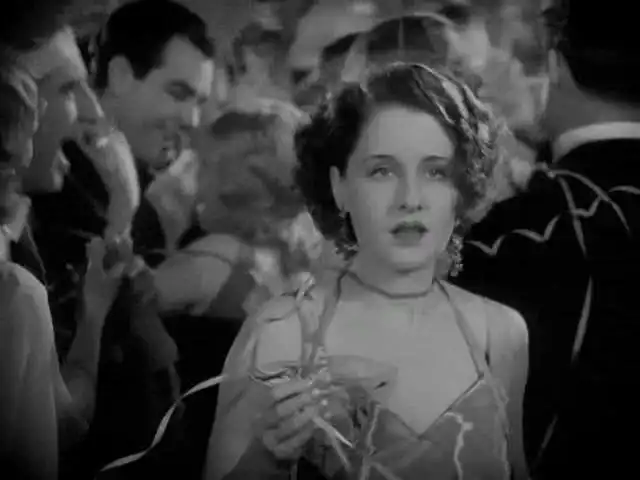
The parties in this movie feel… real noisy. Like everyone's talking over each other, and the music is just a little too loud. You almost feel like you're there, straining to hear the dialogue. It's a nice touch, keeps things from feeling too staged. And the costumes! Jerry wears some really striking outfits. There's a particular dress, kind of sparkly and slinky, she wears to a late-night party. It just screams "I'm trying to be sophisticated but also a little reckless." ✨
The ending, well, it’s not exactly a neat bow. It feels a bit like the Hays Code was breathing down their necks, even though it wasn't fully enforced yet. Or maybe it's just how society was structured back then. Jerry ends up... alone, more or less. But she's also *stronger* in a way. She hasn't compromised her principles, even if those principles led to a lonely place. That final shot of her, looking out, kinda resigned but also unbowed. It stays with you.
It's a bold movie for its time, no doubt. The script, by Ursula Parrott, has some really sharp lines. Lines that still sting today. You hear people talk about "pre-Code naughtiness," but this isn't just about flashing ankles. It's about ideas. About fairness. And how hard it is to get it. Especially back then.
My one hang-up? Sometimes the pacing feels a little... deliberate. A few scenes could’ve been trimmed by twenty seconds or so. But then again, maybe that’s part of the charm, letting moments breathe. It's a tiny complaint for a film that gives you so much to chew on. You watch it and think, "Wow, they actually said that?" and then you realize, yeah, they did. And they made a *lot* of people uncomfortable. Which, you know, sometimes that’s what good movies do.
IMDb 5.8
1930
Community
Log in to comment.