DbcultAccessing Vault...
5.1/10
Senior Film Conservator
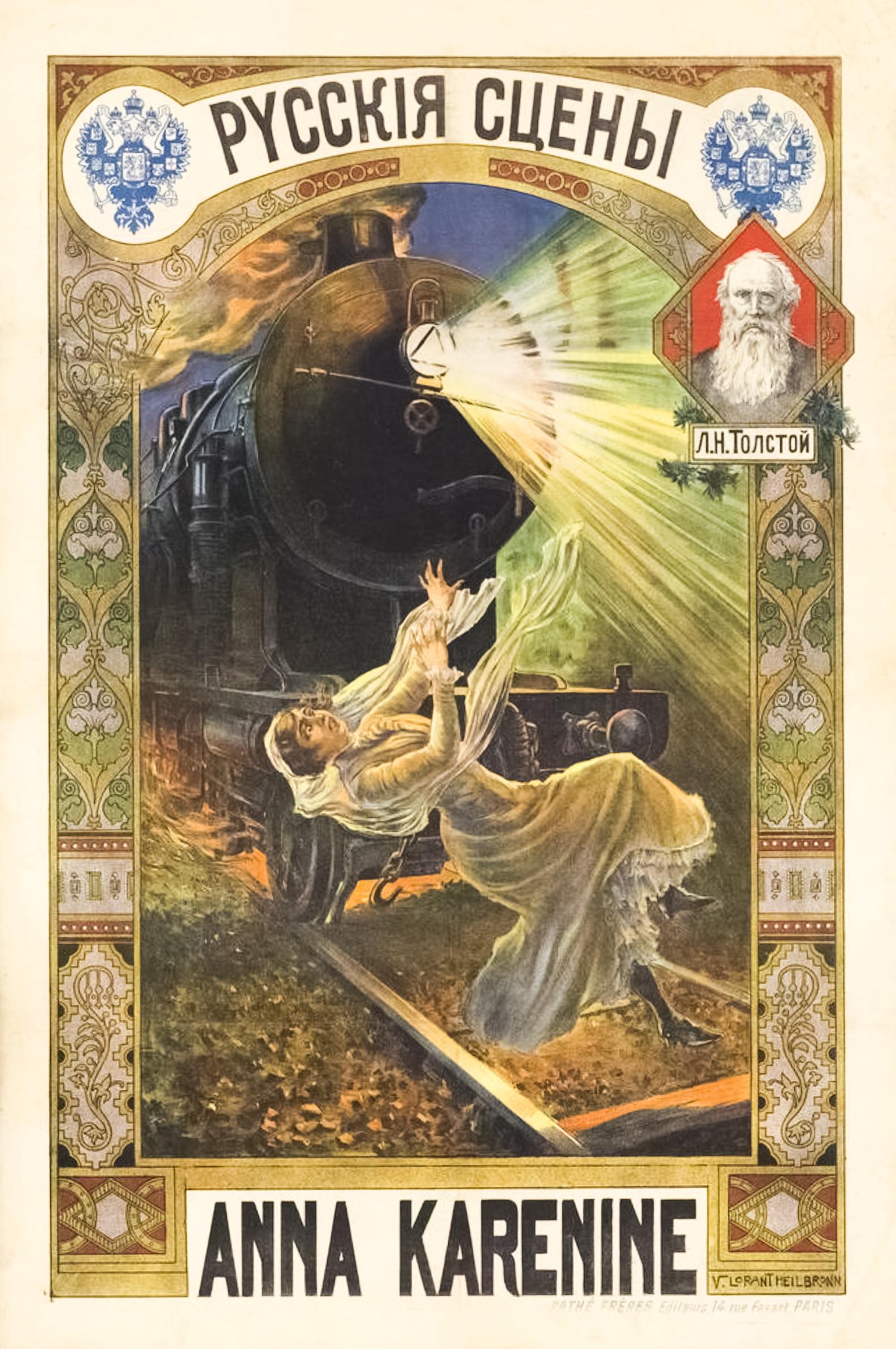
A definitive 5.1/10 rating for a film that redefined the boundaries of cult cinema. Anna Karenina remains a cornerstone of transgressive art.
The 1911 screen incarnation of Tolstoy’s leviathan novel arrives like a frost-bitten love letter hurled from the dying twilight of the Tsarist dream. Director Mikhail Troyanovsky—yes, the same Trojanov who also plays Karenin—compresses 800 pages of metaphysical ache into a blistering seventeen-minute fever dream. Celluloid nitrate hisses, hand-tinted amber sparks detonate across the screen, and suddenly the audience is inside Anna’s pulse, a place where lace smells of gunpowder and every flirtatious curtsy carries the torque of a guillotine.
Cinematographer Nikolai Kozlovsky treats light like a forensic investigator: footlights carve Mariya Sorotkhina’s cheekbones into ivory cameos, while shadow-pockets bloom beneath her eyes as moral rot sets in. The film’s most indelible image freezes Anna behind a frosted carriage window; condensation dribbles like liquefied diamonds, turning her face into a cathedral’s cracked stained-glass saint. Compare this chiaroscuro to the static wide shots of contemporary melodramas such as Birmingham or the pugilistic ballets documented in The Corbett-Fitzsimmons Fight; here, the camera glides, stalks, even lunges, predatory as desire itself.
Sorotkhina’s Anna is no wilting dove but a powder-keg of intelligence, her shoulders squared as if perpetually bracing for the next moral artillery shell. Watch the micro-tremor in her gloved fingers when Vronsky (Nikolai Vasilyev) offers a champagne flute: the glass never spills, yet the tremor transmits straight into the viewer’s spinal cord. Vasilyev, meanwhile, sidesteps histrionic cavalry swagger; instead he gifts Vronsky a bored aristocratic languor that curdles into panic once possession sours into responsibility. And Trojanov’s Karenin—oh, what a marvel of stiff-backed repression! His pince-nez becomes a medieval torture device, pinching not only the bridge of his nose but the entire circumference of his soul.
The film’s genius lies in never showing the Tsar or the clergy; instead, the oppressive regime manifests through spatial geometry. Doorframes swallow Anna in receding perspective; ballroom parquet grids trap her in a life-sized chessboard where every bishop and rook whispers checkmate. Even the titular train is shot from a low angle so that the locomotive resembles an imperial palace on wheels, its cowcatcher a metallic jaw eager to devour wayward women. The editing rhythm imitates social etiquette: leisurely cross-fades for drawing-room repartee, then staccato jump-cuts once scandal detonates. The contrast is devastating; you sense the guillotine blade lifting before it falls.
Because 1911 technology shackled filmmakers to sparse intertitles, each line detonates like shrapnel: “Desire is a railway ticket—one-way, non-refundable.” or “In the currency of marriage, a woman’s virtue is minted in counterfeit gold.” The typography itself—serifed, trembling—mirrors Anna’s handwriting as she pens frantic letters that go unanswered. Compared to the pedagogic expository cards padding Life and Passion of Christ, these titles are haemorrhagic stanzas of a dying poet.
Modern viewers conditioned by talkies often underestimate the orchestral silence of early cinema. Here, the absence of synchronized sound transmogrifies the auditorium into Anna’s skull: every cough from the balcony becomes her husband’s accusatory throat-clearing; the rustle of skirts two rows ahead echoes the swish of ballroom taffeta that once seduced her into ruin. If you screen this at home, kill the ambient Spotify playlist; let the projector’s mechanical heartbeat—clack-clack-clack—stand in for destiny’s metronome counting down to the final suicidal lunge.
More than a century on, the troll-armies of social media still pillory women who deviate from respectability algorithms. Anna’s public shaming—hissed at in opera boxes, denied entrance to her child’s nursery—prefigures the digital pile-ons endured by any actress or politician caught in contemporary sex-scandal crosshairs. Meanwhile Vronsky, like countless Harvey-weaned harlequins, marches off to martial glory, his reputation merely dented not disembowelled. The film, knowingly or not, weaponizes our complicit gaze; we crave Anna’s liberation yet rubber-neck at her downfall.
A 4K restoration premiered at Il Cinema Ritrovato in 2022, scanned from a severely nitrate-damaged print discovered in the Russian State Archive. Tears, scratches, and chemical decay remain proudly visible—like Anna’s emotional scars—while the original hand-colouring has been digitally re-graded to replicate the shimmering candle-glow of 1911 exhibition halls. The BFI Blu-ray couples the film with contextual shorts—Dressing Paper Dolls for proto-feminist juxtaposition, and 69th Regiment Passing in Review as military fetish counterpoint—rendering it indispensable for cinephiles.
Seventeen minutes. That’s all it takes for this spectral locomotive to barrel through your defences, splinter your comfort, and leave you standing on the platform amid the soot of your own judgments. Anna Karenina (1911) is not a quaint literary relic; it is a nitrate bomb hurled from the dawn of cinema, its fuse still hissing in the dark.
Related Viewing: Compare the fatalistic trajectory with the boxing kinetics of Jeffries-Sharkey Contest, or witness ritual pageantry akin to Anna’s social humiliation in A Procissao da Semana Santa.
IMDb —
1919
Community
Log in to comment.