DbcultAccessing Vault...
5.9/10
Senior Film Conservator
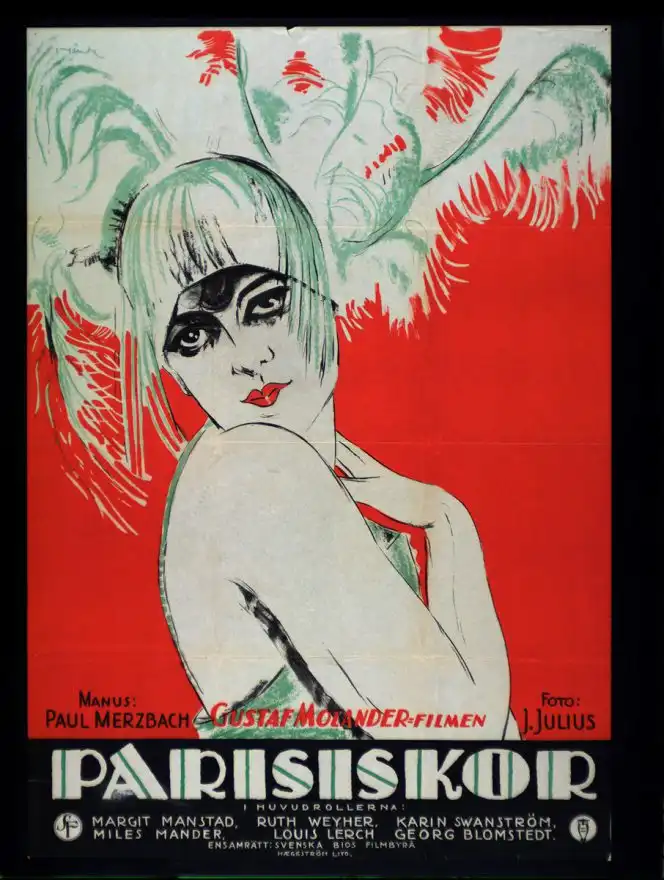
A definitive 5.9/10 rating for a film that redefined the boundaries of cult cinema. The Doctors' Women remains a cornerstone of transgressive art.
If you’re looking for a reason to sit through The Doctors' Women today, you’re probably either a completionist or someone who finds the specific, twitchy screen presence of Miles Mander oddly hypnotic. It isn’t a lost masterpiece. It’s a farce that moves at the speed of a heavy dinner. If you enjoy the late-silent era's obsession with elaborate apartment sets and the comedy of 'wrong envelopes,' you’ll find something to like. If you want a movie that actually respects your time, you might want to skip it.
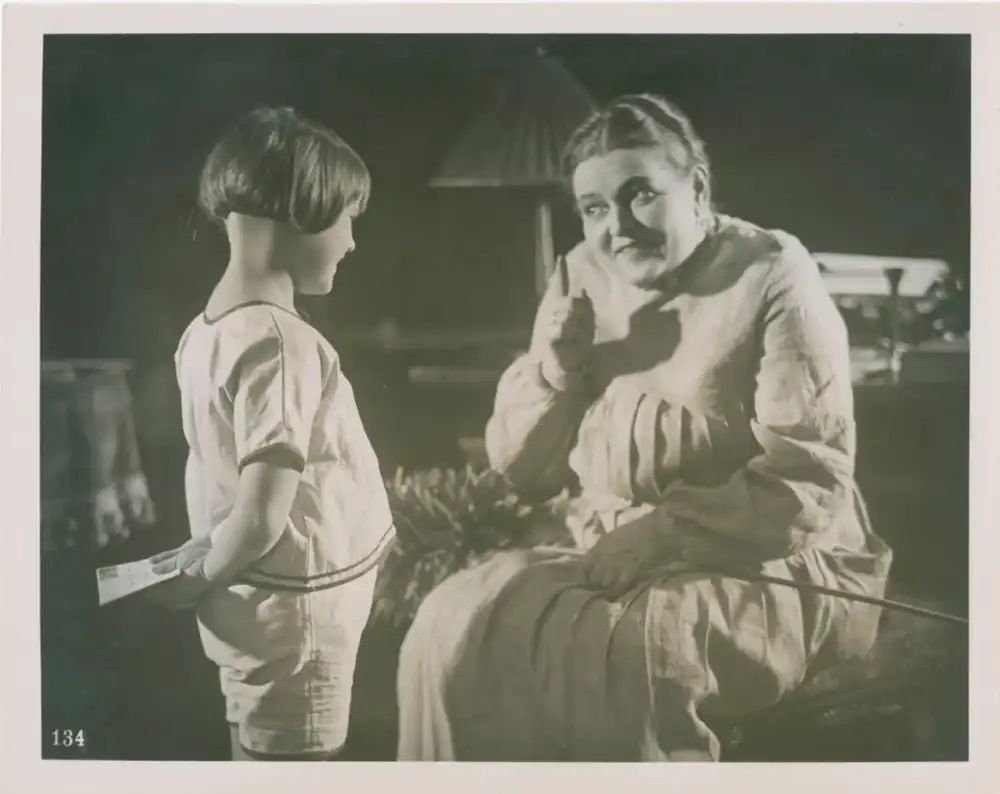
The whole thing hinges on a premise that feels exhausted by the thirty-minute mark: two families, same name, same house in Paris. It’s the kind of setup that requires every character to be slightly more oblivious than a normal human being. I spent a good portion of the first act just looking at the background actors. There’s a scene in a hallway where an extra in the background seems genuinely confused about where he’s supposed to walk, and honestly, I related to him more than the leads.
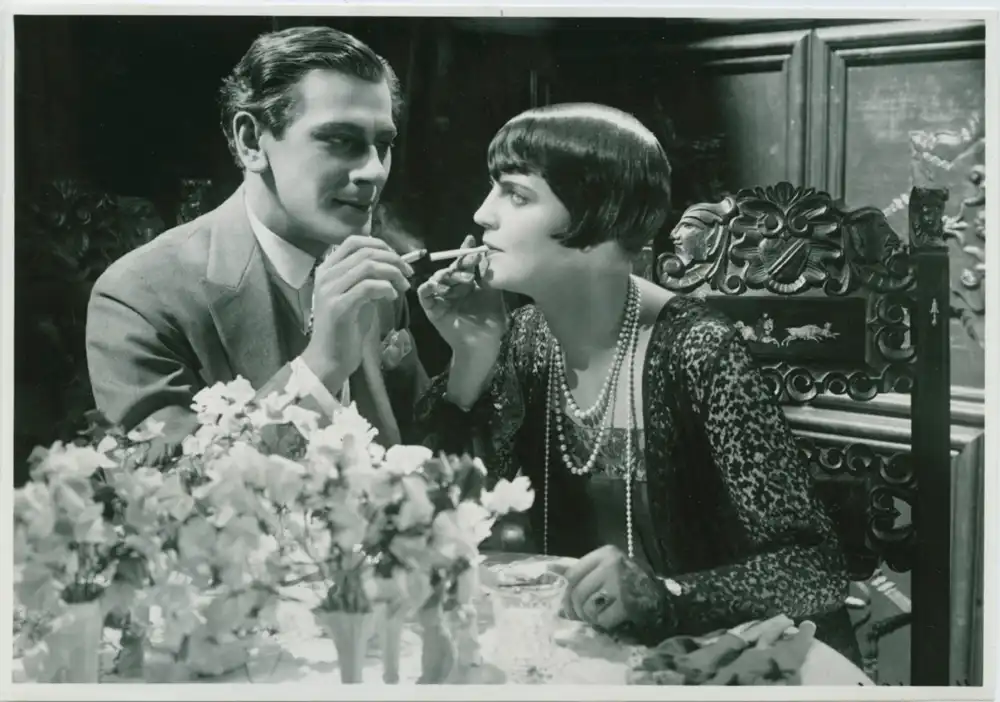
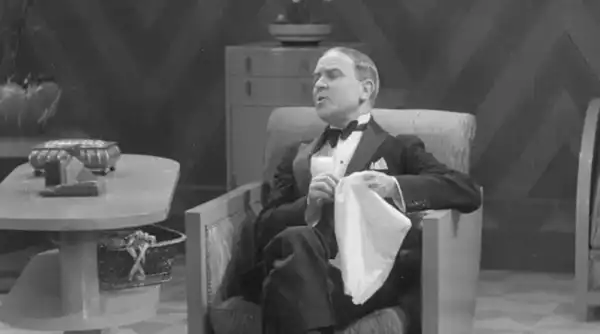
Miles Mander is the main draw here. He has this way of looking at people—half-sneer, half-intense curiosity—that makes even the most mundane dialogue (or intertitles, in this case) feel like he’s plotting a murder or about to burst into tears. He doesn’t quite fit the 'breezy comedy' vibe the director, Paul Merzbach, seems to be aiming for. When he’s on screen with Margita Alfvén, the chemistry is... let's call it 'stiff.' They look like two people who were introduced five minutes before the cameras rolled and were told to pretend they’ve had a complicated history.
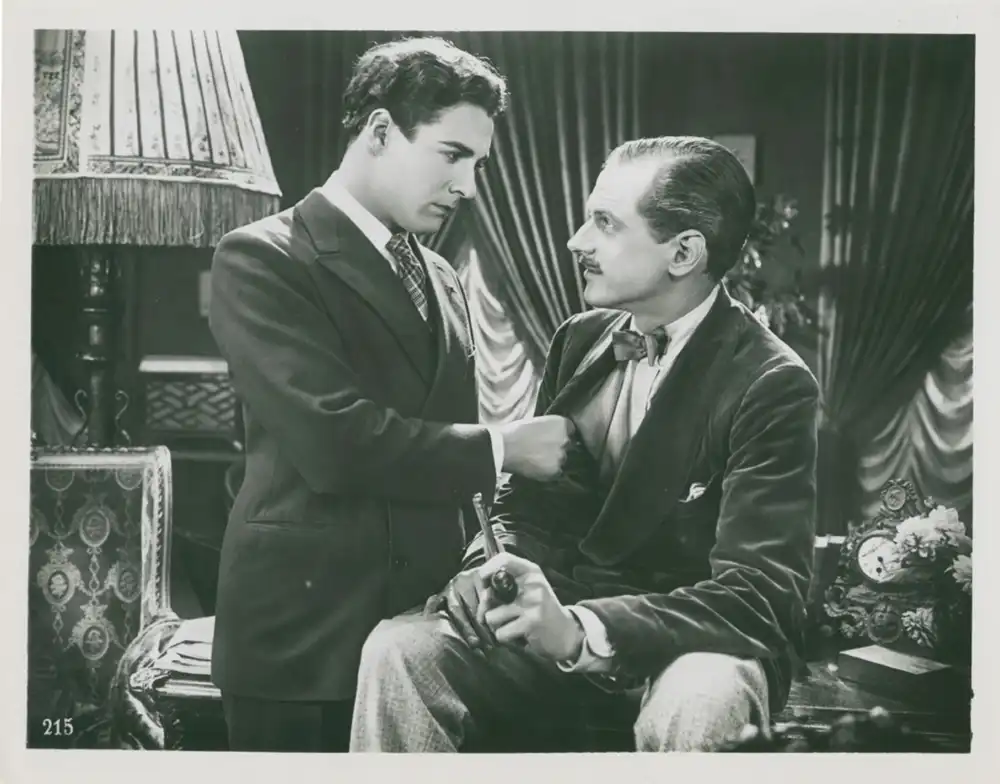
There is a sequence involving a letter being passed around that goes on for what feels like an eternity. We see the letter. We see the person receiving the letter. We see the person reacting to the letter. Then we see a close-up of the letter. Then we see the person who sent the letter looking worried. It’s the kind of rhythmic repetition that makes you realize why sound cinema was such a relief for some filmmakers. It’s not that it’s poorly shot—the lighting in the drawing-room scenes is actually quite nice, with some soft shadows that make the apartment feel lived-in—it’s just that the pacing is glacial.
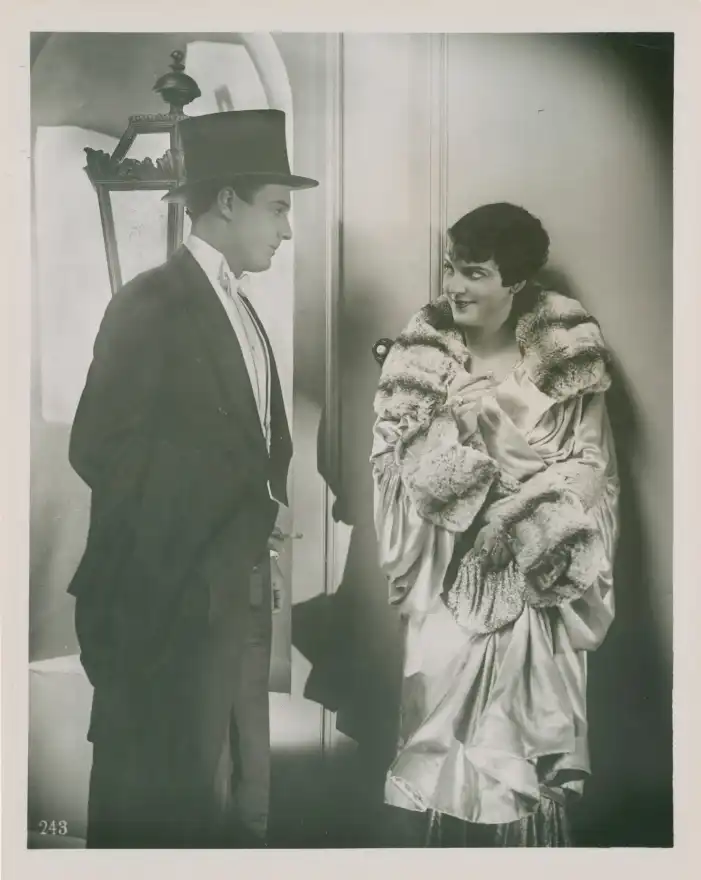
I noticed the costumes more than the plot at a certain point. The hats are incredible. There’s one hat Margit Manstad wears that looks like it might have its own gravitational pull. It’s a very '1929' movie in that way; you can feel the era’s fashion and decor screaming louder than the actual story. It reminded me a bit of the visual clutter in Sein größter Bluff, though that film had a bit more spark to it.
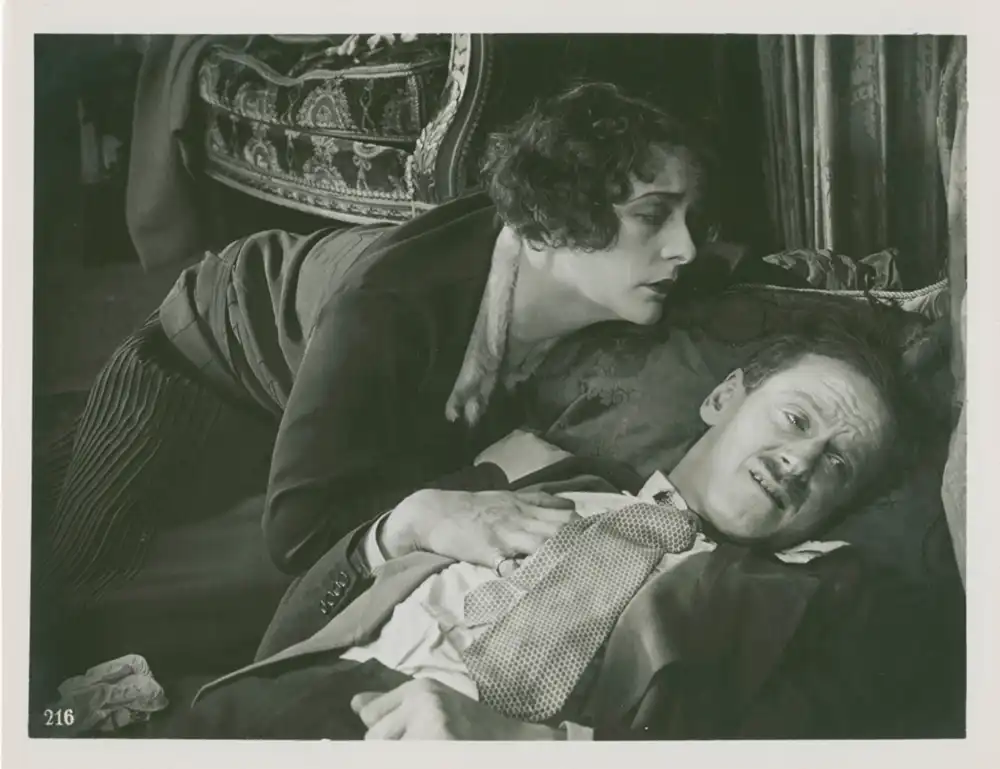
The 'Paris' of the movie is clearly a studio backlot, but it’s a charming one. There’s a shot of a balcony where you can see the painted backdrop, and for a second, the movie feels almost cozy. It’s that specific silent film magic where the artifice is part of the appeal. But then we’re back to the 'matters of the heart' and the confusion over the surname, and the energy dips again.
One thing that really didn't work for me was the way the tonal shifts are handled. It tries to be a light comedy, but then it takes these weird, somber turns where the music (if you’re watching a scored version) and the actors' expressions suggest a level of tragedy that the script hasn't earned. It’s not as balanced as something like The Knight of the Rose, which manages its tone with a lot more grace. Here, it just feels like the movie forgot what it was doing for ten minutes.
The ending is a foregone conclusion. You know exactly who is going to end up with whom the moment the names are introduced. There’s no real tension, just a series of hurdles that the characters have to jump over. Some of those hurdles are funny—there’s a bit with a servant that actually landed—but mostly it’s just a lot of people walking into rooms and looking surprised to see each other.
It’s fine. It’s a perfectly okay way to spend ninety minutes if you’re already committed to the era. But it lacks the bite or the cleverness to be something you’d recommend to a casual viewer. It’s a movie made of 'moments' that don’t quite add up to a whole, like a collection of postcards from a vacation that was mostly spent waiting for the rain to stop.
IMDb —
1931
Community
Log in to comment.