DbcultAccessing Vault...
4.9/10
Senior Film Conservator
A definitive 4.9/10 rating for a film that redefined the boundaries of cult cinema. The Heart Snatcher remains a cornerstone of transgressive art.
In the pantheon of early silent cinema, few works capture the frantic intersection of social aspiration and physical absurdity quite like The Heart Snatcher. This isn't merely a relic of a bygone era; it is a visceral, albeit comedic, examination of the 'outsider' archetype that has permeated storytelling since the inception of the moving image. Unlike the atmospheric dread found in Shadows, which relies on the chiaroscuro of the soul, this film operates on the friction of movement and the inevitable collapse of carefully laid plans.
The film opens with a sequence that immediately establishes a hierarchy of space. Our protagonist—a thief whose motivations remain deliciously ambiguous—attempts to blend into the opulent surroundings of a mansion party. The direction utilizes wide shots to emphasize his smallness against the architectural grandeur, a technique that highlights his status as a social contagion. When he is inevitably discovered and tossed out, the narrative doesn't retreat; it pivots. This is where the brilliance of the screenplay manifests. The thief’s return to the mansion isn't driven by a desire for revenge, but by a pragmatic, almost professional, necessity to execute 'Plan B.'
This secondary attempt to breach the safe is filmed with a rhythmic intensity that predates the modern heist genre. While The Edge of the Abyss explores the psychological precipice of criminality, The Heart Snatcher focuses on the mechanics of the act. The safe itself becomes a character—a cold, iron sentinel standing between the thief and his fleeting chance at upward mobility. The tension is palpable, broken only by the idiosyncratic physical comedy of Bobby Dunn, whose presence injects a layer of unpredictability that keeps the audience in a state of constant, nervous amusement.
Josef Swickard brings a surprising amount of gravitas to a role that could have easily devolved into a caricature. His facial expressions are a masterclass in silent communication, conveying a spectrum of emotion from the hubris of the initial entry to the frantic terror of the garage escape. In many ways, his performance mirrors the intensity seen in Fate's Boomerang, where the inevitability of one's choices comes back to haunt them with poetic precision. Swickard’s thief is a man perpetually caught between the gears of a machine he didn't build but is forced to operate.
The supporting cast, including Marvel Rea and Glen Cavender, provides the necessary friction to propel the plot forward. Each character represents a different facet of the society our protagonist is trying to fleece. The party-goers are a monolithic wall of exclusion, while the inhabitants of the garage represent the chaotic reality of the working world. This juxtaposition is vital. It reminds us that the thief's struggle isn't just against the law, but against a system that has no place for his particular brand of ingenuity. The chaos he causes in the garage is a literal manifestation of his refusal to be contained by the social or physical structures imposed upon him.
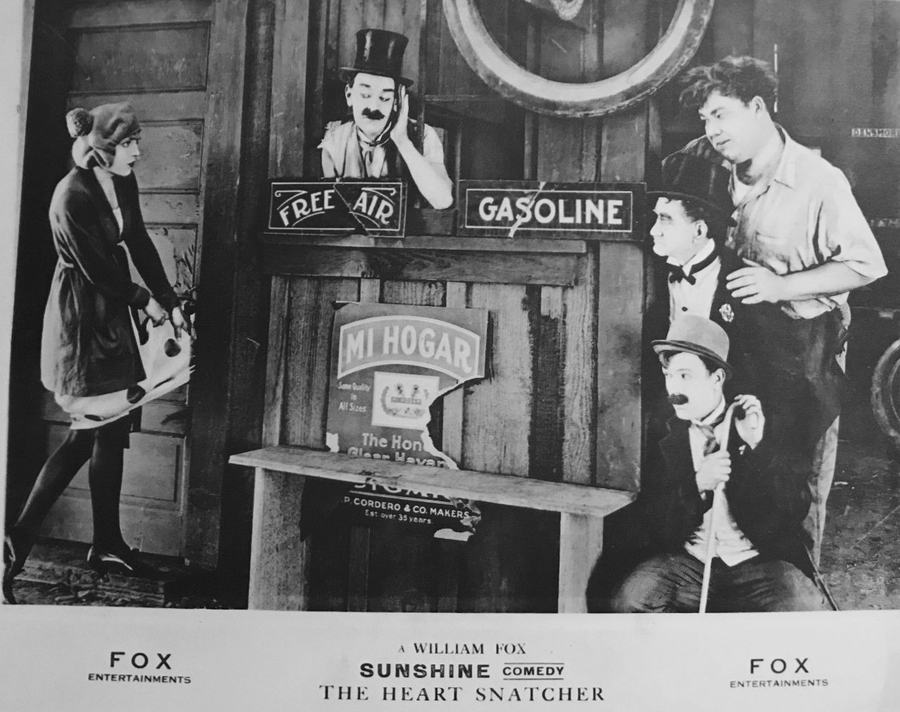
The final act, set within a cluttered, oil-slicked garage, is a tour de force of silent era choreography. If The Knockout perfected the art of the ring-side brawl, The Heart Snatcher perfects the art of industrial mayhem. Tools become weapons, cars become obstacles, and the very air seems thick with the scent of impending disaster. This sequence is notable for its editing—a rapid-fire succession of shots that mirror the protagonist's escalating panic. There is a raw, unpolished energy here that feels remarkably contemporary.
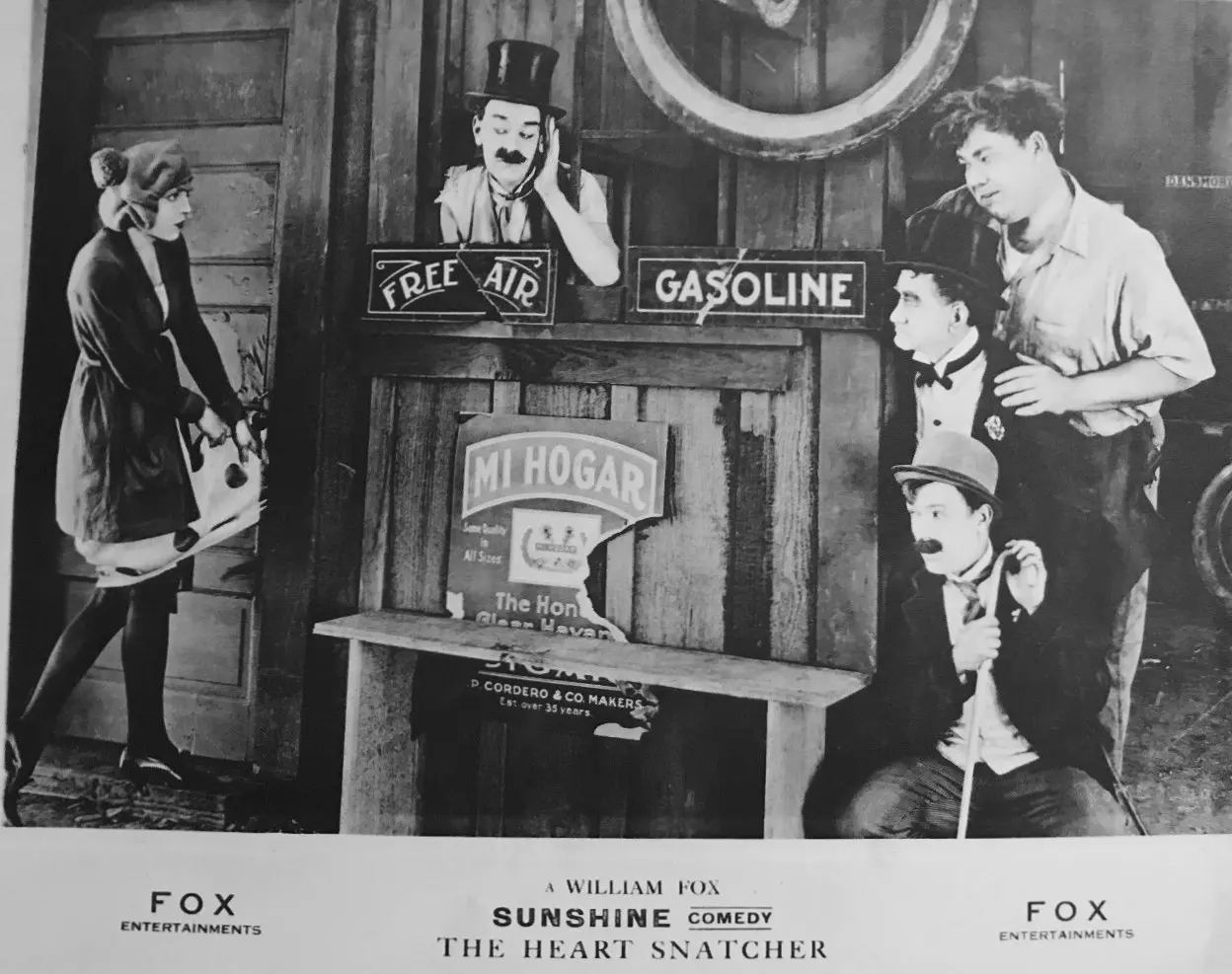
What makes this garage sequence so effective is the way it utilizes the environment. Every object is a potential punchline or a potential peril. The chaos is organized, a mechanical ballet where every movement is calculated to maximize the visual impact. We see echoes of this structural disintegration in Hands Down, but here it is infused with a sense of desperate levity. The thief isn't just running from the police; he's running from the consequences of his own existence. The garage, with its grease and grime, is the antithesis of the mansion's sterile beauty, yet it is where the protagonist is most truly himself.
To fully appreciate The Heart Snatcher, one must look at it through the lens of its contemporaries. While films like Giuditta e Oloferne leaned into historical and biblical epicness, and Graziella focused on the pastoral and the romantic, this film thrives in the urban, the gritty, and the immediate. It shares a certain DNA with The Kiss of Hate in its depiction of the darker side of human impulse, yet it refuses to succumb to melodrama. Instead, it maintains a cynical, almost nihilistic sense of humor that feels surprisingly modern.
The writing, though uncredited in many records, displays a sophisticated understanding of narrative pacing. The transition from the 'high' world of the mansion to the 'low' world of the garage is handled with a seamlessness that suggests a deep familiarity with the tropes of the era. Much like Wife Number Two explores the complexities of domestic life, The Heart Snatcher explores the complexities of a life lived on the margins. It is a film about survival, ingenuity, and the sheer, unadulterated madness of the human condition.
In the end, The Heart Snatcher stands as a testament to the power of visual storytelling. It doesn't need dialogue to convey the desperation of a man with his back against the wall, nor does it need complex special effects to create a sense of scale and stakes. The film relies on the fundamental elements of cinema: light, shadow, movement, and the human face. It is a reminder that even in the earliest days of the medium, filmmakers were already grappling with the same themes that haunt us today: class, identity, and the pursuit of a better life—even if that pursuit involves a bit of safe-cracking and a lot of garage-based chaos.
Critical Comparison Checklist:
This review was crafted with a deep appreciation for the archival preservation of silent shorts. The Heart Snatcher remains a vital piece of the cinematic puzzle, showcasing the early brilliance of performers like Josef Swickard and the timeless appeal of the well-executed caper.
IMDb —
1930
Community
Log in to comment.