DbcultAccessing Vault...
Cult Review
Senior Film Conservator
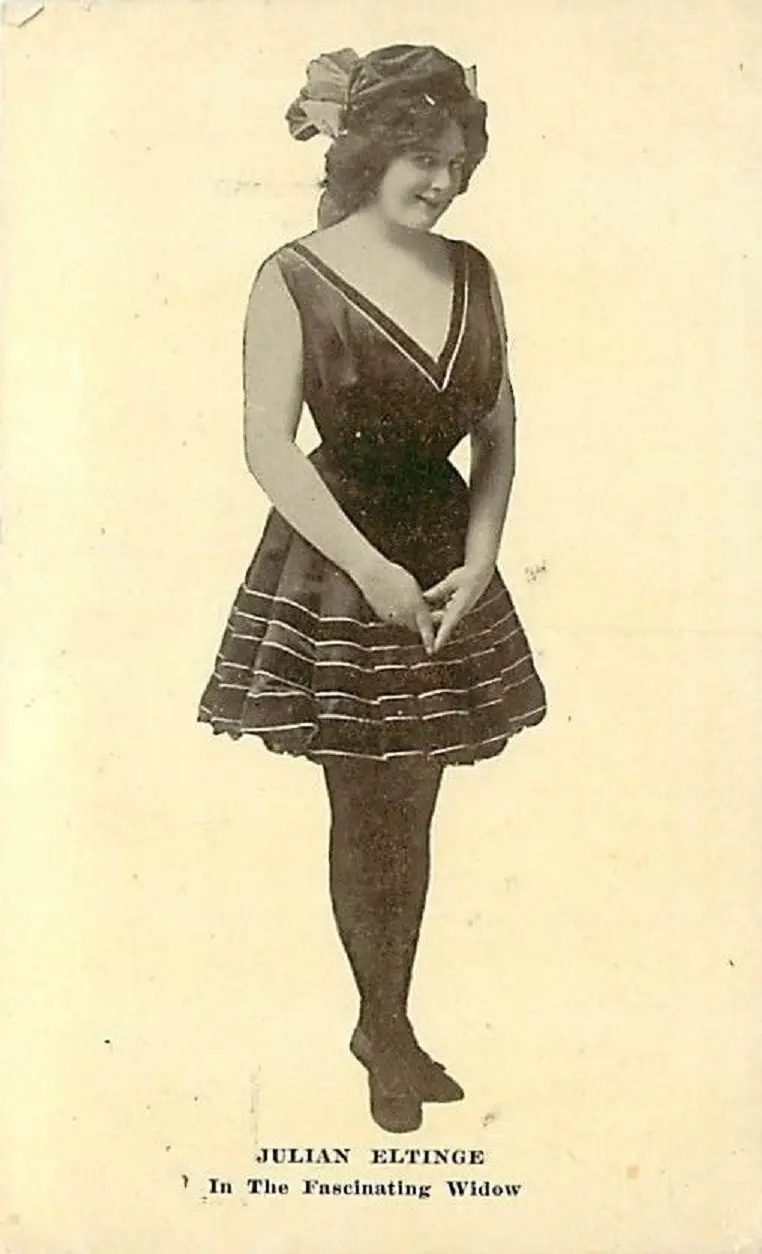
Is The Fascinating Widow worth watching today? Short answer: absolutely, but with a critical lens tuned to its historical context. This film is a fascinating, if imperfect, window into early 20th-century cinema and the unique star power of Julian Eltinge, making it a must-see for film historians, silent film enthusiasts, and anyone curious about the evolution of gender representation on screen. However, it is decidedly not for those seeking modern comedic sensibilities or an action-packed plot.
It demands patience and an appreciation for the theatricality that defined much of early cinema. For the right audience, it offers rich rewards.
Julian Eltinge was a phenomenon. Before drag queens graced mainstream television, Eltinge was selling out vaudeville houses and Broadway theaters, celebrated for his uncanny ability to transform into stunning, believable women. The Fascinating Widow, one of his cinematic vehicles, attempts to translate this stage magic to the silent screen, with mixed, but undeniably captivating, results. It works. But it’s flawed.
This film works because of Eltinge's singular talent and the audacious premise it embraces for its time. His commitment to the dual role is palpable, elevating what could have been mere farce into something genuinely intriguing. The film's period detail, while perhaps unintentional in its historical accuracy, serves as a charming backdrop to the central deception. It offers a rare glimpse into the social anxieties and comedic conventions surrounding gender and identity in the early 20th century, making it a valuable archival piece.This film fails because its narrative pacing can feel sluggish to a contemporary audience, often lingering on scenes that would be condensed today. The supporting characters, while functional, rarely escape their archetypal molds, leaving Eltinge to carry the bulk of the dramatic and comedic weight. Furthermore, some of the comedic beats, reliant on then-current social mores, land with less impact now, requiring a significant leap of historical empathy from the viewer.
You should watch it if you have a keen interest in silent film history, the evolution of comedic performance, or the early portrayal of gender fluidity in media. It’s also essential viewing for anyone studying the careers of unique performers like Julian Eltinge, whose influence on popular culture, though often overlooked, was significant. If you appreciate films like Pardon Me or You Can't Believe Everything for their historical value and comedic charm, this will resonate.
At the heart of The Fascinating Widow is Julian Eltinge, and his performance is nothing short of magnetic. As Percival Plum, he embodies a certain earnest, slightly bumbling theatricality, a man of passion whose ambitions are constrained by circumstance. Yet, it is his transformation into the Baroness Wilhelmina Von Kessel that truly elevates the film. Eltinge doesn't simply put on a dress; he becomes the character, inhabiting her with a grace and conviction that transcends mere caricature.
His physicality as the Baroness is remarkable. Every gesture, from the delicate flutter of a fan to the elegant sweep of a gown, is meticulously crafted. There’s a scene where the Baroness is introduced to a room full of skeptical socialites; Eltinge, without a single spoken word, conveys a potent mix of aloof dignity and subtle, knowing wit. It’s a masterclass in silent acting, demonstrating how much can be communicated through posture, gaze, and the slightest inclination of the head.
What makes Eltinge's portrayal so compelling is its refusal to descend into outright mockery. While there are certainly comedic elements derived from the absurdity of the situation – such as the Baroness inadvertently attracting a string of ardent male admirers – Eltinge always maintains a sense of sophisticated realism within the disguise. He plays the Baroness as a woman, not as a man playing a woman for cheap laughs. This nuance is crucial and sets his work apart from many of his contemporaries who might have opted for broader, less sensitive portrayals.
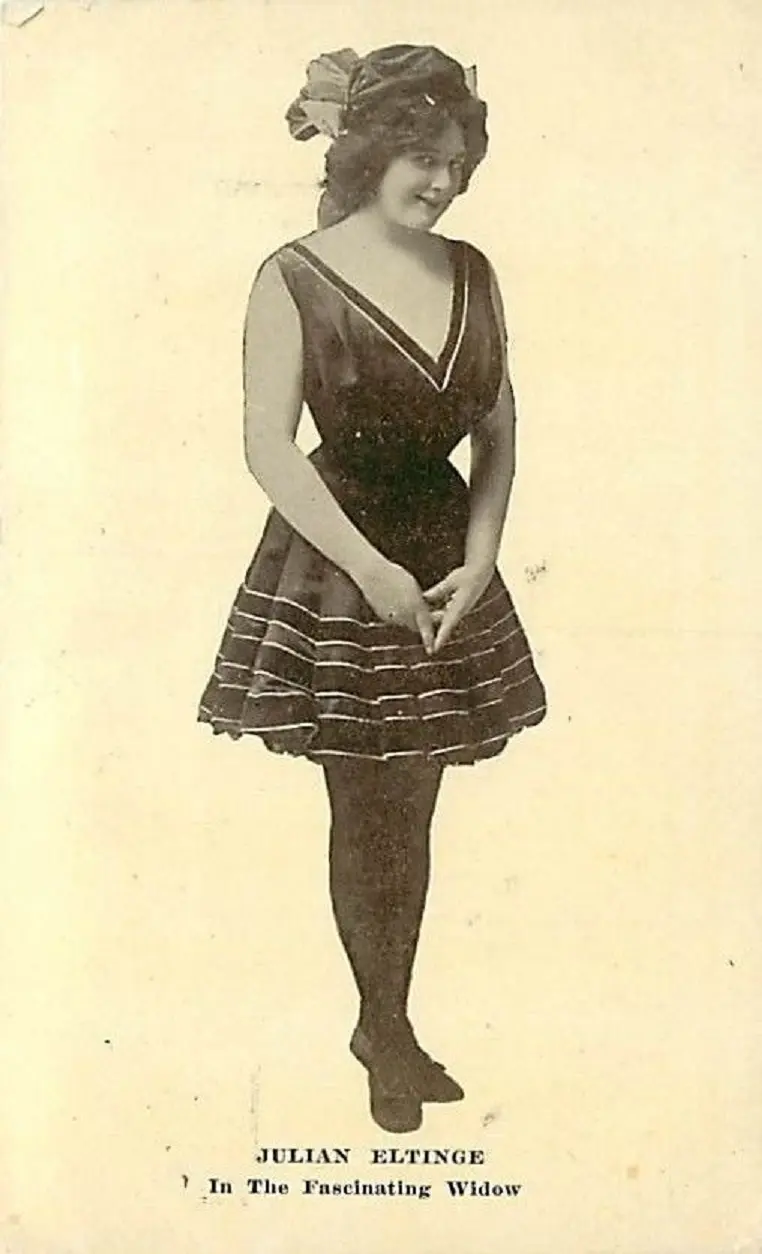
One could argue that Eltinge's work here, and throughout his career, subtly challenged the rigid gender constructs of his era. By presenting such a convincing and often admired female persona, he blurred lines in a way that was both entertaining and, perhaps, implicitly subversive. It's an unconventional observation, but the film, in its own way, is a quiet testament to the fluidity of performance and identity.
The direction in The Fascinating Widow, while competent, often feels utilitarian, serving primarily to frame Eltinge's performance. The camera rarely ventures into experimental territory, preferring static shots and straightforward editing. This approach, while typical of the period, occasionally misses opportunities to heighten the comedic tension or delve deeper into the psychological aspects of Percy's dual life.
However, there are moments of clever staging. For instance, the scenes involving Percy's quick changes between his male and female identities, often facilitated by discreet cuts or well-placed props, are handled with a surprising degree of ingenuity for the time. These sequences, while simple by today's standards, effectively convey the frantic energy of his deception.
Cinematography, too, is largely functional. The lighting is generally flat, designed to ensure visibility rather than create atmosphere or dramatic effect. Yet, it's worth noting how the camera does linger on Eltinge in his Baroness attire, seemingly understanding that the visual spectacle of his transformation is the film's primary draw. Close-ups are used sparingly but effectively to capture his subtle expressions, particularly the knowing glances he exchanges with the audience or with characters who suspect his true identity.
The sets and costumes, while not lavish by later Hollywood standards, are sufficiently detailed to establish the opulent world of the Baroness and the more modest surroundings of Percy. The Baroness's gowns, in particular, are central to the illusion, and the film takes care to showcase their elegance, reinforcing the allure of Eltinge's female persona. This attention to costume design is a critical component of the film's success, making the transformation believable and the 'widow' truly fascinating.
The pacing of The Fascinating Widow can be a challenge for modern viewers. Silent films often allowed scenes to play out at a slower tempo, relying on the audience's patience and the actors' expressions to convey meaning. While this can lead to moments of genuine charm, it also means that certain plot developments feel drawn out. The exposition, for instance, takes its time to establish the stakes, and the comedic payoffs sometimes arrive after a longer build-up than contemporary audiences might expect.
Despite this, the film's central theme of identity and disguise remains remarkably resonant. It explores the idea that appearance can be deceiving, and that societal roles are often constructed. Percy's journey as the Baroness forces other characters to confront their own biases and assumptions, whether it's Aunt Agatha's disdain for actors or the suitors' superficial attraction to wealth and perceived femininity. This makes the film more than just a simple farce; it's a commentary, however light, on the performative nature of self.
The romantic subplot, while somewhat conventional, adds an emotional anchor to the comedic chaos. Percy's motivation to help Eleanor provides a grounding force, preventing the film from becoming solely about the spectacle of Eltinge's impersonation. It ensures that there's a tangible goal beyond mere entertainment, giving the audience a reason to invest in the character's success.
Yes, The Fascinating Widow is absolutely worth watching, particularly for anyone with a genuine interest in cinematic history or the evolution of comedic performance. It serves as a vital historical document, showcasing a unique talent and a specific era's approach to humor and social commentary. It's not a film that will appeal to everyone, especially those accustomed to rapid-fire modern storytelling. However, for those willing to engage with its historical context, it offers a rich and rewarding viewing experience. It's a testament to the enduring power of performance and the surprisingly progressive undertones that could be found in early cinema.
The Fascinating Widow is more than just a historical curio; it is a significant artifact of early cinema, driven by the extraordinary talent of Julian Eltinge. While its pacing and some of its comedic sensibilities may require a degree of patience and historical appreciation from contemporary audiences, the film remains a compelling watch for its central performance alone. Eltinge's ability to embody the 'Fascinating Widow' with such conviction, grace, and subtle wit is a testament to his unique artistry and continues to captivate. It's a film that asks us to look beyond the surface, both of its narrative and its star, to appreciate the layers of performance and identity at play. For those willing to make that journey, this silent gem offers a rich, rewarding experience, proving that true fascination can indeed transcend the ages. It is an essential piece of cinematic history, even if it won't be everyone's cup of tea. Go in with an open mind, and you might just find yourself utterly charmed by this audacious, delightful film.
IMDb 7.1
1932
Community
Log in to comment.