DbcultAccessing Vault...
6.4/10
Senior Film Conservator
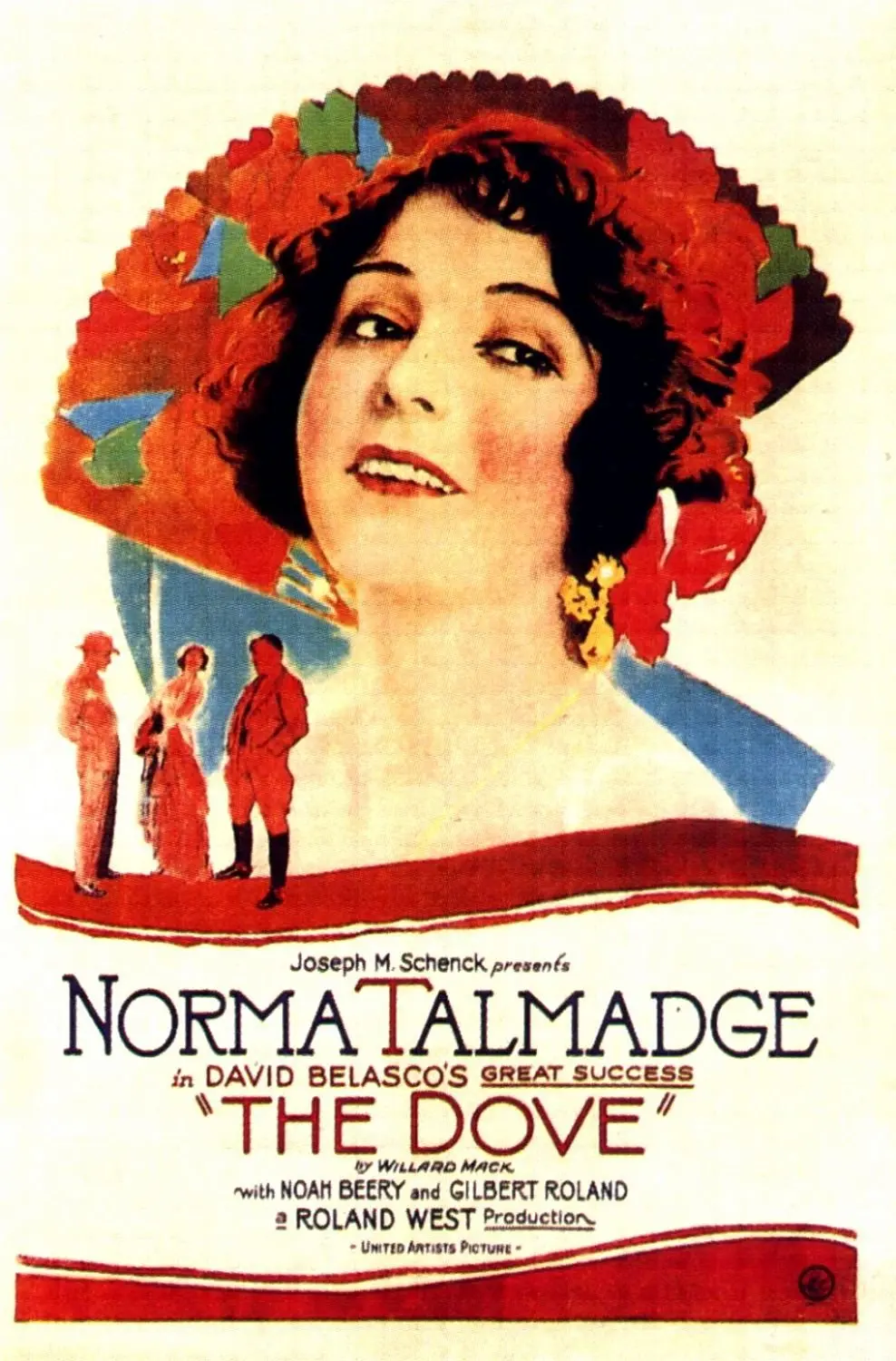
A definitive 6.4/10 rating for a film that redefined the boundaries of cult cinema. The Dove remains a cornerstone of transgressive art.
Is this film worth watching today? Short answer: yes, but primarily as a masterclass in visual composition rather than a compelling modern narrative.
This film is for the cinephile who treats set design as a primary character and those interested in the transition of silent superstardom. It is decidedly NOT for viewers who demand fast-paced action or sensitive cultural depictions, as its 'Old Mexico' tropes are dated and occasionally grating.
1) This film works because the visual architecture provided by William Cameron Menzies creates a dreamlike, oppressive atmosphere that transcends the simple script.
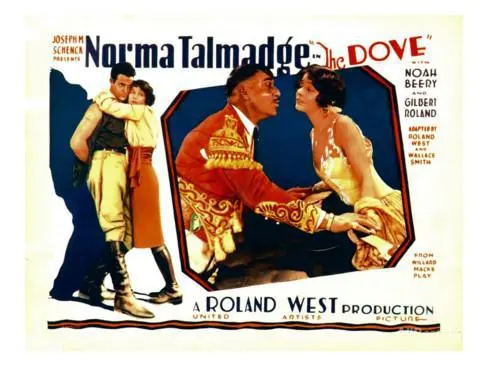
2) This film fails because the central romance between Norma Talmadge and Gilbert Roland lacks the visceral spark needed to balance Noah Beery’s scenery-chewing performance.
3) You should watch it if you want to see the exact moment when silent film production values reached their absolute zenith before the 'Talkie' revolution simplified cinematography.
When discussing The Dove, one cannot ignore the shadow of William Cameron Menzies. It is no fluke that this film helped him secure the first-ever Academy Award for Art Direction. The sets are not merely backgrounds; they are psychological extensions of Don José Silva’s ego. The arches are too wide, the shadows too long, and the cantina feels both expansive and trapping.
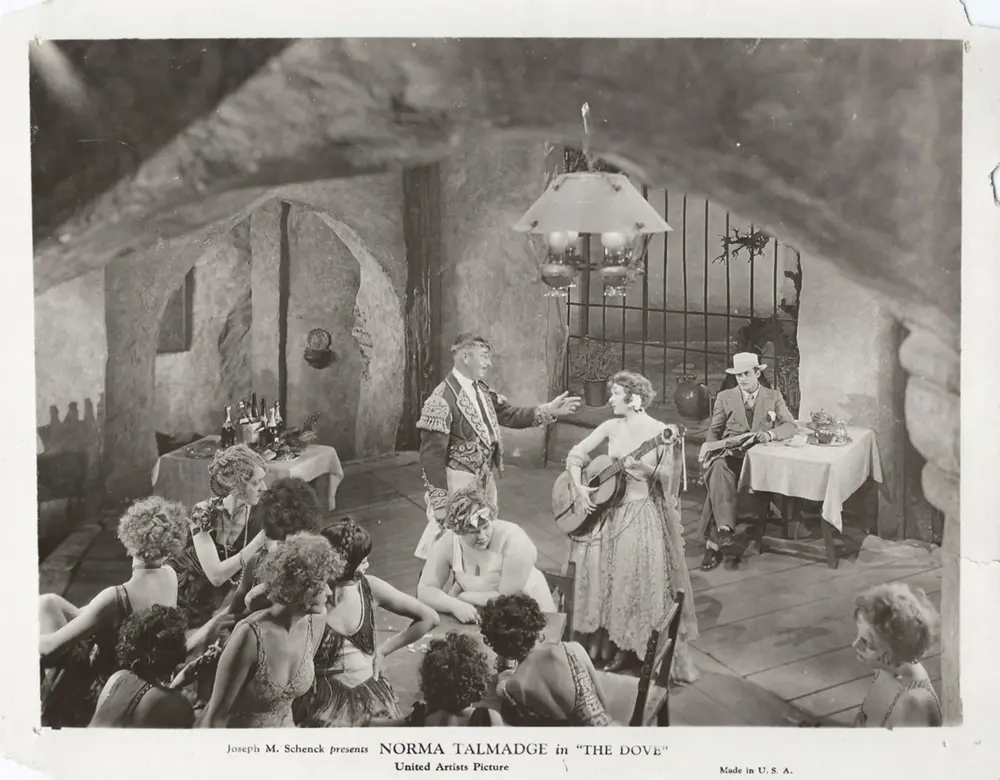
Take, for example, the scene where Dolores first rejects Don José. The way the light hits the textured walls of the hacienda makes the stone look almost organic, as if the building itself is recoiling from the despot’s touch. It’s a level of detail that puts contemporary films like The Covered Wagon to shame in terms of pure aesthetic intentionality.
Roland West, the director, was a man obsessed with the 'look' of a film. In The Dove, he utilizes a lighting scheme that feels more like German Expressionism than a standard Hollywood melodrama. The use of high-contrast lighting to isolate Norma Talmadge in the center of the frame gives her an ethereal quality that her acting alone might not have achieved. It’s a trick used to mask the fact that the story is, at its core, a fairly standard damsel-in-distress trope.
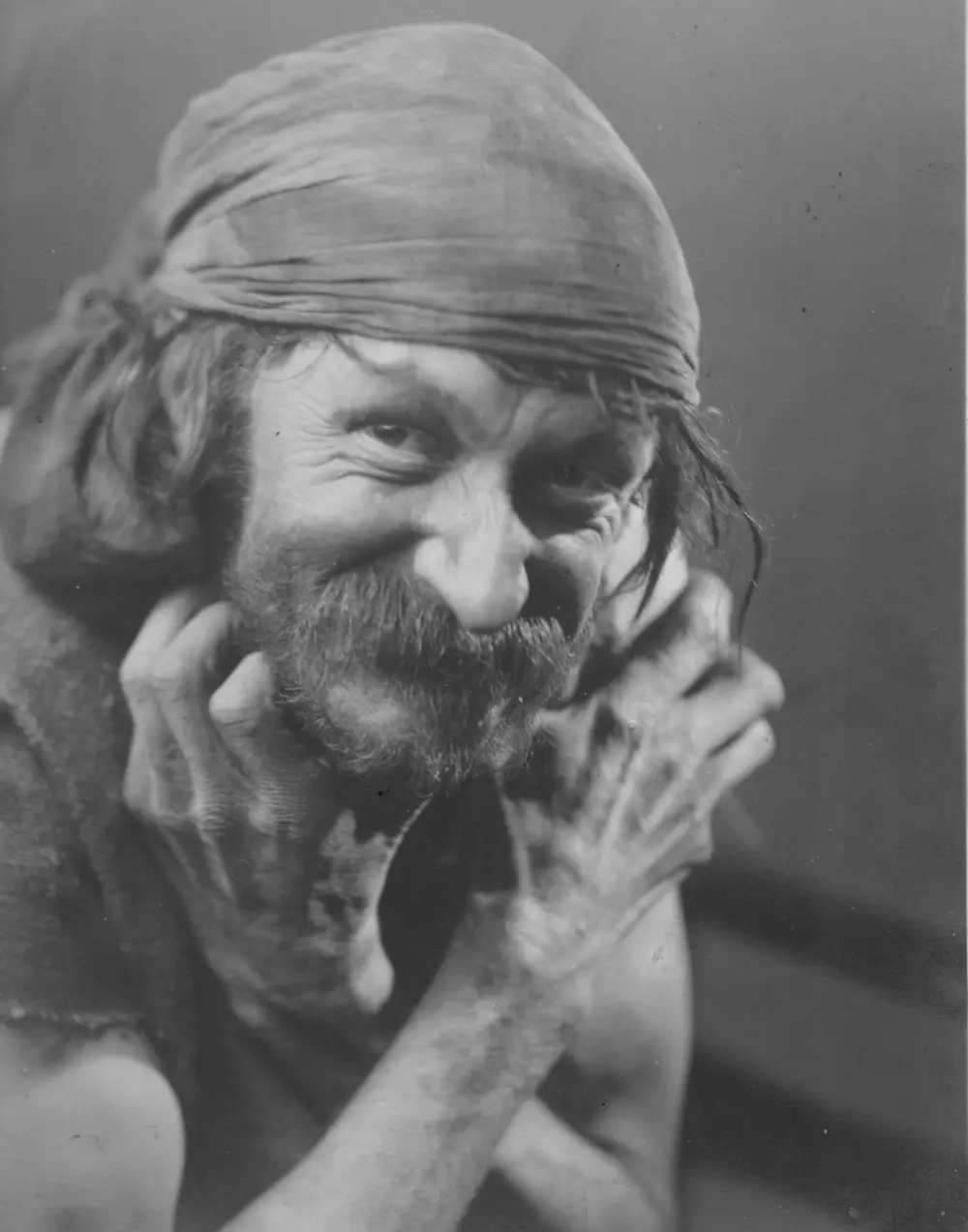
Noah Beery steals the film. Period. His portrayal of Don José Silva is a fascinating study in flamboyant villainy. He refers to himself in the third person as 'the bestest man in Costa Roja,' a line that manages to be both threatening and pathetic. Beery doesn't just play a villain; he plays a man who is performing the role of a villain for his own benefit.
There is a specific moment in the gambling hall where Beery watches the 'Dove' dance. His eyes don't just convey lust; they convey a sense of ownership. It’s a chilling performance that anchors the film. Without his magnetic, albeit hammy, presence, the middle act would likely collapse under the weight of its own slow pacing. He provides the friction that makes the plot move.
Contrast this with Gilbert Roland’s Johnny Powell. Roland is handsome, certainly, but in 1927 he was still developing the screen presence that would make him a legend later. Here, he is mostly a plot device—a reason for the conflict to exist rather than a participant in it. His chemistry with Talmadge is functional, but it never reaches the heights of the melodrama found in films like The Vortex.
Yes, The Dove is worth watching if you view it as a historical artifact of peak silent cinema. It represents the height of visual storytelling before the microphone tethered cameras to the floor. The pacing is deliberate, perhaps too much so for modern audiences, but the sheer beauty of the frames provides enough stimulus to keep a patient viewer engaged.
However, if you are looking for a story with modern sensibilities regarding gender or culture, you will be disappointed. The 'Costa Roja' setting is a generic 'South of the Border' caricature that was common in the 1920s. It’s a fantasy land, not a real place, and the film treats it as such. If you can move past the dated tropes, the technical brilliance remains undeniable.
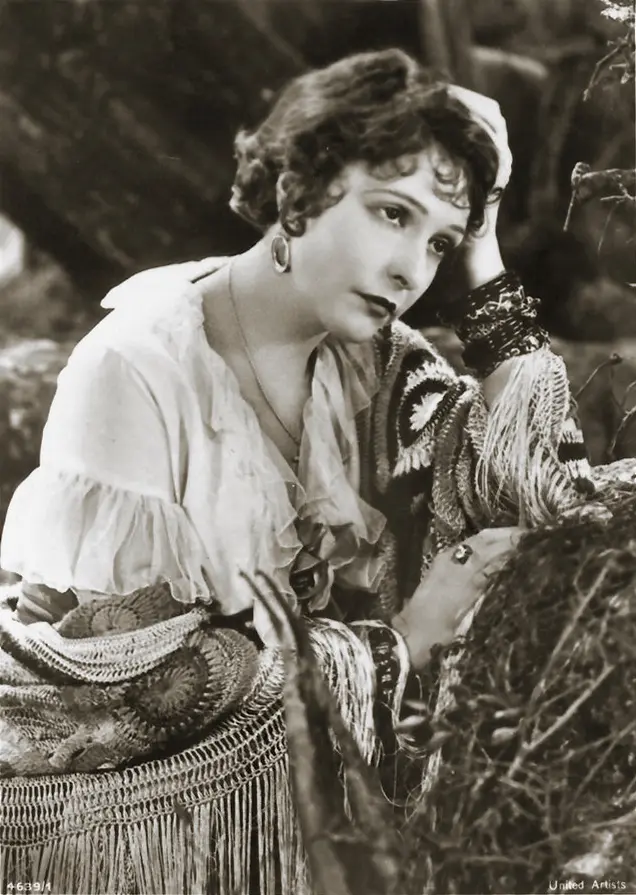
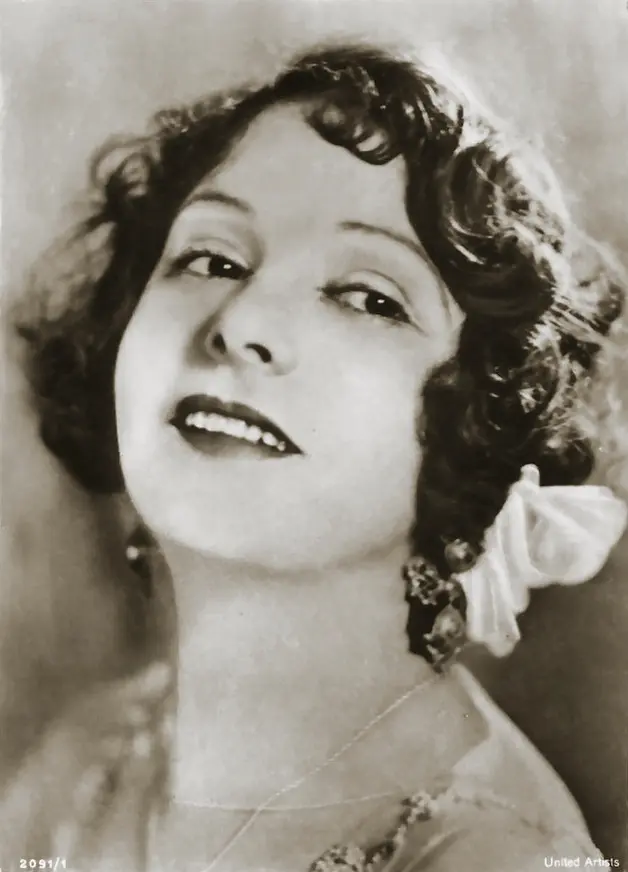
Norma Talmadge was one of the biggest stars of the era, and The Dove was intended to be a massive showcase for her. She is technically proficient here, using her eyes to convey a range of emotions from defiance to terror. Yet, there is a sense that she is slightly miscast as a 'cantina girl.' She possesses a natural regalness that makes her feel more like a queen in disguise than a working dancer.
Her performance is most effective in the quiet moments. There is a scene where she sits alone, contemplating the sacrifice she must make to save Johnny. The camera lingers on her face for an uncomfortably long time. It’s a bold choice by Roland West, and Talmadge holds the gaze. It’s a reminder of why she was a superstar, even if the role itself feels beneath her range.
Interestingly, the film’s failure to truly ignite at the box office signaled the beginning of the end for Talmadge’s reign. Unlike the gritty realism emerging in other 1927 releases, The Dove felt like a polished relic of an older style of filmmaking. It’s beautiful, yes, but it lacks the raw edge of something like Scars of Jealousy.
Most critics focus on the romance, but the real love story in The Dove is between director Roland West and his shadows. There are moments where characters are completely blacked out, leaving only their silhouettes to tell the story. This was incredibly radical for a mainstream Hollywood production in 1927. It suggests that West was more interested in the feeling of the scene than the clarity of the story. It works. But it’s flawed.
Furthermore, the film’s ending is surprisingly cynical for its time. While it resolves the romance, it leaves the political landscape of Costa Roja largely unchanged. Don José isn't necessarily defeated by a revolution; he is simply outmaneuvered in a personal spat. It suggests a world where power remains in the hands of the corrupt, even if the lovers escape. This lack of a 'grand moral victory' makes the film feel slightly more modern than its contemporaries.
The Dove is a triumph of style over substance. It is a gorgeous, hollow shell of a movie that happens to contain one of the best villain turns of the silent era. If you can appreciate the craft of the image, you will find much to love here. If you need a story that resonates with the human condition, you might find it wanting. It is a museum piece—beautifully preserved, expertly curated, but ultimately frozen in time. Watch it for the shadows, stay for Beery’s ego, but don’t expect it to change your life.
“I am the bestest man in Costa Roja!” — Don José Silva’s boast is the film’s defining moment of glorious, delusional arrogance.
IMDb 7.5
1927
Community
Log in to comment.