DbcultAccessing Vault...
Cult Review
Senior Film Conservator
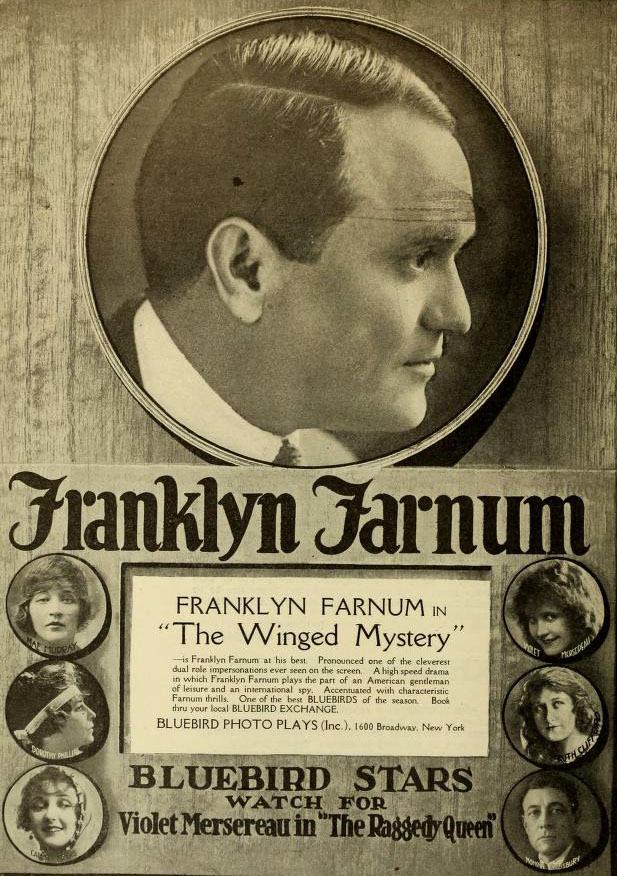
Ah, the silent era! A time when cinematic storytelling relied purely on the evocative power of visuals, the nuanced expressions of its stars, and the dramatic thrust of its narrative. In this rich landscape, films like The Winged Mystery (1917) emerge as fascinating artifacts, offering a window into the popular anxieties and entertainment sensibilities of a bygone age. Directed by Archer MacMackin and penned by William Parker, this particular feature plunges headfirst into the tumultuous waters of wartime espionage and familial betrayal, weaving a tapestry of suspense that, even a century later, still manages to captivate the discerning viewer. It’s a testament to the enduring power of a well-crafted plot, even when delivered without the benefit of spoken dialogue.
At its core, The Winged Mystery is a narrative steeped in the personal fallout of global conflict. The Great War serves as more than just a backdrop; it's a catalyst for the profound schism between twin brothers, Louis and August Siever. Born to a German father and an American mother, their dual heritage becomes a cruel irony when war erupts across Europe. Louis, embodying unwavering American loyalty, finds himself ensnared in Berlin’s bureaucratic labyrinth, battling for a year to affirm his citizenship – a struggle that underscores the profound personal cost of national allegiance during such fraught times. This ordeal is painted with a quiet desperation, a palpable sense of injustice that sets the stage for the dramatic events to follow. His plight mirrors the anxieties of countless individuals caught between warring nations, forced to choose or be chosen for a side.
In stark contrast to Louis's steadfastness, August embraces his German patrimony, enlisting in the Kaiser's army. This ideological divergence culminates in a violent, almost Shakespearean confrontation between the siblings. It's a pivotal moment, a visceral depiction of familial bonds irrevocably severed by geopolitical strife. The ensuing act of treachery – August’s audacious theft of Louis’s passport – is a masterstroke of villainy, not merely an act of theft but a profound usurpation of identity. This stolen document becomes August’s ticket to a new life in New York City, a journey he undertakes with Gerda Anderson, a character whose enigmatic presence immediately signals her role as a German spy. Gerda, portrayed with a subtle menace, embodies the cunning and ruthless efficiency of wartime espionage, her every glance a calculated move in a larger, unseen game.
The narrative then orchestrates a series of compelling coincidences. Louis, eventually clearing his name and returning to the United States, finds himself invited to a lavish weekend affair on Long Island, hosted by his well-heeled friends, the Waynes. This setting, with its veneer of opulent tranquility, provides a stark contrast to the brewing storm. Meanwhile, August and Gerda, now settled nearby, become aware of the Wayne's gathering. Their response is chillingly audacious: they rent an adjacent property and extend an invitation to all of the Waynes' guests – including Louis – for their own 'mystery' party. This narrative device is ingeniously deployed, transforming a seemingly innocuous social event into a meticulously planned trap. The irony is poignant; guests seeking amusement are instead plunged into a nightmare of capture and coercion.
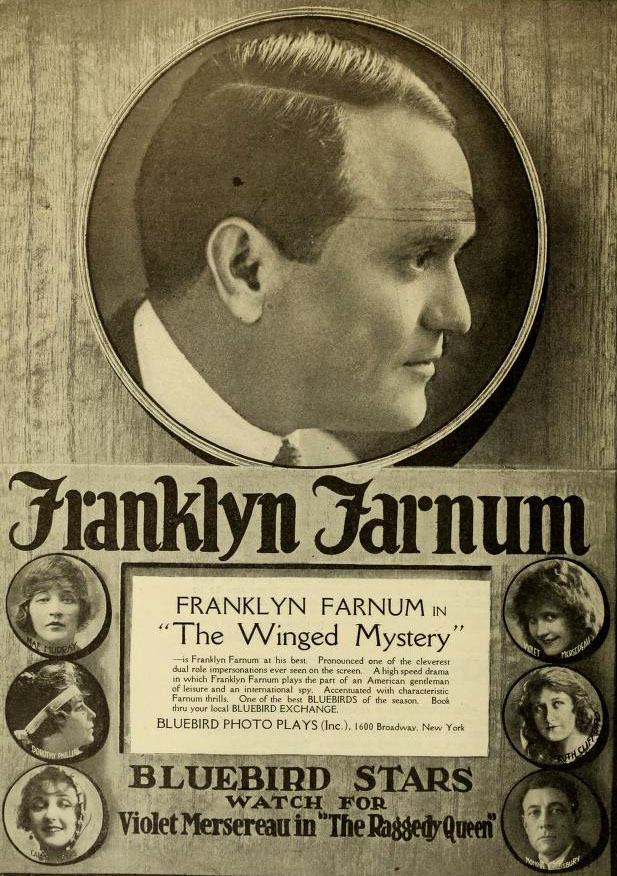
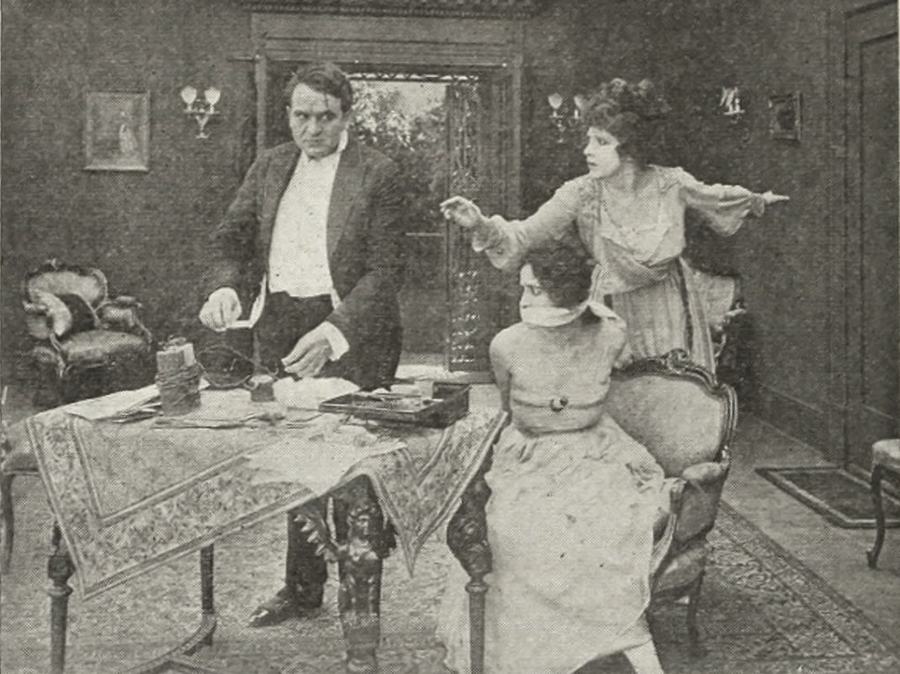
The 'mystery' party swiftly devolves into a meticulously executed kidnapping. The women are held captive, their freedom exchanged for ransom notes delivered to their distraught husbands via an antiquated, yet effective, method: carrier pigeons. This detail, 'the winged mystery' itself, lends a unique, almost poetic touch to the otherwise grim proceedings, connecting the ancient art of communication with modern wartime intrigue. It also provides a clever plot mechanism for both the antagonists and the eventual saviors. The film expertly builds tension here, showcasing the vulnerability of the victims and the cold calculation of their captors. The use of pigeons is a charmingly anachronistic touch that elevates the film beyond a simple crime caper, imbuing it with a distinct period flavor.
Enter Shirley Wayne, a character who refuses to be a mere damsel in distress. Her proactive nature, coupled with Louis’s determination, drives the narrative forward as they set out to track down the kidnappers. Their bravery, however, is met with capture, escalating the stakes significantly. This sequence showcases the emerging archetype of the resourceful female lead, a character increasingly prevalent in silent cinema, much like the spirited heroines found in films such as Prudence, the Pirate or A Daughter of Australia, who defy conventional gender roles to take an active role in their own salvation. The peril faced by Shirley and Louis is palpable, intensifying the sense of urgency and danger.
The arrival of Mortimer Eddington, an amateur detective, injects a much-needed dose of intellectual ingenuity into the proceedings. Eddington, perhaps a precursor to the eccentric sleuths that would populate detective fiction for decades to come, devises an ingenious method to trace the carrier pigeons back to the kidnappers' hideout. His methodical approach and keen observation skills provide a satisfying counterpoint to the more impulsive actions of Louis and Shirley. This subplot offers a delightful contrast to the high-stakes drama, highlighting the power of deductive reasoning. The eventual climax, with police officers descending upon the hideout just as Shirley and Louis face their gravest danger, is a thrilling resolution, a classic race against time that delivers a satisfying payoff. The Germans are forced to surrender, bringing an end to their nefarious scheme and restoring a semblance of order.
The cast of The Winged Mystery, while perhaps not household names today, delivered performances crucial to the film's success in an era devoid of spoken dialogue. Claire Du Brey, a prolific actress of the period, likely brought a compelling blend of vulnerability and resilience to her role, perhaps as Shirley Wayne, the strong female lead. Her presence would have been key in conveying the urgency and danger of the kidnapping plot, without resorting to histrionics. Franklyn Farnum, a seasoned actor with a penchant for dramatic roles, would have embodied the conflicted yet ultimately heroic Louis Siever, navigating the complex emotions of betrayal and patriotism. His ability to convey internal turmoil through expression and gesture would have been paramount. Charles Hill Mailes, often cast in villainous or authoritative roles, would have perfectly captured the sinister essence of August Siever, the treacherous twin. His portrayal of August's duplicity and ruthlessness would have provided the necessary antagonist for the story's emotional core. And Rosemary Theby, as Gerda Anderson, the German spy, would have exuded a calculated charm and underlying menace, making her a formidable and memorable figure of intrigue. These actors, through their physicality and facial expressions, were the storytellers, translating the script's nuances into a universally understood language of emotion and action. The success of the film hinges on their ability to create distinct, believable characters within the constraints of silent cinema, much like the compelling character work seen in a psychological drama such as The Case of Becky, which also relied heavily on visual storytelling to convey complex internal states.
Beyond the thrilling plot, The Winged Mystery resonates with several powerful themes pertinent to its historical context. The most prominent is the fracturing of identity, both personal and national, under the stress of war. Louis's struggle to prove his American citizenship against the backdrop of German parentage speaks volumes about the xenophobia and suspicion that permeated society during wartime. August's choice to align with Germany, and his subsequent betrayal of his brother, highlights the devastating impact of ideological divides on familial bonds. This theme of fractured identity and loyalty echoes in other films of the era that grappled with similar moral quandaries, such as The Woman God Forgot, which often explored the complexities of allegiance and sacrifice.
The film also taps into the pervasive paranoia of wartime, where spies lurked in the shadows and trust was a luxury. Gerda Anderson's character embodies this fear, a seemingly innocuous figure revealed to be a dangerous operative. The elaborate kidnapping plot, driven by wartime objectives, further amplifies this sense of unease. It’s a narrative that leverages the collective anxieties of its audience, much like how films like The Raven (another film with a title suggesting darkness and mystery) would later explore the psychological depths of fear and suspense. The film’s depiction of the 'mystery party' turning into a trap is a chilling metaphor for how hidden dangers can lurk beneath the surface of seemingly normal life.
Archer MacMackin's direction, alongside William Parker's writing, showcases the evolving craftsmanship of silent cinema. The pacing, crucial in a medium without dialogue, would have been carefully controlled to build suspense and deliver emotional impact. The use of intertitles would have been precise, conveying necessary plot points and dialogue without bogging down the visual flow. Cinematography, even in its nascent stages, played a vital role in establishing mood and atmosphere, from the opulent Long Island estate to the shadowy confines of the kidnappers' lair. The visual language of the film, through shot composition and editing, would have guided the audience's understanding and emotional response. Comparing it to a film like The Mystery of St. Martin's Bridge, one can appreciate the diverse approaches to building suspense and intrigue within the genre during this period.
The film's strength lies in its ability to combine elements of a spy thriller with a domestic drama, elevated by the unique twist of the 'mystery party' and the carrier pigeons. It’s a narrative that keeps the audience guessing, offering twists and turns that maintain engagement throughout. The character of Mortimer Eddington, the amateur detective, provides a refreshing injection of wit and intelligence, ensuring that the resolution feels earned and satisfying. His logical deduction stands in contrast to the more frantic pursuit of Louis and Shirley, creating a balanced approach to problem-solving within the plot. This blend of action, intrigue, and intellectual pursuit makes The Winged Mystery a compelling watch.
While The Winged Mystery might not be as widely known as some other silent classics, its narrative ingenuity and thematic depth make it a film deserving of rediscovery. It offers a fascinating glimpse into how filmmakers of the early 20th century crafted suspenseful and emotionally resonant stories without the aid of sound. It also serves as a historical document, reflecting the anxieties and societal shifts of a world embroiled in conflict. For enthusiasts of silent cinema, espionage thrillers, or simply well-told stories, this film is a compelling artifact. Its blend of family drama, spy intrigue, and a clever detective plot ensures its lasting, albeit niche, appeal. Much like other forgotten gems such as Hoodman Blind or What Love Can Do, it reminds us that cinematic history is rich with compelling narratives waiting to be re-examined. The film’s ability to create a sense of urgency and danger using only visual cues is a testament to the skill of its creators and the power of the silent medium.
In conclusion, The Winged Mystery is more than just a historical curiosity; it is a meticulously crafted silent film that expertly navigates themes of identity, loyalty, and betrayal against the backdrop of global conflict. Its ingenious plot, compelling characters, and effective use of suspense make it a rewarding viewing experience. It stands as a testament to the creative prowess of the silent era, demonstrating that a powerful story, well-told, transcends the limitations of its medium. It's a film that asks us to consider the true cost of war, not just on nations, but on the very fabric of family and individual identity. A truly captivating 'mystery' indeed, with wings that still carry its tale across the decades.
IMDb 6.8
1921
Community
Log in to comment.